


How to measure aluminum extrusion?
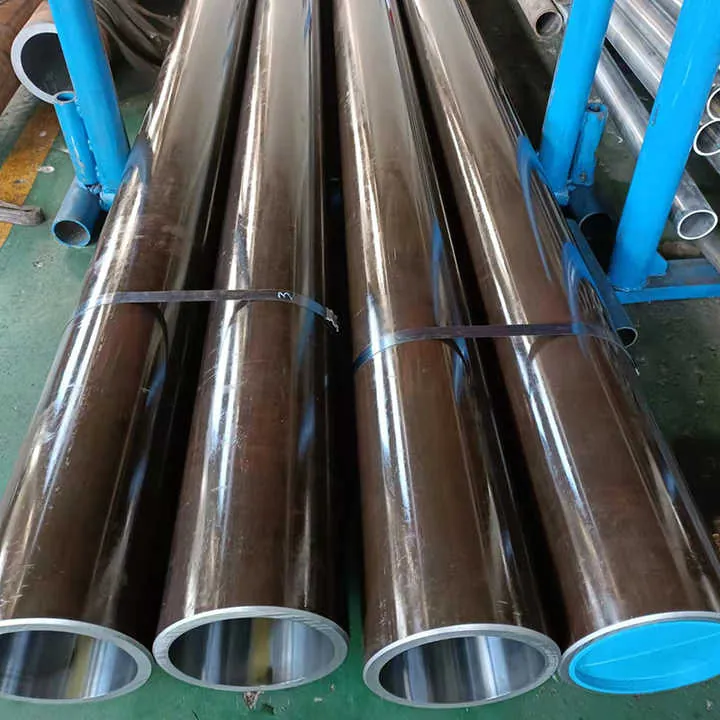
Are you worried that your aluminum profiles might not fit your assemblies? Let’s explore how to measure them properly and avoid mistakes.
You can measure aluminum extrusions with a clear inspection plan: select the right tools, check tolerances, measure critical slots, and use gauges or automated systems to speed up verification.
Let’s dive deeper into each question so you can confidently inspect your profiles.
What tools measure profile dimensions?
If you skip or short‑cut your measurement tools you’ll risk defects, rework and delays.
Common tools include calipers and micrometers for basic checks, CMM or optical/laser scanners for complex shapes, and gauges for repeat measurements.
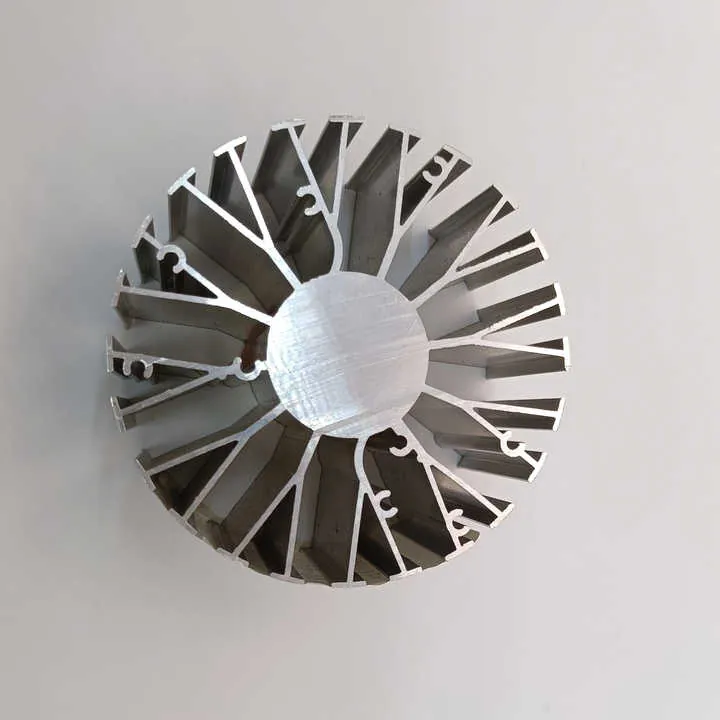
When you measure an aluminum extrusion profile you want both dimension (width, height, slot depth, wall thickness) and geometry (straightness, twist, cross‑section shape) to be correct. The tool choice depends on the profile complexity and the tolerance you require.
Basic hand tools
- Vernier calipers: good for measuring widths, heights, outside dimensions, slot openings.
- Micrometers: better for wall thickness or critical small dimensions where higher precision is needed.
- Depth gauges or vernier depth micrometers: used for measuring slot depth, internal recesses.
These tools are inexpensive and widely available. But they have limits: you need physical access, the operator’s skill matters, and complex profiles may be hard to inspect fully.
Advanced measurement systems
- Coordinate Measuring Machines (CMM): they use a probe to measure discrete points on a profile and build geometry. Useful for complex shapes.
- Optical / laser scanning or profile measurement systems: Suitable for measuring the cross‑section of extruded profiles quickly without multiple manual steps.
- Inline measuring systems: For mass production, systems allow continuous monitoring of complex profiles in real time.
Tool selection considerations
- Tolerance requirement: If your tolerance is ±0.2 mm vs ±0.05 mm, your tool must support the required precision.
- Profile complexity: Simple rectangle vs multiple slots and ribs – complexity drives tool sophistication.
- Batch volume: For high‑volume profiles you may want faster, automated measurement.
- Access to features: Some slots or internal webs may be hard to reach with simple tools; scanning may be better.
- Traceability & data: Advanced tools often integrate with data systems for QC reports and trend analysis.
By choosing the right measurement tools you reduce risk of non‑conforming parts reaching downstream processes and save cost on rework.
Vernier calipers are sufficient for checking all critical dimensions on a complex aluminum extrusion profile.False
While useful for basic dimensions, calipers may not capture complex geometry, internal slots, or straightness and twist features, which require more advanced tools.
Optical or scanning systems can measure the full profile geometry of an extrusion quickly and without making physical cut cross‑sections.True
Flat‑bed scanners or profile measurement systems allow full cross‑section scanning and comparison to CAD or nominal geometry without destructive cutting.
Why tolerance checking is essential?
Ignoring tolerances leads to mis‑fits, assembly problems, or structural failures.
Tolerance checking ensures that every profile meets its design specification and functional requirement, avoiding downstream issues and costly scrap.
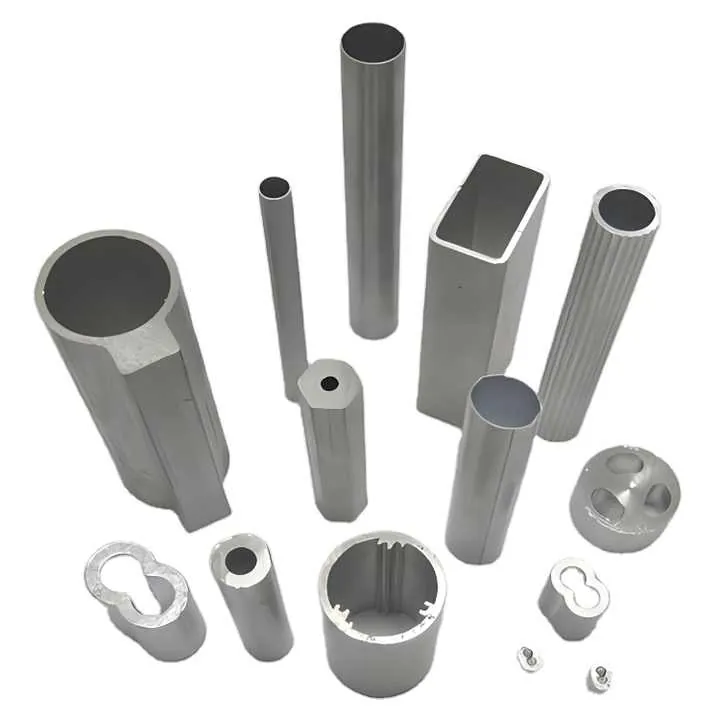
When you order or manufacture aluminum extrusions you always deal with tolerances: acceptable variation in width, height, wall thickness, slot depth, straightness, twist. These tolerances exist because perfect geometry is impossible, but what matters is that parts are within acceptable limits for function and assembly.
Why tolerances matter
- Fit and assembly: If a slot is too wide or too narrow then a mating part may not engage correctly, leading to loose fit, play or assembly requiring rework.
- Machining downstream: For profiles that go into CNC machining or bending, if the raw extrusion is out of tolerance you may end up with scrap or extra cost to correct.
- Structural performance: Wall thickness variations can affect strength, durability and thermal or structural behavior of the profile.
- Finish treatments: Surface treatments like anodizing add thickness; if you start out of tolerance you may end up out after finishing.
- Interchangeability and repeatability: For batch production or global supply, consistent tolerances ensure that profiles from different batches or suppliers behave the same.
How to handle tolerance checking
- Define clear tolerance tables: each dimension (width, height, wall, slot) should have a nominal value and tolerance (e.g., ±0.2 mm, ±0.1 mm).
- For geometry: define acceptable straightness (e.g., maximum deviation 1 mm per metre) and twist (e.g., max degrees per metre).
- Use inspection tools according to the tolerance: tight tolerances require higher‑precision tools.
- Track results and trend: if measurements drift over time, that signals tool wear, mis‑setup or process changes.
- Apply finishing allowance: if you will anodize or powder‑coat the profile, account for coating thickness in the starting tolerances.
In your role supplying custom extrusions, tolerances become a key differentiator for quality. Clients may specify high precision (for automotive, aerospace) or more relaxed specs for architectural use — your measurement and QC process must align.
If a profile meets nominal dimension values it does not need any tolerance verification.False
Meeting nominal values does not guarantee that the part is within tolerance or that geometry (straightness, twist) is acceptable; verification is needed for each critical dimension.
Documenting tolerance checks across production batches supports quality control and process improvement.True
Tracking measurement data allows detection of trends, early warning of tool wear or process drift, and supports consistent product quality.
How to measure slot depth accurately?
Slots and internal features are often critical in aluminum extrusions, yet they are hard to measure.
Measuring slot depth accurately requires the right gauge or probe, proper reference plane, consistent setup and sufficient repeatability to ensure the slot meets functional depth requirements.
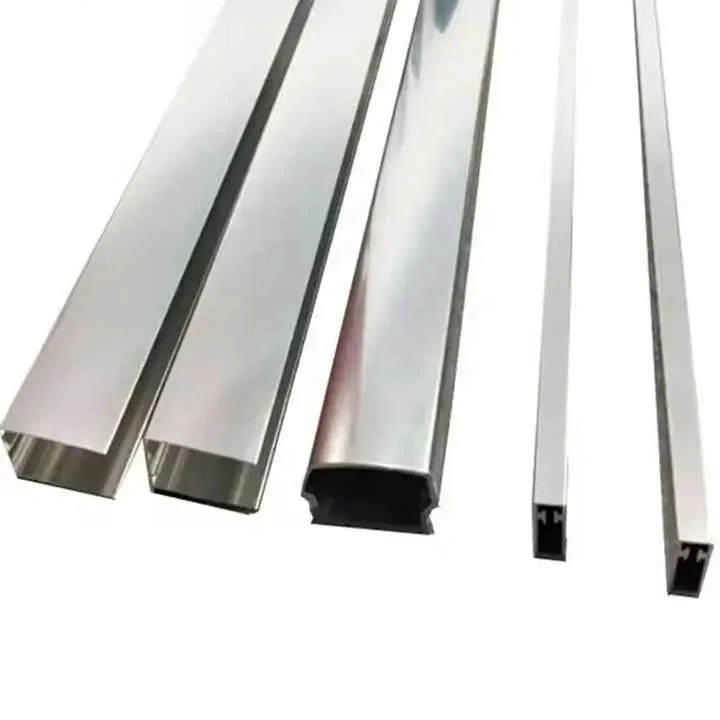
Slot depth is the internal recessed dimension from the surface (or another surface) to the bottom of the slot. In architectural, mechanical or structural extrusions the slot often holds fasteners, seals or insert elements — so depth matters.
Step‑by‑step method
- Identify reference surface: Determine the datum surface from which depth is measured (e.g., top surface of the profile). Ensure the profile is aligned and clean.
- Select the appropriate gauge/probe:
- Depth micrometer or depth gauge with flat base and rod reach.
- Vernier depth gauge.
- For complex slot shapes, use a CMM probe or optical/laser system measuring the bottom surface relative to the datum.
- Set zero or calibrate: Place the base of the depth gauge on the reference surface and zero the instrument (or note reading).
- Measure slot depth: Lower the probe rod into the slot until the rod bottom contacts the slot floor. Take reading.
- Repeat and sample: Multiple readings across different slots or different parts may be needed to assess consistency.
- Document and compare: Compare the measured depth to the specified slot depth and tolerance.
Special challenges and tips
- Slot floor unevenness: If the floor is not flat, probe may rock. Use a small flat base or optical method to verify true depth.
- Access restrictions: Deep or narrow slots may make rod/gauge access difficult; in these cases a CMM or optical scanning is preferred.
- Angle or radius bottom: If the slot has radius or sloped bottom, depth gauge reading may be misleading; define how depth is specified (to radius, to bottom).
- Surface finish / burrs: Burrs or coating layers affect measurement; ensure surface is cleaned and record whether coating is included.
- Temperature and handling: The aluminum profile may still be warm from extrusion; allow to cool to normal temperature to avoid material expansion effect on depth measurement.
Table – slot depth measurement checklist
| Step | Purpose |
|---|---|
| Align profile & datum | Ensures measurement consistency |
| Choose appropriate tool | Matches slot geometry & tolerance |
| Calibrate zero | Avoid measurement offset |
| Measure multiple points | Assess variation and detect anomalies |
| Compare to specification | Determine pass/fail |
| Record data | Provide traceability and trend analysis |
Accurately measuring slot depth means your downstream processes (inserts, fasteners) will engage properly, your assemblies will align, and your functional performance will be maintained. If slot depth is off, you may face fit issues, loose assemblies or extra machining.
Any handheld depth gauge will measure slot depth accurately regardless of slot geometry.False
Handheld gauges may lack access, or may not measure correctly if the slot has radius bottom, access restrictions, or if the probe base cannot sit properly; more advanced tools may be needed.
Defining the datum and ensuring the profile is properly aligned are essential steps before measuring slot depth.True
Without a correct reference surface and proper alignment, the depth measurement will be inaccurate or inconsistent.
Can gauges speed up inspection?
Manual measurement of each part is time‑consuming; gauges offer faster inspection.
Yes — well‑designed go/no‑go gauges, fixed‑dimension gauges or automated gauge systems can quickly verify key dimensions in production, reducing inspection time and operator variability.
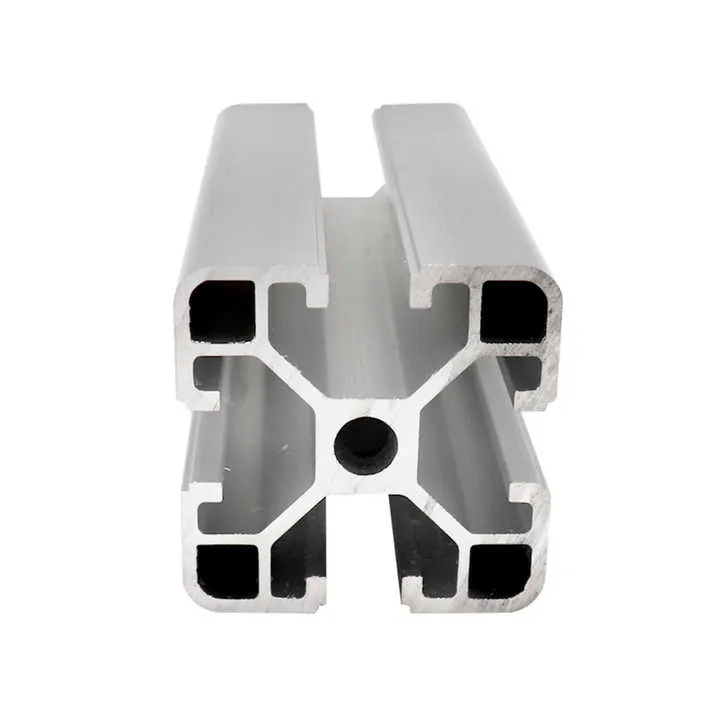
In a production environment, you need inspection methods that are accurate and efficient. For a company producing custom aluminum extrusions for global clients, speed and consistency matter.
Types of gauges and their uses
- Go/No‑Go gauges: Simple fixed gauges that accept or reject a part based on whether a dimension is within limits. Great for high volume.
- Fixed thickness or slot depth gauges: Bed‑mounted gauges that allow placing the profile and checking slot depth or wall thickness quickly.
- Profile templates: Machined templates matching the cross‑section allow quick “fit test” – does the part sit fully in the template?
- Inline measurement gauges: Automated sensors or camera‑based gauges integrated into the extrusion line measure dimensions continuously.
Benefits of using gauges
- Speed: Faster than using calipers or micrometers for each dimension.
- Repeatability: Fixed gauges reduce operator variation and simplify pass/fail decisions.
- Training overhead reduced: Easy to use for operators with minimal measurement training.
- Process control feedback: Inline gauges provide immediate feedback to the extrusion line and help detect deviations early.
- Cost savings: Less time spent in inspection, fewer errors, lower scrap or rework.
Implementation tips
- Identify key dimensions for gauging (critical dimensions from the drawing).
- Design or purchase gauges that match your profile’s critical features (slot, wall, overall width).
- Validate the gauge itself (calibrate periodically, ensure tolerance is tracked).
- Integrate gauge check frequency into your inspection plan (e.g., every 10th piece, or per shift).
- For custom shapes, use a combination of gauges for the common dimensions and full measurement for occasional verification.
Using gauges does not eliminate the need for periodic full dimensional inspection (with calipers, CMM, etc.) but drastically improves efficiency for routine checks. In your business setting, offering customers fast response, consistent dimensions and documented quality is enhanced by using gauges.
Once gauges are installed, full CMM inspection can be eliminated for all production parts.False
While gauges speed up routine checks, periodic full inspections are still required to ensure complex geometry and critical features remain within specification.
Go/No‑Go gauges and inline sensors help maintain consistent production quality and reduce inspection time.True
Such gauges provide quick pass/fail decisions, reduce operator error and enable faster quality control cycles.
Conclusion
Measuring aluminum extrusion profiles properly means using the right tools, verifying tolerances, checking critical slots accurately and leveraging gauges to speed inspection. Then your profiles will consistently meet specifications and perform reliably.


