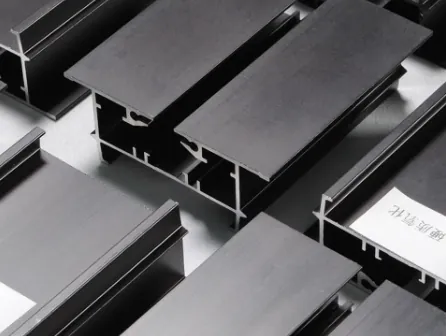
Aluminum extrusion dimensional deviation control?

Dimensional deviations in aluminum extrusion can disrupt production and increase costs. Understanding control methods is critical for quality.
Dimensional deviation in aluminum extrusion is controlled through precise process monitoring, tooling calibration, and quality checks. Consistent measurement and corrective actions minimize errors.
Managing deviations is not just about measuring—they affect structural integrity, fit, and performance. Let’s explore the key strategies and practices in detail.
How is dimensional deviation managed in production?
Aluminum extrusion lines can easily produce parts with slight variations. Without management, these deviations can escalate into major problems.
Production control involves proper die design, machine calibration, temperature monitoring, and post-extrusion inspections to reduce dimensional errors. Early detection prevents scrap and rework.

Dimensional deviation is managed through multiple layers of control. First, the extrusion die must be carefully designed and fabricated. Even a small misalignment in the die can create inconsistencies across a batch. Regular calibration of the press ensures that the force applied is uniform, reducing the risk of uneven flow that causes warping or size differences.
Temperature and material handling
The billet temperature and cooling rate are critical. Aluminum expands when heated and contracts as it cools. Variations in temperature can lead to differences in final dimensions. Maintaining consistent heating and controlled cooling along the entire extrusion line is essential. Using thermocouples and infrared sensors allows real-time monitoring and quick adjustments.
Measurement and inspection
After extrusion, precise measurement is performed using calipers, micrometers, or coordinate measuring machines (CMM). These tools detect deviations from the intended dimensions. Measurements often include length, width, thickness, and flatness. Any deviations are logged and analyzed for trends, helping production engineers implement process improvements.
Process feedback loops
A key method is creating a feedback loop. If a deviation is detected, operators adjust machine settings, such as ram speed or die temperature, immediately. This continuous correction keeps the overall deviation within acceptable limits and reduces waste.
Die calibration is essential to controlling extrusion deviationTrue
Accurate die calibration ensures the aluminum flows uniformly, preventing size inconsistencies.
Temperature variations have minimal impact on aluminum extrusion dimensionsFalse
Even small temperature fluctuations can cause aluminum to expand or contract, leading to dimensional deviations.
Which features are most prone to deviation?
Some shapes and features in extrusions are more sensitive to process inconsistencies. Identifying them is key to quality control.
Thin walls, deep channels, and complex profiles are most prone to deviation due to uneven metal flow and cooling rates. Reinforcing critical features reduces errors.
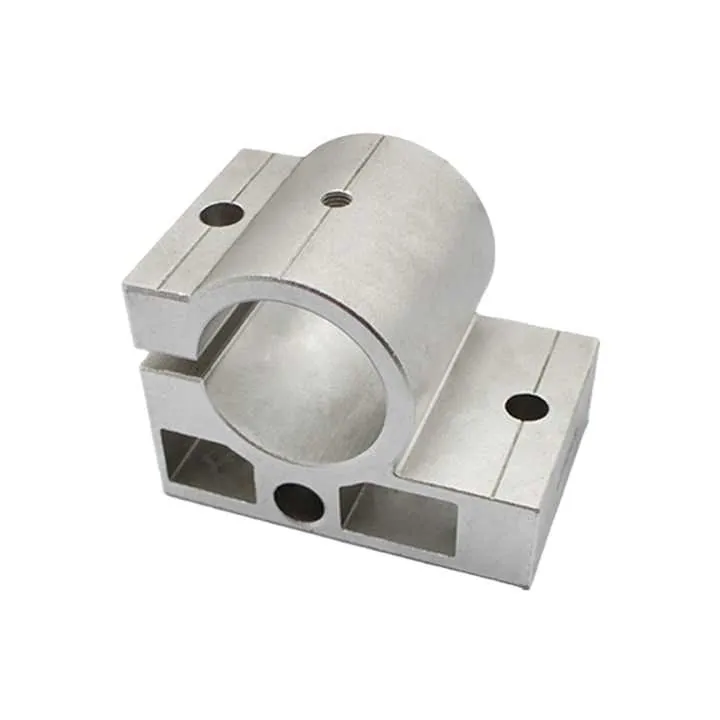
Certain features in aluminum extrusions are more likely to deviate. Thin walls tend to warp or bend because they cool faster and cannot resist internal stresses. Deep channels or hollow sections can collapse or twist during cooling. Complex profiles with multiple corners and curves are also more susceptible to dimensional errors.
Factors affecting sensitive features
- Wall thickness: Thinner walls cool and contract faster, making them prone to variation.
- Length-to-thickness ratio: Long, thin parts may bend or bow during cooling.
- Profile complexity: More angles and intricate shapes create uneven metal flow.
Mitigation strategies
To reduce deviations in sensitive features, manufacturers may increase wall thickness slightly, add support ribs, or adjust die design. Controlled cooling and post-extrusion straightening also help. Using finite element analysis (FEA) during die design predicts how metal will behave, allowing engineers to preemptively correct issues.
Example table: Feature deviation risk
| Feature Type | Common Deviation | Mitigation Strategy |
|---|---|---|
| Thin wall (<2mm) | Warping | Increase thickness or add rib |
| Hollow section | Collapse | Controlled cooling |
| Complex corner | Twisting | Optimize die design, straightening |
Thin walls are more likely to warp than thick wallsTrue
Thin walls have less structural support and cool unevenly, causing warping.
Simple profiles experience more deviation than complex profilesFalse
Complex profiles have uneven metal flow and are more prone to dimensional deviations.
What tolerance bands are considered acceptable?
Determining the correct tolerance band ensures functionality without over-engineering or wasting material.
Acceptable tolerances depend on the extrusion’s purpose, material, and end use. Typically, ±0.2mm for standard sections and ±0.05mm for precision components are applied.
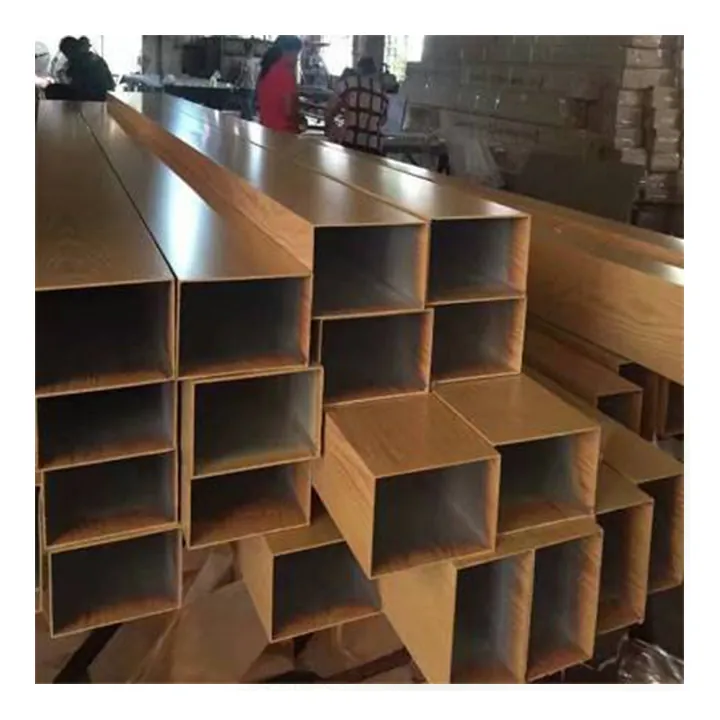
Tolerance bands define the allowable variation in dimensions. The choice of tolerance depends on the product’s application. For structural components, slight deviations may be acceptable. For high-precision machinery parts, stricter tolerances are required.
Standard tolerances
Industry standards such as ISO 2768 provide guidelines for aluminum extrusions:
| Tolerance Type | Standard Value |
|---|---|
| Linear dimensions | ±0.1mm to ±0.5mm |
| Angular dimensions | ±0.5° to ±1° |
| Flatness | 0.2mm to 0.5mm/m |
| Wall thickness | ±0.05mm to ±0.2mm |
These values may vary based on customer specifications. Tighter tolerances increase production complexity and inspection requirements.
Balancing cost and precision
Excessively tight tolerances can raise costs due to slower production, more frequent inspections, and higher scrap rates. It’s important to define tolerances that satisfy function without unnecessary expense. Engineers should collaborate with clients to select practical tolerance bands for their application.
Tolerance bands should balance cost and precisionTrue
Excessively tight tolerances increase cost without adding functional benefit.
All extrusions must meet ±0.05mm tolerance regardless of useFalse
Tolerance should reflect functional requirements; not all parts need extreme precision.
Are automated tools used to monitor deviations?
Manual measurements are slow and inconsistent. Automation improves accuracy and speed in detecting deviations.
Automated monitoring uses sensors, CMMs, and software to continuously measure dimensions and alert operators when deviations occur. This ensures consistent quality and reduces human error.

Automated tools have become standard in modern extrusion facilities. Laser scanners, optical systems, and coordinate measuring machines can measure dimensions in real time. These systems provide data on wall thickness, flatness, and profile accuracy. Software platforms can track trends over multiple production runs and flag issues before they lead to defects.
Advantages of automation
- Speed: Measurements are instantaneous compared to manual methods.
- Consistency: Automated tools reduce operator variability.
- Data analysis: Collected data helps improve die design and process settings.
Integration with production
Sensors can be integrated along the extrusion line, immediately reporting deviations. If the system detects an out-of-tolerance dimension, it can trigger alarms or automatic adjustments. This proactive approach reduces scrap and improves throughput.
Example table: Automated monitoring tools
| Tool Type | Function | Benefit |
|---|---|---|
| Laser scanner | Wall thickness, flatness | Fast, non-contact measurement |
| CMM | Dimensional accuracy | High precision data |
| Optical profile system | Profile shape verification | Real-time defect detection |
Automated monitoring increases measurement accuracyTrue
Automation eliminates human error and provides consistent, real-time dimensional data.
Automated tools are rarely used in extrusion productionFalse
Modern extrusion facilities widely use automated measurement and monitoring systems to ensure quality.
Conclusion
Effective control of aluminum extrusion dimensional deviation requires a combination of precise die design, calibrated machinery, monitoring systems, and practical tolerance standards. Automated tools and continuous feedback loops ensure consistent quality, reducing waste and cost.