


Aluminum extrusion smoothness requirement after anodizing?

Surface defects often appear only after anodizing, not before. This creates risk. Many buyers face complaints, delays, and costly rework due to unclear smoothness standards.
After anodizing, aluminum extrusion surfaces should meet consistent smoothness standards, typically between Ra 0.4–1.6 um depending on application, ensuring uniform appearance, strong coating adhesion, and long-term durability.
Many people think anodizing hides defects. In reality, it often highlights them. That is why understanding smoothness before and after anodizing is critical.
How smooth should surfaces be after anodizing?
Surface inconsistency often becomes visible only after anodizing. This creates frustration. Many projects fail visual inspection even when dimensions are correct.
After anodizing, surfaces should be smooth enough to ensure uniform color and texture, typically requiring pre-treatment finishes that minimize scratches, extrusion lines, and die marks.
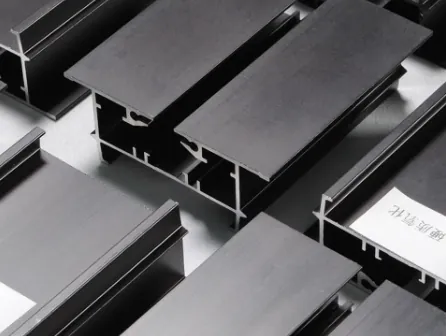
Why anodizing reveals surface flaws
Anodizing is not a coating that hides defects. It is a controlled oxidation process. The oxide layer grows from the aluminum itself. Because of this, any surface issue becomes more visible.
Common visible defects include:
- Die lines from extrusion
- Scratches from handling
- Uneven polishing
- Surface tearing from poor billet quality
Surface expectations by application
Different industries expect different smoothness levels. A structural profile does not need the same finish as a decorative frame.
| Application Type | Smoothness Expectation | Visual Requirement |
|---|---|---|
| Industrial profiles | Medium | Functional focus |
| Architectural | High | Uniform color |
| Consumer electronics | Very high | Premium finish |
Key factors affecting smoothness
1. Extrusion die quality
A worn die creates lines. These lines cannot be removed by anodizing.
2. Billet quality
Impurities lead to surface tearing.
3. Cooling process
Uneven cooling creates texture variation.
4. Pre-treatment
Etching and polishing directly shape final smoothness.
Real-world insight
In one project, a client requested "perfect anodized finish" but skipped polishing to save cost. The result showed clear extrusion lines. The entire batch required rework.
Practical takeaway
Surface smoothness must be controlled before anodizing. Post-treatment cannot fix structural defects.
Anodizing can hide most extrusion surface defects.False
Anodizing often highlights defects because the oxide layer follows the base metal surface.
Surface preparation before anodizing determines final appearance quality.True
Since anodizing grows from the base metal, pre-treatment directly affects final smoothness.
What Ra values indicate acceptable finish levels?
Many buyers ask for "smooth surface" without defining numbers. This creates confusion. Suppliers and clients often misunderstand expectations.
Acceptable Ra values after anodizing typically range from 0.4 to 1.6 um, depending on the application, with lower values indicating smoother and more visually appealing finishes.
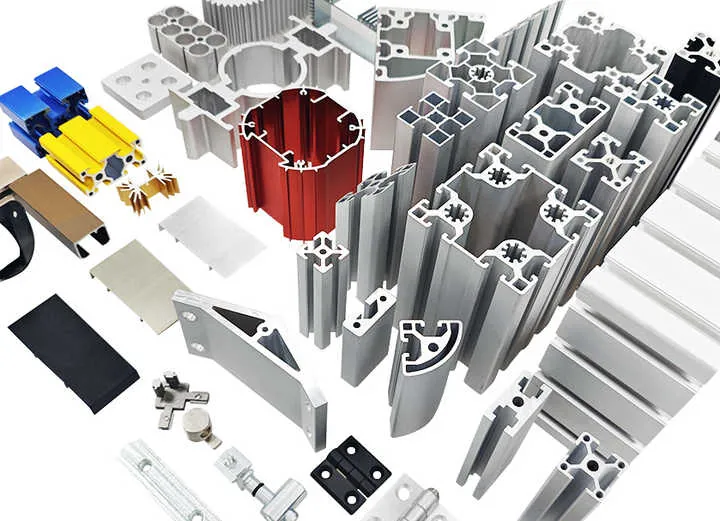
What is Ra?
Ra stands for average surface roughness. It measures microscopic peaks and valleys.
Lower Ra means:
- Smoother surface
- Better reflection
- Higher visual quality
Higher Ra means:
- Rougher texture
- More diffuse light
- Lower aesthetic appeal
Typical Ra ranges
| Ra Value (um) | Surface Quality | Application Example |
|---|---|---|
| 0.2 – 0.4 | Mirror-like | Electronics, luxury items |
| 0.4 – 0.8 | Very smooth | Architectural panels |
| 0.8 – 1.6 | Standard smooth | Industrial parts |
| 1.6+ | Rough | Hidden structural parts |
Why Ra matters after anodizing
Anodizing does not significantly reduce Ra. Instead, it slightly increases it due to oxide layer growth.
This means:
- A rough surface becomes slightly rougher
- A smooth surface remains visually clean
Measurement considerations
Contact vs optical measurement
- Contact tools are accurate but slower
- Optical tools are faster but sensitive to reflectivity
Measurement direction
Ra can vary depending on measurement direction relative to extrusion lines.
Common mistake
Some buyers specify Ra after anodizing but measure before anodizing. This leads to mismatch and disputes.
Practical recommendation
Always define:
- Measurement method
- Measurement direction
- Stage (before or after anodizing)
Real-world scenario
A European client required Ra < 0.8 um after anodizing. Initial samples failed because pre-treatment Ra was already 0.9 um. Adjusting polishing solved the issue.
Lower Ra values always result in better anodizing adhesion.False
Adhesion depends on surface chemistry and cleanliness, not only smoothness.
Ra values must be controlled before anodizing to meet final finish requirements.True
Anodizing does not significantly reduce roughness, so initial Ra determines final outcome.
Do polishing methods affect final smoothness?
Many assume anodizing defines the final look. That is incorrect. The polishing stage plays a major role.
Yes, polishing methods directly affect final smoothness, as mechanical, chemical, or electrochemical polishing determines the base surface condition before anodizing.

Types of polishing methods
Mechanical polishing
Uses abrasives to smooth the surface.
Pros:
- Controlled process
- Cost-effective
Cons:
- May leave directional marks
Chemical polishing
Uses chemical solutions to smooth the surface.
Pros:
- Uniform finish
- Good for complex shapes
Cons:
- Less control over precision
Electrochemical polishing
Uses electrical current to remove surface peaks.
Pros:
- High smoothness
- Bright finish
Cons:
- Higher cost
Comparison of polishing methods
| Method | Smoothness Level | Cost Level | Best Use Case |
|---|---|---|---|
| Mechanical | Medium to high | Low | General applications |
| Chemical | Medium | Medium | Complex geometries |
| Electrochemical | Very high | High | Premium finishes |
How polishing affects anodizing
Polishing defines:
- Reflectivity
- Texture uniformity
- Color consistency
For example:
- Brushed finish stays visible after anodizing
- Mirror polish becomes glossy anodized surface
Interaction with anodizing thickness
Thicker anodizing layers can slightly blur fine polishing marks. However, they cannot remove deep scratches.
Real production insight
In one project, switching from mechanical to electrochemical polishing reduced visible defects by 60 percent after anodizing.
Key lesson
Polishing is not optional for high-end applications. It is a required step.
Electrochemical polishing can significantly improve surface smoothness before anodizing.True
It removes microscopic peaks, resulting in smoother surfaces.
Polishing has no effect on anodized appearance.False
Polishing defines the base surface, which directly determines anodized finish.
Can rough spots impact anodizing durability?
Surface roughness is often seen as only a visual issue. This is a mistake. It also affects performance.
Yes, rough spots can negatively impact anodizing durability by creating uneven oxide layers, reducing corrosion resistance, and increasing the risk of coating failure.

How roughness affects oxide formation
Anodizing builds oxide layer evenly only on consistent surfaces.
Rough areas cause:
- Uneven thickness
- Weak spots
- Stress concentration
Corrosion risk
Rough surfaces trap:
- Moisture
- Contaminants
This increases corrosion risk, especially in:
- Coastal environments
- Industrial zones
Mechanical durability
Rough spots lead to:
- Micro-cracks in oxide layer
- Faster wear under friction
Thickness variation problem
| Surface Condition | Oxide Layer Behavior | Result |
|---|---|---|
| Smooth | Uniform | Strong protection |
| Slightly rough | Minor variation | Acceptable |
| Very rough | Highly uneven | Weak durability |
Real failure case
A batch of profiles used in outdoor structures showed early corrosion. Investigation found high surface roughness caused uneven anodizing thickness.
Preventive measures
1. Control extrusion quality
Avoid surface tearing.
2. Improve polishing
Reduce peak-valley differences.
3. Optimize cleaning
Remove contaminants before anodizing.
Practical insight
Durability starts from surface quality, not anodizing thickness alone.
Rough surfaces can reduce the corrosion resistance of anodized aluminum.True
Uneven oxide layers and trapped contaminants increase corrosion risk.
Increasing anodizing thickness can fully compensate for rough surface defects.False
Thickness cannot fix uneven structure caused by roughness.
Conclusion
Surface smoothness before anodizing determines appearance and durability. Clear Ra standards, proper polishing, and controlled extrusion are essential for consistent, high-quality anodized aluminum products.


