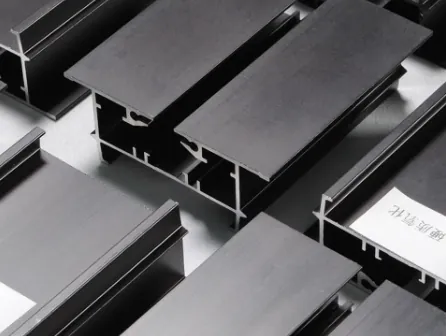

Aluminum extrusion hardness variation tolerance?

Aluminum extrusion can show uneven hardness, causing problems in manufacturing and assembly. Understanding tolerance is key to avoiding costly mistakes.
Hardness variation in aluminum extrusion refers to the acceptable differences in material hardness across a single profile. Properly managing this ensures mechanical performance and reliability in applications.
For manufacturers and engineers, knowing how to measure, control, and certify hardness is critical. Let’s explore these aspects in detail to ensure consistent product quality.
What is the acceptable hardness variation range?
Aluminum extrusions naturally vary in hardness due to cooling rates, alloy composition, and extrusion speed. Acceptable variation depends on alloy type and temper.
Industry standards usually allow a hardness difference of ±5 to ±8 Brinell or Rockwell units within a single profile, but this can vary for specific alloys and tempers.
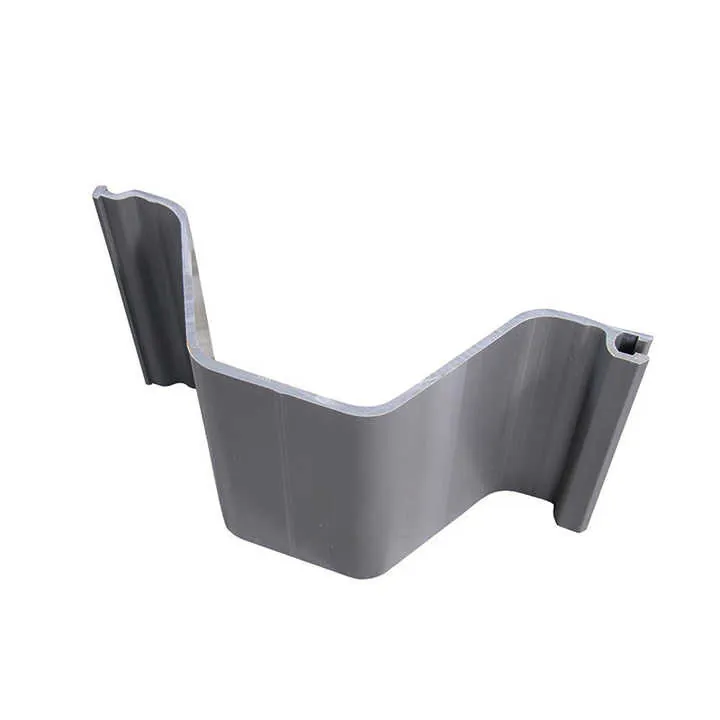
Manufacturers define tolerance ranges based on mechanical requirements and end-use. For structural profiles, tighter hardness limits may be needed to prevent deformation or failure. For decorative or lightweight components, slightly wider variations are usually acceptable. Environmental factors during extrusion, such as die temperature, cooling rate, and lubrication, also influence hardness variation. Monitoring these factors helps maintain tolerances.
Alloy and temper influence
| Alloy | Temper | Typical Hardness Range (HB) | Acceptable Variation (HB) |
|---|---|---|---|
| 6063 | T5 | 70-90 | ±5 |
| 6061 | T6 | 95-120 | ±6 |
| 6082 | T6 | 100-130 | ±8 |
Each profile section may differ slightly due to thickness variations. Thicker areas often cool slower, leading to higher hardness, while thinner areas may be softer. Controlling extrusion speed, die design, and quenching techniques helps minimize differences.
Acceptable hardness variation for aluminum extrusions is usually ±5 to ±8 units depending on alloy and temper.True
Industry standards for aluminum extrusion hardness tolerances typically allow ±5 to ±8 units variation within a profile.
All aluminum alloys have the same hardness tolerance regardless of temper or profile.False
Different alloys and tempers have different mechanical properties, so hardness tolerance must be tailored accordingly.
How is hardness measured across the profile?
Measuring hardness in aluminum extrusion requires consistent techniques to detect variations across the surface. Common methods include Brinell, Rockwell, and Vickers hardness testing.
Multiple points along the profile are tested to ensure compliance with tolerance limits and to identify soft or over-aged areas.
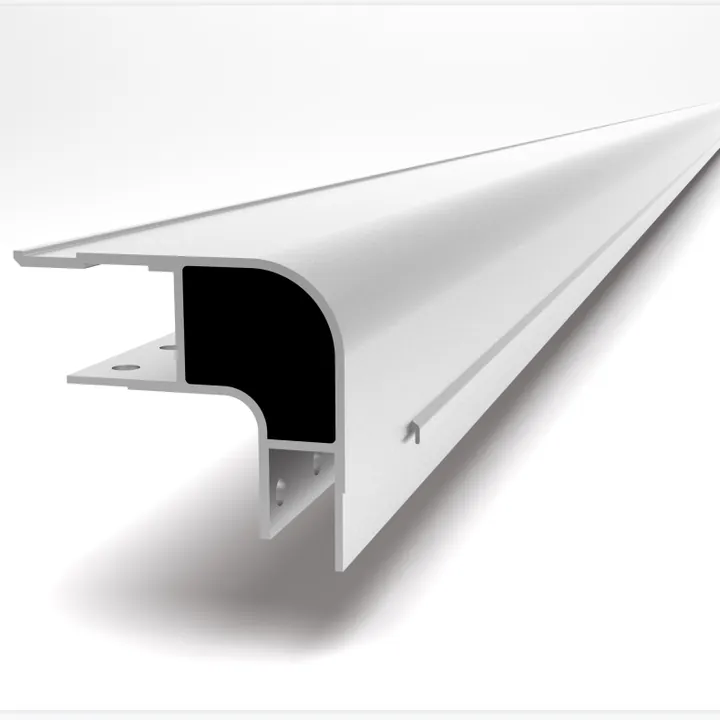
Key measurement methods
| Method | Units | Typical Use |
|---|---|---|
| Brinell | HB | General structural aluminum, large surfaces |
| Rockwell | HRB/HRC | Thin profiles, high-speed testing |
| Vickers | HV | Small areas or precision components |
Measurements are taken along the length and across cross-sections. Consistent force, indenter size, and dwell time are critical to avoid false readings. Surface condition matters: rough, anodized, or coated surfaces may need pre-polishing to ensure accurate measurements.
Sampling strategy
A representative sampling plan often involves testing 5-10 points per meter of extrusion, including edges and corners. Statistical analysis helps confirm uniformity. If a profile fails to meet hardness tolerance in even one section, the entire batch may be rejected or reprocessed.
Hardness is measured at multiple points along an aluminum extrusion profile to detect variations.True
Testing at multiple points ensures that hardness remains within tolerance across the profile.
Hardness of aluminum extrusions is measured only at one point per profile.False
Single-point testing cannot accurately reflect variation across a profile, so multiple measurements are required.
Can post-processing alter hardness consistency?
Post-processing, such as aging, heat treatment, or surface treatments, can significantly affect aluminum hardness. Properly applied, it can reduce variation and improve consistency.
Heat treatment like T6 aging strengthens the alloy uniformly, lowering hardness differences caused during extrusion.
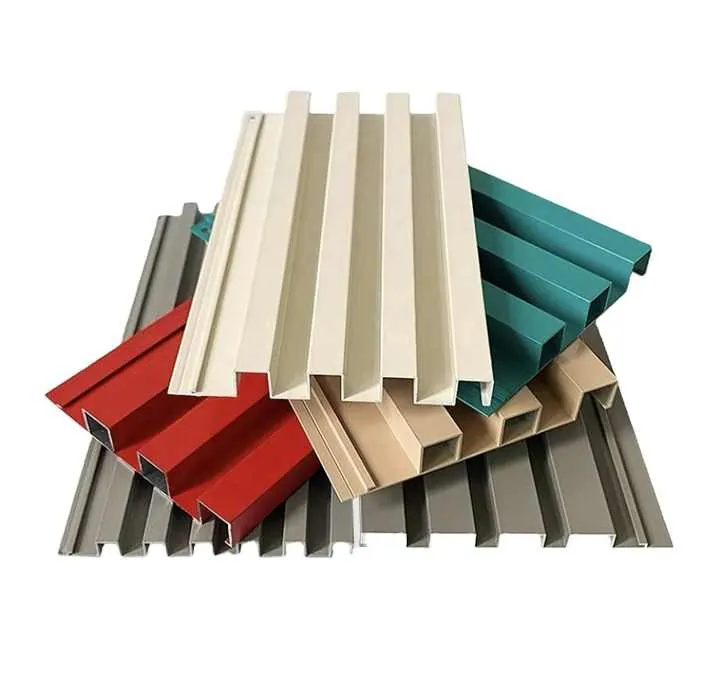
Effects of common post-processing
- Aging (T5/T6): Controlled heat exposure increases hardness uniformly across the profile. Profiles not aged properly may show soft spots.
- Surface treatments: Anodizing and coating usually do not affect core hardness but can slightly alter surface readings.
- Mechanical working: Stretching or straightening can increase hardness locally due to strain hardening.
Monitoring post-processing
A systematic approach ensures consistency. Temperature profiles, time, and quenching methods must be strictly controlled. Small deviations in post-processing can lead to uneven hardness. For example, uneven aging can leave corners softer than the middle, risking part performance. Quality checks after post-processing, including hardness testing and visual inspections, are essential for validating improvements. Manufacturers often combine process control charts with sampling to maintain consistent results and detect anomalies early.
Proper heat treatment can reduce hardness variation across an aluminum extrusion profile.True
Controlled aging treatments help minimize differences caused by extrusion cooling rates, improving uniformity.
Post-processing has no effect on aluminum extrusion hardness consistency.False
Heat treatments and mechanical working can significantly change hardness and reduce variation.
Are tolerance values standardized in certification?
Certification standards provide guidance on hardness tolerances, but they can vary by alloy, temper, and end-use. ISO and ASTM standards define general mechanical property requirements but often allow some flexibility.
Certified extrusions must meet both hardness and dimensional tolerances, verified through standardized testing methods.

Common standards
| Standard | Scope | Notes |
|---|---|---|
| ASTM B221 | Aluminum Extruded Bars, Rods, Shapes | Includes temper, hardness, and dimensional checks |
| ISO 6362 | Aluminum and Aluminum Alloys – Extruded Profiles | Provides hardness testing guidelines and acceptable ranges |
| EN 755 | Extruded Aluminum Products | Harmonized European standard for mechanical properties |
Certification ensures customers receive consistent, reliable material. Third-party verification often includes hardness mapping, chemical composition checks, and dimensional inspection. Companies producing high-precision parts rely on these certifications to guarantee that hardness variation will not compromise the final product. Some regions may require additional documentation, such as mill test reports (MTRs) or traceability certifications, especially for structural or aerospace applications.
Hardness tolerance values for aluminum extrusions are guided by ISO, ASTM, and EN standards.True
These standards define acceptable hardness ranges and testing methods to ensure material consistency.
Certification standards do not provide any guidance on hardness tolerances for aluminum extrusions.False
Standards like ASTM B221 and ISO 6362 include specific guidelines for hardness and mechanical properties.
Conclusion
Understanding aluminum extrusion hardness variation and its tolerance is crucial. Accurate measurement, controlled post-processing, and adherence to standards ensure consistent, high-quality profiles for all applications.