UPVC vs Aluminum Bi-Fold Doors: Which Is the Best Option for Your Home’s Style?
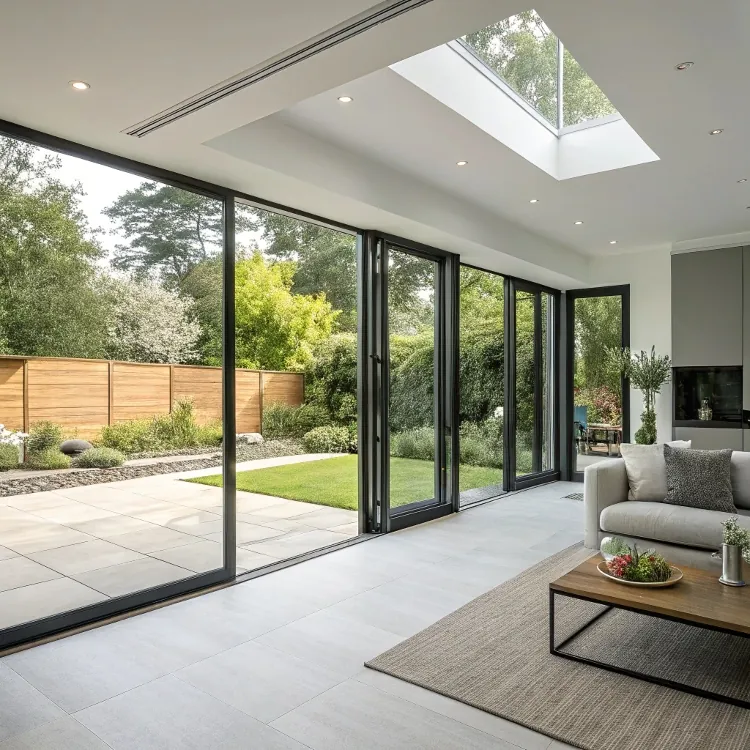
I used to think any bi-fold door would do the job—until I had to choose between UPVC and aluminum for my own renovation. The differences go beyond looks.
Aluminum bi-fold doors offer sleek style and strength, while UPVC options excel in affordability and insulation. Choosing the best depends on your home’s needs.
Let’s go deeper into each aspect so you can make a confident choice.
How does insulation performance differ between UPVC and aluminum bifold doors?
Energy bills pushed me to research better insulation. I learned bi-fold doors could be the biggest culprit if chosen poorly.
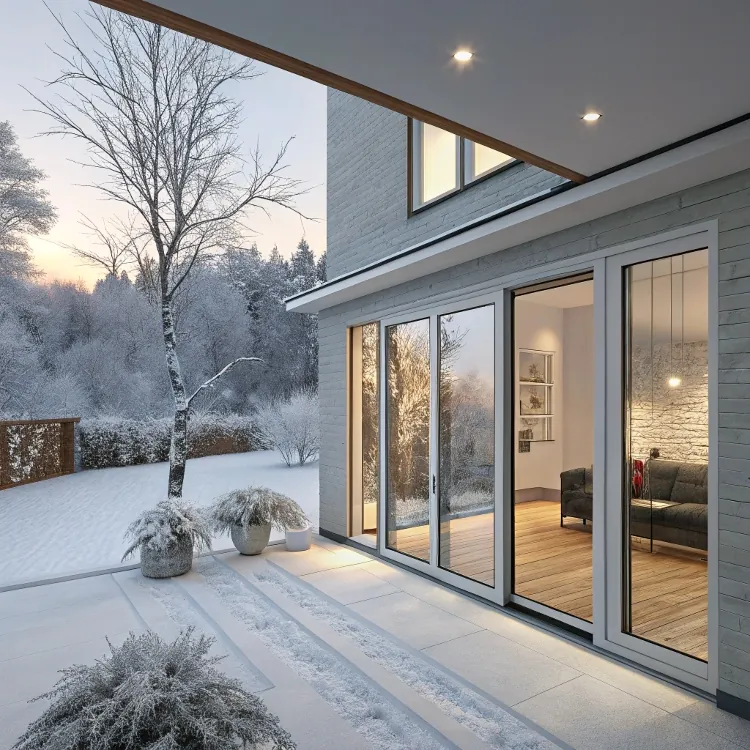
UPVC doors insulate better than aluminum, especially without thermal breaks. Their thicker profiles and non-conductive material reduce heat loss.
Thermal Performance
UPVC
- Naturally non-conductive
- High multi-chamber frame design traps air
- Great for cold climates
- Often achieves U-values below 1.4 W/m2K
Aluminum
- Conducts heat unless equipped with thermal breaks
- Slimmer frame reduces insulation layers
- Premium options with polyamide breaks can match UPVC efficiency
- U-values typically 1.4–1.8 W/m2K
| Feature | UPVC Bi-Folds | Aluminum Bi-Folds |
|---|---|---|
| U-Value (lower = better) | ~1.2–1.4 W/m2K | 1.4–1.8 W/m2K |
| Material Conductivity | Low | High unless treated |
| Best for Climate | Cold | Mild/Temperate |
| Frame Thickness | Thicker | Slim |
If insulation is your top concern, especially in colder areas, UPVC wins. Aluminum needs special upgrades to compete.
UPVC bi-fold doors naturally offer better insulation than standard aluminum ones.True
UPVC does not conduct heat and often includes multi-chamber profiles that enhance thermal performance.
Aluminum bi-fold doors always insulate better than UPVC ones.False
Unless equipped with thermal breaks, aluminum conducts heat and insulates less effectively than UPVC.
Can aluminum bifold doors support larger spans than UPVC?
I wanted to open up my living room to the garden. My installer said, “You’ll want aluminum if you want more glass.” Here’s why.
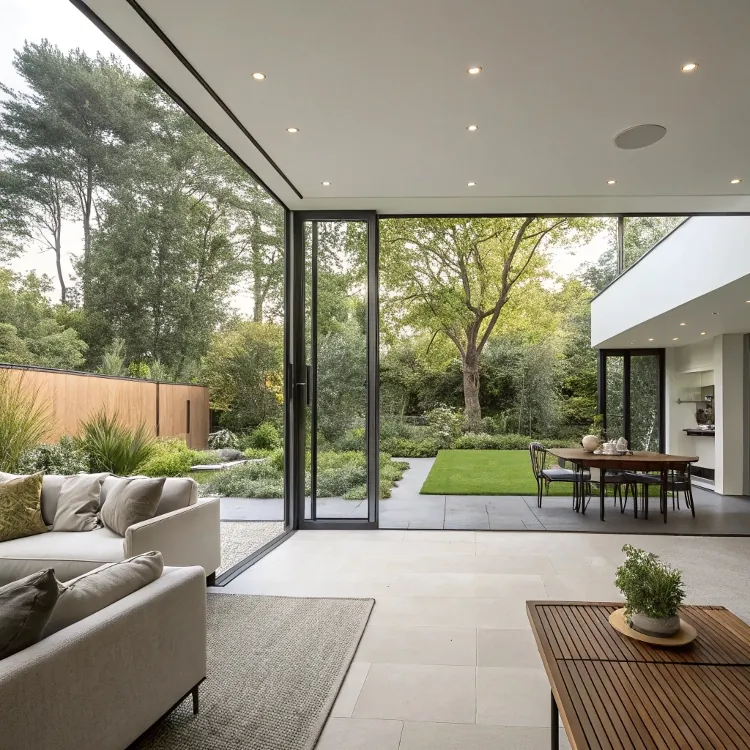
Aluminum bifold doors are stronger and better for wide spans. They support larger, heavier glass panels with minimal flex.
Structural Support
Aluminum
- High strength-to-weight ratio
- Allows large, uninterrupted panes
- Slim frames for a modern look
- Stable under stress
UPVC
- Weaker under load
- Limited to shorter spans and fewer panels
- Requires reinforcement for large openings
- Frames can flex or sag over time
| Factor | UPVC Doors | Aluminum Doors |
|---|---|---|
| Max Span Width | ~4–5 meters | 6–10+ meters |
| Frame Stability | Lower | High |
| Panel Size | Smaller | Larger |
| Slim Frame Look | No | Yes |
If you want a wall of glass or panoramic garden views, aluminum is the way to go.
Aluminum bi-fold doors can span wider openings than UPVC without sagging.True
Aluminum has greater structural integrity and supports wider installations with slimmer frames.
UPVC doors are ideal for very wide bi-fold configurations without additional support.False
UPVC lacks the rigidity needed for large spans and often requires reinforcement.
Which bifold door style offers better security?
When I moved into a new house, I didn’t think much about door security—until a neighbor had a break-in. That’s when I started comparing locking systems.
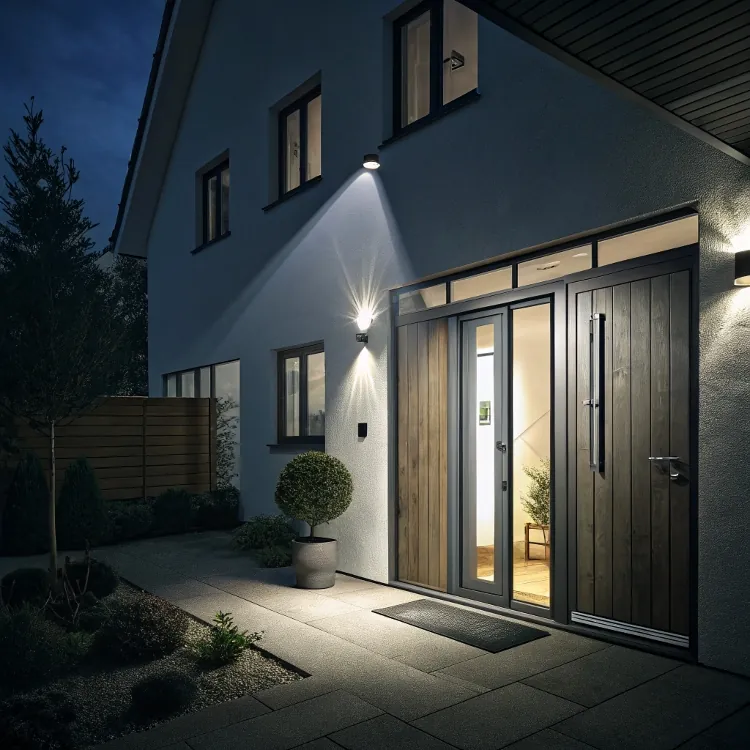
Aluminum bifold doors tend to offer stronger locks, robust frames, and more secure fittings compared to most UPVC models.
Locking and Frame Security
Aluminum
- Multi-point locking systems as standard
- Stronger frames resist forced entry
- Better resistance to warping (which can affect lock fit)
UPVC
- Also available with multi-point locks
- Weaker frame structure may flex over time
- Can become misaligned with heat or pressure
| Security Feature | UPVC Doors | Aluminum Doors |
|---|---|---|
| Locking System | Often included | Always multi-point |
| Frame Rigidity | Moderate | High |
| Resistance to Warping | Lower | Excellent |
| Home Insurance Rating | Standard | Often Premium |
Security-conscious homeowners prefer aluminum, especially for ground-level installations.
Aluminum bi-fold doors typically offer better frame strength and security systems than UPVC.True
Aluminum's structure and multi-point locking offer superior resistance to break-ins.
UPVC frames never flex or misalign around the locks.False
UPVC can flex in heat or under pressure, affecting lock alignment and security.
Are UPVC bifold doors more affordable than aluminum ones?
Price often decides everything. When I renovated on a budget, I first chose UPVC. The cost savings were real—and immediate.
UPVC bifold doors are more affordable upfront, usually 20–30% cheaper than aluminum for similar specs.
Pricing Breakdown
UPVC
- Budget-friendly
- Great for rental properties or starter homes
- Limited color and finish choices
Aluminum
- Higher upfront cost
- Long-term savings in lower maintenance
- Available in custom RAL colors and powder coats
| Cost Factor | UPVC Bi-Folds | Aluminum Bi-Folds |
|---|---|---|
| Purchase Price | Lower (~$500–$900/panel) | Higher (~$900–$1500/panel) |
| Maintenance Cost | Low | Moderate |
| Lifespan | ~15–20 years | 25+ years |
| Customization Options | Limited | Wide Range |
If budget is tight and thermal efficiency matters more than style, UPVC is a smart pick. Aluminum is a premium option for design and longevity.
UPVC bi-fold doors cost significantly less than aluminum ones.True
UPVC is cheaper to produce and install, making it a cost-effective alternative.
Aluminum doors are usually the cheapest bi-fold option on the market.False
Aluminum doors tend to be more expensive due to material and finish quality.
Conclusion
Here’s a quick summary comparing UPVC and aluminum bifold doors:
| Feature | UPVC Bi-Fold Doors | Aluminum Bi-Fold Doors |
|---|---|---|
| Insulation | Excellent | Good with thermal breaks |
| Span Size | Limited | Very Large |
| Security | Standard | Strong |
| Price | Lower | Higher |
| Appearance | Basic | Sleek and modern |
| Maintenance | Low | Moderate |
| Lifespan | 15–20 years | 25–30 years |
Choose UPVC if you need a low-cost, energy-efficient option for smaller openings. Go with aluminum if you want a long-lasting, secure, and stylish solution with maximum light and space.
Think about your long-term needs, budget, and design goals—and you’ll make the right call.