


How to Detect Clogging in Liquid Cooling Plates?
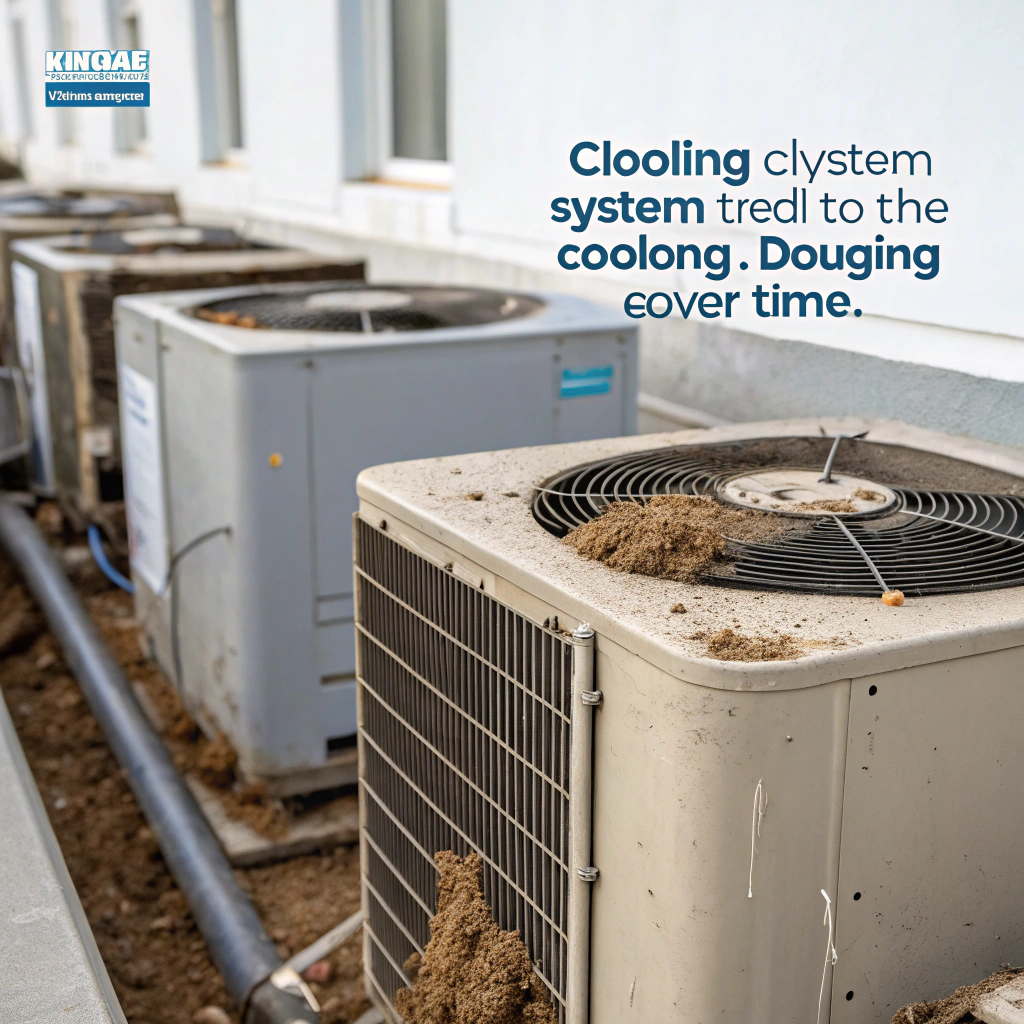
Have you ever wondered why your cooling system is losing efficiency over time? Clogging could be the culprit, and detecting it early is crucial for maintaining optimal performance.
Clogging in liquid cooling plates occurs when debris or material blocks coolant flow, leading to reduced heat transfer efficiency. Detecting it early helps prevent system failure and ensures optimal cooling performance.
Understanding how clogging occurs and why it’s important to detect it can help prevent costly repairs and downtime in critical systems. Let’s explore the causes and solutions for clogging in liquid cooling systems.
What is Clogging in Cooling Systems?
Clogging in cooling systems refers to the obstruction of coolant flow within the cooling channels of the system. This can be caused by various factors, such as particulate matter, mineral buildup, or biological growth.
Clogging occurs when debris or contaminants accumulate in the narrow channels of the cooling plate, restricting the flow of coolant and reducing the system’s ability to transfer heat effectively.
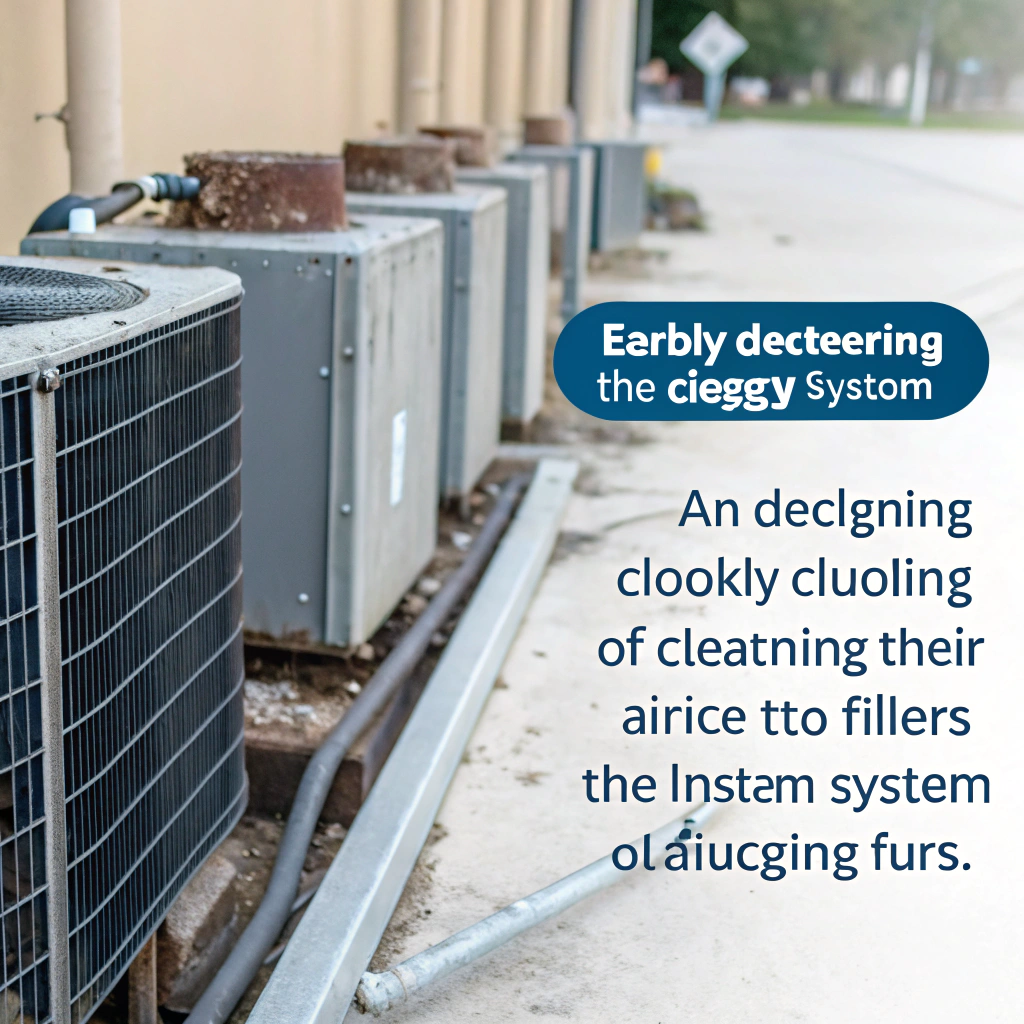
Over time, small particles from the environment or system components can enter the cooling system. These particles may stick to the walls of the cooling channels or combine with other materials like minerals from hard water, creating blockages. In addition to physical debris, microorganisms like algae or bacteria can grow in stagnant water, further contributing to clogging.
As the blockage increases, the coolant can no longer circulate efficiently, which leads to overheating, reduced performance, and potential damage to the cooling system. In some cases, complete blockages can even cause a failure of the entire system.
Key Takeaways:
- Clogging occurs when debris, minerals, or biological matter obstructs the flow of coolant.
- Blockages reduce heat transfer efficiency and can lead to system failure.
- Early detection of clogging is essential to prevent damage and maintain system efficiency.
Common Causes of Clogging in Cooling Systems
| Cause | Description | Impact on Cooling System |
|---|---|---|
| Particulate Matter | Dust, dirt, or debris entering the system | Blocks coolant flow, reduces heat transfer |
| Mineral Buildup | Calcium and magnesium from hard water | Forms scale, restricting flow and causing inefficiency |
| Biological Growth | Algae, bacteria, or fungi growing in stagnant water | Contributes to slime buildup and further blockages |
Clogging is usually caused by a single factor.False
Clogging can occur due to a combination of particulate matter, mineral buildup, and biological growth, which collectively reduce cooling efficiency.
Why is Clog Detection Important?
Detecting clogs early is critical to prevent long-term damage to the system and avoid costly repairs. Clogging can cause cooling plates to lose efficiency, leading to overheating, component damage, or even system failure.
By detecting clogs early, you can reduce downtime, save on maintenance costs, and extend the life of the cooling system.

A well-maintained cooling system relies on consistent coolant flow to prevent heat buildup. When clogs occur, the coolant cannot circulate properly, causing localized hotspots and increasing the temperature in certain areas. This heat buildup can damage sensitive components, reducing their lifespan and performance.
If the clogging is not detected in time, the blockage can worsen, eventually leading to complete system failure. For industries relying on high-performance cooling, such as electronics, automotive, or industrial manufacturing, the costs of downtime and repairs can be substantial.
Early detection allows for proactive maintenance, which is far less expensive than emergency repairs or replacing entire cooling systems.
Key Takeaways:
- Early clog detection helps prevent overheating and damage to sensitive components.
- Proactive detection and maintenance reduce repair costs and downtime.
- Regular monitoring ensures the cooling system remains efficient and operational.
Consequences of Ignoring Clogs in Cooling Systems
| Consequence | Description | Impact on the System |
|---|---|---|
| Overheating | Clogs restrict coolant flow, causing heat buildup | Can damage components, leading to system failure |
| Reduced Efficiency | Blockages hinder heat transfer | Results in poor performance and higher energy consumption |
| Increased Maintenance Costs | Delayed detection leads to costly repairs or system replacement | Increases operational costs and downtime |
Clogging can only be detected when it’s too late.False
Clogs can be detected early with proper monitoring, preventing catastrophic damage and costly repairs.
How to Monitor and Clean Blockages?
Regular monitoring and cleaning are key to ensuring that liquid cooling systems remain free of clogs. To keep things running smoothly, here are a few essential steps for detecting and cleaning blockages.
The first step is consistent monitoring using sensors and manual checks. Once a clog is detected, cleaning involves flushing the system and using descaling agents to remove mineral buildup.
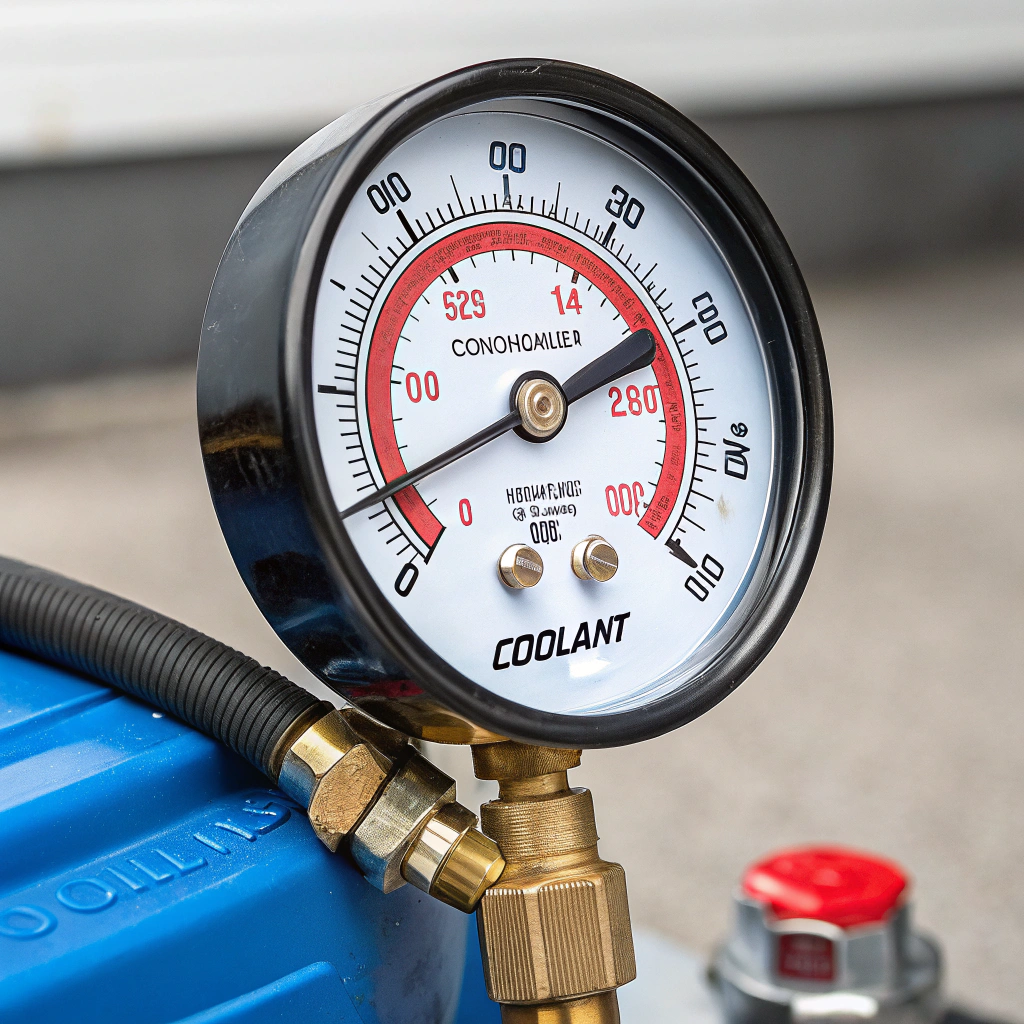
Monitoring Techniques for Clogs
-
Pressure Sensors:
- Pressure sensors can detect variations in coolant pressure, indicating potential blockages. If the pressure reading deviates from the normal range, it could mean that coolant is having difficulty flowing through the system, suggesting a clog.
-
Flow Meters:
- Flow meters measure the volume of coolant passing through the system. A significant drop in flow rate may indicate that a clog is forming or has already occurred.
-
Thermal Sensors:
- Monitoring temperature gradients in the system can help identify hot spots caused by poor coolant flow. If certain areas of the cooling plate are consistently hotter than others, it might indicate that a blockage is preventing efficient heat dissipation.
Once a clog is detected, cleaning methods depend on the type and severity of the blockage. For minor clogs, flushing the system with water or a cleaning solution may be enough to dislodge debris. In cases of mineral scaling, descaling agents may be required to break down the build-up.
Pro Tips for Monitoring and Cleaning:
- Install pressure sensors and flow meters to keep track of the system’s performance.
- Flush the system regularly to prevent debris buildup.
- Use descaling agents periodically to remove mineral deposits and keep channels clear.
Effective Cleaning Methods for Cooling Systems
| Cleaning Method | Description | When to Use |
|---|---|---|
| Flushing | Running water or cleaning solution through the system to remove debris | For general debris or mild clogs |
| Descaling Agents | Chemical solutions that dissolve mineral deposits | When dealing with calcium or mineral buildup |
| Biocides | Chemicals that kill microorganisms like algae and bacteria | For biological growth in the system |
Clogs can be removed easily without any special equipment.False
While some clogs can be removed with simple flushing, more severe blockages may require specialized cleaning solutions or even system disassembly.
What Sensors Detect Flow Restrictions?
The use of sensors is essential for early detection of flow restrictions in liquid cooling systems. There are several types of sensors that can help monitor the flow of coolant and detect the onset of blockages.
Pressure sensors, flow meters, and thermal sensors are some of the most effective tools for identifying restrictions in coolant flow.
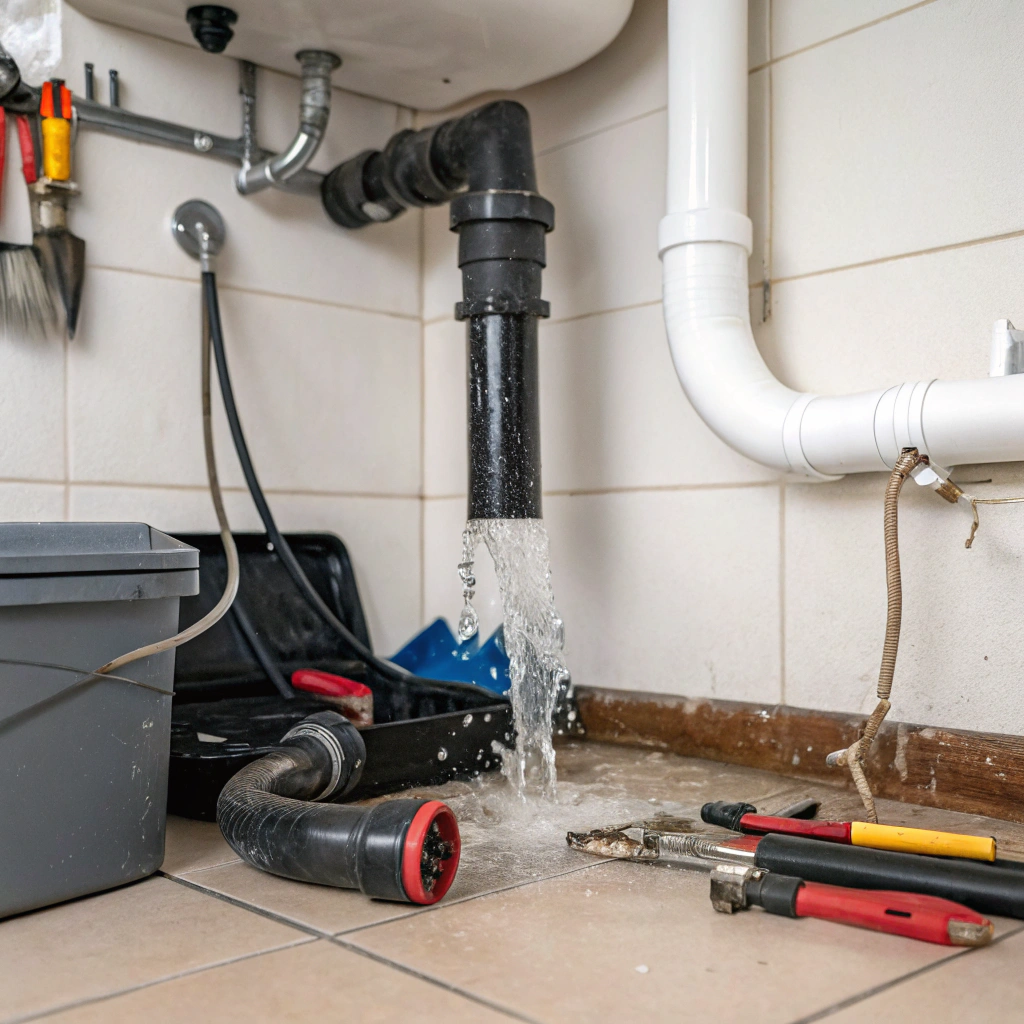
-
Pressure Sensors:
- These sensors measure the pressure within the cooling system. A drop in pressure can indicate that the coolant is having difficulty passing through certain parts of the system, which could be a sign of clogging.
-
Flow Meters:
- By continuously monitoring the flow rate, flow meters can detect any deviations from the expected rate. A significant decrease in flow rate is one of the earliest signs of a clog.
-
Thermal Sensors:
- These sensors detect temperature changes in the system. If certain areas of the system are hotter than others, it could indicate poor coolant flow due to a blockage.
Combining these sensors gives you a comprehensive understanding of the cooling system’s health, allowing for early intervention before clogs can cause serious damage.
Key Takeaways:
- Pressure, flow, and thermal sensors are essential for detecting flow restrictions.
- These sensors help prevent system failure by providing early warnings of potential clogs.
- Regular monitoring with these sensors ensures optimal cooling performance.
Conclusion
Clogging in liquid cooling systems can lead to significant performance issues if not detected early. By using the right sensors, regular maintenance, and cleaning techniques, you can ensure that your system remains efficient and reliable for longer periods.


