


Must Know Types Of Aluminum Door Frame Profile?
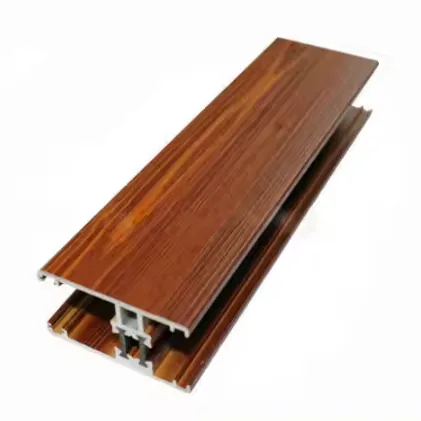
Problem: You want the right door frame but feel lost with profile options.
Solution: I will explain the types, materials, finishes, and how to choose easily.
Here I answer the question: common aluminum door frame profiles include 45-degree mitred, butt-jointed, tubular and structural profiles, each with unique benefits for strength, appearance, and installation.
Now you will know the full picture and make a smart choice.
What are the most common aluminum door frame profiles?
Problem: Selecting the right type feels confusing with terms like “butt-joint” and “tubular.”
Answer: Butt-joint and mitred profiles suit standard doors. Tubular and structural profiles are for heavy or wide doors.
I will explain the differences clearly and simply.
Dive deeper
I have used many profiles in real projects, and I still choose based on door size, weight, and design goal.
Butt-joint profile (standard)
This is the simplest profile. It has straight cuts joined by screws or brackets. It is quick to assemble. It fits common single doors. It is budget?friendly. The frame looks neat enough. But it may not hide gaps as well as other styles.
Mitred 45?degree profile (premium)
The joints are cut at 45 degrees to make a clean corner. It looks sleek and seamless. This is a good choice for high?end designs. It takes more effort to cut and join. It costs more but offers better finish quality.
Tubular (box) profile
This profile wraps around the door edge. It is like a box that hides the door edge completely. It is strong. It works well for doors that open outward or inward. It also works for larger doors like double doors. It takes longer to install.
Structural (heavy) profile
This type is thick and wide. It supports heavy, wide or tall doors. It can hold glass or wood panels. It is used for main entrance doors or commercial doors. It is also used when building codes require stronger frames.
| Profile type | Best for | Strength level | Visual finish |
|---|---|---|---|
| Butt-joint | Standard single doors | Medium | Simple |
| Mitred 45-degree | Upscale interior/exterior doors | Medium-high | Seamless |
| Tubular (box) | Heavy doors, double doors | High | Enclosed frame |
| Structural (heavy) | Commercial, large glass or wood doors | Very high | Industrial |
My advice
- For cost-effective, simple installs: choose butt-joint.
- For aesthetics: pick mitred 45°.
- For heavy or larger doors: go tubular or structural.
- For commercial or safety needs: always structural.
Mitred 45-degree profiles look more seamless than butt-joint frames.True
Mitred joints create clean corner lines without visible bracket joins, giving a seamless look compared to butt-joint styles.
Butt-joint profiles are stronger than structural profiles.False
Structural profiles are designed for much higher strength loads and are always stronger than simple butt-joint frames.
How do profile materials affect door performance?
Problem: Not all aluminum door frame materials work the same.
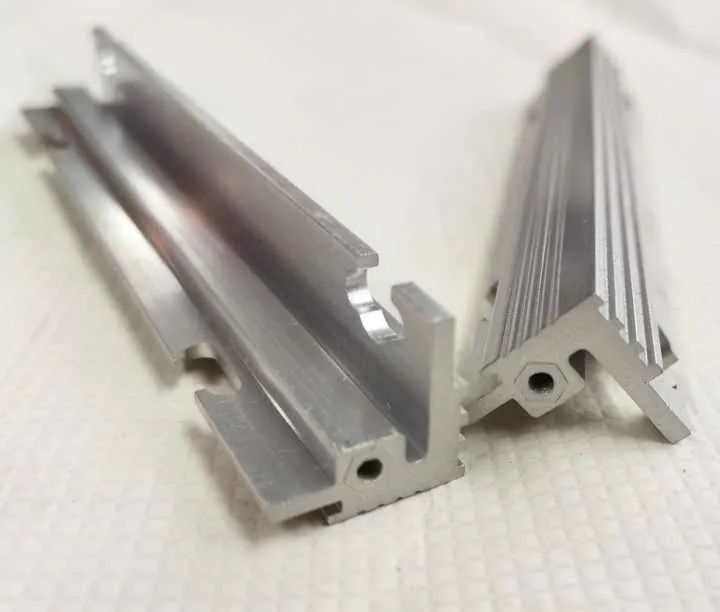
Answer: Alloy grade, thickness, and manufacturing method affect strength, durability, insulation, and cost.
I will show how each aspect matters and what to look for.
Dive deeper
I recall a building where the installer used a low?grade alloy and thin walls. It looked fine at first, but after a year the frames warped and rattled in wind. That taught me: check material specs closely.
Alloy grade (6063?T5 vs 6061?T6)
- 6063?T5 is the most common. It is good for general frames. It is easy to extrude and shape. It is not as strong as 6061.
- 6061?T6 is stronger and harder. It costs more and is used in heavy-duty or structural frames.
Wall thickness and reinforcement
Frame walls come in standard 1.2?mm or thicker 2.5?mm+. Thicker walls mean more strength and resistance to deformation. Reinforcements—like steel inserts or polyamide thermal breaks—add rigidity and insulation.
Extrusion quality and tolerance
High-precision extrusion avoids warps or gaps. Tighter tolerances mean better fitment of glass or doors. Lower quality can lead to misalignment or coating issues.
Thermal insulation and condensation
Thermal break frames add plastic layers between inside and outside aluminum. This limits conductivity and helps energy efficiency. It also reduces condensation on cold days.
| Feature | Effect | Notes |
|---|---|---|
| Alloy (6063 vs 6061) | Strength and durability | 6061 is stronger but costlier |
| Wall thickness | Rigidity, deflection resistance | Thicker walls resist bending better |
| Reinforcement | Load capacity, insulation | Steel inserts or plastic breaks help |
| Extrusion precision | Fit, finish, installation ease | Tight tolerances reduce gaps |
| Thermal break | Energy efficiency, comfort | Helps reduce heat transfer |
My takeaway
- Use 6063 for most doors.
- Use 6061 for heavy or safety doors.
- Ask for thickness and reinforcement if needed.
- Always choose thermal break if energy efficiency matters.
Aluminum profiles with thermal breaks reduce energy loss.True
Thermal breaks prevent direct metal contact between interior and exterior sides, cutting down heat transfer.
6061?T6 alloy is weaker than 6063?T5 for door frames.False
6061?T6 has higher strength and hardness than 6063?T5, making it better suited for structural use.
What finishes are available for door frame profiles?
Problem: Frames come in different finishes, and each has pros and cons.
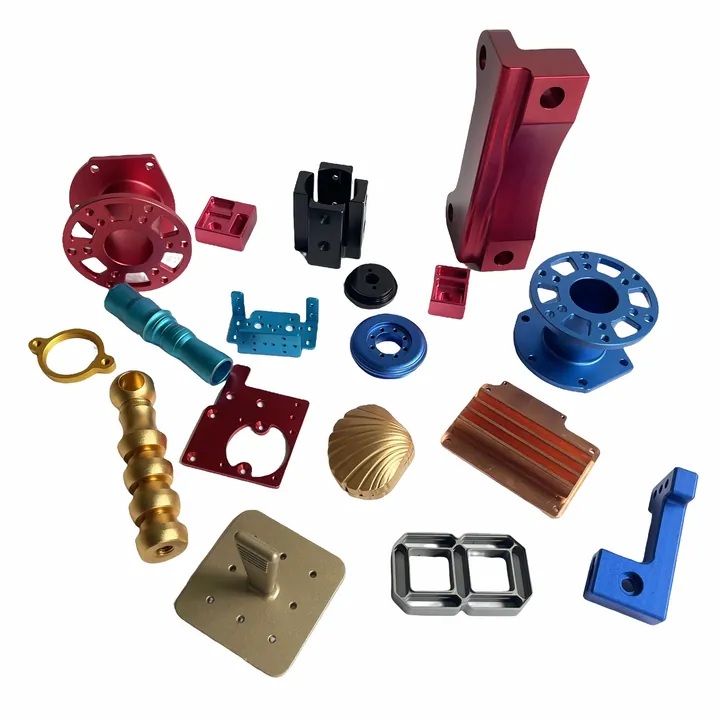
Answer: Common finishes include anodizing, powder coating, woodgrain, and custom paint. They affect durability, aesthetics, and maintenance.
I will explain each finish simply and help you match them to your needs.
Dive deeper
Once I worked on a hotel project where the owner insisted on woodgrain finish. The result looked great, but poor quality coating cracked in sun. I learned to always check coating warranties and apply proper surface prep.
Anodized finish
Anodizing grows oxide layer on aluminum surface. It hardens and resists scratches and corrosion. It lasts long. It has limited colors: silver, champagne, bronze, black. It may fade over decades in harsh sunlight.
Powder coating
Powder?coat sprays dry powder and bakes it on. It supports many colors and textures. It gives good corrosion resistance with right prep. Quality depends on pre-treatment and thickness (usually 60–120?microns). Make sure factory standards are met.
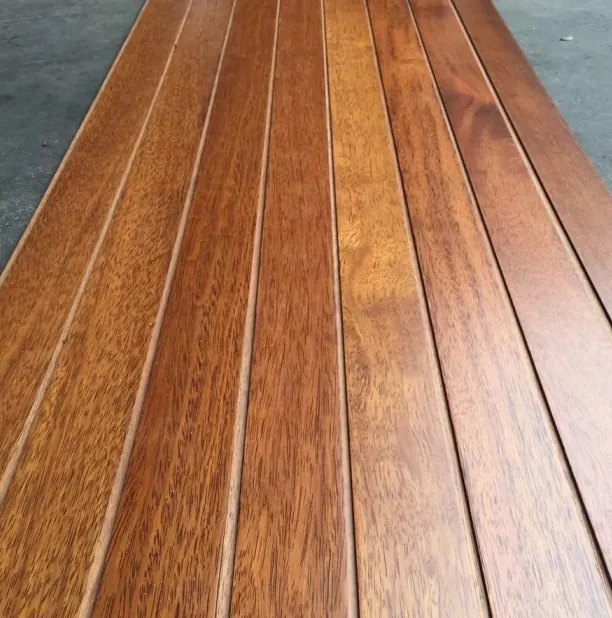
Wood grain transfer
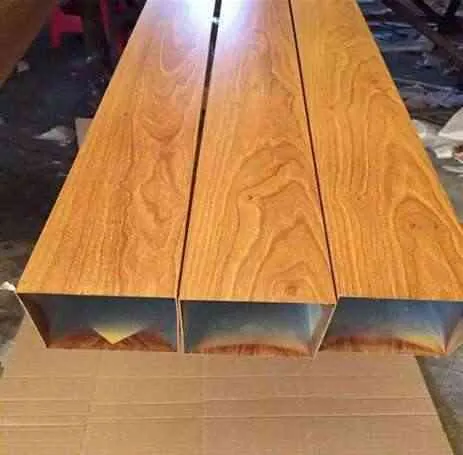
This uses film pressed onto powder coated frame. It gives wood look without wood issues. Choose UV?resistant coatings to prevent peeling or fade. Ideal for natural aesthetics in cold or wet areas.
Custom paint
Wet paint allows any color. But it needs skilled spraying and proper masking. Durability is lower than powder coat. Use only for special cases. It often needs more maintenance.
| Finish type | Durability | Color options | Maintenance |
|---|---|---|---|
| Anodized | Very high | Limited (metal tones) | Low |
| Powder coating | High | Wide | Moderate |
| Wood grain transfer | Medium-high | Wood styles | Moderate to high |
| Custom paint | Medium | Unlimited | Higher |
My advice
- For low maintenance: anodized is best.
- For color variety: powder coated.
- For natural wood look: wood grain foil.
- For unique colors: custom paint, but expect upkeep.
Powder coating offers more color options than anodizing.True
Powder coating process allows wide color range, while anodizing is limited to natural metal tones.
Anodized finish peels like paint.False
Anodizing is a surface oxidation layer that does not peel; instead, it gradually wears over long time.
How to choose the right profile for your project?
Problem: After options, how do I pick the right profile?
Answer: Start with door type, usage, environment, budget, style, and maintenance. Then match with profile type, material, finish, and supplier support.
I’ll walk you step?by?step like I do for clients.
Dive deeper
I use a checklist in my work. It helps every detail from specs to logistics. I share it here to make your process clearer.
Step 1: Determine door type and usage
- Is it interior or exterior?
- How often does it open?
- Is it heavy, glass, wood, or metal?
- Is it single or double door?
Step 2: Environmental factors
- Is it coastal, rainy, windy, or hot?
- Do you need insulated frame?
- Are there design guidelines or code?
Step 3: Timeline and budget
- Do you need economy or long?term value?
- How quickly do you need delivery?
Step 4: Aesthetic goals
- Minimalist or ornate?
- Metal tones, colors, wood look?
- Prefab unit or custom millwork?
Step 5: Material and finish match
- Standard use → butt?joint + 6063 + powder coat.
- High-end aesthetic → mitred + 6063 + anodized.
- Heavy door → structural + 6061 + powder coat.
- Energy efficient or climate → thermal break + powder coat or anodized.
Step 6: Ask supplier quality questions
| Question | Reason |
|---|---|
| What is the alloy and temper? | Alloy 6061 or 6063 affects strength |
| What is wall thickness? | More durability for heavy use |
| Is extrusion tolerance tight? | Ensures straight frames |
| What finish process and warranty? | It affects life and look |
| Do you offer thermal break? | Helps energy efficiency |
| Can you provide drawings and samples? | Ensures accuracy and quality |
Step 7: Installation and delivery
Verify if frames are shipped assembled or in pieces. Pre-drill holes help install faster. Make sure transporter knows fragile parts like glass stops.
My checklist summary
- List door type, weight, frequency
- Set environment and insulation needs
- Define style and colors
- Choose profile type + alloy + finish
- Confirm supplier quality and warranties
- Plan for transport and on-site handling
This step?by?step method ensures you get the right frame every time.
Structural profiles are essential for commercial and heavy doors.True
Commercial and heavy doors demand higher load capacity that only structural profiles can reliably provide.
Butt?joint frames are best for high?rise curtain walls.False
Butt?joint frames lack the strength and alignment control needed for tall, glazed curtain wall systems.
Conclusion
You now know the types, material touches, finish choices, and steps to pick the right aluminum door frame. Use the matrix and checklist to plan smart. Good frames last longer and look better. Choose well and save time and stress.


