Why Does Coolant Choice Affect System Reliability?
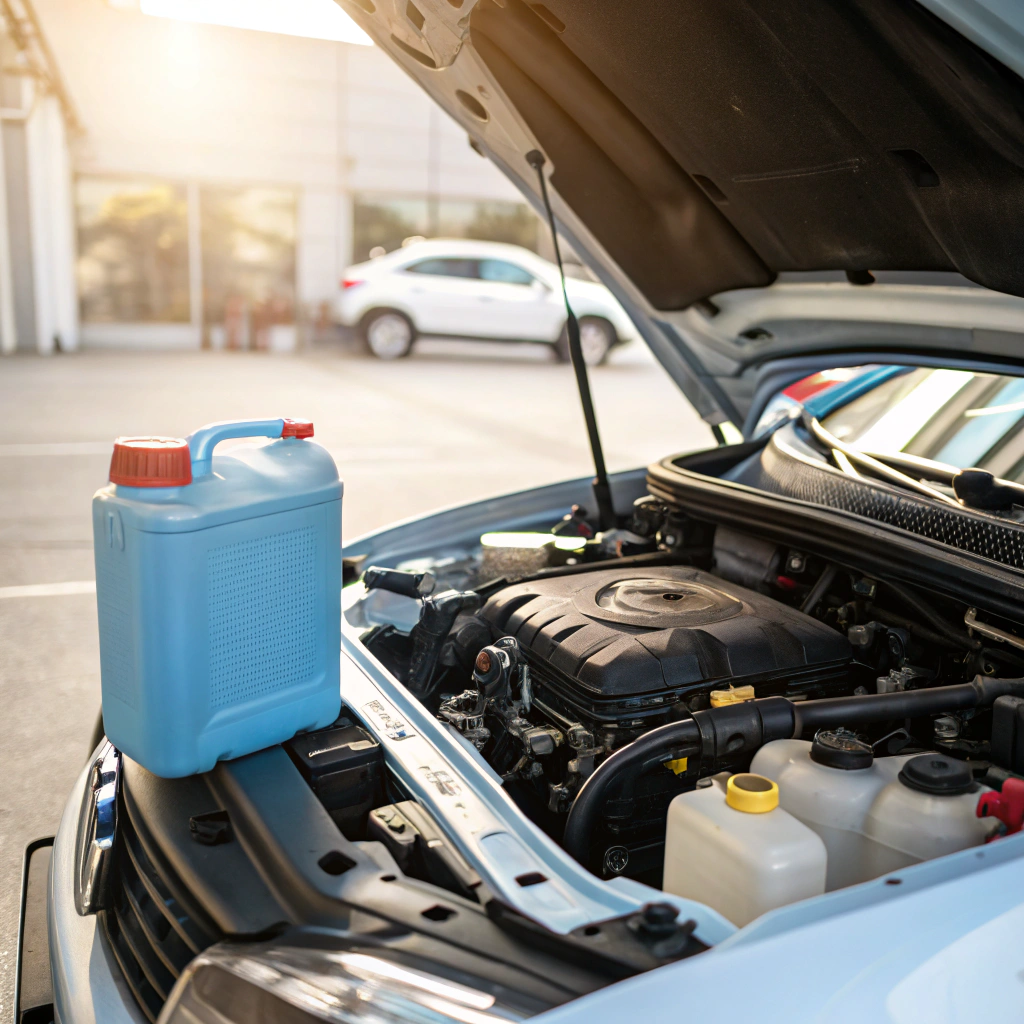
Choosing the right coolant can be the difference between smooth operation and costly breakdowns. But how exactly does your coolant impact system reliability?
The coolant you choose for your engine or system significantly influences its reliability. The right coolant ensures efficient heat transfer, prevents corrosion, and enhances the system’s longevity.
Understanding why coolant choice matters will help you make the right decision and prevent costly failures in the long run.
Why Does Coolant Type Matter for System Longevity?
Coolant is more than just a liquid that keeps engines from overheating. The type of coolant you use can either protect or damage your system.
Coolant type impacts engine performance by preventing issues like corrosion, cavitation, and heat dissipation problems. Choosing the wrong coolant can lead to severe system failure.
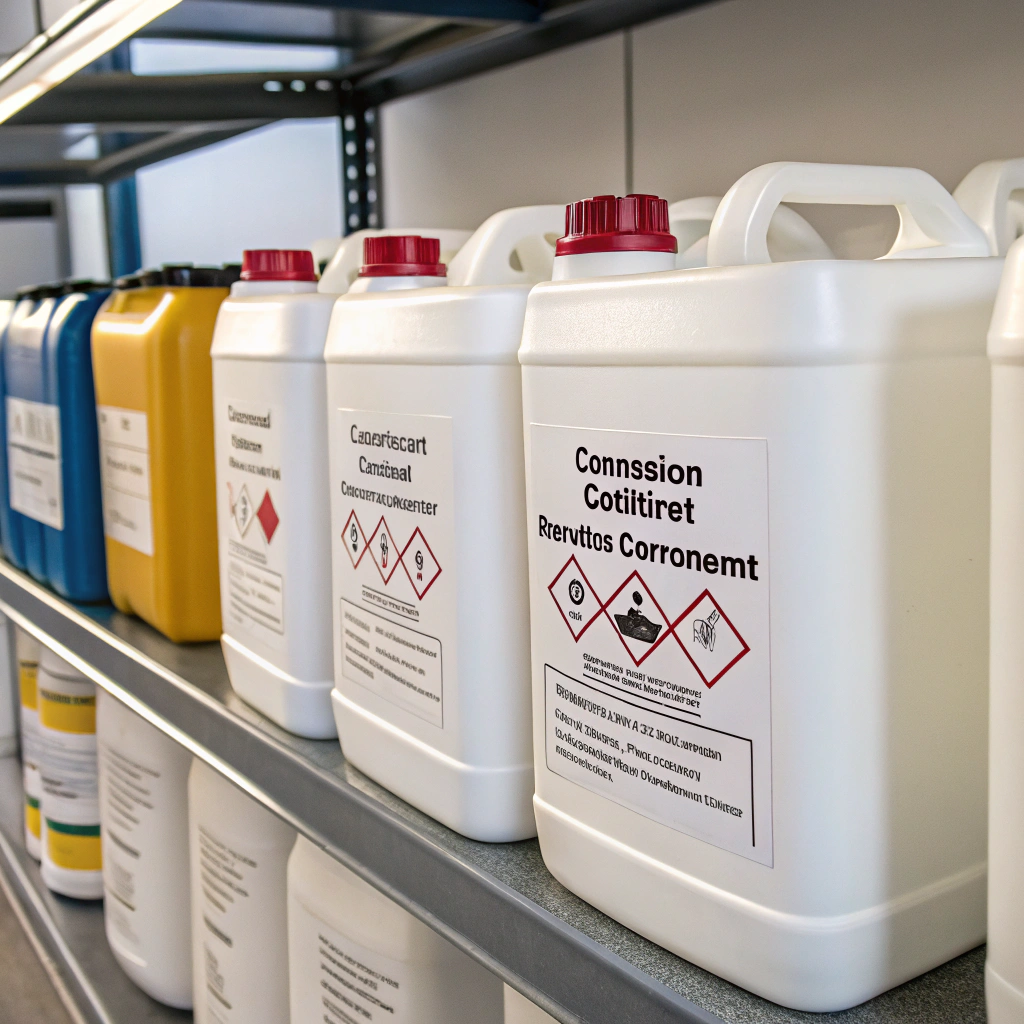
When it comes to coolant, the specific type you choose matters a great deal. For starters, some coolants provide better protection against corrosion. For instance, Organic Acid Technology (OAT) coolants are generally designed to last longer and resist corrosion better than traditional Inorganic Acid Technology (IAT) coolants. If you use the wrong type, the engine or cooling system may become vulnerable to rust and wear, which can cause significant damage over time.
Coolants also differ in their ability to handle extreme temperatures. For example, antifreeze, typically used in cars, has a lower freezing point and a higher boiling point compared to water, ensuring that the coolant remains in liquid form under both high and low temperatures. This is crucial because when coolant freezes or evaporates, your engine or cooling system can overheat or seize, causing costly repairs.
Another key difference lies in the additives used in different coolant types. Some coolants have corrosion inhibitors, while others may include surfactants to reduce cavitation and improve heat transfer. Some modern coolants even incorporate nanotechnology to enhance thermal conductivity, allowing for more efficient heat dissipation and reducing the strain on the cooling system.
Table 1: Comparison of Coolant Types
| Coolant Type | Advantages | Disadvantages |
|---|---|---|
| Ethylene Glycol | Widely available, effective antifreeze | Toxic, less effective in high heat |
| Propylene Glycol | Less toxic, safe for the environment | Higher boiling point, not as effective |
| OAT | Long-lasting, corrosion resistance | Limited temperature range |
| HOAT | Combines benefits of IAT and OAT | More expensive |
By understanding the properties of these coolants, you can choose one that best suits your system’s needs, minimizing the risk of failures and extending its lifespan.
OAT coolants are better for long-term protection than IAT coolants.True
OAT coolants use organic acids that resist corrosion longer than IAT coolants.
Propylene glycol is the most effective coolant in extremely high-temperature environments.False
While propylene glycol is safer, it doesn’t perform as well in very high temperatures compared to ethylene glycol.
How Does Coolant Chemistry Impact System Performance?
Coolant chemistry plays a crucial role in the effectiveness of a cooling system. But how does it actually impact your engine or equipment?
The chemical properties of coolant, such as pH levels, corrosion inhibitors, and additives, all directly impact the system’s performance and longevity. Choosing a coolant with the right chemistry prevents system failures.
Coolant chemistry is the foundation of its performance. Most coolants are formulated with a balance of water, antifreeze, and various chemicals designed to prevent corrosion, scale buildup, and other issues. For instance, one of the most critical factors is the pH level of the coolant. A coolant with a stable pH prevents it from becoming too acidic or too alkaline, which could lead to corrosion of the system’s metal components.
Furthermore, the presence of corrosion inhibitors is essential for preventing rust and corrosion in cooling systems. These inhibitors form a protective layer on metal surfaces, such as aluminum and steel, preventing damage caused by the coolant’s chemical properties. Without these inhibitors, the system can suffer from rapid wear, leading to leaks, reduced performance, and costly repairs.
In addition to corrosion inhibitors, modern coolants often contain surfactants, which help reduce cavitation—a phenomenon where vapor bubbles form and collapse within the pump, causing damage. Surfactants also enhance the coolant’s ability to carry heat away from engine components, ensuring better heat transfer and preventing overheating.
Table 2: Coolant Chemistry Components
| Chemical Component | Purpose | Effect on Performance |
|---|---|---|
| Corrosion Inhibitors | Prevents rust and corrosion | Protects metal parts from degradation |
| Surfactants | Reduces cavitation, improves heat transfer | Enhances cooling efficiency |
| pH Stabilizers | Maintains neutral pH balance | Prevents chemical degradation of coolant |
By carefully considering the coolant’s chemistry, you can ensure that your system runs smoothly for years. It’s not just about keeping things cool; it’s about ensuring long-term performance.
Corrosion inhibitors in coolants are essential for engine longevity.True
These inhibitors protect metal components from rust and damage, extending the life of the engine.
Coolants with higher pH are better for engine cooling.False
Coolants with extremely high or low pH can cause damage to the engine. A balanced pH is most beneficial.
How to Choose the Right Coolant for Longevity?
The right coolant doesn’t just prevent immediate overheating—it can extend the lifespan of your system. So, what should you look for when choosing a coolant?
To choose the right coolant, you need to consider the temperature range, additives, and the materials used in your system. A well-chosen coolant will improve efficiency and extend the system’s life.
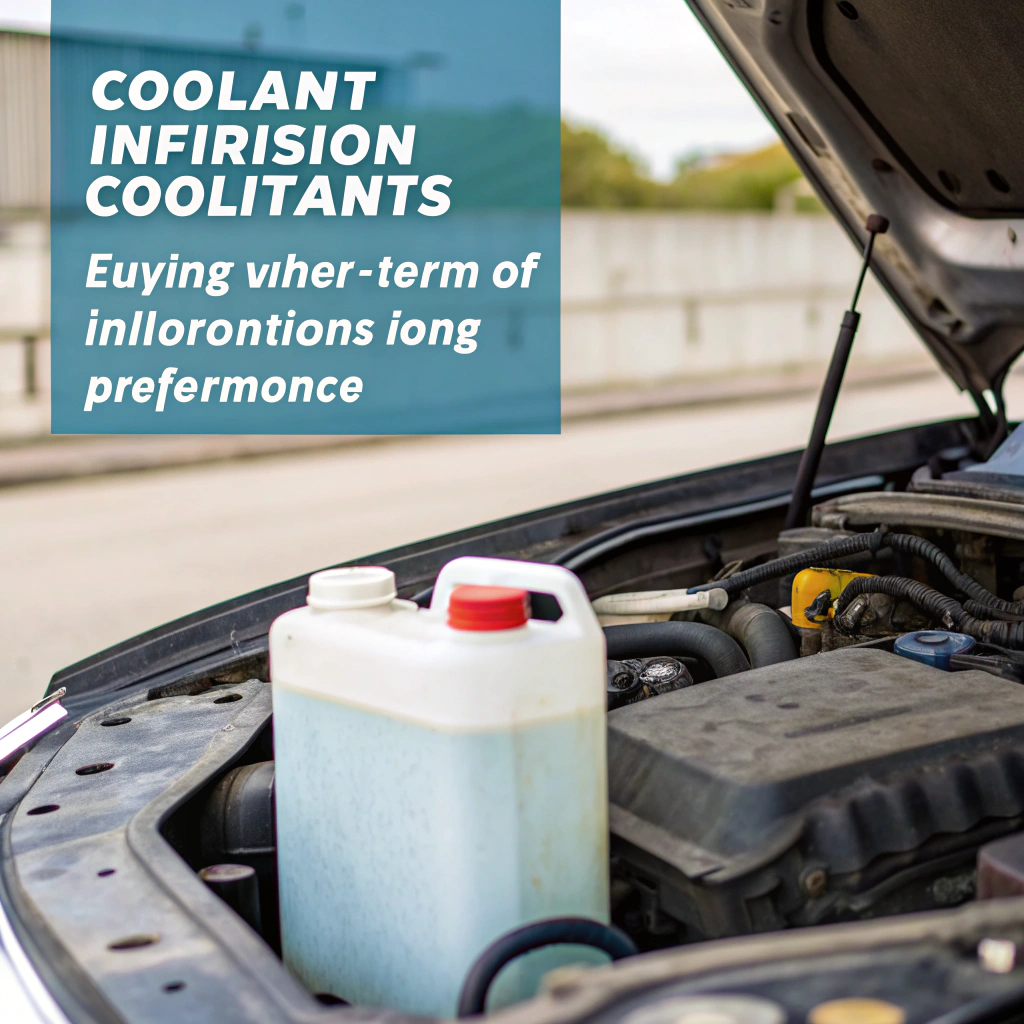
When selecting coolant for your system, longevity is the key consideration. You want a coolant that not only performs well initially but also continues to offer reliable protection over time. One factor to consider is the coolant’s temperature tolerance. A good coolant will have a wide temperature range, preventing it from freezing in cold temperatures or boiling over in high heat. This helps ensure consistent performance in various environmental conditions.
Another important factor is the type of additives used in the coolant. Some coolants contain additives that help prevent corrosion and scale buildup. Over time, however, these additives deplete, reducing the coolant’s effectiveness. That’s why it’s important to choose a coolant that is designed for longer intervals between changes. Coolants with organic acid technology (OAT) are often preferred because they are more durable and can last up to 5 years or 150,000 miles before needing a replacement.
It’s also important to consider the compatibility of the coolant with your system’s materials. Some coolants are specifically designed for certain metals, such as aluminum or copper, and using the wrong type can lead to corrosion or premature failure of engine parts. Always ensure the coolant you choose is compatible with your engine’s materials to avoid costly repairs.
Table 3: Factors to Consider When Choosing Coolant
| Factor | Importance | Recommended Coolant Type |
|---|---|---|
| Temperature Range | Ensures efficient operation in all climates | Ethylene Glycol, OAT |
| Additives | Prevents corrosion and scale | OAT, HOAT |
| Compatibility with Materials | Avoids corrosion and system damage | Check manufacturer recommendations |
By considering these factors, you can select the best coolant for long-term reliability and performance. Your system will run more efficiently, and the need for repairs will decrease.
OAT coolants last longer than IAT coolants.True
OAT coolants have longer-lasting additives that help protect the system for years.
Coolants with high levels of additives require more frequent replacement.False
Coolants with high-quality additives, such as OAT, are designed for longer-lasting protection and fewer replacements.
Conclusion
In conclusion, choosing the right coolant for your system is crucial for ensuring its longevity and reliability. Pay attention to the coolant type, chemistry, and compatibility to avoid costly failures and extend the life of your equipment.