


what size aluminum extrusion for cnc?
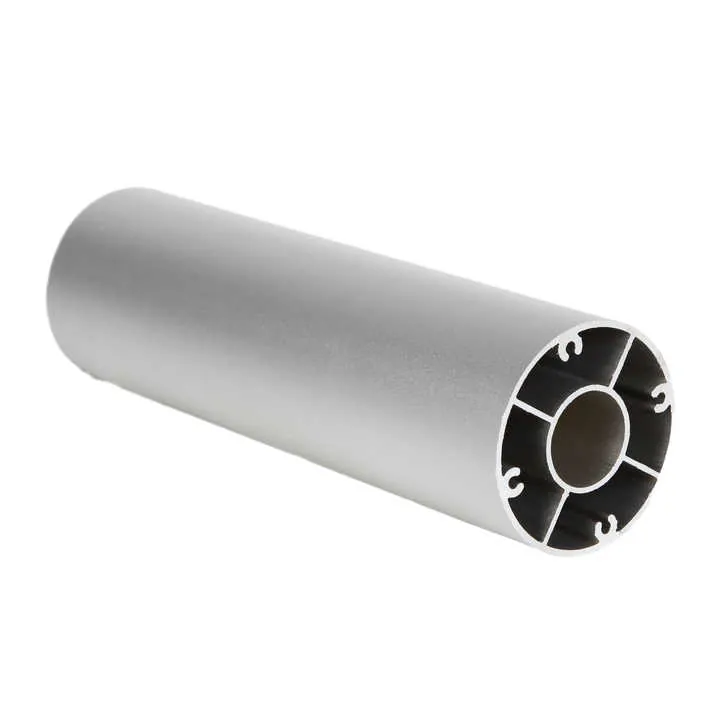
Building a CNC machine with aluminum extrusion feels like a simple step. Many hobbyists pick a random extrusion and start building. The result often shakes, flexes, or fails accuracy.
To build a solid CNC frame, you need aluminum extrusion with sufficient cross‑section size and wall thickness. Typical choices range from 20×20 mm (for mini machines) up to 45×90 mm or larger (for heavy‑duty machines).
Continue reading to see which profiles work, how rigidity matters, how to choose size, and how to add reinforcements when needed.
What profiles support CNC frames?
Small CNC machines, like desktop routers or laser cutters, do not need very big extrusion. Larger machines, like milling or router tables, need heavy, rigid profiles.
Profiles from 20×20 mm and 20×40 mm up to 40×40 mm are common for light‑duty CNC frames. For larger or heavier builds, 40×80 mm or 45×90 mm profiles offer strength and stability.
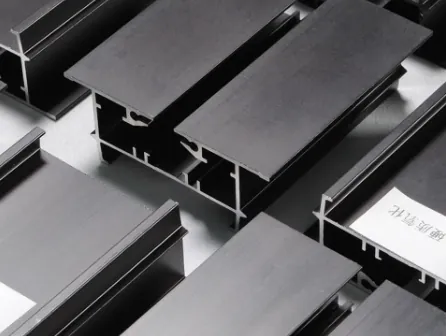
When selecting extrusion for CNC frames, profile shape and slot design matter too. T‑slot extrusions are widely used because they allow easy mounting of linear rails, motors, and plates. For a small desktop CNC, a 20×40 mm or 30×30 mm T‑slot works fine. For medium builds, 40×40 mm gives more rigidity. For large builds — especially CNC routers or mills handling heavy tools — 40×80 mm, 45×90 mm or even custom rectangular extrusions are better.
Here are common CNC‑frame extrusion profiles and their typical uses:
| Profile size (mm) | Slot type | Typical use |
|---|---|---|
| 20×20 | Mini T‑slot | Small light‑duty machines, 3D printers |
| 20×40 / 30×30 | T‑slot | Compact CNC routers, laser cutters |
| 40×40 | Standard T‑slot | Hobby CNC routers, small mills |
| 40×80 / 45×90 | Heavy T‑slot | Large CNC routers, mills, gantry machines |
If you pick too small a profile, machine flex becomes a problem. If you go too big, material cost and weight increase, and assembly becomes bulky.
Choosing right profile size depends on machine size, expected load, and required precision.
T‑slot extrusions between 20×40 mm and 40×40 mm are sufficient for small to medium CNC routers.True
These profiles can support lightweight frames and common loads without excessive flex.
Using only 20×20 mm extrusion for a large CNC router ensures stability.False
20×20 mm profiles are too weak for heavy loads and will flex under stress, reducing accuracy.
Why rigidity is crucial for CNC builds?
CNC machines are all about precision. The frame must not flex or twist even under load. If it does, cuts go wrong and parts do not match.
A rigid frame prevents vibrations, maintains alignment under load, and ensures consistent precision — without rigidity, a CNC machine loses accuracy quickly.
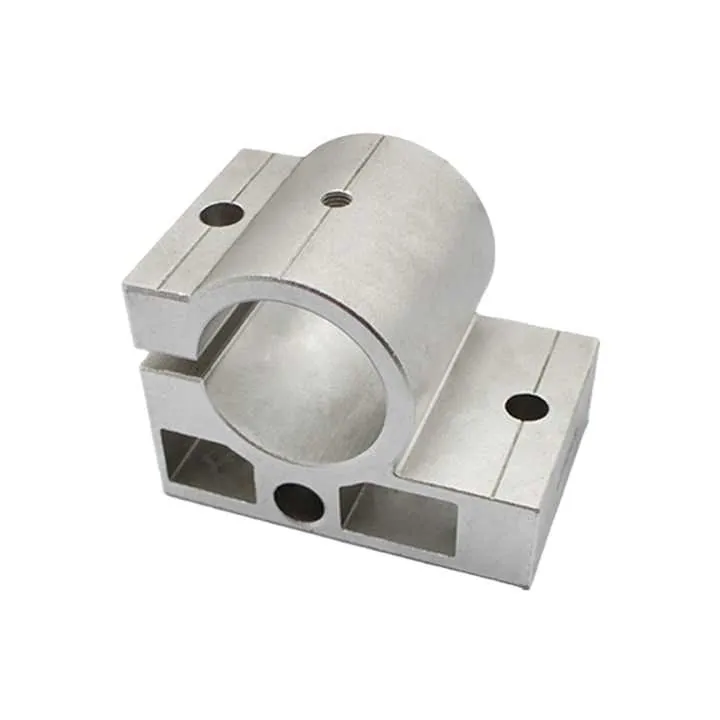
Rigidity matters because CNC machines exert forces: motors push spindles, tools cut materials, and movement happens along axes. If the frame flexes, the tool path deviates. That causes wobble, uneven cuts, or shifting. Even small deflection — a few tenths of a millimeter — can ruin precision.
Aluminum extrusion is hollow. Hollow sections are lighter but flex more than solid metal. That is why extrusion size and wall thickness matter. A larger cross‑section gives more stiffness. But it is not only size. The way the frame is assembled affects rigidity. If joints are loose or brackets weak, the whole frame weakens. Welded steel frames are often very stiff, but extrusion frames rely on tight joints and many connecting profiles.
In CNC builds, you often add gussets, corner brackets, or diagonal braces to reduce flex. You may also add plates or thick elements at stress points. That helps share load and keep the frame stable under dynamic load.
Vibration control matters too. Without rigidity, vibrations build during cutting. That affects finish, reduces tool life, and may even damage parts. In metal cutting or heavy wood cutting, rigidity is especially critical.
Therefore, selecting aluminum extrusion is not enough. You must design frame geometry to support loads. You must reinforce joints. You must avoid long unsupported spans.
A CNC frame built with hollow aluminum extrusion must use large cross‑sections or reinforcements to ensure rigidity.True
Hollow sections flex easily under load; larger or reinforced sections resist bending and vibration.
If frame parts are bolted tightly, even small extrusion profiles will remain rigid under heavy CNC loads.False
Tight bolts help, but small profiles still flex under load; size and thickness matter for stiffness.
How to choose correct extrusion size?
Choosing correct extrusion size depends on machine footprint, expected load and required precision. It is part art and part engineering.
You choose extrusion size based on how big and heavy the machine will be, how much load or cutting force the machine faces, and how precise the result needs to be.

First, consider machine type. A small desktop CNC or 3D‑printer‑style router moves light materials and low forces. For that, 20×40 mm or 30×30 mm extrusions may suffice. If you plan heavier materials or long spans — for example a gantry router 1000 mm by 600 mm — 40×40 mm or 40×80 mm is safer.
Second, consider load and cutting force. For wood or plastic cutting, the forces are moderate. For metals, loads are higher. Heavier loads demand thicker, stiffer extrusion. Also, if you plan to mount heavy linear rails or vertical supports, you need strong profiles.
Here is a guideline table:
| Machine type / Use case | Recommended minimum profile size |
|---|---|
| Small desktop router / 3D printer | 20×40 mm, 30×30 mm |
| Medium router (wood, light metal) | 40×40 mm |
| Large router or light mill (gantry) | 40×80 mm, 45×90 mm |
| Heavy duty mill / metal cutting | 45×90 mm or custom thick extrusion |
Also think about wall thickness. Many extrusion suppliers offer 1.5–2.0 mm wall thickness for light profiles, and 3–4 mm or more for heavy profiles. Thicker walls resist bending and hold bolts tighter without deforming.
Another factor is assembly method. A fully welded frame (if you weld aluminum) is more rigid than bolted‑bracket assembly. But most CNC builders use bolted T‑slot frames. In that case, use overlap, gussets, and longer supports.
At design stage, sketch the frame. Mark long unsupported spans, heavy vertical loads, and stress points. Use larger profiles or add bracing at those points. If unsure, go one size up — a little extra cost gives big gains in stiffness and longevity.
If your CNC machine has a bed larger than 600 mm by 400 mm, 40×40 mm extrusion is often a bare minimum.True
Larger bed size needs stronger structure to support long spans and tool forces without flex.
Using oversized extrusion always guarantees perfect rigidity without need for reinforcements.False
Even large extrusion can flex or twist if frame design and joint connections are weak or poorly arranged.
Can reinforcements improve stiffness?
Yes. Reinforcements can make a hollow frame much stronger. Braces, plates, and added supports turn a basic extrusion frame into a rigid structure.
Adding reinforcements such as diagonal braces, gussets, thicker plates or supplementary supports improves stiffness, reduces flex, and enhances accuracy — even with mid‑size extrusions.
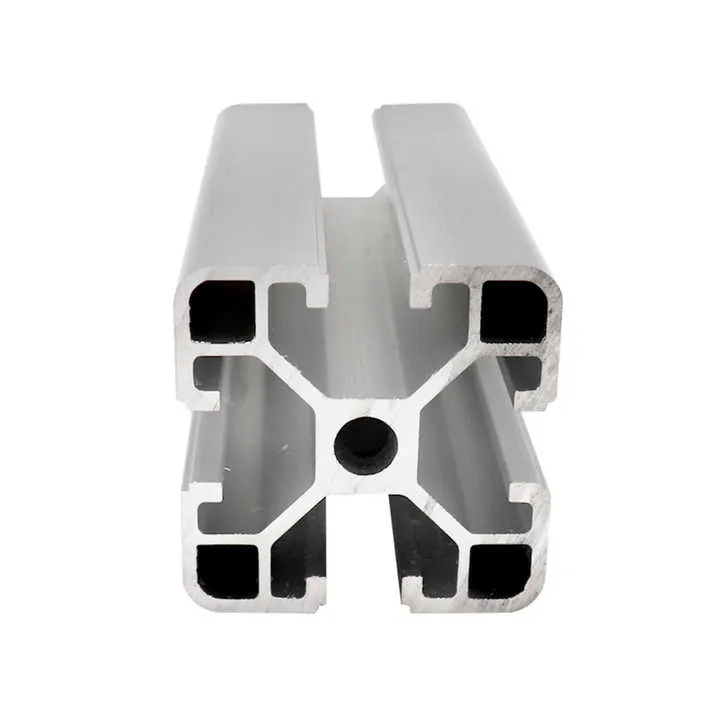
Hollow extrusions flex because their walls are thin and empty inside. You can’t change wall thickness easily once you buy the extrusion. But you can reinforce the structure:
- Add gusset plates at corners. Often CNC builders use triangular plates bolted across corners. That prevents racking (twisting) under side loads.
- Use diagonal braces along long spans. If your frame is wide or long, adding diagonal bars reduces bending.
- Insert metal plates or thick aluminum plates at joints or load points. For vertical columns or columns supporting weight, overlay a solid plate or thick profile inside or outside the frame.
- Use double‑extrusion walls: aligning two extrusions side by side and bolt them together increases stiffness.
- Add support beams or rails under long spans. For long gantry routers, a beam under the bed reduces sagging.
- For heavy machines, consider hybrid frames: combine extrusion with welded steel inserts or heavy plates.
These reinforcements make the structure behave more like a solid frame. They reduce vibration during cutting. They improve repeatability. They extend life of the machine. They help if you plan upgrade later — like switching to heavy router or milling head.
One trade‑off is cost and weight. Reinforcements require more material, more bolts, more assembly work. But this cost is small relative to benefit: a stable, accurate CNC.
Another trade‑off is complexity. More parts mean more assembly effort, more alignment checks. But if you care about precision, this is worth it.
Reinforcements also help distribute stress. Without them, bolts at corners bear most stress. With braces, stress spreads across frame. That reduces wear and loosening over time.
Adding corner gussets and diagonal braces significantly increases frame stiffness even for medium extrusion sizes.True
Bracing reduces movement and distributes loads, limiting flex and improving rigidity.
Once you use thick extrusion, additional reinforcements are unnecessary.False
Even thick extrusion can flex under uneven loads or long spans; reinforcements still improve stability and accuracy.
Conclusion
Choosing the right size and type of aluminum extrusion is key for CNC success. Smaller profiles work for light machines. Heavy or large CNC builds require larger extrusions with proper wall thickness. Rigidity matters. Reinforcements improve strength and precision when needed. Plan carefully — a good frame means accurate, stable, long‑lasting CNC machines.


