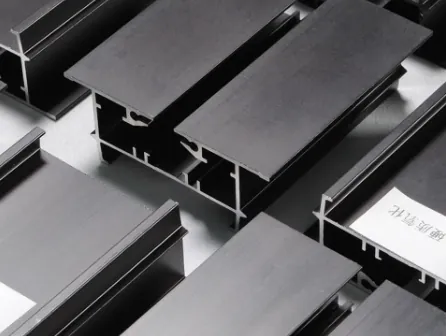

What is the cost per pound of aluminum extrusions?
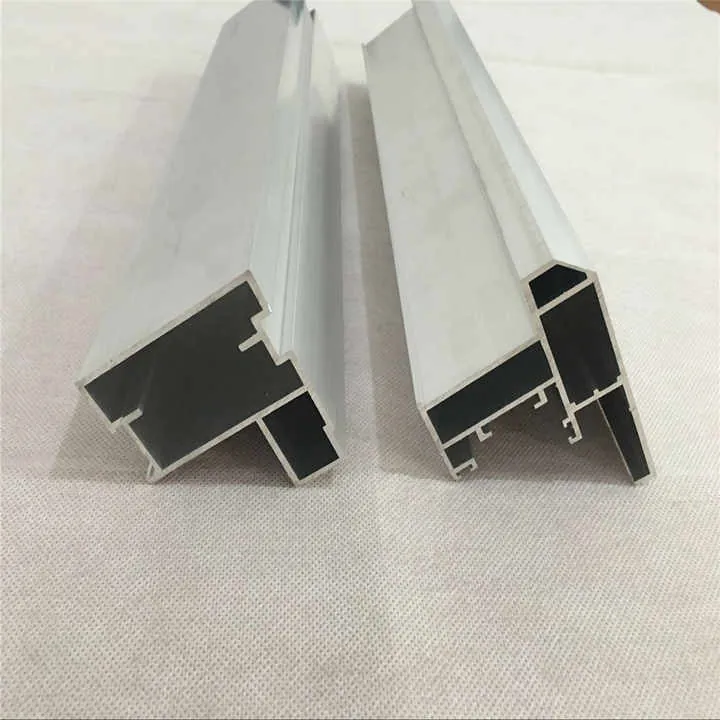
I know you’re asking this because you want a realistic number for budgeting or purchasing. The metal market moves fast and many hidden variables affect the final cost.
As of 2025 the raw aluminum commodity price is about US $1.17 per lb, but when you add extrusion processing, alloy, treatment and supply‑chain factors, finished extrusions often cost US $2.00 to US $4.50 per lb or more.
Before you commit orders, keep reading — we’ll unpack what drives that number, how alloy choice matters, how to benchmark market rates, and how bulk orders can help bring the price down.
What factors influence per‑pound pricing?
When you see one supplier quoting $3.50 / lb and another $2.20 / lb, many things lie behind the difference.
Major factors include raw material cost, production (extrusion) cost, surface finishing, tolerances/design complexity, transport/logistics, minimum order quantity (MOQ) and regional market premiums.
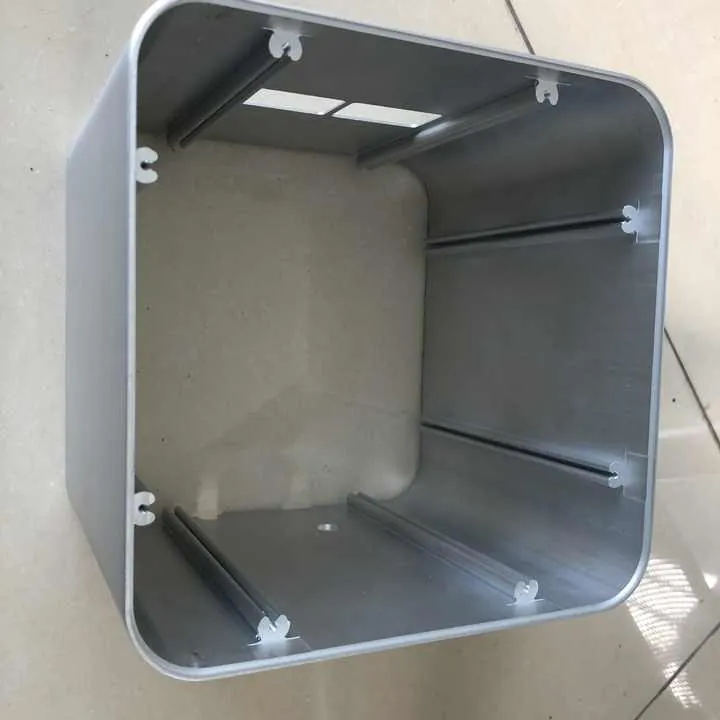
Raw Material Cost
The base metal price is foundational. For example, primary aluminum is around US $1.17 / lb in mid‑2025. But that doesn’t include premiums for region, alloying elements, or processing.
Production / Extrusion Cost
Extruding aluminum involves heating billet, pushing it through a die, cutting to length, aging/tempering, and maybe machining/fabrication. Complex shapes raise cost: uneven wall thickness, many features, multiple cavities — all add tooling wear, slower speeds, more scrap.
Surface Treatments & Finishing
If your extrusion needs anodizing, powder‑coating, special packaging or CNC machining, those add cost per pound. The quoted “per pound” may include only the extrusion, or may include finishing — be sure to check what’s included.
Design Complexity & Tooling
If you use a standard profile (existing die) cost is lower. If you need a new custom die, the tooling cost tends to be amortised over the order volume, so per‑pound cost is higher for small runs.
Logistics & Regional Premiums
Location matters. For example, in the U.S., the Midwest premium (for primary aluminum) can add ~US$0.60‑0.80 per lb above base commodity prices. Transport, import duty, freight, and local labour add to the delivered cost of the extrusion.
Order Size, Lead Time & Supplier Capacity
Smaller orders often carry higher per‑pound cost because tooling setup, change‑over, batching all cost more per unit. If you ask for fast lead time, rush fees may apply. Also scrap rates, yield losses, quality levels (tight tolerances) all impact effective cost.

| Cost Component | Approximate Range | Notes |
|---|---|---|
| Raw aluminum commodity | US$1.10–1.50 / lb | Base metal only |
| Extrusion processing | US$0.50–1.50 / lb | Varies by shape complexity |
| Finishing/treatment | US$0.20–1.00 / lb | Anodize, powder coat, CNC etc |
| Logistics/premium | US$0.30–0.80 / lb | Region, freight, import duties |
| Tooling amortisation | Varies widely | Especially for custom profiles |
The per‑pound cost of aluminum extrusions is fixed and does not depend on shape or treatment.False
The cost depends heavily on shape complexity, alloy, finishing, logistics and order size, so it is not fixed.
Raw aluminum commodity price is only one part of the per‑pound cost for extrusions.True
Besides raw material, extrusion processing, finishing, tooling, logistics and order size all contribute to the per‑pound cost.
Why alloy type changes cost?
Choosing an alloy like 6063‑T5 vs 6061‑T6 vs 6082 (or even higher grade like 7xxx series) will impact cost per pound.
Different alloys have different billet cost, flow characteristics, required heat treatment, machine wear, scrap rates and finishing behavior — all of which raise or lower cost.
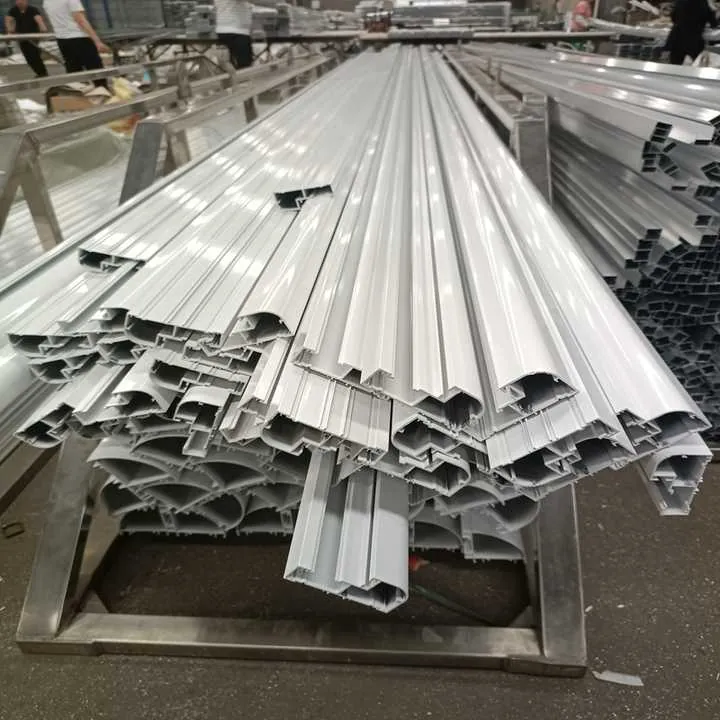
Billet/Alloy Cost Differences
Some alloys cost more at the raw material stage because of added alloying elements (magnesium, silicon, copper etc). Also availability matters. If you require a specialty alloy, supplier cost is higher.
Extrusion Flow & Complexity
Certain alloys extrude more easily (lower force, less machine wear), others require higher pressures. For example harder/stronger alloys might slow down production, cause die wear, increase time, and thus cost more per pound.
Post‑extrusion Treatment
Some alloys require additional ageing or solution heat treatment to achieve desired mechanical properties. That extra processing adds cost.
Surface Finish Compatibility
If you need anodizing or cosmetic finish, some alloys provide better appearance (commonly 6063 is used for architectural profiles because it anodizes well). Using a less suitable alloy may require extra finishing work, which adds cost.
Scrap/Yield Loss
If the alloy is harder to extrude, the risk of scrap increases, or more material is needed to yield the same final piece. That raises effective cost per usable pound.
Supplier Minimums & Market Volume
Less common alloy profiles may mean the supplier has fewer orders, less amortisation of tooling cost, and may need to charge a premium.
Using a more exotic alloy will always reduce the per‑pound cost of the extrusion.False
A more exotic alloy typically increases cost due to more expensive billet, harder extrusion, and tighter tolerances.
Standard alloy extrusions (e.g., 6063) often give lower cost per pound than specialty alloys.True
Standard alloys are more common, easier to extrude, have more tooling availability, and thus lower cost per pound.
How to compare market prices?
When you’re buying or sourcing from a manufacturer (especially B2B bulk), you want to benchmark perhaps 3‑5 quotes and understand what is included.
You should compare not only the “$/lb” rate, but also what that rate covers (material/alloy, finish, logistics, minimum order size) and check whether it is standard tooling or custom.

Steps to compare
- Request detailed quote: alloy, die status, finish, length, quantity
- Normalize quotes: convert to $/lb or $/kg and clarify inclusions
- Check current base price: use global commodity price as baseline
- Watch hidden costs: tooling, freight, finishing
- Use multiple quotes and ask suppliers for breakdown
Tips
- Watch for very low quotes — hidden costs often exist
- Consider freight and regional surcharges
- Historical pricing trends help with negotiation
- End-use matters: structural vs aesthetic applications differ in cost
The lowest per‑pound quote always gives you the best total cost.False
Lowest per‑pound quote may omit required finish, may be for smaller quantity, or existing die only—so total delivered cost may be higher.
Tracking commodity base price is useful for benchmarking extruded aluminium quotes.True
Commodity base price sets a floor, so tracking it gives you insight into how much above the base you are paying for processing, tooling and logistics.
Can bulk orders reduce per‑pound rates?
Yes — bulk orders almost always help reduce per‑pound cost, assuming you don’t raise complexity and maintain consistent specs.
Larger volume spreads fixed tooling/setup costs over more pounds, lowers unit freight, and helps negotiate supplier discounts.
Why bulk reduces cost
- Tooling amortisation
- Longer production runs = less setup loss
- Lower scrap ratios
- Volume pricing with billet vendors
- Freight efficiency
What to watch
- Lock down specs early
- Plan for storage/logistics
- Review cash flow and payment terms
- Expect longer lead time for large runs
Example
If a 1,000 lb order costs $3.50/lb, a 10,000 lb version of the same profile may cost $2.75/lb. Scaling to 50,000 lb might push pricing to ~$2.20/lb if using existing tooling.
Bulk ordering always halves the per‑pound cost compared to small orders.False
While bulk often reduces per‑pound cost, the reduction depends on shape complexity, finish, and tooling; it does not automatically halve the cost.
Ordering a larger volume of a standard die profile will likely reduce your per‑pound cost.True
Larger volume spreads fixed costs and batch overhead over more pounds, lowering effective per‑pound cost.
Conclusion
The cost per pound of aluminum extrusions ranges widely depending on many factors: alloy, shape, finish, logistics and quantity. Knowing that base aluminum is ~$1.17/lb in 2025 helps set a floor, but expect finished extrusions to land in the $2.00–4.50/lb range. Choose standard profiles, order in volume, and compare quotes carefully to manage your project’s cost.