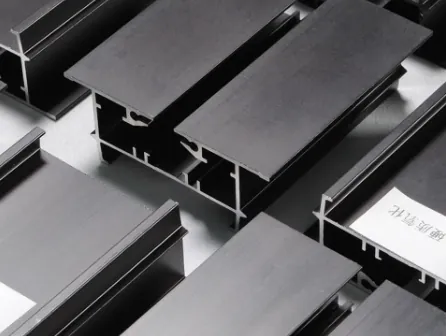
How to cut aluminum extrusions with a miter saw?
Ever tried cutting aluminum extrusion and ended up with burrs, sparks, or a ruined blade?
You can cut aluminum extrusions cleanly with a miter saw by choosing the right blade, adjusting speed, clamping properly, and using coolant if needed.
Most people underestimate how technical it can be to cut aluminum precisely. Let’s go step by step to keep your cut smooth and safe.
What miter-saw blades suit extrusions?
Wrong blade equals bad cuts, wasted material, and safety hazards.
Use a non-ferrous metal cutting blade with carbide-tipped teeth and high tooth count (TPI) for clean, accurate aluminum cuts.
The blade is the most critical component when cutting aluminum extrusions. Wood blades may seem sharp, but they’re not built to handle non-ferrous metals. I learned this the hard way—burnt aluminum, overheated saw, and a dull blade in 30 seconds.
For aluminum profiles like 6063-T5 or 6061-T6, you’ll want to use a blade specifically rated for non-ferrous metals. These blades have a high number of teeth, typically 80–100 teeth for a 10-inch blade. More teeth mean smoother cuts and less chipping.
Carbide-tipped teeth last longer and resist wear from metal contact. The hook angle should be neutral or slightly negative (0° to -5°) to prevent the blade from grabbing the material too aggressively. Kerf width should be thin enough to reduce material loss but strong enough to stay rigid.
Here’s a quick comparison table to guide blade selection:
| Feature | Best Choice | Why It Matters |
|---|---|---|
| Material | Carbide-tipped, non-ferrous rated | Cuts cleaner, lasts longer |
| Tooth count (10") | 80–100 teeth | More teeth = finer cut |
| Hook angle | 0° to -5° | Safer, less aggressive cut |
| Kerf width | Thin | Reduces waste and cutting resistance |
| Coating | Non-stick or anti-friction | Helps reduce aluminum sticking |
You should also avoid using a dirty or gummed-up blade. Aluminum chips can fuse to the tips and cause extra friction and noise. I clean my blades every 20–30 cuts for the best performance.
Using a carbide-tipped blade with 80 teeth is recommended for cutting aluminum extrusions.True
High tooth count and carbide tips offer smoother, cleaner cuts and longer blade life when cutting aluminum.
Wood-cutting blades are ideal for aluminum because they are very sharp.False
Wood blades are not rated for metal, and using them on aluminum can damage both the blade and the material.
Why adjust speed for aluminum cutting?
If the blade spins too fast, it melts aluminum. Too slow, and it grabs or chips.
Adjusting the saw’s RPM to a medium-high range prevents melting, chatter, and premature blade wear.
Cutting aluminum is not like cutting wood or steel. Aluminum is softer than steel, but it heats up quickly and sticks to blades. The speed of the miter saw matters. Too high, and friction melts the aluminum and gums up the blade. Too low, and you risk rough cuts and grabbing.
The sweet spot for RPM depends on your saw’s size and blade diameter. For a 10-inch blade, an RPM range of 3,000–4,500 is usually effective. Many miter saws have a fixed RPM around 3,800, which is acceptable for most aluminum extrusions. If your saw has variable speed, adjust it to the lower side of that range.
What matters more is the feed rate—how fast you push the extrusion into the blade. Push too fast, and you’ll chip or bind. Push too slow, and you’ll overheat the blade. A steady, moderate feed is key.
Here’s a basic guideline:
| Blade Size | RPM Range | Best Practice |
|---|---|---|
| 10 inch | 3,000–4,500 | Use mid-range RPM, steady feed |
| 12 inch | 2,500–4,000 | Avoid fast feeding |
| Variable RPM | Adjust to 70%–80% of max | Reduces heat buildup |
I always let the blade get to full speed before starting the cut and avoid starting the saw while it’s in contact with the extrusion.
Adjusting saw speed helps avoid overheating and melting aluminum during cutting.True
Correct speed prevents excess friction and material melting, ensuring a cleaner cut.
Higher RPM always gives better cuts on aluminum extrusions.False
Excessive RPM can melt aluminum and gum up the blade, making the cut worse.
How to clamp extrusions for clean cuts?
Loose parts cause vibrations, which lead to rough cuts or dangerous kickback.
Always clamp aluminum extrusions securely using horizontal and vertical pressure to reduce vibration and movement during cuts.
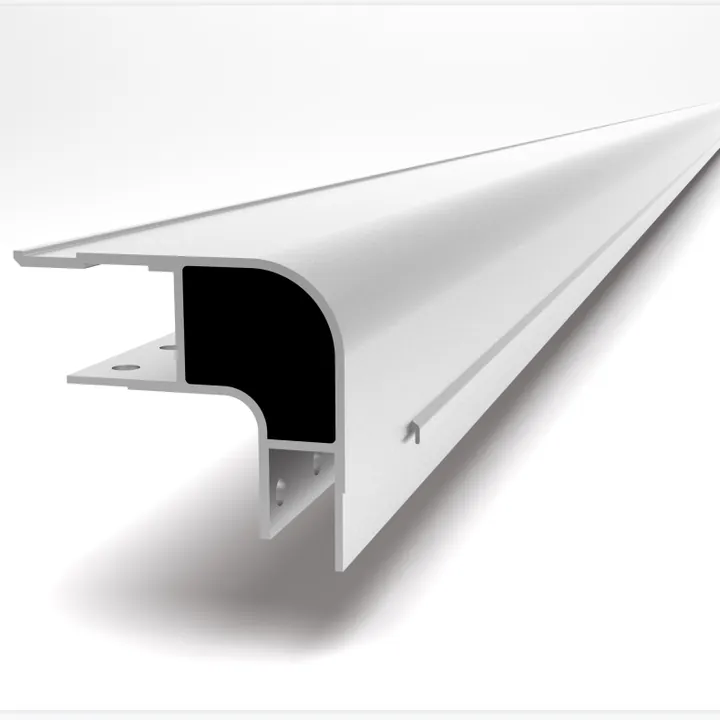
When cutting aluminum with a miter saw, stability is everything. Even the best blade and speed won’t save you from a wobbly setup. I once cut a 2020 profile without clamping it, and the end jumped and dented the piece—lesson learned.
First, use a solid, flat saw base. If your extrusion hangs off the edge, support both ends evenly. Long profiles should be supported on both sides to keep them level.
Use clamps that hold from the side and from the top. A single clamp isn’t enough. I typically use an F-clamp horizontally and a hold-down clamp vertically. If your saw has a built-in fence clamp, use it.
Here’s how to set up:
| Step | Tool Needed | Purpose |
|---|---|---|
| 1 | F-clamp or C-clamp | Holds extrusion from the side |
| 2 | Vertical hold-down | Prevents lifting or vibration |
| 3 | Extension supports | Keeps long extrusions level |
| 4 | Rubber pads | Avoid scratching aluminum surface |
Check the alignment before cutting. Make sure the profile is square to the blade and flush with the saw base. If it’s angled, you’ll get uneven cuts.
Clamping extrusions before cutting reduces vibration and improves cut quality.True
Proper clamping prevents movement, ensuring cleaner, more accurate cuts.
You don't need clamps if you're using a sharp blade.False
Even with a sharp blade, loose material can vibrate or kick back, making cuts unsafe or rough.
Can coolant extend blade life?
Heat is your blade’s worst enemy.
Yes, using coolant or lubricant can lower friction, reduce chip welding, and extend blade life significantly when cutting aluminum.

Aluminum cuts better with a bit of help. Coolant is that help. It prevents the metal from overheating, which protects the blade and gives a smoother finish.
There are different types of coolant and cutting lubricants. For miter saws, most people use either a wax stick or a spray-on lubricant designed for aluminum. I prefer wax sticks because they’re easy to apply and don’t make a mess. Just touch the wax to the spinning blade lightly before cutting.
Here’s a comparison:
| Coolant Type | Pros | Cons |
|---|---|---|
| Wax stick | Easy, clean, blade-safe | Needs re-application often |
| Spray lubricant | Good coverage, easy to find | Can be messy on surfaces |
| Mist system | Best for high-volume cuts | Expensive and complex |
| No coolant | Clean setup | Shortens blade life |
Using coolant is optional for small cuts, but essential for bulk cutting. When I had to cut 100+ profiles for a display frame system, the blade lasted twice as long with wax compared to dry cuts.
Always clean your blade after long sessions, especially if using lubricants that leave residue. A clean blade stays sharper longer and cuts smoother.
Coolant helps extend blade life by reducing heat and friction.True
Coolant or lubricant reduces the chance of aluminum welding to the blade, preserving its sharpness.
You should avoid any coolant because it can damage the aluminum profile.False
Coolant does not damage aluminum and helps make cleaner, cooler cuts.
Conclusion
Cutting aluminum extrusions with a miter saw is not hard, but it takes the right tools and technique. Use a blade made for non-ferrous metals, adjust your saw speed to avoid melting, clamp the workpiece properly, and apply coolant if doing many cuts. Follow these steps and your cuts will be clean, straight, and stress-free.