Future directions of aluminum profile spraying technology
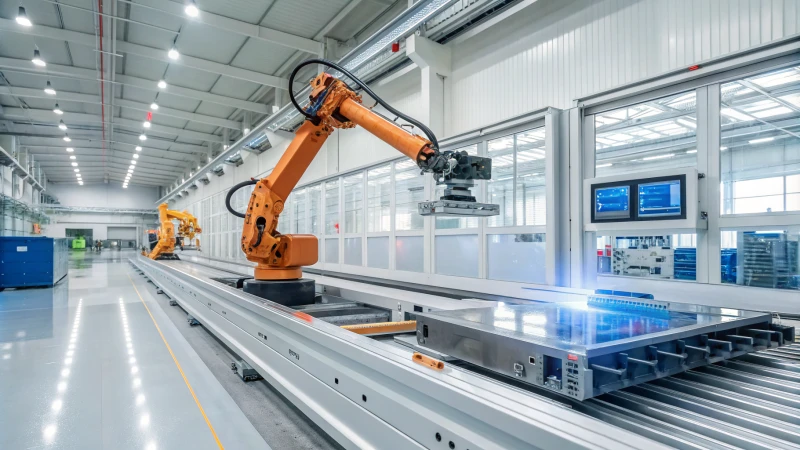
The aluminum profile spraying industry is undergoing significant transformations, driven by technological and environmental advancements.
Future advancements in aluminum profile spraying technology focus on improved efficiency, environmental sustainability, and customization options, enhancing both performance and aesthetics. These trends include eco-friendly materials, advanced nozzle designs, and intelligent control systems to ensure uniform coating quality.
Stay with us as we explore these groundbreaking developments in detail. We’ll delve into the nuances of each trend, offering insights that are not only interesting but could be pivotal for businesses aiming to stay ahead in the competitive market.
Eco-friendly materials are a key trend in aluminum spraying.True
Eco-friendly materials reduce environmental impact, aligning with industry trends.
Intelligent control systems decrease coating quality in spraying.False
Intelligent control systems enhance uniformity and quality of coatings.
How Are Technological Innovations Enhancing Spraying Efficiency?
Spraying technology is undergoing a transformation, driven by advancements in precision agriculture. Discover how these innovations are revolutionizing efficiency and sustainability in spraying applications.
Technological innovations like drones, smart sensors, and automated systems are enhancing spraying efficiency by improving precision, reducing chemical usage, and minimizing environmental impact. These advancements enable targeted application, saving resources and promoting sustainable practices.
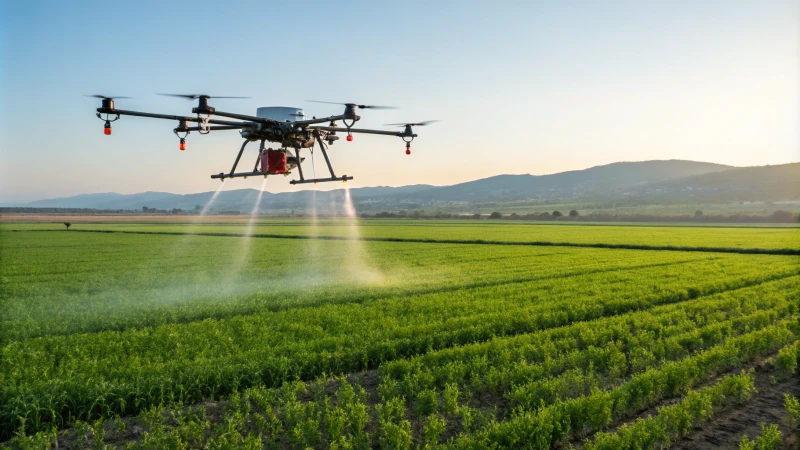
Advancements in Drone Technology
Drones are reshaping spraying techniques by offering precision and accessibility. Equipped with smart sensors1, drones can map fields accurately, identifying areas requiring specific treatment. This targeted approach minimizes chemical usage, reducing costs and environmental impact.
| Feature | Benefits |
|---|---|
| Precision Mapping | Reduces chemical waste |
| Easy Accessibility | Reaches difficult areas |
Role of Smart Sensors
Smart sensors play a crucial role in enhancing spraying efficiency. They provide real-time data on crop health and soil conditions, enabling precise application of fertilizers and pesticides. This technology supports precision agriculture2, which focuses on maximizing yield with minimal input.
- Real-Time Monitoring: Adjusts spraying parameters instantly.
- Data-Driven Decisions: Improves resource management.
Automated Spraying Systems
Automation is revolutionizing spraying operations by introducing systems that adjust spray patterns based on real-time data. These systems ensure consistent coverage, adapting to changing environmental conditions. The use of intelligent control systems3 enhances efficiency by reducing human error and optimizing resource utilization.
- Dynamic Adaptation: Modifies based on real-time feedback.
- Consistency: Ensures uniform application across fields.
Eco-Friendly Spraying Materials
Eco-friendly materials are becoming integral to spraying technologies. Innovations in low-VOC and water-based coatings meet environmental standards without compromising performance. This shift towards sustainable materials aligns with the growing demand for environmentally conscious products4.
- Reduced Environmental Impact: Lowers harmful emissions.
- Sustainability Standards: Meets regulatory requirements.
These technological advancements are pivotal in enhancing spraying efficiency, leading to more sustainable agricultural practices while maintaining high-quality outcomes. The integration of such innovations promises a future where precision meets eco-consciousness, driving the industry forward.
Drones reduce chemical waste in spraying.True
Drones use precision mapping to target specific areas, minimizing waste.
Smart sensors do not aid in resource management.False
Smart sensors provide data-driven insights, improving resource allocation.
What Role Do Eco-Friendly Materials Play in Spraying Technology?
Eco-friendly materials are revolutionizing spraying technology, enhancing both efficiency and sustainability. These materials reduce environmental impact while maintaining performance standards, crucial for industries focused on green innovations.
Eco-friendly materials in spraying technology minimize environmental impact by reducing VOC emissions and waste. They enhance sustainability while maintaining high performance and efficiency, crucial for industry advancements.
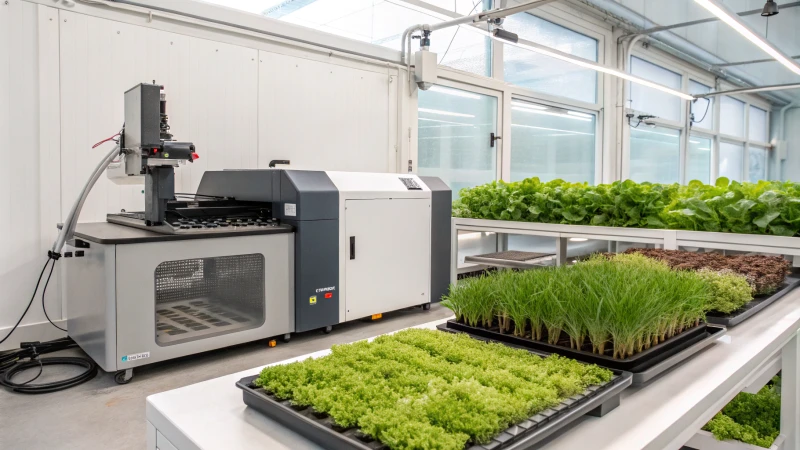
Reducing VOC Emissions with Eco-Friendly Coatings
Eco-friendly coatings are pivotal in spraying technology for their ability to significantly reduce VOC emissions5. Traditional solvents release harmful compounds that contribute to air pollution.
Eco-friendly alternatives, like water-based coatings, mitigate these issues without compromising quality.
Benefits of Eco-Friendly Coatings:
| Benefits | Description |
|---|---|
| Lower VOC Emissions | Reduces air pollution and health risks. |
| Enhanced Safety | Safer for operators during application processes. |
| Regulatory Compliance | Meets stringent environmental regulations globally. |
Improving Efficiency and Sustainability
Eco-friendly materials in spraying technology also contribute to enhanced efficiency. For example, advanced spraying equipment6 is designed to optimize material use, minimizing waste.
This not only conserves resources but also reduces operational costs.
Driving Innovation in Material Development
The demand for eco-friendly solutions is driving innovation in the development of new materials. Researchers are continuously exploring
materials that offer superior performance while being environmentally benign. Innovations such as bio-based resins and nanotechnology-enhanced coatings
are emerging as front-runners in this quest.
For more insights into the latest developments, explore how bio-based resins7 are being integrated into spraying applications.
The role of eco-friendly materials is expanding as industries seek sustainable and efficient solutions to meet environmental challenges. This trend is expected to grow, further shaping the future of spraying technology.
Eco-friendly coatings reduce VOC emissions.True
Eco-friendly coatings significantly lower VOC emissions, reducing air pollution.
Traditional solvents are safer than eco-friendly coatings.False
Traditional solvents release harmful compounds, whereas eco-friendly coatings are safer.
How Is Customization Changing the Aluminum Profile Market?
Customization is revolutionizing the aluminum profile market by driving innovation and diversifying product offerings. This shift is largely influenced by evolving consumer demands for personalized solutions in industries like construction and automotive.
Customization in the aluminum profile market enables manufacturers to offer tailored solutions, enhancing design flexibility, meeting specific customer needs, and boosting market competitiveness through diverse, personalized products.
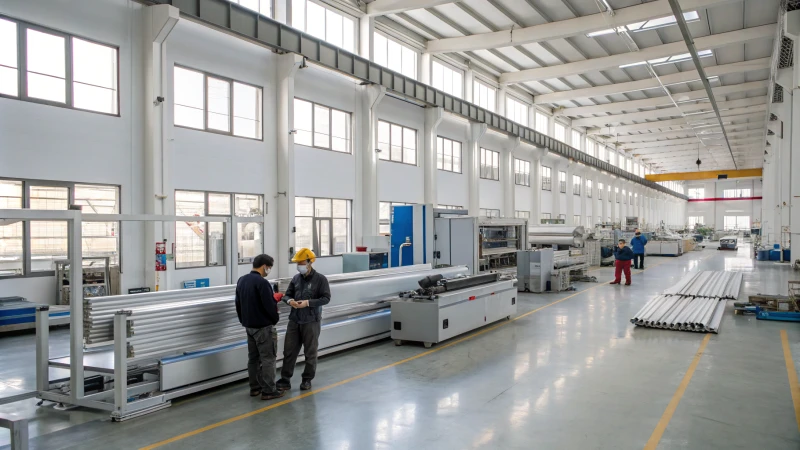
The Rise of Tailored Solutions
Manufacturers are increasingly offering tailored solutions in response to customer demands8 for unique designs and specifications. This trend enables businesses to produce custom aluminum profiles that cater to specific applications, such as architectural facades or lightweight automotive components.
Impacts on Production Techniques
Customization demands are transforming traditional production techniques. Manufacturers are adopting advanced technologies like CNC machining and 3D printing to achieve precision in custom designs. These technologies allow for complex geometries and enhanced material utilization, minimizing waste.
Influence on Market Dynamics
The ability to provide bespoke solutions has created a more competitive market landscape. Companies are differentiating themselves by offering innovative, custom-designed products that meet niche market needs. This competitive edge not only attracts new clients but also retains existing ones by fulfilling their unique requirements.
| Aspect | Traditional Approach | Customization Impact |
|---|---|---|
| Design Flexibility | Limited | High |
| Cost | Fixed | Variable |
| Production Time | Standardized | Tailored |
Challenges and Opportunities
While customization presents opportunities, it also poses challenges. Cost variability and increased lead times can be daunting. However, embracing innovative solutions9 such as digital design tools can streamline the customization process, making it more efficient and cost-effective.
Future Prospects
As customization continues to grow, the aluminum profile market is likely to see further innovations in material science and production methods. Companies investing in these areas can expect to gain a significant advantage over competitors by offering superior products that meet evolving customer preferences.
The ongoing evolution of the aluminum profile market through customization not only enhances product appeal but also promotes sustainable practices through efficient use of resources. This trend promises a dynamic future for the industry, driven by personalized solutions that align with modern consumer values and technological advancements.
Consumer Expectations and Brand Loyalty
Customization builds stronger consumer relationships by aligning products with personal needs and preferences. It fosters brand loyalty, as customers feel valued when their individual requirements are met. This relationship creates long-term business success through repeat purchases and positive word-of-mouth recommendations.
To stay competitive, companies must continue to explore ways to enhance their customization capabilities, ensuring they meet the changing demands10 of a diverse marketplace. By doing so, they can maintain relevance and drive growth in an increasingly personalized world.
Customization increases production costs in aluminum profiles.True
Customization introduces cost variability due to tailored solutions and advanced technologies.
Traditional production techniques are unaffected by customization demands.False
Customization transforms traditional techniques by adopting CNC machining and 3D printing.
What Are the Future Challenges and Opportunities in This Field?
Exploring the future challenges and opportunities in any field is crucial for anticipating industry shifts and preparing for growth. Let’s delve into the dynamics shaping tomorrow.
The future challenges and opportunities in this field revolve around technological advancements, environmental sustainability, and personalization trends. Addressing these factors will be key to thriving in a rapidly evolving market.
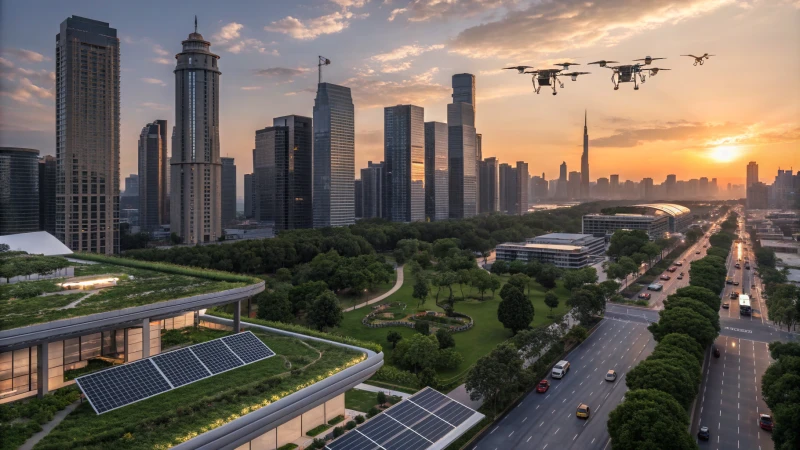
Technological Advancements
Technology is a double-edged sword, offering both opportunities and challenges. For instance, the evolution of electrostatic spraying technology is paving the way for more automated processes11, enhancing efficiency. However, staying ahead requires continuous investment in R&D, which could strain smaller companies.
| Challenge | Opportunity |
|---|---|
| High R&D Costs | Improved Efficiency |
| Training Workforce | Enhanced Product Quality |
Additionally, adopting intelligent control systems offers real-time monitoring, ensuring quality consistency. Yet, integrating these systems can be complex, requiring skilled personnel.
Environmental Sustainability
The push towards eco-friendly materials is reshaping industry standards. Developing low VOC and water-based coatings is not just a trend but a necessity to meet environmental regulations12. Embracing this change could enhance brand reputation and expand market reach.
Moreover, reducing carbon footprints through sustainable practices resonates well with conscious consumers. However, the initial investment for adopting green technologies could be a hurdle for some businesses.
Personalization Trends
With the rise in consumer demand for personalized products, offering customized solutions becomes a significant opportunity. The aluminum profile market, for instance, is expanding into custom colors to cater to diverse tastes. This trend could lead to increased market competitiveness13.
However, meeting these demands requires flexible manufacturing processes, which might challenge traditional production lines. Companies must innovate to offer unique solutions without compromising on efficiency.
By examining these aspects, businesses can strategize to leverage opportunities while mitigating challenges. Whether through technological advancements, embracing sustainability, or personalizing offerings, the key lies in adapting to changing landscapes and consumer expectations.
High R&D costs hinder small companies.True
Smaller companies may struggle to keep up with R&D investments.
Personalization reduces market competitiveness.False
Personalization increases competitiveness by catering to diverse tastes.
Conclusion
The future of aluminum profile spraying technology emphasizes efficiency, sustainability, and customization through eco-friendly materials, advanced systems, and innovative techniques to meet evolving market demands.
-
Learn about drones’ role in precision agriculture and how they enhance efficiency through targeted applications. ↩
-
Explore how smart sensors contribute to precision agriculture, optimizing resource use and boosting productivity. ↩
-
Discover the advantages of automated spraying systems and how they improve consistency and efficiency. ↩
-
Understand the benefits of using eco-friendly materials in spraying and their impact on sustainability. ↩
-
Water-based coatings minimize air pollution by eliminating harmful volatile organic compounds (VOCs), offering a safer alternative to traditional solvent-based options. ↩
-
Advanced spraying equipment enhances material efficiency, reducing waste and operational costs, aligning with sustainability goals. ↩
-
Bio-based resins offer sustainable alternatives with high performance in spraying applications, contributing to eco-friendly innovations. ↩
-
This link provides insights into how consumer preferences are driving the demand for custom aluminum profiles, offering valuable market analysis. ↩
-
Exploring this link reveals cutting-edge technologies enhancing customization in aluminum profiles, essential for staying competitive. ↩
-
Discover how shifts in consumer expectations are reshaping the aluminum profile industry with this informative resource. ↩
-
Discover how automation enhances efficiency and productivity in manufacturing. ↩
-
Understand the latest environmental regulations impacting manufacturing industries. ↩
-
Learn how customization can drive competitiveness in the market. ↩