Aluminum Extrusion Deburring Process Guidelines?

Deburring aluminum extrusions is a crucial step in ensuring high-quality, precise, and safe products. Whether you’re working with small or large batches, choosing the right deburring method can enhance both production efficiency and product quality.
In this guide, we explore the best methods for deburring aluminum extrusions, discuss the effect of profile complexity, and assess whether in-line deburring can improve production efficiency.
By understanding the deburring options and selecting the right technique for the task at hand, you can achieve excellent results. Let’s dive deeper into this essential process.
Which methods are best for deburring aluminum extrusions?
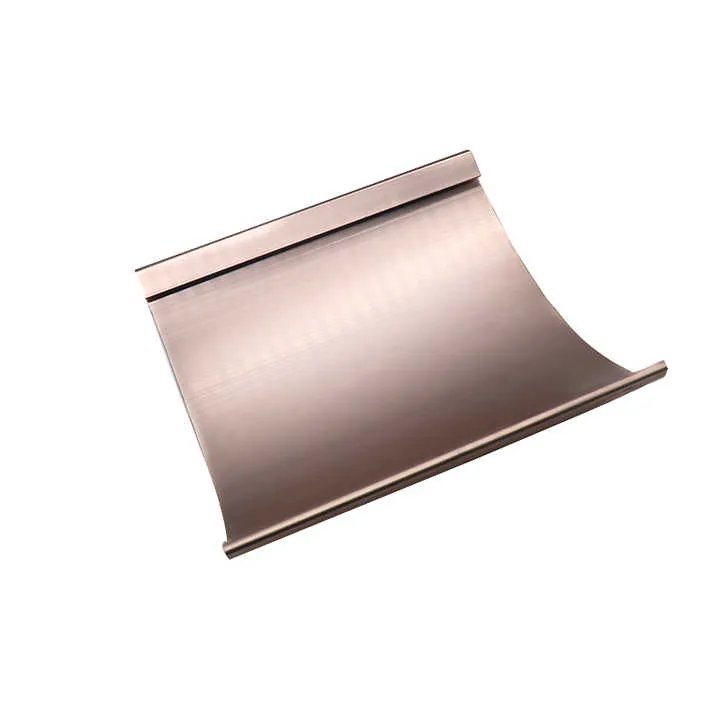
When it comes to deburring aluminum extrusions, several methods are available, each with its advantages and best-fit scenarios.
There are numerous techniques for deburring aluminum, from manual methods to more advanced mechanical options. The choice of technique often depends on factors such as part complexity, material thickness, and production volume. For small runs, manual methods like hand filing might be enough, while larger operations may require automated solutions for higher throughput.
Manual Deburring
Manual deburring methods include the use of tools such as files, sandpaper, or brushes. This is a traditional, hands-on approach that is effective for small batches or when precision is required in specific areas. However, it can be time-consuming and labor-intensive.
Mechanical Deburring
Mechanical deburring includes methods like rotary brushes, tumbling, and belt sanders. These tools can handle larger quantities of parts and are generally faster than manual deburring. They work well for straightforward geometries but may not reach tight corners or intricate areas.
Vibratory Deburring
Vibratory deburring uses a rotating drum and abrasive media to clean and smooth parts. This method is particularly useful for complex parts with intricate features, as it can effectively deburr hard-to-reach areas without damaging the part. However, it may not be as fast as other mechanical methods.
Laser Deburring
Laser deburring uses a focused laser to precisely remove burrs. This method is ideal for high-precision parts and can work on very fine burrs without physically touching the part. It’s perfect for complex, delicate parts but requires expensive equipment.
Dry Ice Blasting
Dry ice blasting involves using compressed air to propel dry ice pellets at the part, removing burrs without leaving any residue. This method is effective for parts with tight tolerances and those that are easily damaged by contact with abrasive media.
Laser deburring is suitable for delicate aluminum extrusions with intricate profiles.True
Laser deburring can remove fine burrs from delicate parts without causing any physical damage, making it ideal for complex extrusions.
Mechanical deburring is always the best option for high-precision aluminum extrusions.False
While mechanical deburring is fast, it may not be the best option for high-precision parts, as it can cause damage to delicate profiles or fail to reach tight corners.
How does profile complexity affect deburring choice?
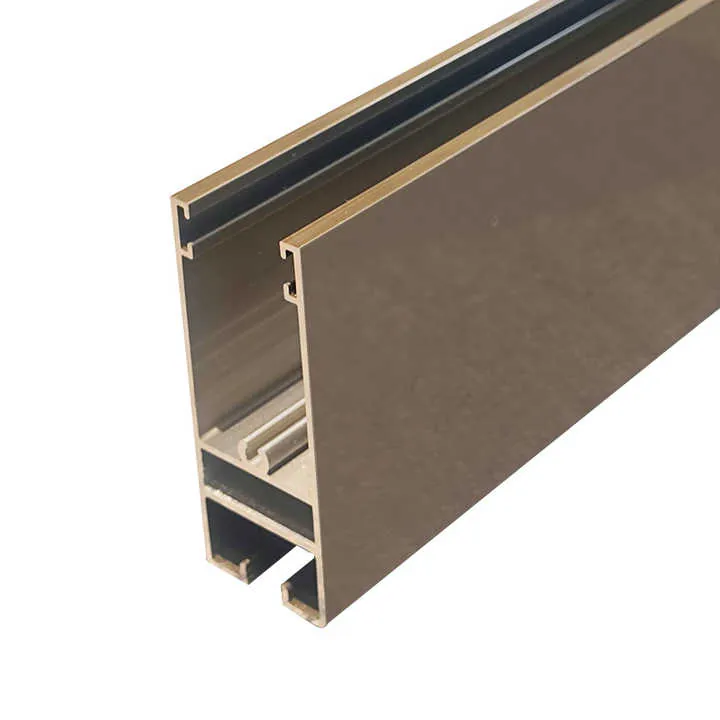
The complexity of an aluminum extrusion profile plays a significant role in choosing the right deburring method.
Extrusions come in various shapes, and the more intricate the profile, the more challenging the deburring process. Parts with straight edges are relatively easy to deburr, but profiles with intricate curves, corners, or delicate features require more careful attention. Let’s break it down further.
Simple Profiles
For extrusions with simple, linear designs, mechanical methods like rotary brushes or belt sanders are often sufficient. These methods quickly remove burrs from flat surfaces and are cost-effective for straightforward parts. However, they might struggle with tiny corners or thin edges.
Complex Profiles
Intricate profiles with narrow or hard-to-reach corners require more specialized deburring techniques. Vibratory deburring can handle complex shapes without damage, but parts may need to be processed for longer periods to achieve the desired result. Laser deburring, though expensive, is often the best option for highly detailed parts as it can target burrs precisely, leaving delicate features intact.
Thin-Walled Profiles
Thin-walled aluminum extrusions are more vulnerable to damage during deburring. For these parts, chemical deburring or dry ice blasting may be more appropriate. These methods offer gentle yet effective burr removal without putting excessive stress on the material.
Tight Corners and Intricate Features
In some cases, no matter how complex the profile, using multiple deburring methods may be necessary. For example, using a combination of laser deburring for precision and vibratory deburring for general smoothness may be the most efficient route for highly intricate profiles.
Are chemical deburring options suitable for thin walls?

Chemical deburring, though effective for certain applications, may not always be suitable for thin-walled aluminum extrusions.
Chemical deburring involves using acidic or alkaline solutions to dissolve burrs. This method is particularly effective for parts with intricate shapes or small burrs. However, when dealing with thin-walled aluminum, the process comes with risks.
Pros of Chemical Deburring
- Precision: Chemical deburring can precisely target burrs without physical abrasion, which is essential for delicate parts.
- Uniform Results: The solution evenly covers the entire part, ensuring consistent burr removal across all surfaces, even in hard-to-reach areas.
Cons for Thin-Walled Profiles
For thin-walled aluminum parts, chemical deburring must be carefully controlled. The acidic or alkaline solutions may cause material thinning or even corrosion if left too long or if the wrong solution is used. Therefore, it’s critical to use the appropriate solution and limit exposure to protect the structural integrity of thin-walled profiles.
Alternatives to Chemical Deburring for Thin Walls
For thin-walled parts, methods like dry ice blasting or laser deburring offer more controlled deburring solutions that avoid the risks associated with chemicals. These methods gently remove burrs without impacting the material’s strength.
Can in-line deburring improve production efficiency?
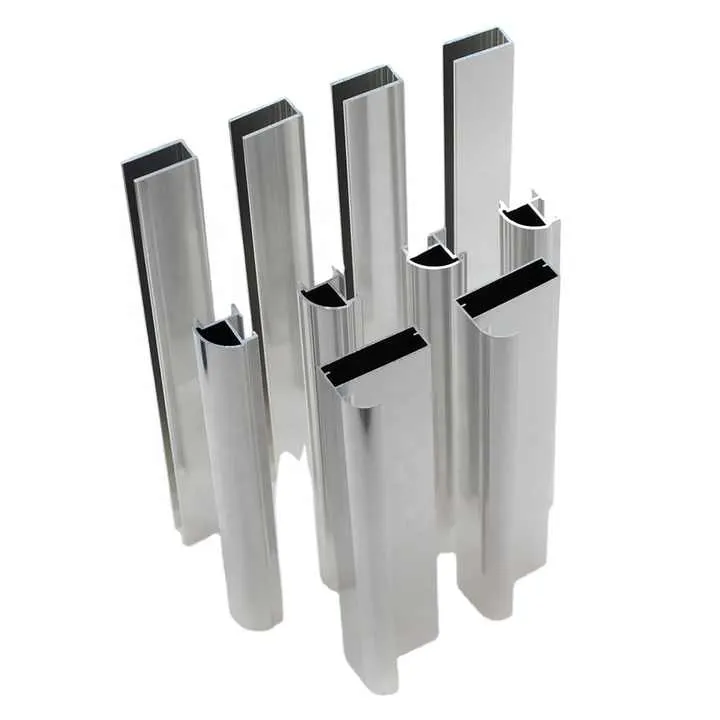
In-line deburring is a powerful solution for improving production efficiency, particularly for high-volume operations.
The main advantage of in-line deburring is its integration into the extrusion process. Instead of requiring a separate step, in-line deburring removes burrs immediately after the extrusion process, allowing for continuous production without delays. Let’s explore how this process works and its potential benefits.
Continuous Operation
In-line deburring systems are designed to work alongside extrusion machines, so burrs are removed automatically as the extrusions are produced. This reduces downtime and eliminates the need for workers to manually remove burrs after extrusion.
Automation for Speed and Consistency
Automated in-line systems can handle large volumes of parts quickly, ensuring that burr removal is uniform and consistent across all parts. With this automation, human error is reduced, and the risk of parts being missed or incorrectly deburred is minimized.
Higher Throughput
By removing burrs in-line, extrusions can be sent directly to the next phase of production without waiting for separate deburring. This leads to faster production times and increases throughput, ultimately improving efficiency and reducing costs.
Limitations and Considerations
Implementing an in-line deburring system can require significant investment in specialized equipment. Additionally, it may not be suitable for all types of parts, especially those with intricate profiles or thin walls. Careful consideration is needed to ensure that in-line deburring meets the specific needs of the production process.
In-line deburring helps improve production efficiency by integrating the process into extrusion.True
In-line deburring eliminates extra steps and ensures that burrs are removed during the extrusion process, leading to faster and more efficient production.
In-line deburring is the most cost-effective option for all types of aluminum extrusions.False
While in-line deburring is efficient, it may not be suitable for all parts, especially intricate or delicate extrusions that require more precise deburring techniques.
Conclusion
Deburring aluminum extrusions is essential for ensuring high-quality products. Choosing the right method, considering profile complexity, and exploring in-line deburring can help optimize efficiency and quality. With the right strategy, your production process will be more streamlined, consistent, and cost-effective.