Aluminum Extrusion Burr Removal Standards?
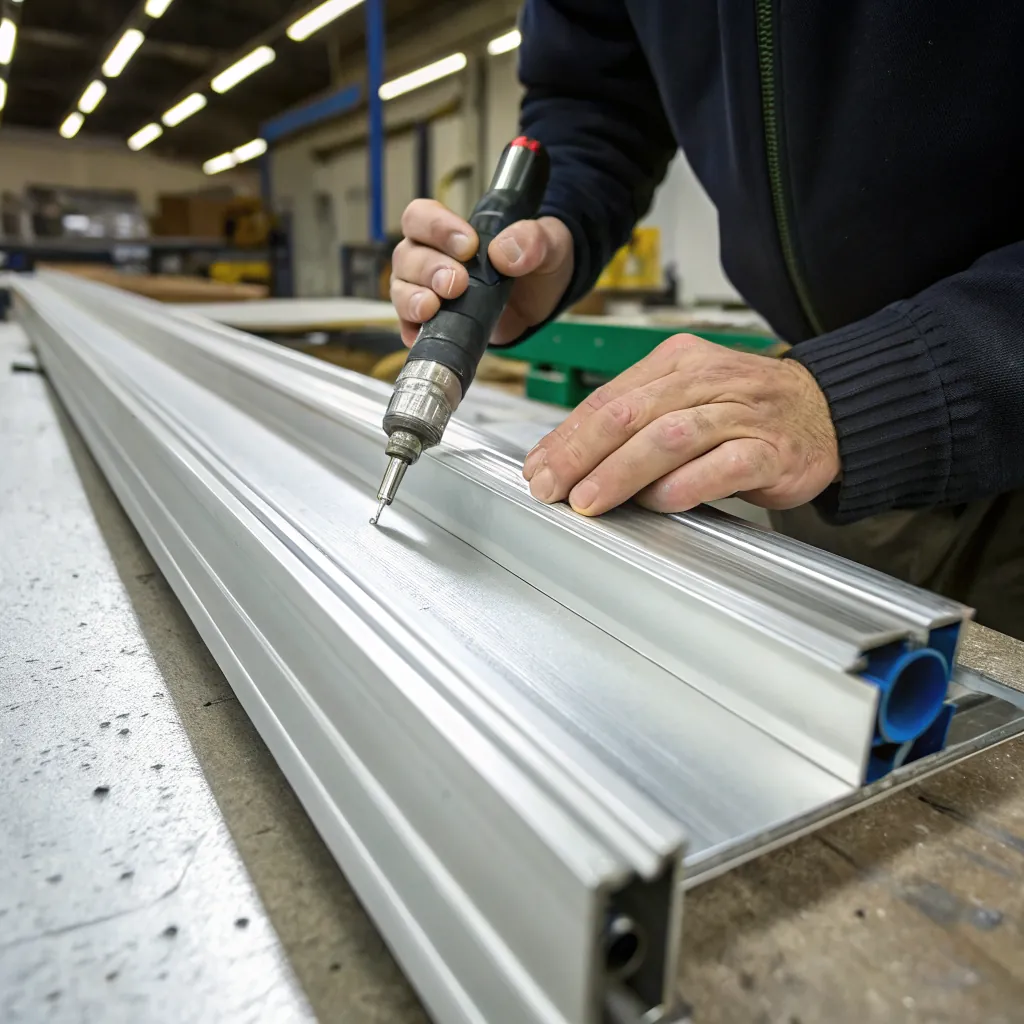
Burrs are a common issue when working with aluminum extrusions, but knowing the industry standards for their removal can make a significant difference in product quality and safety.
Industry standards for burr removal aim to ensure that aluminum extrusions are safe, high-quality, and ready for further processing or use. These standards cover both manual and automated methods, and offer guidelines to maintain product integrity.
Deburring is an essential step in aluminum extrusion. But what specific standards should manufacturers adhere to? And how does the process vary across different applications? Let’s dive deeper into the standards that govern this critical process.
What are industry standards for burr removal?
Understanding the industry standards for burr removal is essential for manufacturers who aim to meet high-quality standards and improve safety.
Burr removal standards ensure that all aluminum extrusions are free from defects that could cause problems in their final application. These standards focus on precise measurements, acceptable burr sizes, and how to maintain the product’s integrity.
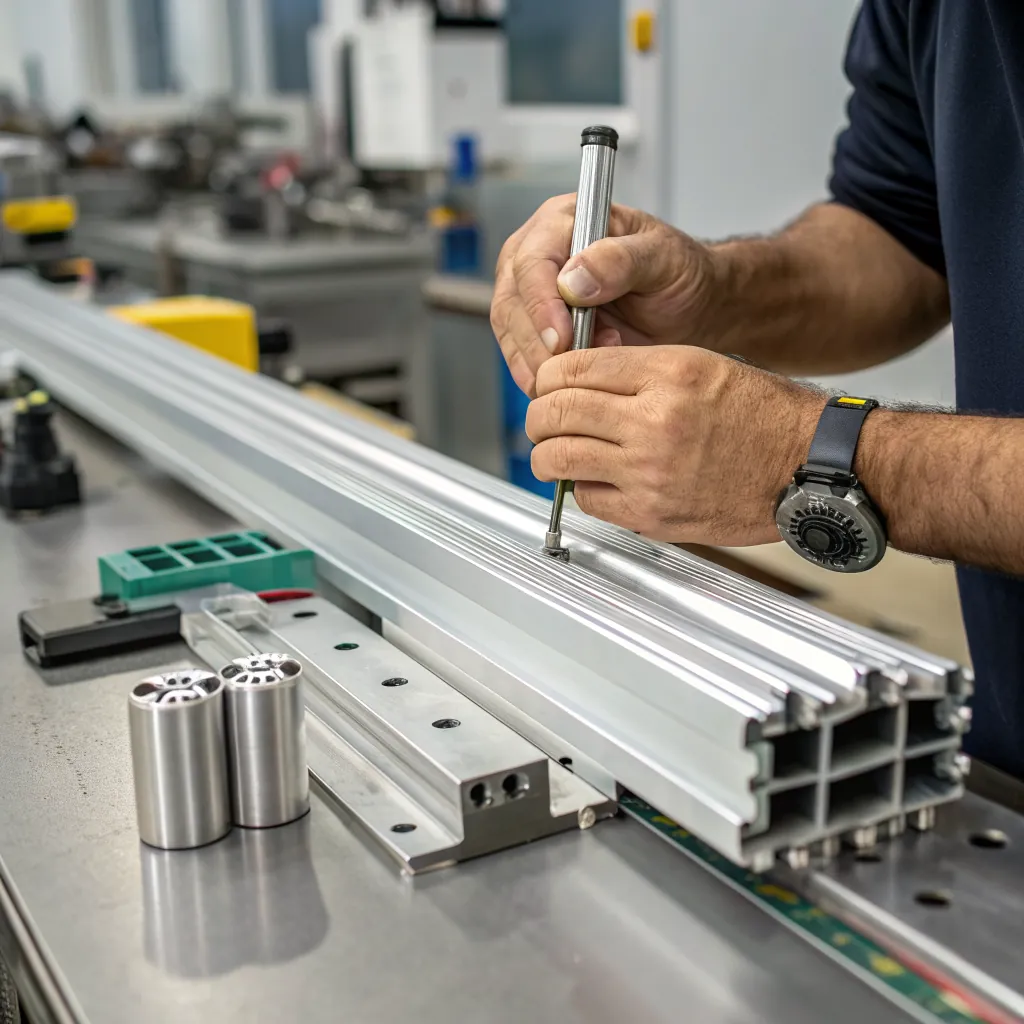
Burrs form when aluminum is cut, extruded, or machined, and they can cause a range of issues such as material fatigue, poor aesthetics, and even safety hazards. That’s why manufacturers must adhere to certain industry standards that govern the removal of these burrs.
Some of the most widely recognized standards come from organizations such as ASTM and ISO. For example, ASTM B221 addresses aluminum extrusions, outlining requirements for the shape, dimensions, and surface quality of the material. In this case, burrs are classified as surface defects that must be minimized or eliminated during the manufacturing process.
Other standards may specifically focus on burr height, burr edge sharpness, and the location of burrs. These guidelines help to prevent issues like poor anodizing adhesion or difficulties during further machining. By following these established standards, manufacturers can ensure a higher-quality product with fewer defects.
An important consideration in meeting burr removal standards is the method used for deburring. There are manual methods, such as scraping and sanding, and automated methods that use machines like rotary brushes, abrasive belts, or lasers. Each has its advantages and is chosen depending on the complexity and volume of the extrusions being processed.
Another important element of industry standards is documentation. Manufacturers are required to keep detailed records of their deburring processes, especially in industries like aerospace and automotive, where product integrity is critical. This documentation helps to ensure that each part adheres to the required standards.
Industry standards for burr removal focus on ensuring that the burr size, shape, and sharpness meet specific quality requirements.True
Industry standards like ASTM B221 provide guidelines on acceptable burr sizes and sharpness to ensure product safety and quality.
Deburring standards only apply to manual methods of burr removal, not automated machines.False
Both manual and automated methods of burr removal are subject to industry standards, as automated systems can achieve more precise results.
How is deburring quality inspected post-cutting?
After cutting and deburring aluminum extrusions, quality checks are essential to ensure the process meets industry standards.
Deburring quality is inspected using both manual and automated methods, including visual checks and precise measurements to ensure the final product is free of unacceptable burrs.
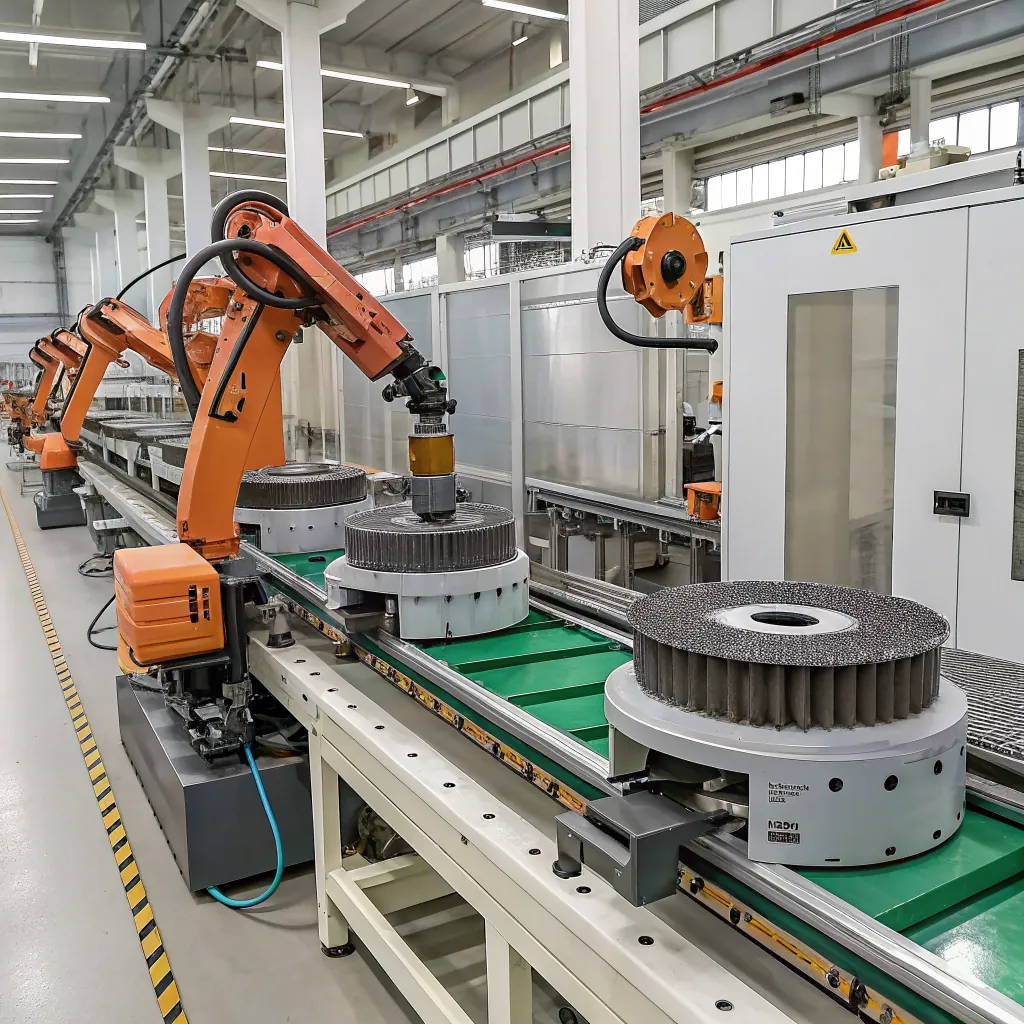
Once aluminum extrusions are deburred, manufacturers must inspect the quality of the deburring process to ensure compliance with industry standards. A variety of techniques are used for this, ranging from simple visual inspection to highly specialized equipment that measures burr size and shape with precision.
The simplest method of deburring inspection is a visual check. Operators can examine the extrusions under magnification to identify burrs or rough spots. However, this method may miss smaller or less noticeable defects, especially in high-volume production runs.
To ensure higher precision, manufacturers may use tools such as micrometers or calipers to measure the height of burrs. These instruments help verify that burrs fall within the acceptable limits set by the relevant standards. For example, a burr that exceeds the maximum allowed height may indicate the need for further deburring, while burrs that are within specifications can be deemed acceptable.
In some cases, manufacturers may use automated vision systems to inspect each extrusion in real-time. These systems employ high-resolution cameras to capture detailed images of the extrusions and identify any imperfections. Advanced algorithms can analyze these images to detect burrs, scratches, or any irregularities that might not be visible to the human eye. Automated inspection is particularly useful in industries that require high precision and consistency, such as aerospace and automotive manufacturing.
Another method is tactile inspection, where operators feel the edges of the extrusions to check for any sharpness. If the edges feel rough or sharp, further deburring is required.
The combination of visual, tactile, and automated inspection methods helps ensure that every extrusion meets the required burr removal standards and is ready for the next step in production.
Automated vision systems are essential in identifying burrs in high-volume aluminum extrusion production.True
Automated systems provide precise and efficient inspection that manual methods may not achieve, especially in high-volume settings.
Tactile inspection is the most accurate way to detect burrs on aluminum extrusions.False
Tactile inspection may not detect very fine burrs, making it less reliable than visual or automated inspection methods.
Can automated machines ensure consistent results?
Automation in the deburring process offers a high degree of consistency, but can it completely eliminate the variability of manual methods?
Automated machines can achieve highly consistent burr removal results, ensuring that each part adheres to the same high standards. This is particularly important in industries where precision is critical.

Automated machines have revolutionized the deburring process, offering manufacturers a way to remove burrs consistently and efficiently. Whether through the use of robotic arms, rotating brushes, or abrasive belts, automation ensures that each aluminum extrusion undergoes the same deburring process, reducing human error and variability.
One of the biggest advantages of automated machines is their ability to repeat the same deburring process on every part, leading to uniformity across large production runs. In high-volume settings, this consistency is essential. Machines can be programmed with exact specifications for burr removal, making the process much more reliable than manual methods, where operator skill and attention can vary.
For example, automated systems often incorporate sensors that detect the size of burrs and adjust the process accordingly. This allows for real-time adjustments to the deburring process, ensuring that even small burrs are effectively removed. In some cases, machines can even identify burrs that are not visible to the naked eye, making them more efficient than manual inspection.
Automated deburring machines are also much faster than manual methods, significantly reducing production time. They can work continuously, without breaks or fatigue, which is particularly beneficial for large-scale manufacturers who need to process hundreds or even thousands of parts every day.
That said, automated machines still require some level of maintenance and oversight. Regular calibration is essential to ensure that the deburring process remains within specified tolerances. However, the overall consistency and precision of automated machines make them an invaluable tool for manufacturers looking to streamline their production while maintaining high standards.
Automated machines improve consistency in burr removal, especially in high-volume production.True
Automation reduces human error and ensures each part undergoes the same deburring process, leading to greater uniformity.
Automated deburring machines require no maintenance once installed.False
Automated machines require regular calibration and maintenance to ensure consistent results.
Do surface treatments require additional deburring?
Surface treatments, such as anodizing or painting, often require additional deburring to ensure that the finish is smooth and even.
Deburring is critical before applying surface treatments to aluminum extrusions, as any remaining burrs can affect the quality of finishes like anodizing or painting.

When aluminum extrusions undergo surface treatments, such as anodizing, painting, or powder coating, it’s crucial to ensure that they are free from burrs or other imperfections. Burrs can interfere with the uniformity of these finishes, leading to poor adhesion or an uneven appearance.
For example, in anodizing, the presence of burrs can cause uneven oxide layers to form on the extrusion, compromising its corrosion resistance and aesthetic qualities. If the extrusion is going to be painted or powder-coated, burrs could cause the coating to peel or flake off over time, especially in areas where the coating has not properly adhered.
That’s why additional deburring steps are often needed before surface treatments are applied. These additional steps ensure that any burrs that might have been missed in the initial deburring process are removed, and the extrusion is perfectly smooth and ready for finishing.
In some cases, the type of surface treatment being applied will determine the level of deburring required. For example, anodizing may require a more thorough deburring process to prevent any defects in the oxide layer, while powder coating might be more forgiving. Regardless, manufacturers must always ensure that their extrusions are as smooth and clean as possible before applying any surface treatments.
In addition to burr removal, manufacturers may also need to consider other factors, such as the extrusion’s surface roughness, which can affect the adhesion of coatings. Specialized equipment, like vibratory deburring machines, can be used to achieve a smoother surface, especially when dealing with complex shapes or large batches of extrusions.
Surface treatments like anodizing or painting require additional deburring to ensure high-quality finishes.True
Deburring before surface treatments ensures that coatings adhere properly and the final finish is smooth and uniform.
Surface treatments can be applied without any deburring if the aluminum extrusion is rough.False
Burrs or rough surfaces can compromise the quality of surface treatments like anodizing or painting.
Conclusion
Deburring is a critical process in the production of aluminum extrusions. By following industry standards and using automated systems, manufacturers can ensure that their products meet high-quality and safety standards.