Pourquoi le bois est-il préféré à l'aluminium dans la construction des fenêtres ?

When choosing materials for window frames, one question often arises: Is wood really the better option over aluminium? Let’s explore why this choice matters for your home’s windows.
Wood is often preferred over aluminium in window construction due to its superior insulation, aesthetic appeal, and environmental benefits. Wood frames offer better energy efficiency, a timeless look, and natural sustainability.
Understanding why wood is the material of choice helps you make informed decisions about your window frame needs. But, how does it compare to aluminium in specific areas? Let’s take a closer look.
Are wood or aluminum windows better?
The decision between wood and aluminium windows can be overwhelming, but understanding their unique benefits can help you make the right choice. Let’s dive in.
Both materials have their benefits, but wood windows often outperform aluminium in insulation and aesthetics, while aluminium frames excel in durability and low maintenance.
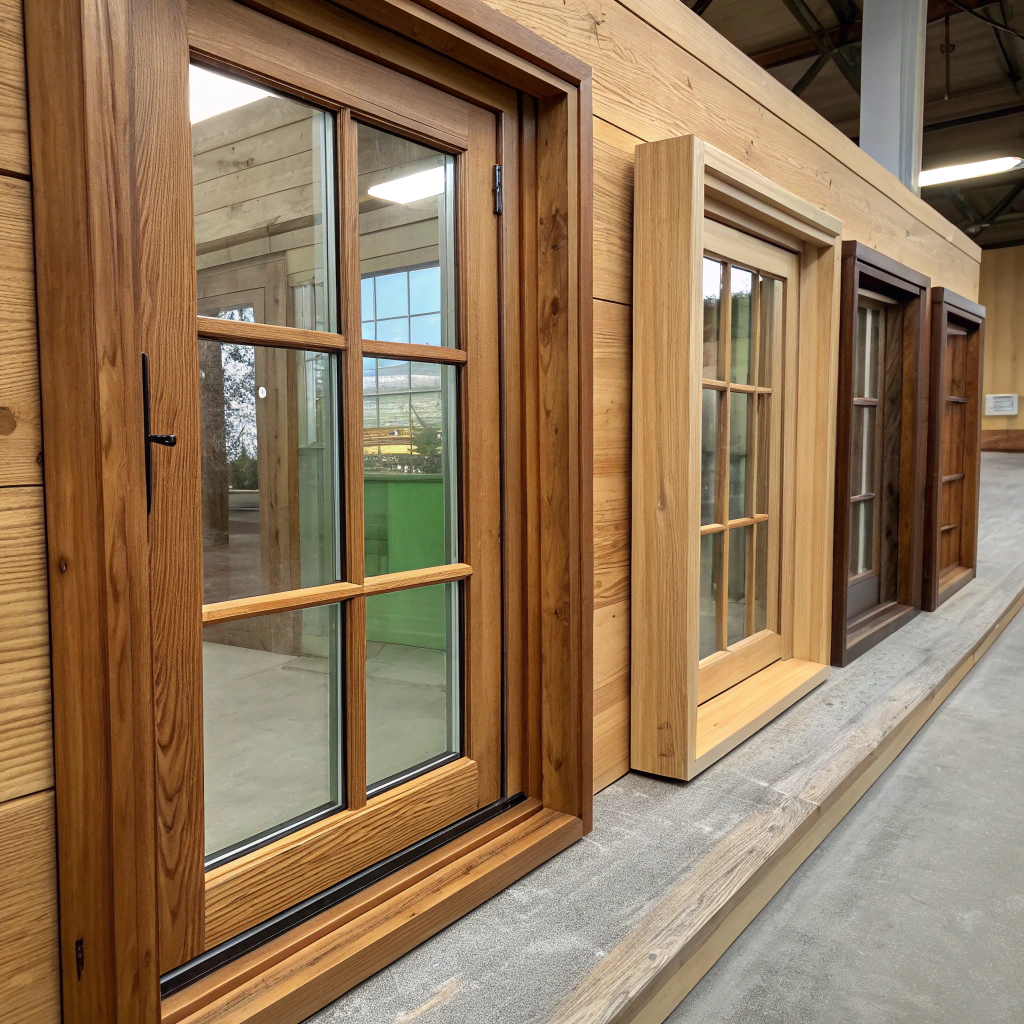
When deciding between wood and aluminium for window frames, it’s important to consider specific needs such as energy efficiency, maintenance requirements, and overall style.
Isolation
Wood is a much better insulator than aluminium. It naturally reduces heat loss and keeps your home warmer during winter and cooler in summer. This is because wood’s cellular structure traps air, which reduces the transfer of heat. In comparison, aluminium is a highly conductive material, meaning it allows heat to pass through more easily. This can lead to higher energy bills as heating or cooling systems must work harder to maintain comfortable temperatures.
Maintenance
Aluminium frames require less maintenance than wood. They are resistant to rotting, warping, and pest damage, making them a long-lasting option. However, while they are durable, aluminium frames can become cold to the touch and prone to condensation, which may create potential problems such as mildew or rust in certain climates. On the other hand, wood windows need regular maintenance, including painting or sealing, to ensure they last for decades. If properly maintained, wood can withstand the elements, but it requires effort to keep it in top shape.
Esthétique
Wood has a natural, classic look that many homeowners prefer. Its versatility allows for a range of finishes, from natural wood stains to painted looks, making it ideal for traditional and rustic designs. Wood windows add warmth to any space, while aluminium frames, although sleek and modern, may appear colder and more industrial. Aluminium can come in various colors and finishes, but it lacks the organic feel of wood. Ultimately, the aesthetic choice depends on personal preference and the desired architectural style.
Coût
Aluminium windows are generally less expensive than wood windows, especially when considering long-term maintenance costs. Wood can be more expensive upfront due to the material and installation costs. However, if you plan on living in a home for many years, the energy savings from wood windows might offset the higher initial cost.
Wood is a better insulator than aluminiumVrai
Wood traps air within its structure, reducing heat transfer and improving energy efficiency, unlike aluminium, which is a conductive material.
Aluminium windows require more maintenance than wood windowsFaux
Aluminium frames require less maintenance than wood. They are resistant to decay, unlike wood that may need regular painting or sealing.
What are the disadvantages of aluminum window frames?
While aluminium window frames have many benefits, they are not without their drawbacks. Let’s examine the reasons why aluminium may not always be the best choice.
Aluminium window frames are durable and low-maintenance, but they lack the insulation properties of wood and may lead to condensation problems.
Aluminium has some distinct advantages, such as its strength and low maintenance, but it also comes with a few significant downsides that might make it less suitable for certain homes.
Mauvaise isolation
One of the biggest disadvantages of aluminium window frames is their poor insulation properties. Unlike wood, which has natural insulating properties, aluminium is a conductor of heat. This means that aluminium frames can lead to temperature fluctuations within the home, making it harder to maintain a stable indoor climate. This results in higher energy consumption and energy bills.
Condensation Issues
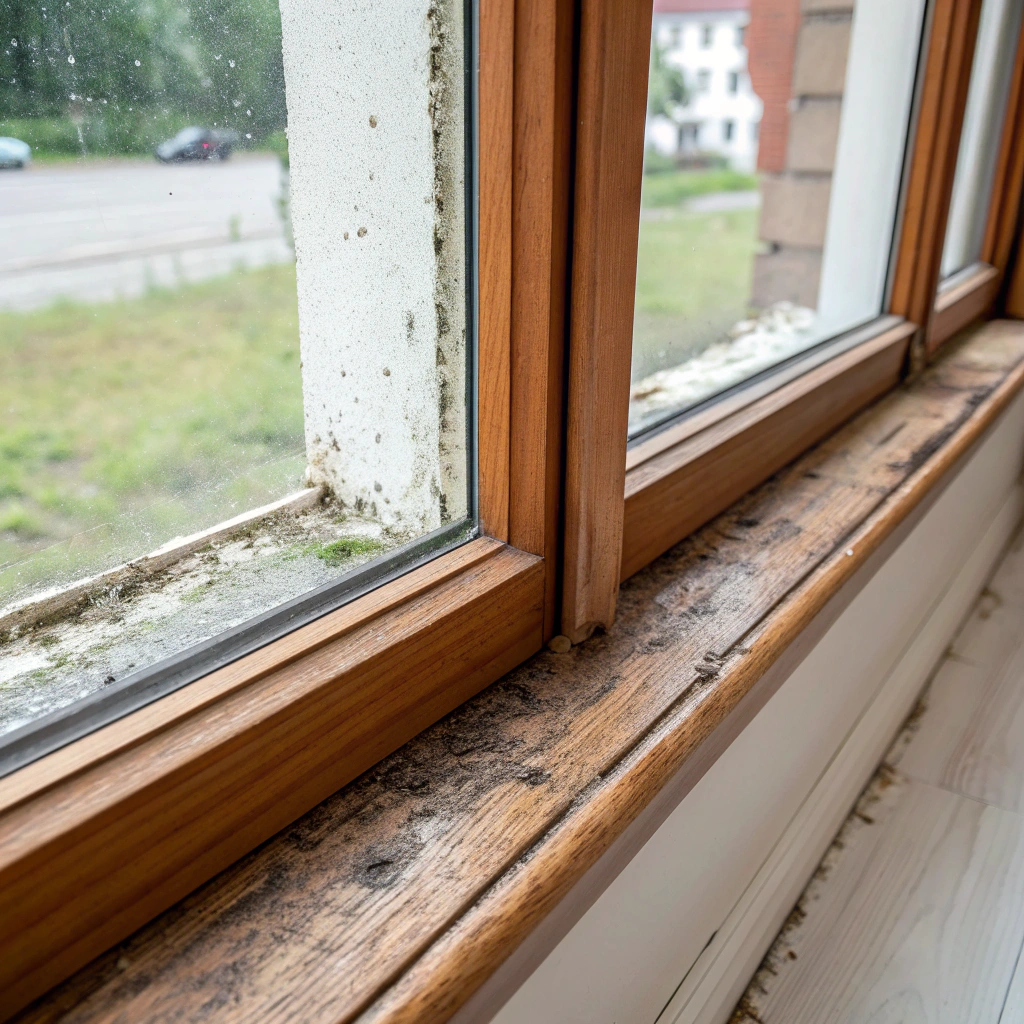
Because aluminium is highly conductive, it can allow moisture to build up on the inside of the frame, especially in areas with high humidity. This can lead to condensation forming on the interior side of the window, which could cause issues like mold, mildew, and rust over time. Wood frames, although they require more maintenance, do not generally suffer from condensation problems as much as aluminium frames.
Impact sur l'environnement
The production of aluminium requires significant energy, and mining for aluminium can have a negative environmental impact. While aluminium can be recycled, the process is still more energy-intensive than wood. Wood, when harvested sustainably, is a renewable resource that offers an eco-friendly option for window construction. If environmental impact is a significant concern, wood windows are a more sustainable choice.
Limited Design Flexibility
While aluminium windows come in sleek, modern designs, they often lack the flexibility that wood offers in terms of customization. Wood can be stained or painted to match the unique aesthetic of a home, whereas aluminium frames are limited to the colors and finishes available from the manufacturer. For homeowners seeking a more personalized or traditional look, wood may be the preferred option.
Aluminium windows are more environmentally friendly than wood windowsFaux
While aluminium can be recycled, its production requires more energy and has a larger environmental footprint compared to sustainably sourced wood.
Condensation is a common issue with aluminium window framesVrai
Aluminium frames are prone to condensation due to their high conductivity, which can lead to mold and mildew issues.
Why do people put wood on their windows?
Many homeowners choose wood for their windows. What’s the reasoning behind this choice? Let’s look into why wood is still a popular option for window frames.
Wood is chosen for windows for its aesthetic beauty, energy efficiency, and sustainability. Its ability to provide insulation and its timeless look make it an appealing option for many homeowners.
There are several reasons why wood continues to be a popular choice for window frames. Let’s break down the key factors that influence this decision.
L'attrait esthétique
One of the main reasons people choose wood for their windows is the aesthetic quality it adds to a home. Wood provides a warmth and natural beauty that no other material can replicate. Whether you’re looking for a classic, rustic, or modern look, wood offers versatility. It can be stained or painted to match any design, making it a perfect fit for nearly any type of home, from historic to contemporary styles.
Efficacité énergétique
Wood is a natural insulator. This means that it can keep your home warmer in winter and cooler in summer by reducing the heat transfer through the window frame. This energy efficiency is a major selling point for wood windows, especially in homes located in climates that experience extreme temperatures. Aluminium frames, by comparison, are less effective at insulating, which is why many people turn to wood for better energy savings in the long term.
Durabilité
Another reason why wood is favored is its sustainability. Wood is a renewable resource, and when sourced from responsibly managed forests, it can be an eco-friendly material. Unlike aluminium, which requires energy-intensive processes to extract and refine, wood can be harvested and regrown with less environmental impact. Additionally, wood frames can be recycled, further reducing their environmental footprint.
Personnalisation
Wood provides a level of customization that aluminium cannot. You can easily change the finish of wood frames, paint them, or even adjust the size to fit your specific needs. For those who desire a unique look, wood offers the flexibility to create a one-of-a-kind appearance for their windows. This is especially important in custom-built homes or for homeowners who prefer a highly personalized style.
Wood is more customizable than aluminiumVrai
Wood frames can be stained, painted, and shaped to meet the unique style needs of homeowners, whereas aluminium is more rigid and limited in its design flexibility.
Wood windows require no maintenanceFaux
Wood windows require maintenance, such as painting and sealing, to protect against rot and weathering.
What are the benefits of wood windows?
Wood windows have long been known for their many advantages. But what are the specific benefits that make them a preferred option for many homeowners?
The benefits of wood windows include better insulation, sustainability, enhanced aesthetic appeal, and customizability. Wood provides a natural, timeless beauty that can complement any architectural style.
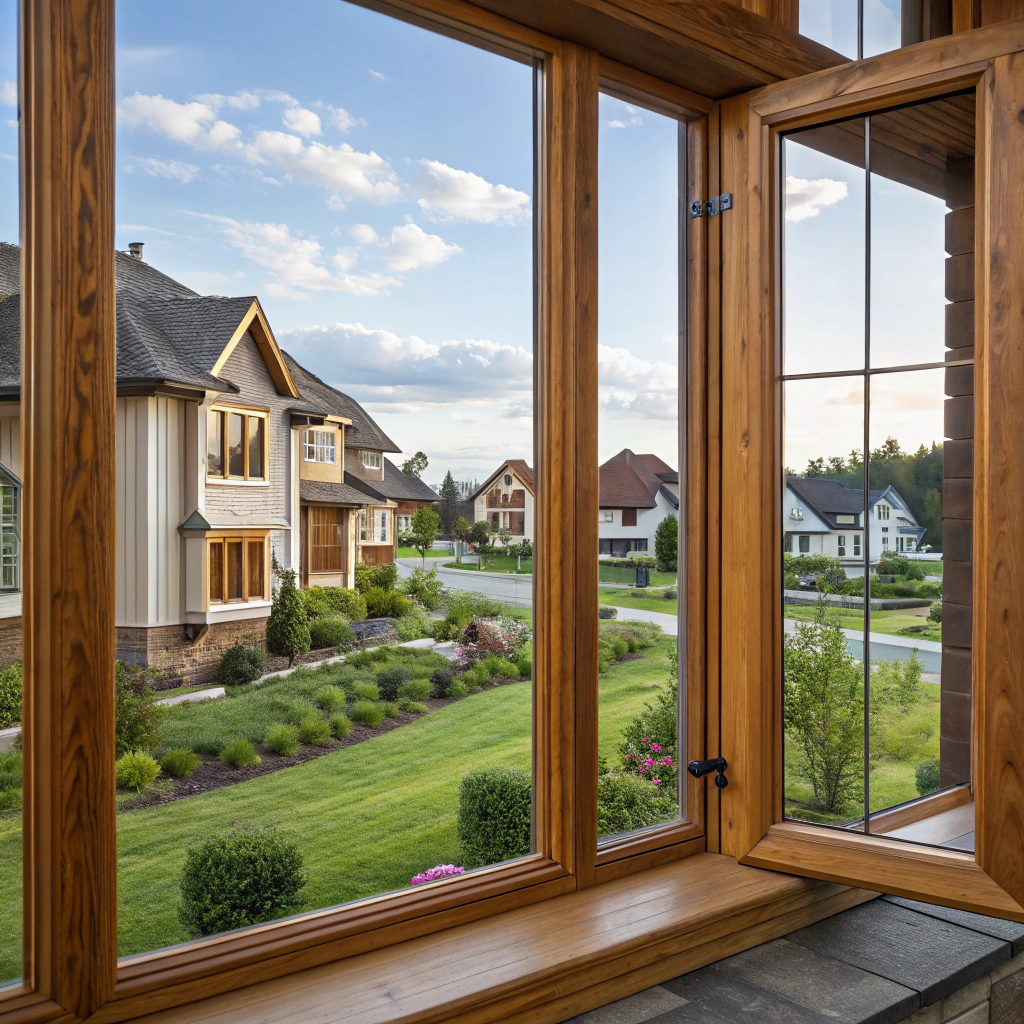
Wood windows offer numerous benefits, making them a solid choice for many homeowners. Let’s explore some of the most compelling advantages of choosing wood for your window frames.
Efficacité énergétique
As mentioned earlier, wood is an excellent natural insulator. This can significantly improve the energy efficiency of your home, helping you save on heating and cooling costs. Because wood does not conduct heat as aluminium does, it helps keep your home’s temperature more stable year-round. This makes wood windows a great investment for homeowners looking to reduce their carbon footprint and energy bills.
Durabilité
Wood windows are incredibly durable if cared for properly. Many historic homes still feature original wood windows that have lasted for generations. With regular maintenance—such as painting or sealing—wood frames can withstand the elements and continue to perform effectively. While wood windows may require more care than aluminium, the investment can pay off in the long term if properly maintained.
Personnalisation
One of the standout features of wood windows is the ability to customize them to suit the unique design and needs of your home. Whether you want to match the wood frame with your interior decor or create a custom design to fit a specific space, wood can be shaped, stained, or painted to meet your preferences. This level of customization is difficult to achieve with materials like aluminium or vinyl.
Respect de l'environnement
Wood is a renewable resource, and when sourced responsibly, it’s an environmentally friendly choice. Unlike aluminium, which is energy-intensive to produce, wood windows have a much smaller carbon footprint. Furthermore, many manufacturers use sustainable forestry practices, ensuring that the wood used in window frames is responsibly harvested.
Wood windows are a better investment than aluminium windowsVrai
Wood windows provide superior energy efficiency and durability, along with the ability to customize and create a timeless look, making them a more valuable investment over time.
Wood windows are only suitable for traditional homesFaux
Wood windows can complement both traditional and modern homes, thanks to their versatility in design and finishes.
Conclusion
In the end, the choice between wood and aluminium windows depends on your priorities. If you value energy efficiency, aesthetic beauty, and sustainability, wood is likely the better option for your home.