What is aluminum extrusion used for?
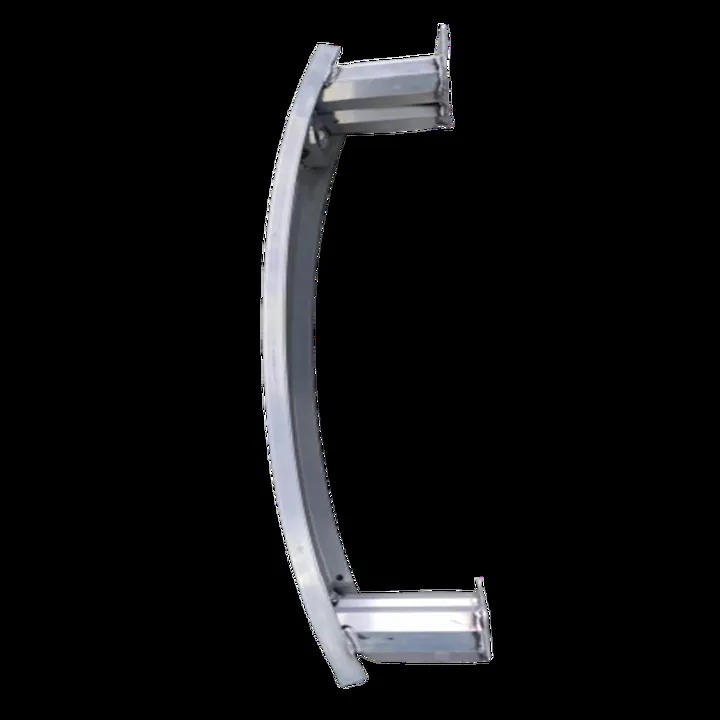
People often see aluminum profiles and wonder where they fit in real-world applications. But these extrusions are everywhere—from factories to solar farms.
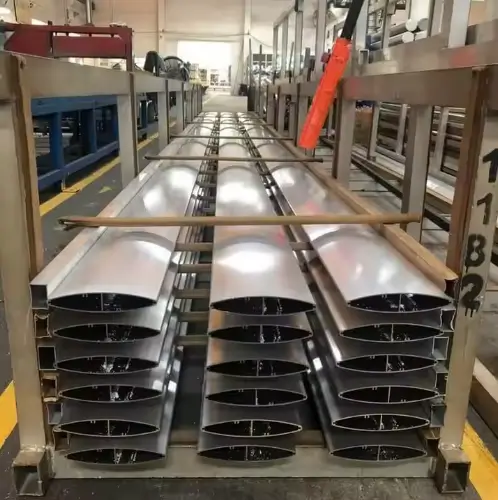
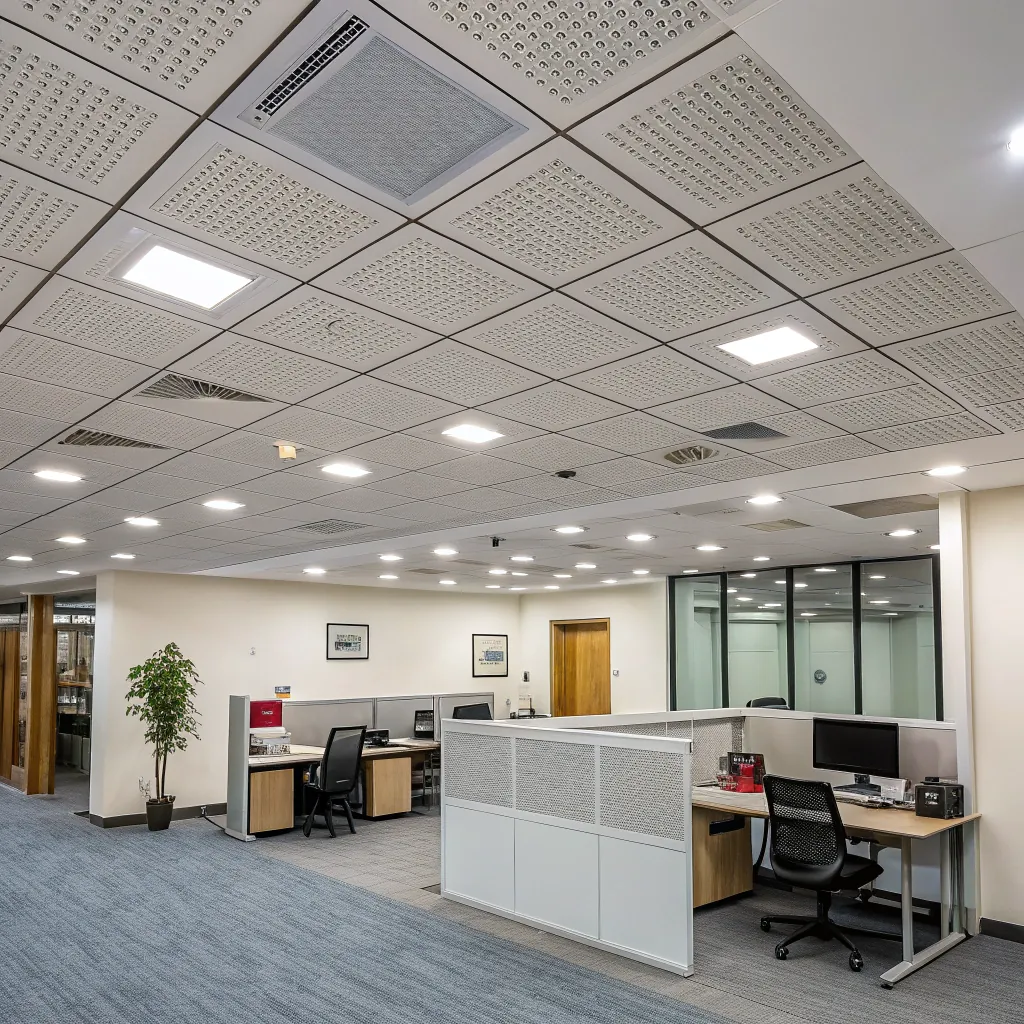
Aluminum extrusions are used in framing, automation, construction, and modular design because they are strong, lightweight, and easy to customize.
Many first-time buyers only think of aluminum as just a metal rod. But once you see how versatile extrusions can be, you’ll start recognizing them in everything from airport gates to robotic arms.
How do extrusions support industrial framing?
Building equipment frames from scratch with welded steel can be expensive, heavy, and difficult to adjust later. It’s a pain when a small change means cutting and re-welding.
Aluminum extrusions support industrial framing by offering a lightweight, modular, and easy-to-assemble alternative to welded steel frames.
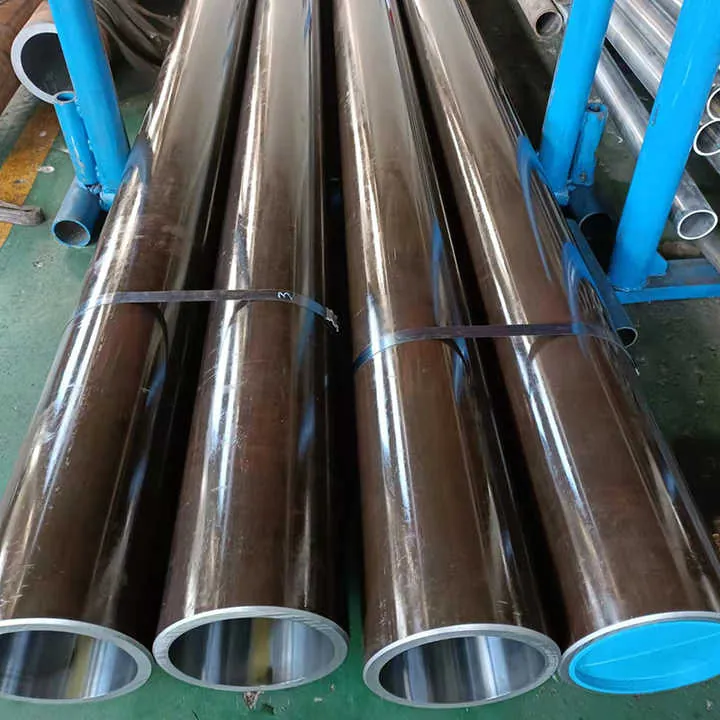
I’ve built machine enclosures and workstations entirely with T-slot aluminum profiles. These frames are fast to assemble with just Allen bolts and brackets. And when a customer needs a change, I don’t have to start over. I just reconfigure the existing frame.
Benefits of using aluminum for framing:
| Fonctionnalité | Cadre en acier | Cadre en extrusion d'aluminium |
|---|---|---|
| Poids | Lourd | Léger |
| Assemblée | Requires welding | Simple fasteners |
| Ajustement | Hard to modify | Fully modular |
| Traitement de surface | Needs paint | Anodized finish available |
| Résistance à la corrosion | Besoin d'un revêtement | Naturally corrosion resistant |
Key framing applications:
- Machine safety enclosures
- Conveyor structures
- Adjustable lab benches
- Warehouse partition walls
The adaptability of aluminum framing means fewer design headaches and lower labor costs.
Aluminum extrusions are ideal for industrial framing because they are modular and require no welding.Vrai
T-slots and brackets allow easy construction and adjustment without welding.
Steel frames are easier to modify than aluminum extrusion structures.Faux
Steel requires cutting and welding to change, while aluminum systems can be adjusted with simple tools.
Why extrusions benefit automation equipment?
Automation systems need speed, flexibility, and easy maintenance. Rigid frames or custom welds slow down upgrades.
Aluminum extrusions benefit automation equipment by allowing flexible mounts for sensors, actuators, and guides, while keeping the structure lightweight and rigid.
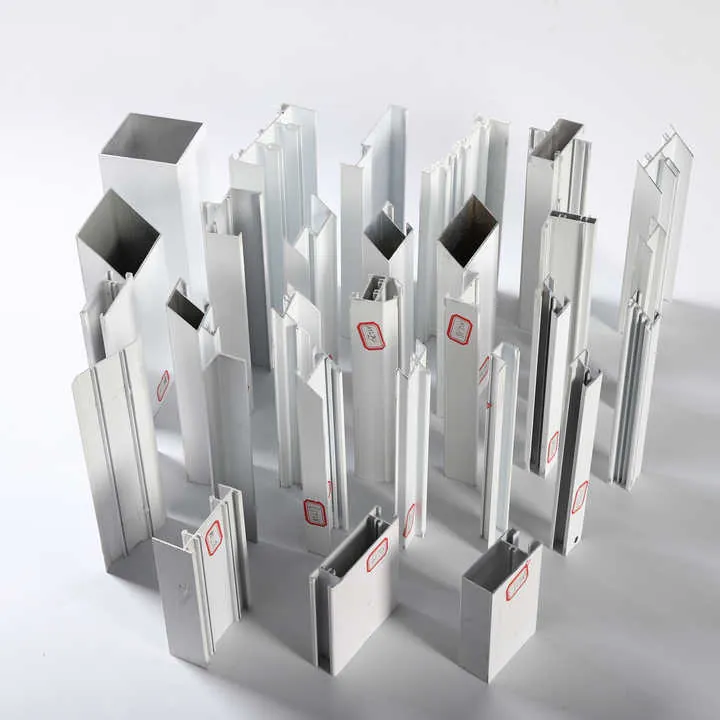
I’ve worked on a few packaging automation projects, and T-slot aluminum frames were a game changer. We mounted linear guides, motors, sensors, and control panels directly to the frame without drilling.
Typical uses in automation:
- Robot base frames
- Gantry system support
- Pneumatic or electric actuator mounts
- Sensor arrays and camera rigs
- Custom tool holders
Why extrusions make sense for automation:
| Avantage | Description |
|---|---|
| Drill-free mounting | T-slots let you add parts without extra holes |
| Easy cable routing | Channels double as wire paths |
| Prototypage rapide | Modify systems in real time |
| Vibration control | Extrusions absorb minor machine vibrations |
Many automation engineers also prefer extrusions because they make maintenance easier. If a motor needs swapping, you just loosen a bolt—not cut through welded steel.
Aluminum extrusions allow easier component mounting for automation systems.Vrai
T-slots enable modular attachment of parts like sensors, actuators, and brackets.
Aluminum extrusions are too weak for industrial automation and should be avoided.Faux
Aluminum extrusions are engineered for strength and are widely used in factory automation.
Where is aluminum extrusion used outdoors?
People assume aluminum can’t survive outdoors, but that’s not true—especially with surface treatment.
Aluminum extrusions are used outdoors in applications like solar panel mounts, fences, pergolas, and signage structures due to their corrosion resistance and lightweight strength.

I recently worked on a solar farm where the mounting rails were all extruded aluminum. They were anodized to withstand rain, dust, and even salty air near the coast.
Common outdoor extrusion uses:
- Solar mounting frames
- LED streetlight housings
- Highway signage frames
- Public transit station structures
- Outdoor furniture frames
Outdoor benefits of aluminum extrusions:
| Fonctionnalité | Pourquoi c'est important |
|---|---|
| Résistance à la corrosion | Withstands weather without rust |
| Léger | Transport et installation plus faciles |
| Strength-to-weight | Holds heavy loads without bulk |
| Finitions de surface | Anodizing or powder coating extends life |
Outdoor installations often rely on aluminum because it’s easier to move, lift, and assemble—especially in hard-to-reach or large-scale areas like rooftops or mountainsides.
Anodized aluminum extrusions are suitable for long-term outdoor use.Vrai
Anodizing creates a corrosion-resistant layer ideal for sun, rain, and dust.
Aluminum extrusions rust when exposed to rain and should not be used outdoors.Faux
Aluminum does not rust like steel and is often used in wet environments.
Can extrusions enable modular design?
Traditional design is rigid—once something is welded or bolted, it’s final. But modular systems let you tweak, expand, or even dismantle and re-use components.
Yes, aluminum extrusions enable modular design by allowing parts to be added, moved, or removed easily without cutting or welding.
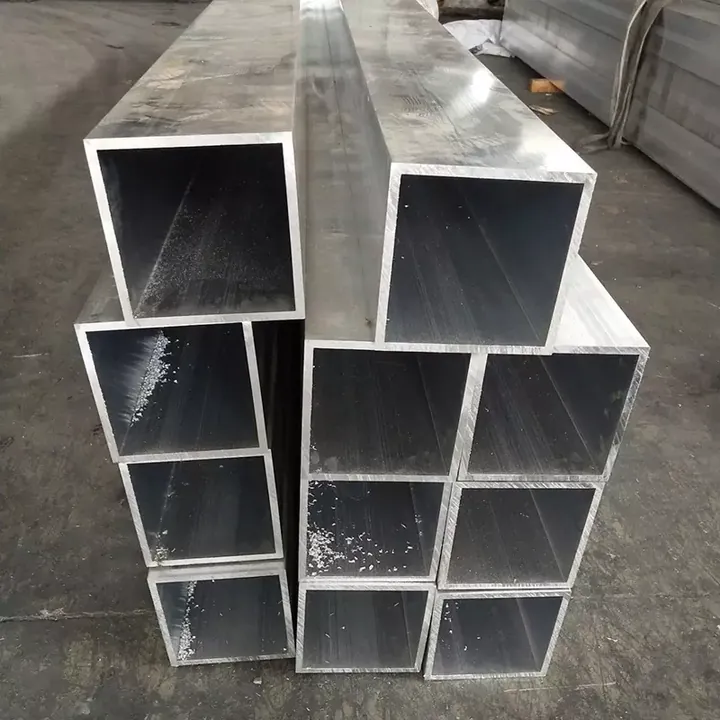
I once built an electronics test bench that started as a simple table. Over time, I added vertical supports, monitor mounts, shelves, and tool trays—all without redoing the frame. That’s the power of modular design.
Modular applications of extrusions:
- Maker space workbenches
- DIY 3D printer frames
- Retail displays
- Trade show booths
- Adjustable lab setups
Core elements of a modular extrusion system:
| Composant | Fonction |
|---|---|
| T-slot profiles | Main structure and rail base |
| Brackets & joints | Connect profiles at various angles |
| End caps & covers | Finish edges and protect slots |
| Panels & inserts | Add enclosures or visual elements |
This approach saves both time and money. You can reuse parts across projects or quickly prototype new layouts.
Modularity also makes it easy to ship or store disassembled units. This is great for industries that need mobile setups like field testing or pop-up shops.
Aluminum extrusions are perfect for modular design because they can be reassembled without permanent fixes.Vrai
Components can be added or rearranged without cutting or welding.
Modular design using aluminum extrusions is only useful for light-duty home projects.Faux
Extrusions are widely used in heavy-duty industrial modular setups like automation cells and enclosures.
Conclusion
Aluminum extrusions are more than just long metal bars. They power modular frames, automation lines, solar farms, and outdoor structures across industries. Their strength, flexibility, and ease of use make them essential in modern engineering.