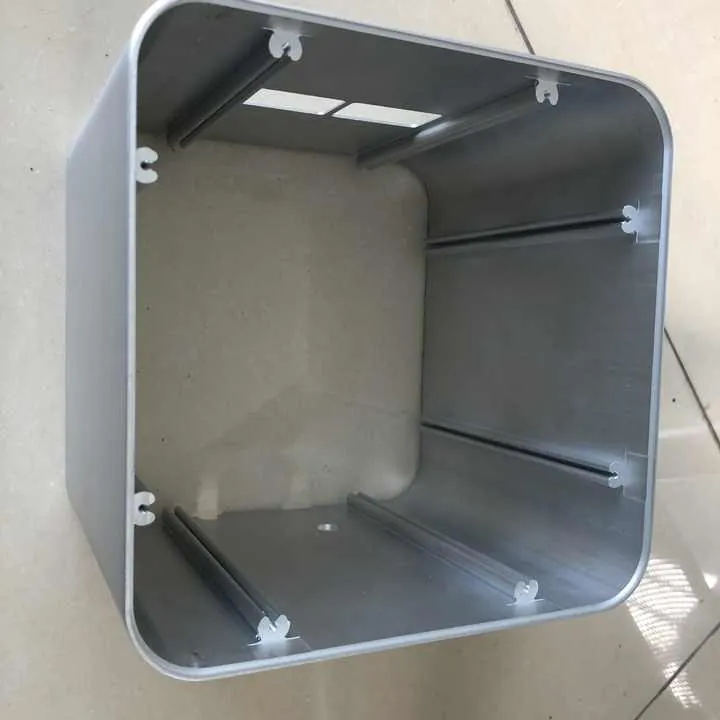
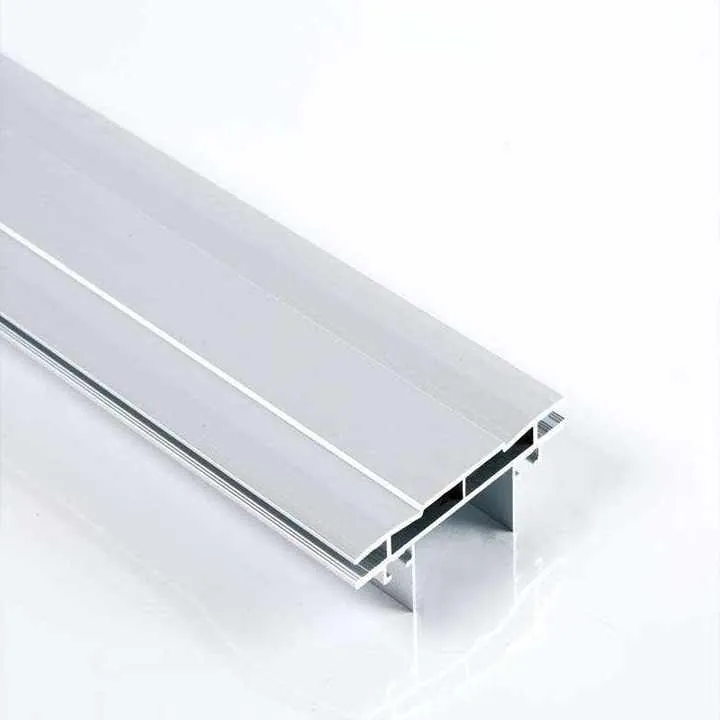
Is anodized aluminum extrusions?

Worried whether your aluminum extrusion is truly anodized and if it stands up to real‑use demands? Let’s break it down.
Yes—an aluminum extrusion can be anodized, meaning the profile has undergone an electrolytic surface treatment to create a durable oxide layer that enhances corrosion resistance, wear resistance, and/or aesthetics.
Now that we’ve answered the core question, I’ll guide you through four key aspects: how you can tell if an extrusion is anodized; why anodizing improves corrosion resistance; how you should maintain the anodized surface; and whether it can boost appearance. Let’s dive in.
What indicates an extrusion is anodized?
Ever received a batch of aluminium profiles and wondered if they’re really anodized? The clues are there.
Indicators of anodizing include a uniform oxide layer, characteristic surface finish (matte or shiny), consistent colour or dyeing, and documentation or marking of the anodizing specification.

When inspecting an aluminium extrusion to confirm anodizing, I check both visual cues and documentation.
Visual cues
| Fonctionnalité | Description |
|---|---|
| Finition de la surface | Consistent sheen or matte look, possibly with colour if dyed |
| Flow Lines | Visible extrusion texture along the length |
| Transparence | Oxide layer is clear; alloy surface shows through |
| No Flaking | Layer is integral, unlike paint |
- If dyed, colour is even across the piece—not painted on.
- Uneven finish could indicate paint or poor anodizing.
- Scratches exposing bare metal may show failed anodizing.
Documentation
- Request anodizing specs (e.g., MIL-A-8625 or ISO equivalents)
- Verify alloy suitability (6063, 6463 preferred)
- Confirm sealing and film thickness
An extrusion that shows a consistent, integral oxide layer with uniform sheen and is accompanied by a proper anodizing spec is anodized.Vrai
Because true anodizing results in a bonded oxide layer, not simply surface paint, and documentation/specs support this.
If an extrusion looks painted in colour it must still be anodized.Faux
Painted surfaces may mimic dyed anodizing but do not offer the same integral oxide‑layer structure.
Why anodizing improves corrosion resistance?
Corrosion can silently undermine aluminium parts, especially in harsh environments—but anodizing offers a powerful defence.
Anodizing thickens the natural aluminium oxide layer, forming a robust barrier that protects the underlying metal from environmental attack, thus significantly improving corrosion resistance.
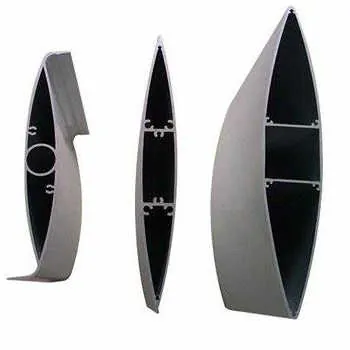
The natural oxide layer forms instantly on aluminium in air. But it’s thin—just a few nanometres. Anodizing grows this layer to several microns thick through an electrolytic process.
How anodizing protects
| Protection Mechanism | Résultat |
|---|---|
| Thicker oxide layer | Blocks corrosive ions |
| Scellement | Closes pores to prevent ingress |
| Intégration | Layer does not peel or flake |
| Dureté de la surface | Resists wear and abrasion |
- Proper sealing improves corrosion resistance.
- The anodic film remains stable in neutral pH.
- In aggressive environments (e.g. salt spray), anodized extrusions outperform untreated aluminium.
The anodizing process creates a thicker oxide layer that enhances protection of the aluminium substrate from environmental damage.Vrai
Because the process grows the oxide layer and sealing further enhances it, making a real barrier to corrosion.
Anodizing only adds colour and does not significantly change corrosion resistance.Faux
While anodizing can include colour, its main functional effect is to improve oxide thickness and resistance.
How to maintain anodized surfaces?
You’ve invested in good anodized extrusions—but if you ignore maintenance, you may undercut their benefits.
Routine cleaning, avoiding harsh chemicals or abrasive methods, and prompt repair of damage ensure that anodized surfaces retain their protective and aesthetic qualities over time.

Conseils d'entretien
| Tâche | Action |
|---|---|
| Nettoyage | Use neutral pH soap and soft cloth |
| Rinçage | Always rinse thoroughly with clean water |
| L'inspection | Look for scratches or corrosion |
| Produits chimiques | Avoid strong acids or alkalis |
| Abrasifs | Avoid scouring pads or harsh tools |
- Edge staining is a sign of pollutant accumulation.
- Keep a maintenance log for larger structures.
- Re-sealing or refurbishing may be needed if surface is damaged.
For profiles with fine machining or custom holes, ensure anodizing didn’t change dimensions too much. Sealing gaps or interfaces is also crucial to avoid galvanic corrosion.
Regular cleaning with mild detergent and water helps maintain anodized aluminium’s protective properties.Vrai
Because removing contaminants prevents accelerated corrosion or staining that could compromise the oxide layer.
Anodized aluminium needs no maintenance at all once applied.Faux
Even though the layer is durable, pollutants, damage and chemical attack still require periodic attention.
Can anodizing enhance appearance?
Sure, anodizing can boost performance—but what about looks? The answer is yes, and more than you might expect.
Anodizing gives aluminium extrusions a refined finish with options for transparent or dyed colour, uniform sheen, and durable surface that preserves its look far longer than many coatings.

Anodizing enhances both surface texture and colour. The oxide layer is transparent and retains the metallic character of aluminium.
Appearance Options
| Fonctionnalité | Description |
|---|---|
| Couleur | From clear to black, bronze, gold, blue |
| Texture | Satin, matte, brushed or polished options |
| Sheen | Uniform gloss without paint brush marks |
| Brand Fit | Custom colours match branding needs |
- Colour stability varies; some dyes resist UV better than others.
- Pre-treatment before anodizing determines final gloss.
- Poor alloy selection or bad extrusion can reduce consistency.
This makes anodized profiles ideal for visible structures—storefronts, architectural panels, or designer fixtures. Clients value both the look and long-term finish durability.
Anodized aluminium extrusions can be coloured by dyeing and provide a durable aesthetic finish.Vrai
Because the porous anodic film can absorb dyes and then be sealed, enabling coloured finishes which are integrated.
Anodizing only gives one finish—natural silver metallic—with no aesthetic variation.Faux
Because anodizing allows transparent finishes and dyed colours, and different pre‑treatments control matte/gloss levels.
Conclusion
Anodizing aluminium extrusions is a smart move: it gives functional strength—better corrosion resistance, wear protection—and aesthetic polish via refined finishes and colour options. With correct specification and maintenance, you get durable profiles that perform and look premium.