Aluminum extrusion coating adhesion requirements?

Coatings fail more often from poor adhesion than from poor material choice. Peeling, blistering, and flaking usually appear after installation. Many buyers focus on coating thickness and color. Adhesion is checked too late.
Aluminum extrusion coating adhesion depends on surface condition, preparation method, coating type, and test standards used to verify bond strength.
In real projects, adhesion problems lead to rework, delays, and customer complaints. This article explains which adhesion standards apply, how adhesion is tested, why pre-cleaning matters, and which coatings bond best to anodized aluminum.
What adhesion standards apply to coatings?
Many coating defects trace back to unclear standards. Without defined adhesion criteria, suppliers and buyers judge quality differently. This causes disputes.
Coating adhesion on aluminum extrusions is commonly defined by cross-hatch, pull-off, or bend test standards specified by ISO and ASTM methods.

Why adhesion standards are required
Adhesion standards give a common language. They define how much force or damage is acceptable before failure. Without standards, inspection becomes subjective.
Standards help:
- Compare suppliers
- Set pass or fail limits
- Reduce quality disputes
They also guide coating line setup and surface preparation.
Commonly referenced standards
Most industrial aluminum coatings follow a small group of standards.
| Standard | Type de test | Utilisation typique |
|---|---|---|
| ASTM D3359 | Cross-hatch | Revêtement en poudre |
| ISO 2409 | Cross-cut | Anodized or painted |
| ASTM D4541 | Pull-off | High performance coatings |
These standards are widely accepted and easy to audit.
How standards are specified in orders
Good purchase orders do not just say “good adhesion.” They specify:
- Test method
- Acceptance class or rating
- Test location and frequency
For example, cross-hatch class 0 or class 1 is often required for architectural coatings.
Practical issues seen in factories
In practice, adhesion can vary across one profile. Corners, weld seams, and thick sections behave differently.
Because of this, serious buyers:
- Define critical test areas
- Require routine line audits
- Keep records per batch
This approach reduces random failures after delivery.
Coating adhesion is commonly evaluated using ASTM and ISO test standards.Vrai
These standards define accepted methods and ratings for adhesion.
There are no formal standards for coating adhesion on aluminum extrusions.Faux
Multiple international standards are widely used.
How is adhesion tested on extruded surfaces?
Testing adhesion is not complex. Still, incorrect testing leads to wrong conclusions. Method selection must match coating type and application.
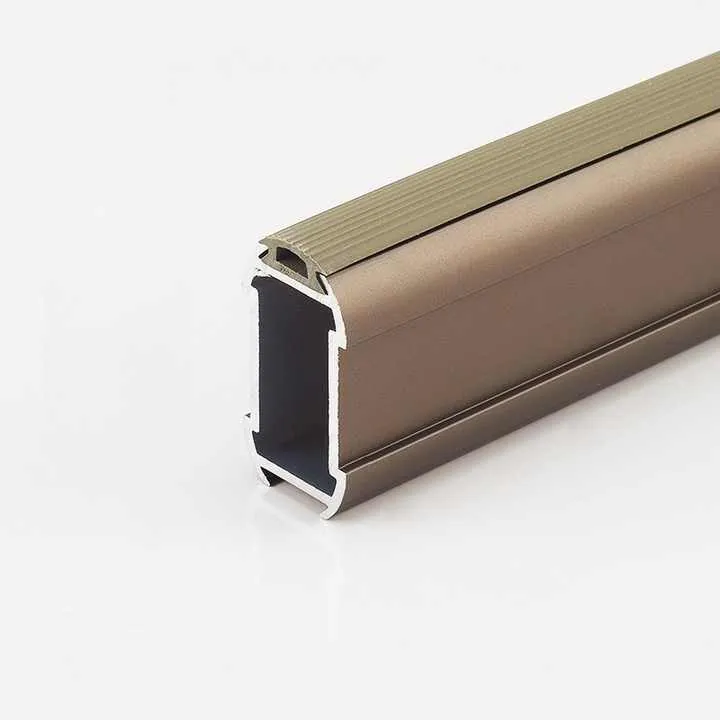
Adhesion on aluminum extrusions is tested by mechanically stressing the coating through cutting, pulling, bending, or impact methods.
Cross-hatch and cross-cut testing
This is the most common method. A grid is cut through the coating to the substrate. Tape is applied and removed.
The result is rated based on how much coating detaches.
Avantages :
- Rapide
- Faible coût
- Easy to repeat
Limitations:
- Dommages de surface
- Subjective edge evaluation
Pull-off testing
Pull-off testing measures actual force required to detach a coating. A dolly is glued to the surface and pulled perpendicular.
This method gives numerical values. It is useful for thick or critical coatings.
However:
- It damages the part
- Surface prep affects glue strength
- Not suitable for thin decorative layers
Bend and deformation tests
Some extrusions are bent or formed after coating. Bend tests check if coating cracks or peels during deformation.
These tests are common in:
- Pièces détachées automobiles
- Frames with post processing
Choosing the right test
| Méthode d'essai | Meilleur pour | Not Ideal For |
|---|---|---|
| Cross-hatch | Revêtement en poudre | Very thick films |
| Pull-off | Heavy duty coatings | Thin decorative finishes |
| Essai de flexion | Formed profiles | Rigid structures |
Testing should reflect real service conditions.
Cross-hatch testing checks coating adhesion by cutting and tape removal.Vrai
This method evaluates coating bond by observing detachment.
Pull-off tests do not damage the aluminum extrusion.Faux
They permanently damage the tested area.
Can pre-cleaning improve coating adherence?
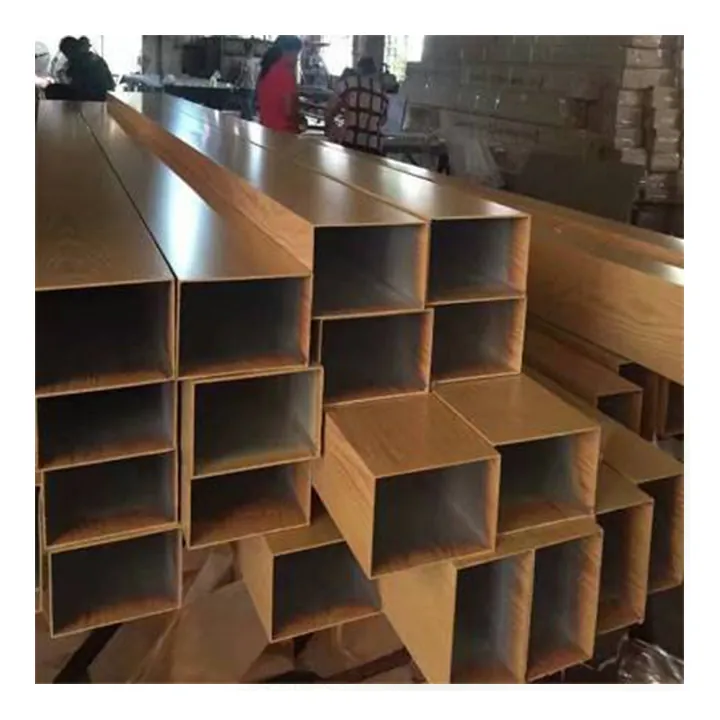
Poor adhesion often starts before coating. Surface contamination blocks bonding. Many failures come from skipping or shortening cleaning steps.
Proper pre-cleaning significantly improves coating adhesion by removing oils, oxides, and residues from aluminum extrusion surfaces.
Sources of surface contamination
Extrusions leave the press with residues. Handling adds more.
Common contaminants include:
- Extrusion lubricants
- Cutting oils
- Empreintes digitales
- Natural oxide layers
Even clean looking surfaces can block adhesion.
Pre-cleaning methods used in industry
Several cleaning stages are common before coating.
Dégraissage
Alkaline or solvent degreasing removes oils and organic matter.
Gravure
Acid or alkaline etching removes surface oxides and creates micro roughness.
Conversion coating
Chromate or chrome free systems improve chemical bonding between aluminum and coating.
Impact of cleaning on adhesion results
In production, proper cleaning often improves cross-hatch results by one or two classes. It also reduces long term delamination.
| Cleaning Level | Typical Adhesion Result |
|---|---|
| Minimal wipe | Poor to fair |
| Degrease only | Juste |
| Full pretreatment | Good to excellent |
This shows why pretreatment investment pays off.
Common mistakes seen in projects
Some buyers request low cost coating and skip pretreatment. Initial appearance looks fine. Failures appear after months.
Les bonnes pratiques comprennent :
- Auditing pretreatment lines
- Checking chemical concentration
- Monitoring rinse water quality
These controls protect adhesion consistency.
Surface pre-cleaning improves coating adhesion on aluminum extrusions.Vrai
It removes contaminants and improves bonding.
Coating adhesion is not affected by surface contamination.Faux
Contamination blocks proper bonding.
Which coatings adhere best on anodized aluminum?
Anodized aluminum has a stable oxide layer. This layer improves corrosion resistance. It also changes how coatings bond.
Coatings that chemically bond or mechanically key into anodized aluminum pores show the best adhesion performance.

Nature of anodized surfaces
Anodizing creates a porous oxide structure. These pores can accept dyes or sealants. They also affect coating adhesion.
Unsealed anodizing allows better mechanical anchoring. Fully sealed surfaces reduce adhesion.
Coatings commonly applied on anodized aluminum
Not all coatings behave the same.
| Type de revêtement | Adhesion on Anodized Surface |
|---|---|
| Revêtement en poudre | Good with proper prep |
| Peinture époxy | Très bon |
| Acrylic paint | Moyen |
| Silicone based | Pauvre |
This table helps guide coating selection.
Preparation before coating anodized parts
Light abrasion or chemical activation improves adhesion. Cleaning alone is often not enough.
In real production:
- Light sweep blasting is used
- Chemical activation opens pores
- Over sealing is avoided
Lessons from field applications
Projects fail when anodized parts are coated without review. The oxide layer is assumed to help. In reality, it can reduce bonding if sealed.
Clear communication between anodizing and coating processes is critical. Process compatibility must be verified before mass production.
Porous anodized surfaces can improve mechanical anchoring of coatings.Vrai
Open pores allow better bonding.
All coatings adhere equally well to sealed anodized aluminum.Faux
Sealing reduces adhesion for many coatings.
Conclusion
Coating adhesion on aluminum extrusions depends on clear standards, correct testing, proper pre-cleaning, and coating compatibility. Defining adhesion requirements early helps prevent peeling, rework, and long term failure.