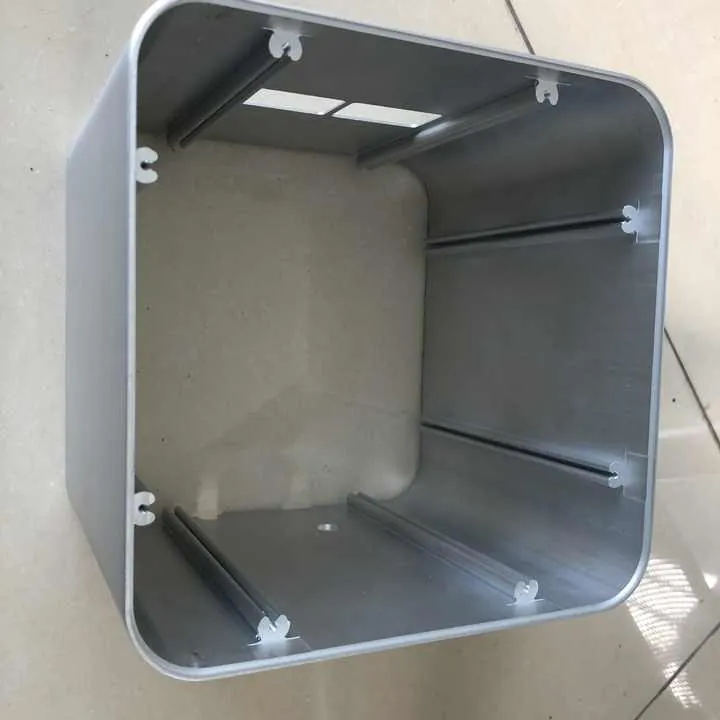
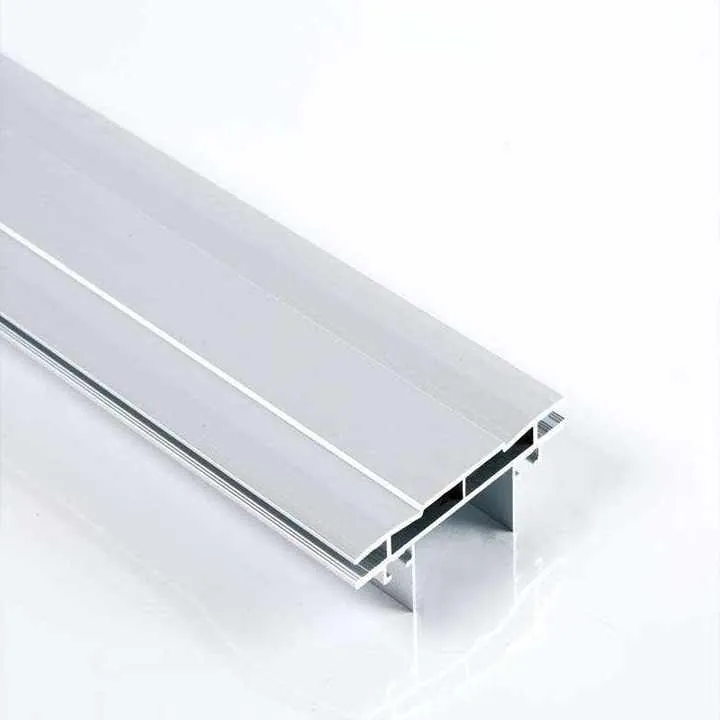
Conformité des extrusions d'aluminium aux exigences REACH ?

Aluminum extrusions look clean and harmless. But REACH compliance can be tricky, especially when coatings or inserts contain regulated substances.
Aluminum extrusions may involve REACH-regulated chemicals in coatings, lubricants, or sealants. To ensure compliance, all materials used must be verified, not just the base metal.
To avoid legal risks and delays at customs, it’s crucial to understand where REACH substances may hide in your aluminum profiles.
What REACH substances may be present in extrusions?
Aluminum metal by itself is not on any REACH blacklist. But things added during extrusion — coatings, lubricants, plastic parts — can carry substances of concern.
REACH-regulated substances may appear in paints, anodizing sealants, lubricants, or plastic inserts used in aluminum extrusions.

Aluminum extrusion production involves multiple materials and steps beyond pressing metal. Here’s where REACH-listed substances might show up:
- Lubricants or cutting oils used during shaping or CNC processes
- Powder coatings or liquid paints for surface finish
- Revêtements de conversion like chromate treatments
- Plastic or rubber inserts, commonly used for assembly or sealing
- Sealants and adhesives, often applied during fabrication
Common chemicals to watch out for:
| Type de matériau | Example REACH-related substances |
|---|---|
| Coatings (powder/liquid) | Lead compounds, cadmium, bisphenol A |
| Revêtements de conversion | Chromium VI (hexavalent chromium) |
| Plastics/rubbers | DEHP, DBP, DINP (phthalates), Bisphenol A |
| Lubrifiants | PAHs, chlorinated paraffins |
| Adhesives/sealants | Isocyanates, phthalates, epoxy hardeners |
Many SVHCs (Substances of Very High Concern) are not in the aluminum, but in small surface treatments or non-metal parts. Even if the base metal is safe, the presence of one SVHC over 0.1% by weight triggers REACH obligations.
This is why responsible suppliers provide full material declarations, not just chemical composition of the alloy. It’s also why buyers should ask for REACH compliance at the article level — meaning the full product.
REACH compliance only concerns the aluminum contentFaux
Coatings, lubricants, and plastic inserts can also contain REACH-regulated substances.
Sealants used in aluminum extrusion assemblies may include SVHCs like isocyanates or phthalatesVrai
These materials can trigger REACH obligations if used.
How is SVHC content measured in aluminum profiles?
Some think testing the alloy is enough. But REACH looks at the whole article — including coating and inserts — not just the aluminum metal.
SVHCs are measured as a percentage of the total article weight. Tests focus on non-metallic parts like coatings or plastic components.

Laboratories assess REACH compliance by looking at all parts of the finished product. Even if a profile is 95% aluminum, a thin layer of chromate coating or plastic insert could carry enough SVHCs to cross the 0.1% threshold.
Common testing methods:
| Type de test | Objectif | Utilisation typique |
|---|---|---|
| XRF (X-ray fluorescence) | Detect metals like lead, cadmium | Quick scan of coatings |
| GC-MS (Gas Chromatography–Mass Spectrometry) | Identify organic SVHCs | Phthalates, flame retardants |
| FTIR (Infrared Spectroscopy) | Detect chemical bonds in plastics | Screen polymer content |
| ICP-MS | Accurate heavy metal analysis | Chromium VI, lead content in layers |
How it’s calculated:
Let’s say a profile weighs 10kg, and it has a plastic insert weighing 0.2kg. If the plastic has 0.5% DEHP, then:
- DEHP weight = 0.2kg x 0.005 = 0.001kg
- DEHP content in article = 0.001kg / 10kg = 0.01 (1%) → exceeds the 0.1% limit
In this case, the article would need to be declared as containing SVHCs.
What this means for buyers:
- Request testing reports for coatings and inserts
- Ask suppliers to confirm SVHC levels below 0.1% by article weight
- Demand declarations for the finished product, not just materials
Testing focuses on aluminum only, because it’s the main materialFaux
REACH testing looks at the full article, especially coatings and inserts.
An SVHC exceeding 0.1% of the total article triggers REACH disclosure obligationsVrai
That’s the threshold set by REACH for mandatory reporting.
Are REACH declarations needed for each shipment?
Some clients ask for a REACH certificate every time. But legally, if nothing changes, you can reuse the same declaration.
You don’t need a new REACH declaration for every shipment if the materials, processes, and suppliers remain unchanged.

Under REACH, declarations are tied to the article specification, not the shipment. If the same profile is produced with the same material inputs every time, a one-time declaration is enough. But there are conditions:
- No changes in coating chemistry, anodizing solutions, or painting process
- Idem alliage d'aluminium used (e.g., 6063-T5 or 6061-T6)
- No introduction of new inserts or third-party parts
- Non changes in suppliers of paints, adhesives, or sealants
Conseils pratiques :
- Update the declaration immediately if any process or material changes
- Keep a batch record system that links shipments to compliance documents
- For EU clients, include the SVHC disclosure in the shipment paperwork if applicable
When to issue a new declaration:
| Trigger Event | Declaration Status |
|---|---|
| New coating supplier | New declaration needed |
| Same materials, no changes | Previous declaration valid |
| Added plastic insert | New evaluation needed |
| Same spec, but new batch | Old declaration still valid |
In high-risk sectors like automotive or aerospace, clients may demand batch-level documentation even if the law doesn’t require it. That’s a contract issue, not a REACH rule.
You need to test for REACH compliance with each shipmentFaux
If materials and process remain the same, no new declaration is needed.
One REACH declaration can cover all batches with identical production conditionsVrai
REACH allows this unless materials or suppliers change.
Can anodizing introduce REACH-regulated elements?
Anodizing is widely used in aluminum finishing. But certain chemical sealants used in anodizing can carry REACH risks.
Anodizing is safe if it avoids hexavalent chromium. But if chromate sealing is used, the final product may contain REACH-listed substances like chromium VI.
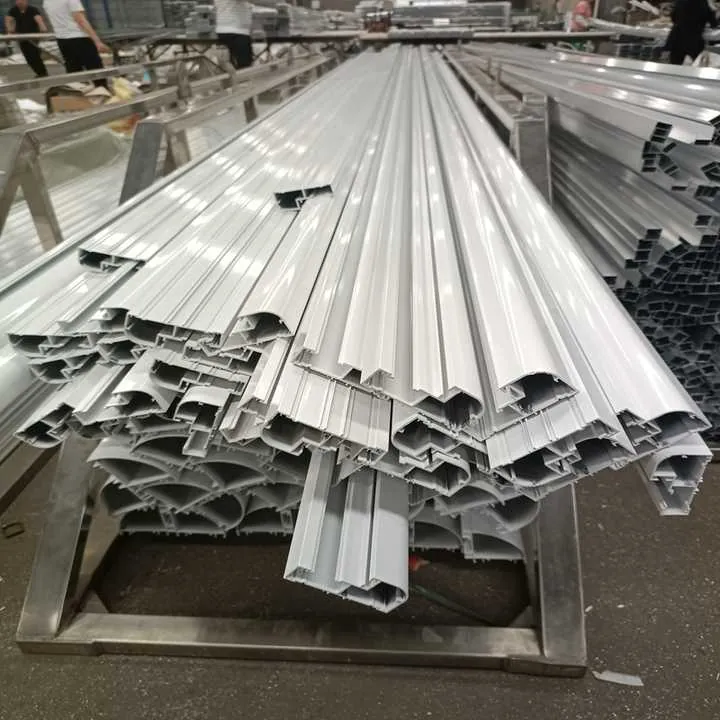
Anodizing forms a protective oxide layer. The risk comes during the final step: sealing. Some sealing baths include chromate compounds, which can leave a chromium VI residue. This compound is classified as an SVHC.
Types of anodizing and REACH relevance:
| Type d'anodisation | REACH Risk | Notes |
|---|---|---|
| Sulfuric Acid (non-sealed) | Faible | No SVHC if unsealed |
| Sulfuric + hot water sealing | Aucun | No chemicals added |
| Chromate sealing | Haut | May add Cr(VI) |
| Nickel acetate sealing | Moyen | Some REACH risk from nickel |
How to stay compliant:
- Ask anodizers to declare sealing chemicals
- Prefer chrome-free alternatives like hot water sealing
- Avoid any finish involving yellow chromate ou dichromate dips
- Run tests (e.g., XRF, ICP-MS) on surface layer if uncertain
Today, most exporters avoid chromate treatments for this reason. EU buyers may reject anodized parts without proof of chromium-free sealing.
Anodizing can lead to REACH non-compliance if chromate sealants are usedVrai
Chromium VI is an SVHC and appears in some sealing methods.
All anodizing methods are free from REACH-regulated substancesFaux
Only chrome-free anodizing is safe under REACH.
Conclusion
Aluminum extrusion is not just about metal. REACH compliance means managing coatings, lubricants, sealants, and inserts. Even a thin coating can turn a safe profile into a risky article. Knowing your full material chain — and proving it — protects your business and your clients.