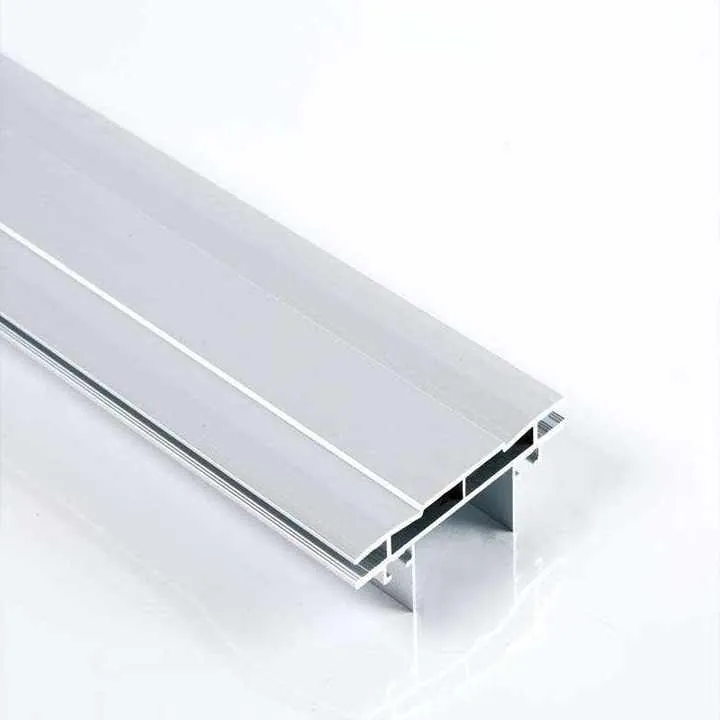

Comment fabrique-t-on les profilés en aluminium ?

Lorsque je suis entré pour la première fois dans une usine d'extrusion, j'ai vu la billette incandescente, le bélier géant et le long profil qui se dessinait. J'ai été frappé par le fait qu'il s'agissait d'un processus soigneusement contrôlé, et non d'une simple “poussée de métal dans un moule”.
L'extrusion de l'aluminium consiste essentiellement à chauffer une billette d'alliage, à la faire passer sous haute pression dans une filière, à la refroidir, à la redresser et à en finir la surface.
Laissez-moi vous expliquer comment tout cela fonctionne et pourquoi chaque élément est important.
Quelles sont les étapes de la fabrication de l'extrusion d'aluminium ?
Au cœur de l'extrusion, il y a des étapes distinctes, de la matière première au profilé fini. Comprendre ces étapes vous permet, en tant que fournisseur, de poser les bonnes questions et de responsabiliser vos partenaires.
Les étapes comprennent la préparation de la filière et de l'outillage, le chauffage des billettes, le chargement dans la presse, l'extrusion à travers la filière, la trempe et le refroidissement, le redressage/étirement, la coupe et la finition.
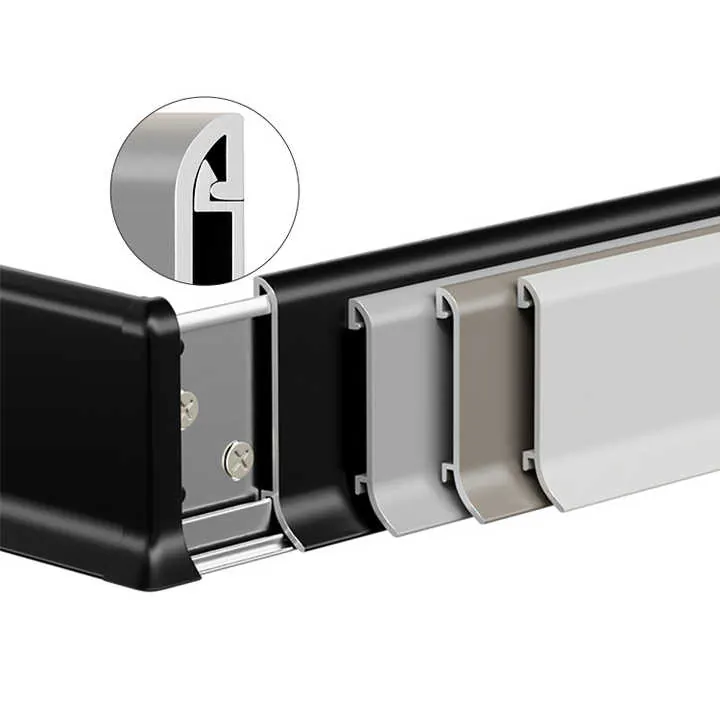
Découpage des étapes
- Préparation de la matrice et de l'outillage: La matrice qui forme la forme du profilé doit être usinée avec précision, préchauffée et alignée. Sans cela, toutes les étapes suivantes en pâtissent.
- Chauffage des billettes: Une billette d'aluminium solide est chauffée à une température spécifique pour la rendre malléable tout en la maintenant solide. Trop froid, il ne s'écoulera pas ; trop chaud, ses propriétés se dégraderont.
- Chargement dans la presse: La billette est transférée dans le réservoir de la presse à extrusion. Des lubrifiants ou des agents de démoulage peuvent être appliqués pour réduire les frottements.
- Extrusion à travers la filière sous pression: Le coulisseau applique une pression élevée. L'aluminium s'écoule à travers l'ouverture de la filière et ressort sous forme de profilé. Le rapport d'extrusion (taille de la billette par rapport à la taille de la forme) est important ici.
- Refroidissement / trempe: À sa sortie, le profilé doit être refroidi rapidement ou de manière contrôlée afin de stabiliser sa structure et sa forme. Cela permet d'éviter les déformations ou les distorsions.
- Étirement / redressement: Après refroidissement, les profilés peuvent présenter de légères courbures ou des tensions. Des machines d'étirement permettent de les aligner et de garantir leur rectitude.
- Coupe à longueur et finition: Le profilé est coupé aux longueurs requises et passe souvent aux traitements de surface, à l'usinage ou à l'assemblage.
Pourquoi cette séquence complète est-elle importante ?
Chaque étape influence la suivante. Si la filière est mal préparée, la billette risque de ne pas s'écouler correctement. Si le chauffage est éteint, la pression du coulisseau peut être trop faible ou trop élevée, ce qui entraîne des défauts. Si le refroidissement n'est pas contrôlé, le redressage peut ne pas corriger complètement les distorsions.
Le processus d'extrusion commence toujours par une billette d'aluminium en fusion telle qu'elle a été coulée.Faux
Dans l'extrusion de l'aluminium, la billette est solide et chauffée, et non en fusion, avant d'être pressée.
Le redressement ou l'étirement est une étape courante après l'extrusion pour garantir la rectitude du profilé.Vrai
L'étirement permet d'éliminer les déformations ou les courbures et d'assurer la précision géométrique.
Pourquoi la pression d'extrusion affecte-t-elle les résultats ?
La pression dans la presse à extrusion est un paramètre critique, pas seulement un chiffre. Elle affecte le flux de matière, la précision de la forme, l'état de surface et la durée de vie de la filière.
La pression d'extrusion influe sur les résultats parce qu'une pression plus élevée force l'aluminium à passer dans des filières plus serrées ou plus complexes, mais une pression trop élevée ou incontrôlée peut entraîner des défauts, une usure plus importante, un état de surface plus mauvais ou des défauts internes.
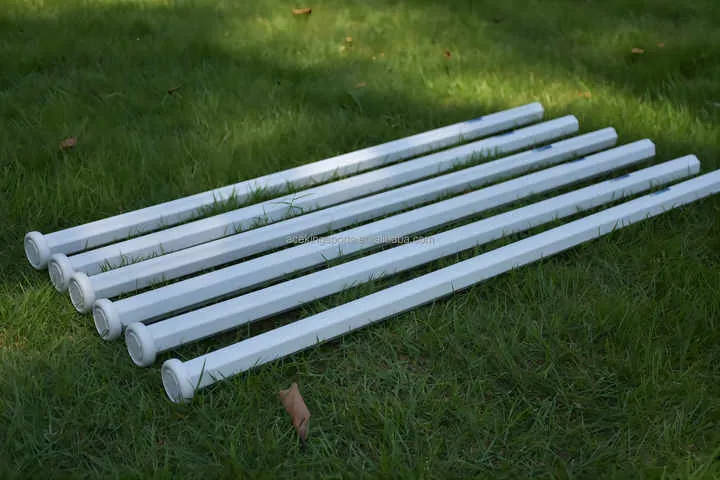
Comment la pression se manifeste dans la pratique
- Plus le profil est épais et complexe ou plus l'alliage est dur, plus il faut de pression pour faire passer l'aluminium à travers la matrice.
- Si la pression est trop faible pour la taille de la filière et la température de la billette, l'aluminium peut ne pas remplir correctement la filière, ce qui entraîne des vides superficiels, une épaisseur de paroi inégale ou des formes incomplètes.
- Si la pression est trop élevée sans un contrôle approprié ou un soutien de l'outillage, elle peut entraîner une usure excessive de l'outil, une surchauffe de l'outillage ou du métal, voire endommager la matrice, ce qui réduit sa durée de vie et augmente les coûts.
- La pression affecte également le débit et donc indirectement la température de sortie du profilé. Un débit rapide sous haute pression peut conduire à des températures de sortie plus élevées, ce qui peut avoir un impact sur la rectitude, le comportement de refroidissement et l'état de surface.
Implications pour la qualité de votre production
Pour vos profilés en aluminium allant de 10 à 400 mm, une pression inadaptée signifie que vous risquez d'obtenir.. :
- Profils déformés ou tordus
- Marques de surface ou lignes de traînée
- Variations de l'épaisseur de la paroi ou défauts internes
- Durée de vie plus courte de l'outillage
Une pression d'extrusion plus élevée signifie toujours une meilleure finition du profil.Faux
Une pression plus élevée sans tenir compte de la température des billettes, de l'état de l'outillage et de la conception de la matrice peut entraîner des défauts et une moins bonne finition.
Une pression d'extrusion correctement contrôlée améliore la précision dimensionnelle et la qualité de la surface des pièces extrudées.Vrai
La pression équilibrée garantit un débit correct, la durée de vie de l'outil et l'uniformité du profil fini.
Où peut-on améliorer l'état de surface dans l'extrusion ?
La finition de la surface est un attribut clé, en particulier si vos profilés sont anodisés, revêtus de poudre ou visibles dans des applications architecturales. Plusieurs étapes du processus influencent la finition, et il y a des étapes de finition après l'extrusion.
L'état de surface est amélioré grâce à une conception minutieuse de la filière et de l'outillage, au contrôle du flux et du refroidissement pendant l'extrusion et à des procédés de finition spécifiques tels que l'anodisation ou le traitement mécanique.
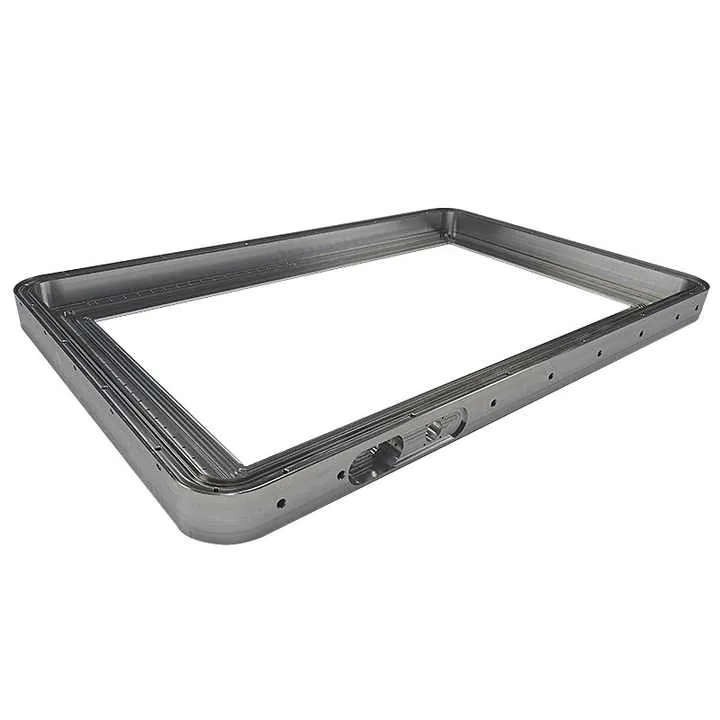
Où se produisent les améliorations de finition
- État des matrices et de l'outillage: Une filière dont le palier est poli, dont la géométrie est correcte et qui n'est pas usée produit un flux plus propre et moins de marques de surface.
- Contrôle du débit pendant l'extrusion: Un écoulement irrégulier, un frottement excessif ou une température de sortie trop élevée peuvent entraîner des irrégularités de surface.
- Phase de refroidissement: Un refroidissement adéquat solidifie la surface de manière uniforme, ce qui permet d'éviter les vagues, les fissures ou les rugosités.
- Traitements post-extrusion: Le meulage, le brossage ou le sablage améliorent la finition de base. Un point de départ plus lisse donne de meilleurs résultats lors de l'anodisation ou du revêtement par poudre.
- Choix du traitement de surface: L'anodisation ajoute de la résistance à la corrosion et de la couleur. Le revêtement par poudre ajoute de la texture et de l'attrait visuel. Les deux procédés nécessitent une surface propre et lisse pour fonctionner correctement.
Pertinence pour votre entreprise
Si votre client attend des finitions de qualité architecturale ou des pièces exposées (comme dans les éclairages ou les cadres solaires), la qualité de la surface ne peut pas être une réflexion après coup. Elle doit être intégrée au processus, de la préparation de la matrice à la post-finition.
La qualité de l'état de surface de l'extrusion dépend uniquement du processus de finition (anodisation ou peinture).Faux
La qualité de la finition dépend également du processus d'extrusion lui-même : conception de la filière, conditions de l'outillage, flux, refroidissement et préparation mécanique.
Un outillage et un refroidissement adéquats lors de l'extrusion peuvent réduire considérablement les coûts de finition en aval.Vrai
Si l'extrusion sort de la presse avec une surface propre et uniforme et un minimum de défauts, la finition et le revêtement coûteront moins cher et seront plus cohérents.
L'automatisation peut-elle rationaliser la production d'extrusion ?
Dans la fabrication moderne, l'automatisation et les commandes numériques transforment les processus, y compris l'extrusion de l'aluminium.
Oui, l'automatisation peut rationaliser la production d'extrusion en intégrant la surveillance du processus, le contrôle en temps réel de la température et de la pression, et en automatisant la coupe, le refroidissement et la manipulation des matériaux.

Comment l'automatisation peut-elle aider ?
- Surveille la température des billettes et de la filière et ajuste la vitesse ou la pression d'extrusion.
- Gère automatiquement le mouvement des profilés de la presse à la table de refroidissement, à l'étireuse et à la ligne de sciage.
- Applique une force constante pendant l'étirement pour maintenir les tolérances serrées.
- Permet la saisie de données en temps réel et le diagnostic des processus.
- Améliore la sécurité en réduisant la manipulation manuelle de matériaux chauds.
Avantages pour votre production
Pour vos clients internationaux et vos livraisons B2B à grand volume, l'automatisation vous aide :
- Maintenir une qualité constante sur des lots importants
- Réduire le temps de cycle et améliorer la rapidité de livraison
- Réduire les rebuts et les erreurs manuelles
- Suivre les performances des lots et la qualité des produits à l'aide de systèmes numériques
Demandez à votre partenaire d'extrusion quel type d'automatisation il utilise, depuis les presses commandées par automate programmable jusqu'à la manutention robotisée et aux outils d'inspection en ligne.
L'automatisation de la fabrication d'extrusion réduit toujours le coût du produit final.Faux
L'automatisation peut réduire les coûts, mais l'investissement est élevé ; elle n'est rentable que si les exigences en matière de volume, de variété et de qualité le justifient.
La mise en œuvre d'un contrôle numérique du processus d'extrusion peut améliorer la cohérence et réduire les déchets.Vrai
La surveillance et le contrôle des paramètres clés du processus permettent de réduire les défauts et d'améliorer la répétabilité.
Conclusion
De la préparation des filières au chauffage des billettes, en passant par l'extrusion sous pression, le refroidissement, le redressage, le traitement de surface et l'automatisation, la fabrication de l'aluminium extrudé est un processus précis et optimisable. Comprendre chaque étape vous permet, en tant que fournisseur, de poser des questions plus intelligentes, de construire de meilleurs partenariats et de fournir une meilleure qualité à vos clients.