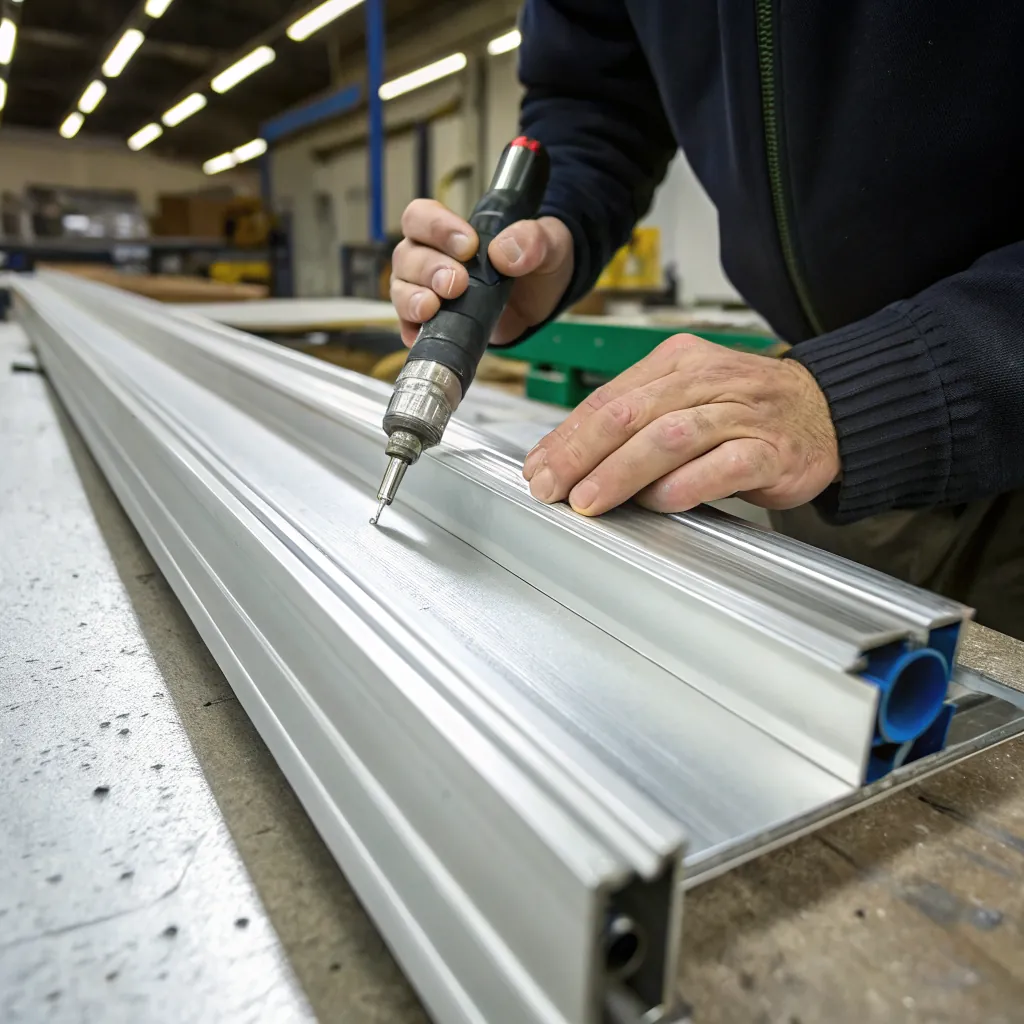
Do You Know Aluminum Roller Shutter Door?
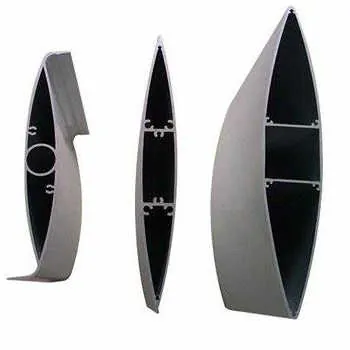
I notice many readers worry about security and weather. This door is often strong.
Aluminum roller shutter doors are made for security, durability, and weather protection.
Let me guide you step by step below.
What are aluminum roller shutter doors designed for?
I often hear worries about break-ins and wind damage. People need strong doors that last.
They are designed for property security, weather resistance, insulation, and easy operation.
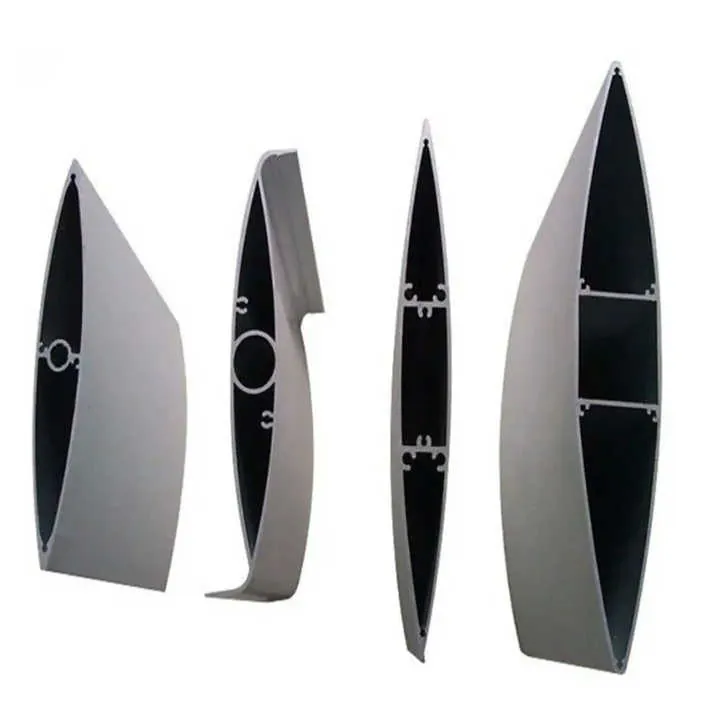
I will explain what makes them suitable. Aluminum shutters guard against theft. They block wind, rain and sun. They also help reduce heat or cold inside. They are lightweight but strong. They open and close smoothly. Business or home owners use them for windows, doors, garages and storefronts. They do not rust or corrode. They give clean modern look. They need less maintenance than steel. So they suit harsh weather or coastal areas.
I often get asked about fire safety. Aluminum is non-combustible but needs rules. Many shutters meet fire-rated standards. They can have foam inside to slow fire. They can close automatically if smoke or heat detected. That adds safety in case of fire.
How do aluminum profiles improve shutter performance?
I hear doubts about strength and insulation. Aluminum is light but can be strong.
Well designed aluminum profiles increase strength, thermal insulation, and smooth motion.

I use profiles with internal ribs or foam. These choices make big difference.
Profile structure
Profiles have internal ribs or foam fill. Ribs add rigidity. Foam inside reduces heat transfer. These make door stronger and more insulated.
Surface finish
Powder coating or anodizing prevents corrosion. It gives color, texture and durability.
Design details
Profiles interlock solidly. Edges are smooth to reduce friction. Rolling parts fit well to minimize noise.
Benefits summary
| Feature | Why it matters |
|---|---|
| Foam-filled slats | Better insulation, less noise |
| Rib-reinforced slats | More strength, resist bending or dent |
| Interlocking design | Prevents prying, improves seal |
| Powder coating | Long life, resistance to fading or wear |
These design choices help doors open quietly. They close tightly. They last without rust. They work well in tight frames. They resist wind pressure. They keep heat or cold out. That saves energy.
What types of control methods are available?
People want choices: manual or motor. They want safe, fast, simple.
You can operate shutters by hand, wall switch, remote, app, or automatic sensors.
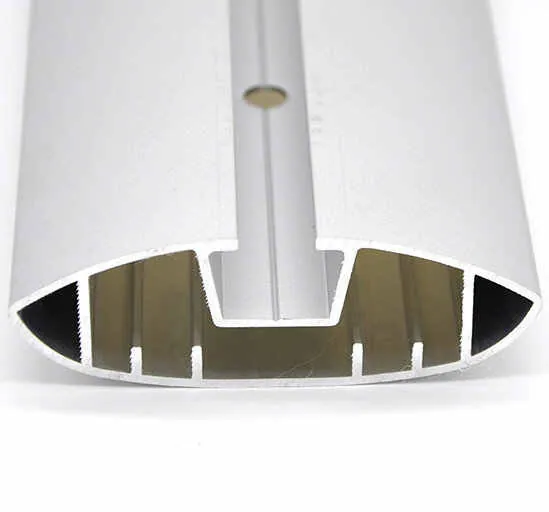
Manual control is basic but low cost. Manual doors use a crank or push-up spring. They are simple and reliable.
Motorized control adds ease and speed. You use a wall switch or remote. You do not need to touch the door.
Smart control uses app or wifi. You open or close from phone. Some connect with home automation or voice assistants.
Automatic sensors trigger door by motion or light. Ideal for garages or storefronts. They open when a person or car approaches. They close after a time delay.
Comparison Table
| Control Type | Pros | Cons |
|---|---|---|
| Manual (crank/spring) | Simple, no electricity | Slower, physical effort needed |
| Motor + switch | Fast, smooth, no strain | Needs power, more cost |
| Remote control | Convenient, can be used at distance | Battery use, small cost |
| App / smart control | Control from anywhere, integrate automation | Needs internet, higher cost |
| Sensor automatic | Hands-free, automatic operation | Complexity, power required |
People choose based on budget, usage frequency, and need for automation.
What are common size and slat options?
People ask: what size and style fits best? So I break it down.
Roller doors come in slat types like solid, perforated, and foam-filled, and sizes from small windows to large garage openings.

I see slats as critical.
Slat types
- Solid slats: simple, strong, tight seal, good privacy.
- Perforated slats: let light and air in, good for ventilation and visibility.
- Foam-filled slats: added thermal insulation, quieter, more rigid.
Typical sizes
| Roller shutter doors come in many widths and heights. | Application | Typical Width | Typical Height |
|---|---|---|---|
| Window shutter | 0.6m to 2.5m | 0.5m to 2.0m | |
| Door / service window | 1.0m to 3.5m | 2.0m to 3.0m | |
| Garage / storefront | 2.5m to 6.0m | 2.0m to 4.0m |
Customers also ask about slat thickness. Common slat heights: 40 mm, 55 mm, 77 mm. Foam fill adds thickness and strength. Perforated slats often in 55 mm. Solid slats common in wider sizes.
Roller assembly size matters too. Tube diameter grows for wider doors. Springs or motors must match door weight. Installation area must match frame.
Conclusion
These doors give security, weather block, insulation, and smooth operation. Profile design, control choice, slat type and size all fit together. By choosing well, you get a long-lasting and effective shutter door.