What Are the Benefits of Anodized Aluminum Profiles?
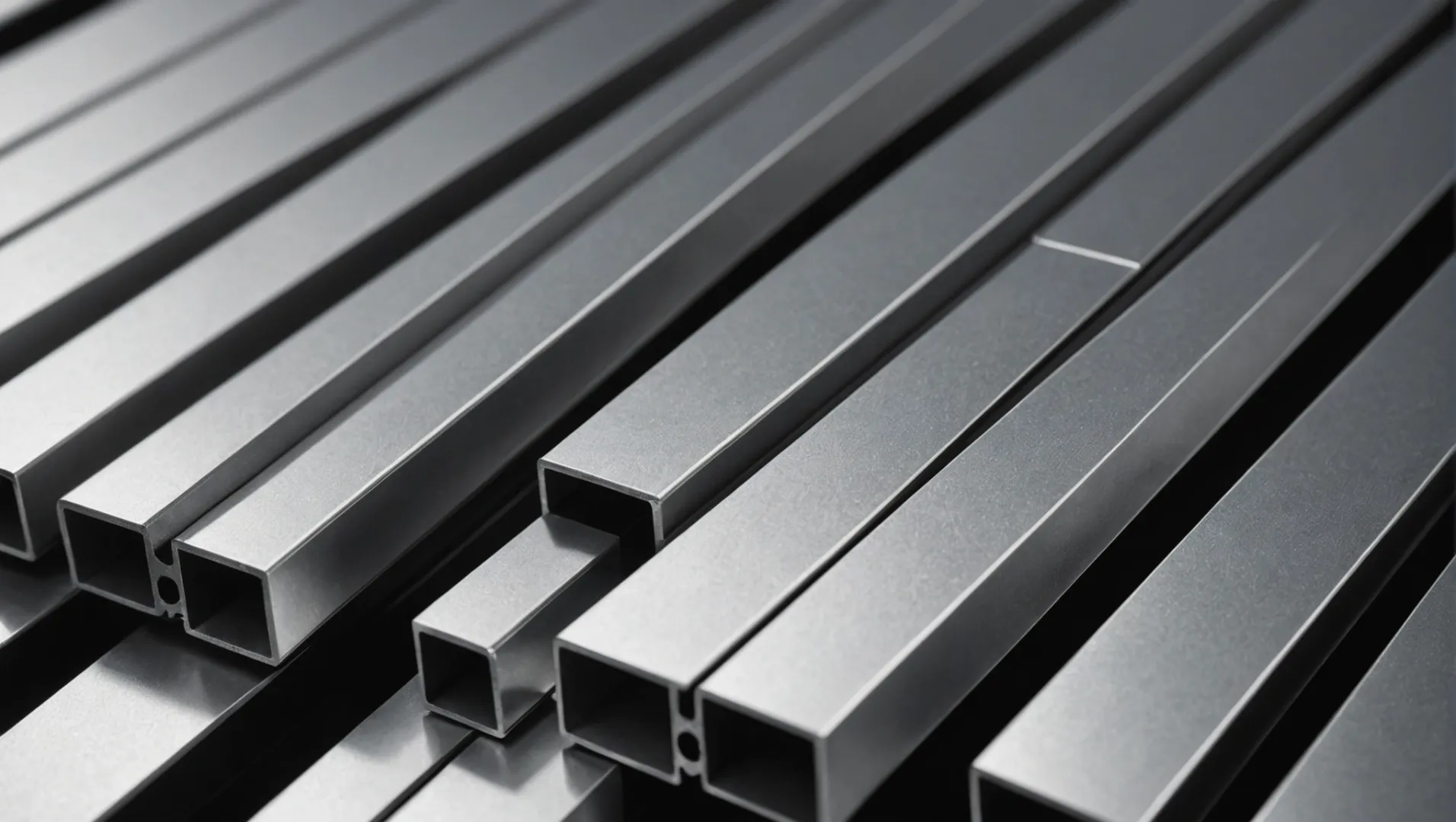
Are you considering anodized aluminum profiles for your next project? Let’s explore why they might be the perfect choice!
Anodized aluminum profiles are renowned for their superior corrosion resistance, enhanced durability, and aesthetically pleasing finishes. This process forms a protective layer on aluminum, making it more robust and versatile for diverse applications.
While these benefits make anodized aluminum appealing, it’s essential to delve deeper into its properties and potential drawbacks to make an informed choice. Read on to discover how anodizing enhances aluminum’s features and explore its specific applications and limitations.
Anodized aluminum has superior corrosion resistance.True
The anodizing process forms a protective oxide layer, enhancing resistance.
How Does Anodizing Improve Aluminum’s Corrosion Resistance?
Anodizing aluminum significantly boosts its corrosion resistance, transforming it into a robust material for various environments.
Anodizing enhances aluminum’s corrosion resistance by creating a thick, oxide layer on its surface, which protects it from environmental factors such as moisture and chemicals. This protective layer is durable, non-toxic, and prevents further oxidation, making aluminum more resistant to wear and tear.
The Science Behind Anodizing
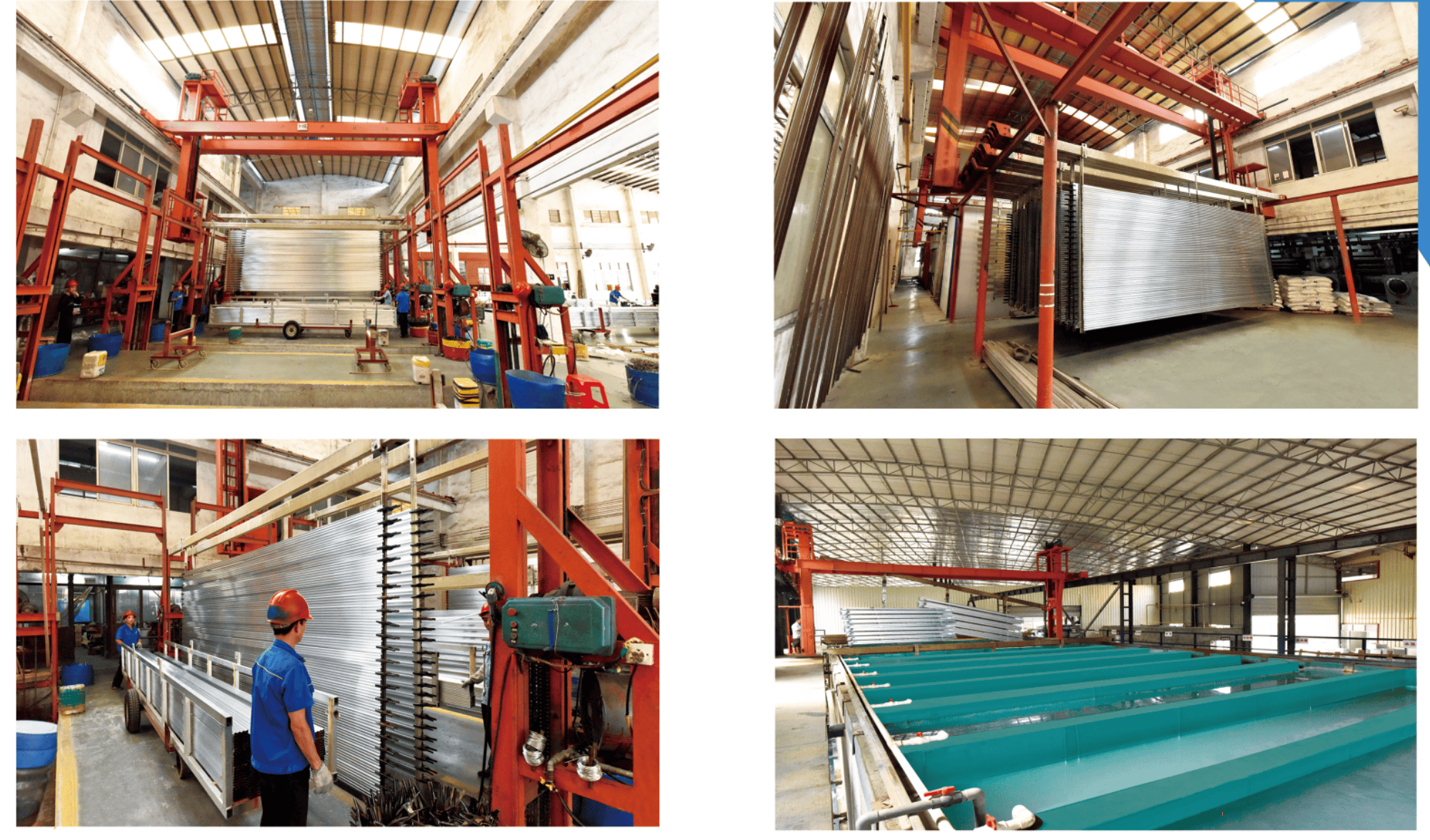
Anodizing is an electrochemical process that converts the aluminum surface into a durable, corrosion-resistant, anodic oxide finish. This process involves immersing the aluminum in an acid electrolyte bath and passing an electric current through the medium. As a result, a thick oxide layer forms on the surface, which is integral to enhancing its resistance to corrosion.
The oxide layer is not merely a coating but part of the metal itself. It grows from the aluminum, ensuring a bond that is much stronger than paints or coatings. This intrinsic feature makes anodized aluminum incredibly resilient against corrosive elements1 like saltwater and pollutants, which are common in various industrial and coastal environments.
Benefits of the Oxide Layer
-
Barrier Protection: The anodized layer acts as a barrier that shields the underlying aluminum from air and moisture, crucial in preventing oxidation and rust.
-
Improved Adhesion: The porous nature of the anodized layer allows for improved adhesion of dyes and paints, further enhancing its protective qualities.
-
Increased Durability: This hardened layer also resists wear and abrasion, extending the lifespan of the aluminum in demanding applications.
Applications in Corrosive Environments
Anodized aluminum is extensively used in sectors where corrosion resistance is paramount. For instance, in marine applications, anodized components withstand harsh sea conditions without deteriorating. Similarly, architectural structures often employ anodized profiles due to their longevity and minimal maintenance needs.
| Application Area | Benefits |
|---|---|
| Marine Industry | Resists saltwater corrosion |
| Architecture | Minimal maintenance needed |
| Automotive Components | Enhanced wear resistance |
Anodizing not only fortifies aluminum against corrosion but also makes it versatile for various industrial applications2. This process has transformed how aluminum is used across different sectors, offering both aesthetic and functional benefits.
Anodizing creates a thick oxide layer on aluminum.True
Anodizing forms a durable oxide layer, enhancing corrosion resistance.
The anodized layer is just a surface coating.False
The oxide layer is integral to the metal, not merely a coating.
What Are the Aesthetic Benefits of Anodized Aluminum?
Anodized aluminum offers a sleek, modern look perfect for enhancing any design.
Anodized aluminum provides a range of aesthetic benefits, including a smooth finish, a variety of color options, and enhanced surface hardness, which make it ideal for architectural and consumer applications.

The Sleek Finish of Anodized Aluminum
One of the most prominent aesthetic benefits of anodized aluminum is its sleek and smooth finish. The anodizing process creates a uniform surface that not only looks appealing but also feels pleasant to the touch. This characteristic is particularly valued in applications such as furniture design and consumer electronics, where tactile quality is as important as visual appeal.
Moreover, the finish achieved through anodizing is resistant to fingerprint marks and minor abrasions, maintaining its pristine appearance over time. This is especially beneficial in high-traffic areas or in products frequently handled by users.
Variety of Color Options
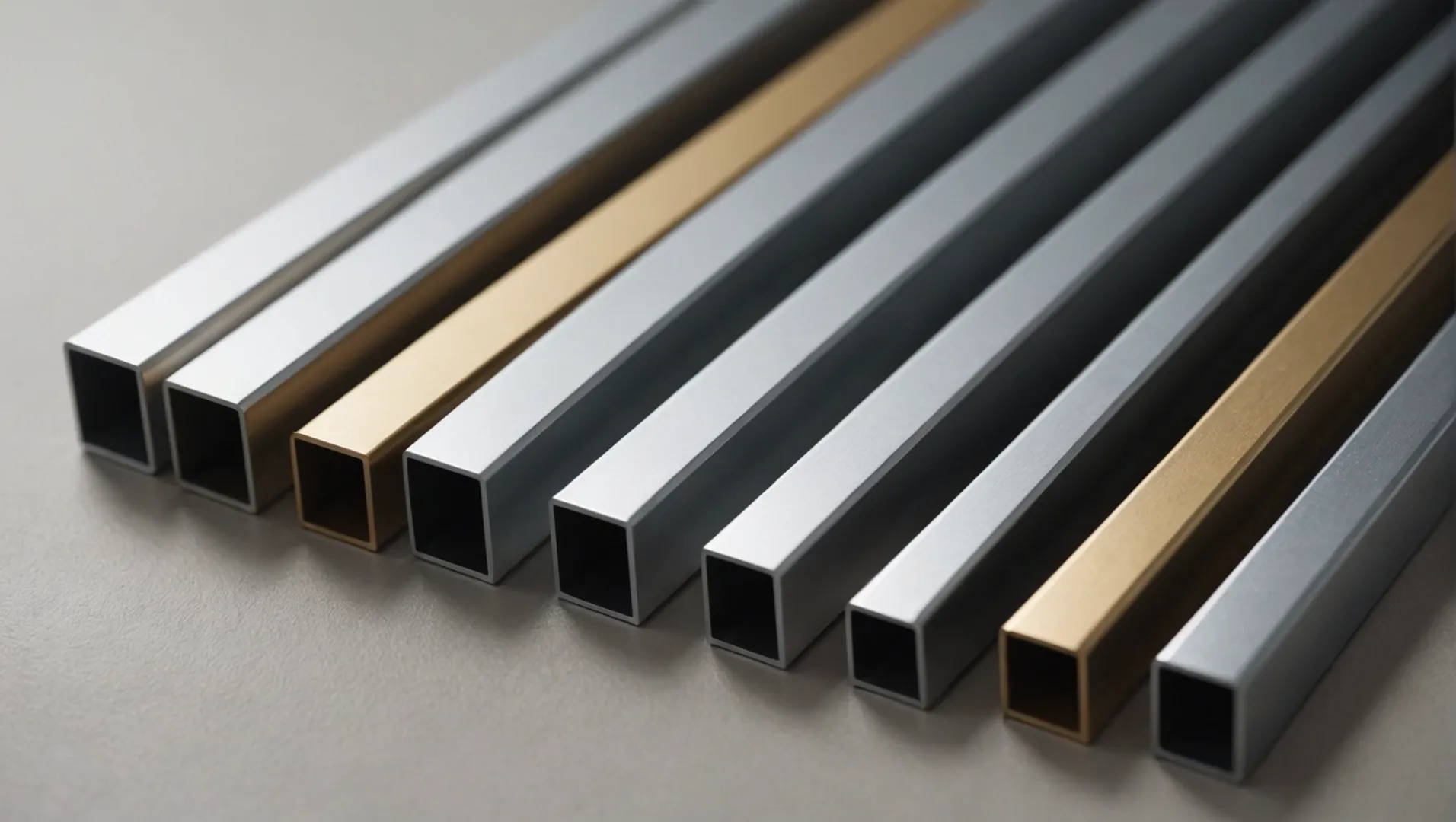
Anodized aluminum can be dyed in an array of colors, offering designers and architects vast flexibility in their projects. Unlike paint or powder coating, the color in anodized aluminum is integrated into the surface layer, which prevents it from chipping or peeling. Popular applications include outdoor facades and public installations where long-lasting vibrant colors are crucial.
The table below illustrates some common color options and their typical uses:
| Color Option | Typical Uses |
|---|---|
| Natural | Appliances, architectural trims |
| Black | Electronics, automotive parts |
| Bronze | Building facades, signage |
| Gold | Jewelry, decorative hardware |
Enhanced Surface Hardness
Apart from its visual advantages, anodized aluminum boasts an enhanced surface hardness. This attribute not only contributes to its durability but also allows for intricate texturing without compromising the material’s integrity. Products such as luxury car interiors or high-end kitchen appliances often take advantage of this property to create detailed designs that are both robust and visually striking.
Light Reflection and Play
The reflective properties of anodized aluminum can add another dimension to design projects. Depending on the angle and type of finish, anodized surfaces can reflect light in unique ways, creating dynamic visual effects that change with the environment.
Using anodized aluminum in building exteriors can result in stunning displays of light and shadow throughout the day. In interior applications, this reflective quality can enhance ambient lighting conditions, making spaces feel brighter and more open. For more insights into how lighting interacts with anodized finishes, see light reflection in architecture3.
Anodized aluminum is resistant to fingerprints.True
The anodizing process creates a surface that resists fingerprint marks.
Anodized aluminum colors can chip easily.False
Colors in anodized aluminum are integrated, preventing chipping.
Are There Any Drawbacks to Using Anodized Aluminum Profiles?
While anodized aluminum profiles offer many benefits, they also come with certain limitations that may affect their suitability for specific projects.
Despite their advantages, anodized aluminum profiles can be susceptible to surface damage, color inconsistencies, and higher production costs compared to other finishes.
Understanding the Limitations
Anodized aluminum profiles, though highly valued for their corrosion resistance4, do have some drawbacks that could impact your decision to use them in certain applications.
Susceptibility to Surface Damage
One primary concern is their vulnerability to scratching and surface damage. Anodizing creates a harder, more durable surface than raw aluminum; however, it can still be susceptible to scratches if not handled with care. This makes it less ideal for high-traffic areas or applications where the material will be subject to frequent abrasion.
Color Inconsistencies
Another potential issue is color variation. While anodizing offers a wide range of aesthetically pleasing finishes, achieving a consistent color can be challenging, especially when dealing with large batches or different aluminum alloys. Factors like temperature and chemical concentration during the anodizing process can lead to variations in hue and tone, which may not meet the stringent requirements for some architectural projects.
| Factor | Impact on Color Consistency |
|---|---|
| Temperature | Variations can lead to inconsistent hues |
| Chemical Concentration | Alterations may result in uneven tones |
Higher Costs
Finally, anodizing tends to be more expensive than some other finishing processes such as powder coating or painting. The cost is associated with the additional steps in the manufacturing process and the need for specialized equipment and chemicals. This could be a consideration if budget constraints are significant.
Weighing the Pros and Cons
When deciding whether to use anodized aluminum profiles, it’s crucial to weigh these potential drawbacks against their benefits. Understanding your specific application needs and environmental conditions will help you determine if the advantages outweigh these limitations. Consider consulting experts or industry guides for more insights on anodizing processes5 and how they may impact your project choices.
Anodized aluminum profiles are scratch-proof.False
Anodized surfaces can still be scratched despite their durability.
Anodizing always results in consistent color finishes.False
Color consistency is challenging due to process variables like temperature.
Where Can Anodized Aluminum Profiles Be Used Effectively?
Discover the versatile applications of anodized aluminum profiles across various industries.
Anodized aluminum profiles excel in architectural, automotive, aerospace, and marine applications due to their durability and corrosion resistance. They are ideal for window frames, car body parts, aircraft components, and marine fixtures, offering both functional and aesthetic benefits.

Architectural Applications
Anodized aluminum profiles are highly valued in architecture for their blend of functionality and visual appeal. They are commonly used in window frames and curtain walls6 because of their ability to withstand environmental elements while maintaining a sleek appearance. Additionally, the color stability and ease of maintenance make them ideal for building exteriors.
Automotive Industry
In the automotive sector, anodized aluminum profiles are utilized in the manufacturing of car body panels and trim parts. Their lightweight nature contributes to better fuel efficiency, while their corrosion resistance ensures longevity. Many manufacturers also prefer anodized finishes for their ability to enhance the vehicle’s overall aesthetic.
Aerospace Sector
The aerospace industry relies on anodized aluminum for its strength-to-weight ratio. This material is used in the production of aircraft parts such as wing flaps and fuselage components. The protective anodized layer not only adds durability but also prevents oxidation, which is crucial in high-altitude conditions.
Marine Environment
Anodized aluminum profiles are ideal for marine applications due to their superior resistance to saltwater corrosion. They are often found in boat railings, masts, and other fixtures that require robust materials to combat harsh marine environments. Their non-corrosive properties ensure that maintenance is minimal and longevity is maximized.
Electronics and Consumer Goods
In the realm of electronics, anodized aluminum serves as an excellent material for casings and heat sinks. Its ability to dissipate heat efficiently while providing a high-quality finish makes it perfect for devices like laptops and smartphones.
The use of anodized aluminum profiles across these industries showcases their versatility and effectiveness. By understanding their specific applications, one can appreciate why these profiles are often the material of choice for engineers and designers alike.
Anodized aluminum is used in marine fixtures for corrosion resistance.True
Anodized aluminum resists saltwater corrosion, ideal for marine use.
Aerospace industry avoids anodized aluminum due to weight concerns.False
Aerospace uses anodized aluminum for its strength-to-weight ratio.
Conclusion
Anodized aluminum profiles offer a compelling mix of durability, aesthetic appeal, and corrosion resistance. Weigh these benefits against potential drawbacks to decide their suitability for your projects.
-
Discover the detailed mechanism of anodizing’s anti-corrosion properties.: Aluminium alloys are anodized to increase corrosion resistance, to increase surface hardness, and to allow dyeing, improved lubrication, or improved adhesion. ↩
-
Learn about anodized aluminum’s roles in diverse industrial settings.: Building exteriors, such as storefronts, curtain walls and roofing systems. · Appliances such as refrigerators, dryers, coffee brewers, ranges, televisions, … ↩
-
Discover how anodized finishes influence architectural lighting designs.: This improves reflectance and reduces absorption. This is important, as even a small amount of absorption causes heating, thermal expansion, … ↩
-
Explore how anodizing enhances aluminum’s natural corrosion resistance.: Aluminium alloys are anodized to increase corrosion resistance, to increase surface hardness, and to allow dyeing, improved lubrication, or improved adhesion. ↩
-
Learn about the detailed steps in the anodizing process.: Understanding the Process · Step 1: Pre-treatment · Step 2: Anodic oxide · Step 3: Colour anodizing · Step 4: Sealing. The final step of the … ↩
-
Learn how anodized finishes enhance window frame durability and aesthetics.: Anodized finishes provide your project’s Tubelite aluminum framing products with an extremely durable, hard surface that is colorfast and mar resistant. ↩