


Are aluminum profiles used in hydraulic torque wrenches?
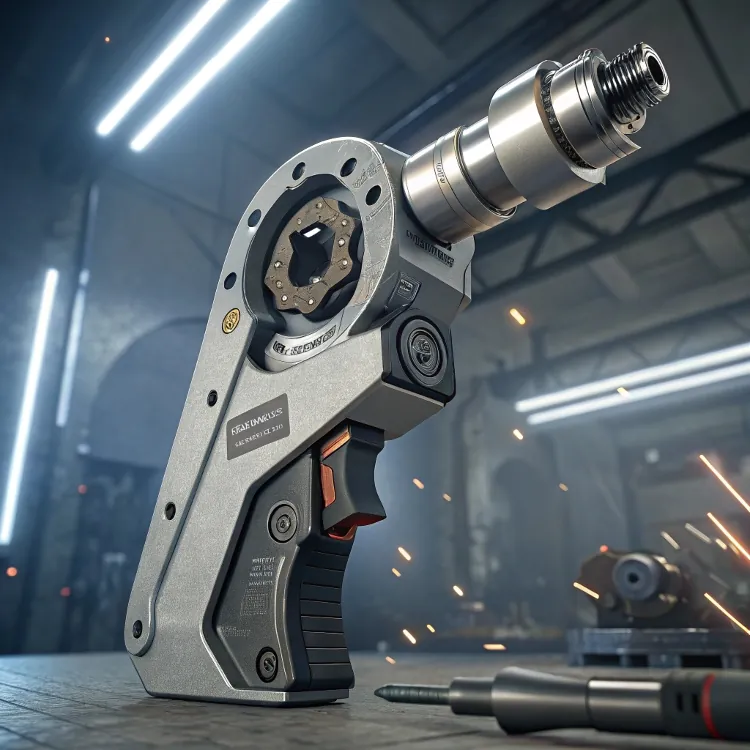
Many engineers overlook the impact of material selection in hydraulic torque tools—until the tool fails under stress. Aluminum often raises doubts: is it strong enough?
Yes, aluminum profiles—especially aluminum-titanium alloys—are widely used in hydraulic torque wrenches for their light weight, high strength, and corrosion resistance.
If you’ve ever used a steel-body torque wrench, you know how heavy and fatiguing it can be. That’s where aluminum steps in. Let’s break down its real benefits, and where it falls short.
What materials are hydraulic wrench bodies made of?
The industry often debates between steel and aluminum-titanium alloy bodies for torque wrenches. Is one clearly better?
Hydraulic torque wrenches are commonly made from aluminum-titanium alloys for their strength-to-weight ratio, while critical components still use high-strength steel.
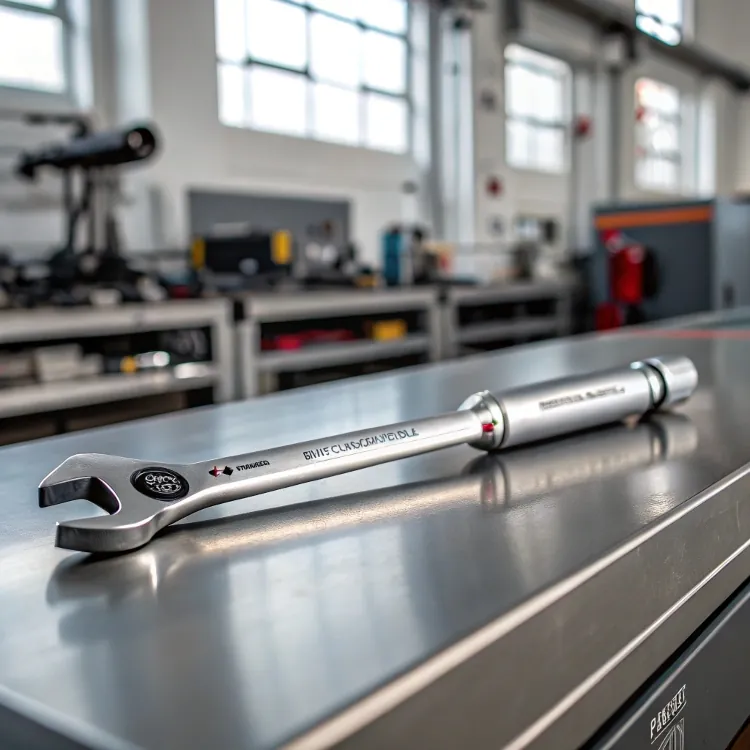
Aluminum-titanium alloys have become the standard for modern torque wrench bodies. Their key advantage is their weight: compared to traditional steel, aluminum-based tools are often 40–60% lighter. That matters when you’re working in tight spaces or overhead positions.
Key Materials in Use
| Component | Material | Why It’s Used |
|---|---|---|
| Main body | Aluminum-Titanium Alloy | Lightweight, corrosion-resistant |
| Ratchet mechanism | High-Strength Alloy Steel | Extreme load durability |
| Swivels & couplings | Treated Aluminum Alloy | Balance of strength and weight |
| Internal pistons | Hardened Steel or Bronze | Pressure and wear resistance |
Most tools use a hybrid design. The frame is aluminum-titanium alloy for light handling. Steel is used where mechanical stress is highest.
This hybrid method lowers user fatigue without sacrificing reliability. Some manufacturers use aerospace-grade alloys, which means they meet very high standards for both tensile strength and impact resistance.
Hydraulic torque wrenches are usually made entirely of steel.False
Most modern wrenches use a combination of aluminum-titanium alloys for the body and steel for high-stress parts.
Aluminum-titanium alloy is used in torque wrench bodies to reduce weight and resist corrosion.True
These alloys offer high strength with much less weight than steel, and they naturally resist rust.
Why choose aluminum-titanium alloys for torque tools?
You’ve probably heard that aluminum makes tools weaker. But is that really true?
Aluminum-titanium alloys are chosen because they offer the best balance of strength, weight, and corrosion resistance for portable hydraulic tools.
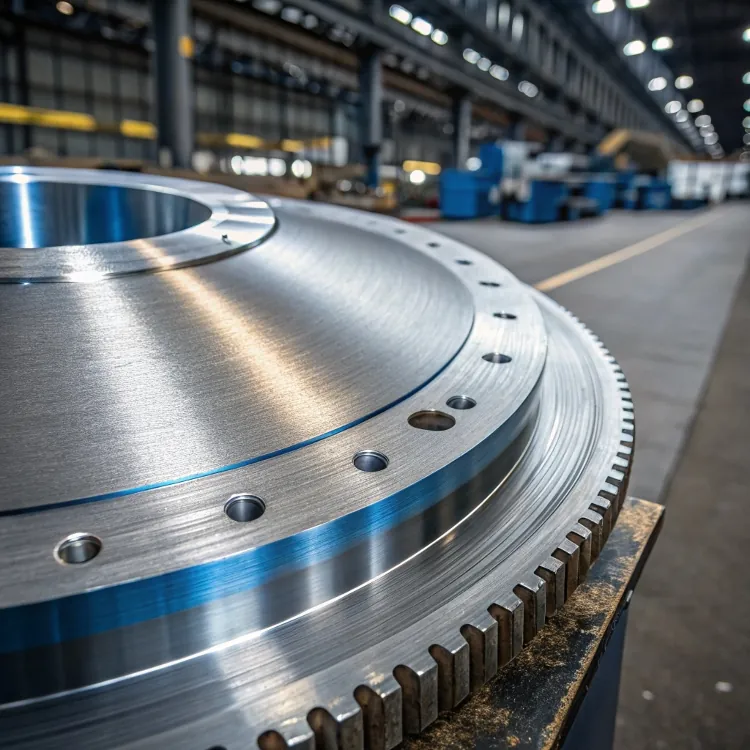
Aluminum-titanium alloys combine the low weight of aluminum with the toughness of titanium. This creates a material that’s light enough for handheld tools and strong enough for heavy-duty industrial use.
Performance Comparison
| Property | Aluminum-Titanium Alloy | Standard Steel |
|---|---|---|
| Density | ~2.8 g/cm3 | ~7.8 g/cm3 |
| Yield Strength | 400–600 MPa | 350–800 MPa |
| Fatigue Resistance | High | Very High |
| Corrosion Resistance | Excellent | Poor (unless treated) |
| Ease of Handling | Very High | Moderate |
This is why aluminum-based torque tools are so popular in the aerospace, automotive, and offshore oil industries. In these fields, every gram of weight and every minute saved matters.
Titanium is added to aluminum in wrench bodies to increase weight.False
Titanium strengthens the alloy while keeping it light, not heavy.
Aluminum-titanium alloys are commonly used in industries where light tools are important.True
These alloys offer both strength and reduced weight, making them ideal for portable applications.
How does aluminum affect wrench durability?
You may think lighter means weaker. But when it comes to aluminum alloys, the story is more complex.
Aerospace-grade aluminum alloys used in torque tools are highly durable, with excellent resistance to cracking and fatigue.
The myth that aluminum is weak comes from comparing it to untreated or pure aluminum, not the specially engineered alloys used in industrial tools.
What makes aluminum durable?
- Alloy composition – Most torque tools use 7000-series or aerospace-grade blends that include small amounts of titanium or magnesium.
- Anodizing – Many tools apply an anodized surface treatment to protect against scratches, wear, and corrosion.
- Load distribution design – Hollow and contoured frames help distribute mechanical stress more evenly.
- Less internal friction – Lighter parts place less stress on bearings and pivots inside the tool.
This combination means aluminum torque wrenches can withstand over 10,000 Nm of torque without failure. When paired with good maintenance and coatings, they last for years—even in tough industrial environments.
That said, durability can vary by manufacturer. Tools made with lower-quality aluminum or without surface treatment will wear faster. Always check material specs.
Aluminum torque wrenches are not durable enough for industrial use.False
High-grade aluminum alloys are engineered to be strong and fatigue-resistant for heavy-duty applications.
Anodized coatings improve the surface durability of aluminum torque tools.True
Anodizing protects the tool from scratches, corrosion, and wear.
What drawbacks do aluminum bodies have?
Aluminum sounds great. But what are the trade-offs?
While aluminum-titanium tools are light and strong, they can deform more easily under side load and are costlier to manufacture.
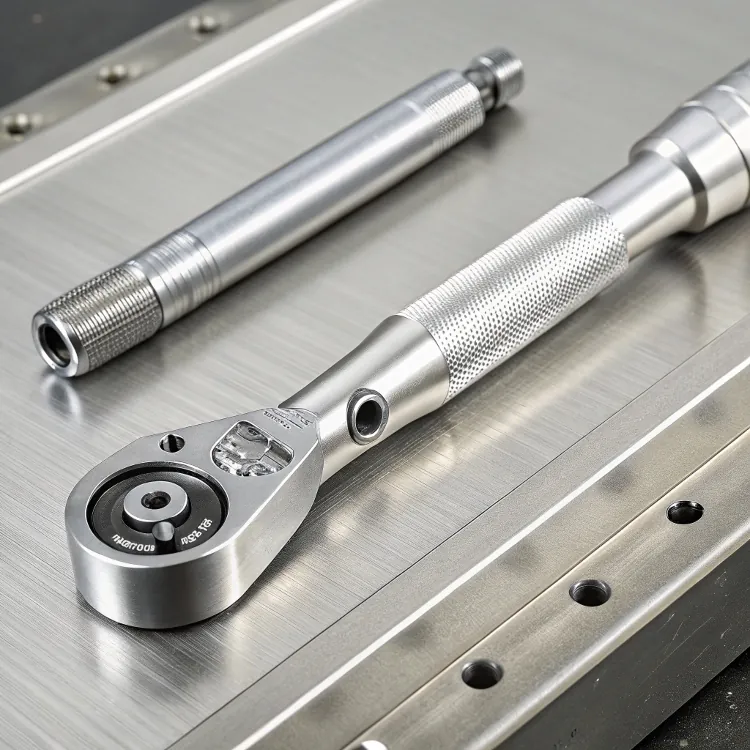
There are a few things to keep in mind if you’re buying or specifying aluminum-bodied torque tools:
Common Disadvantages
- Lower stiffness than steel – In high side-load situations, aluminum tools can flex slightly, affecting precision.
- Surface damage risk – Without proper coatings, the surface can scratch or dent easily.
- Higher cost – Aerospace-grade aluminum-titanium alloys are more expensive to source and machine than basic steel.
- Repair complexity – Aluminum is harder to weld or reshape once damaged. Special skills are required for fixes.
Despite these, the advantages often outweigh the downsides—especially when tools are used properly and inspected regularly.
A few simple steps, like applying protective coatings and avoiding shock loads, will maximize the life of your tool.
Aluminum tools are more expensive to repair than steel ones.True
Aluminum repairs often need specialized skills and equipment.
Aluminum torque tools are better than steel in every way.False
Each material has pros and cons depending on the application.
Conclusion
Aluminum-titanium alloys are the smart choice for hydraulic torque wrenches where weight, strength, and corrosion resistance matter. They require proper treatment and use, but they’re the go-to material for serious professionals.


