


Aluminum extrusion green manufacturing options?
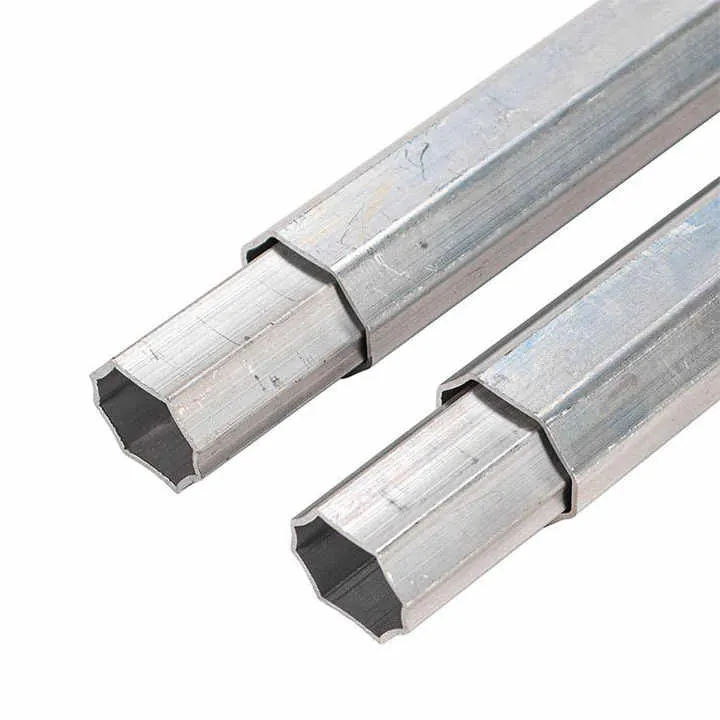
Aluminum extrusion plants often produce heavy emissions. That hurts air and raises energy costs. Green manufacturing offers cleaner and more efficient solutions.
This article shows that plants can cut emissions, use renewable energy, reduce waste, and meet green standards.
The rest of the article explains each option and how extrusion makers can go green.
Which practices reduce emissions in extrusion plants?
Many extrusion plants burn fossil fuels or use electricity from dirty grid power. That creates greenhouse gases and pollution. Cleaner practices can cut those emissions fast.
Good practices include energy-efficient machines, optimized heating and cooling, and better furnace control to shrink emissions output.

Reducing emissions in an extrusion plant begins with how the plant runs its machines and manages energy. One big factor is heating the extrusion billets and keeping temperature control tight. Inefficient heaters or poor insulation waste energy. Upgrading to modern, high‑efficiency billet heaters saves power. Also, optimizing heating cycles so the oven runs only when needed helps reduce fuel use.
Another factor is the extrusion press and its associated systems. Hydraulic or mechanical presses draw a lot of power. Using variable frequency drives (VFDs) on motors, or electric presses with modern controls, uses less electricity. In some plants, replacing older motors with high‑efficiency motors reduces electric demand.
Controlling cooling zones and using efficient cooling — for instance, efficient water chillers or closed‑loop cooling systems — reduces energy waste. Also, monitoring and sealing air leaks in ventilation or exhaust systems avoids loss of conditioned air.
Beyond equipment, scheduling and process layout can help. Running extrusion in batches reduces idle time. Running similar profiles back to back cuts changeover energy costs. Coordinated scheduling prevents frequent machine ramp-ups.
In many plants, switching from fossil‑fuel burners to electric heating (if electricity is clean) cuts emissions. If the electricity comes from clean sources, that is powerful. Also, installing proper insulation around ovens and ducts reduces heat loss.
Here is a table of common emission‑reducing practices and their benefits:
| Practice | Benefit | Implementation Tip |
|---|---|---|
| High‑efficiency billet heaters | Lower fuel/electric energy use | Replace old burners and improve insulation |
| Variable frequency drives | Lower motor electricity demand | Retrofit motors on presses and conveyors |
| Batch scheduling | Less idle time, fewer ramp ups | Group similar jobs and minimize downtime |
| Efficient cooling systems | Lower chiller and ventilation energy | Use closed‑loop or efficient chillers, seal ductwork |
| Electric heating (with clean power) | Near zero onsite combustion emissions | Switch burners to electric if power is green |
Retrofitting extrusion presses with variable frequency drives generally reduces electricity consumption.True
Because VFDs allow motors to run at lower speeds when full power is not needed, reducing electricity usage compared to fixed-speed drives.
Batch scheduling increases emissions because it forces machines to run continuously.False
Batch scheduling reduces idle time and avoids frequent ramp-ups, which lowers overall energy use and emissions.
Are renewable energy sources used in production?
Many factories rely on grid electricity or gas. That often comes from fossil fuels. Using renewables can cut emissions drastically. Some extrusion producers already try using solar, wind, or hydro power.
Using clean electricity or renewable power like solar or wind reduces the carbon footprint of extrusion production.
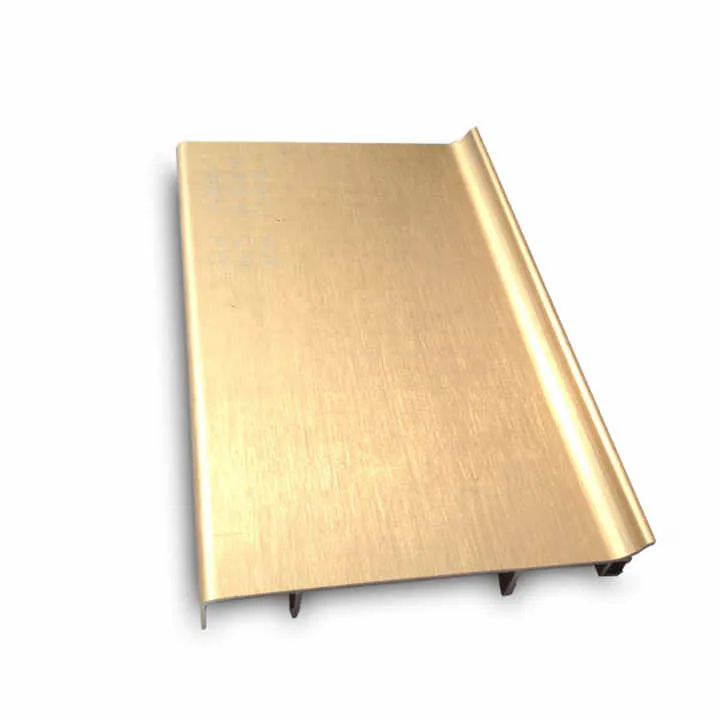
Using renewable energy for extrusion production means switching power sources or generating clean power onsite. Some plants install solar panels on their roofs. These panels produce electricity during the day. The plant can run presses, heaters, or lights with that solar power. That lowers dependence on dirty grid electricity.
In regions with clean grid electricity (for example where hydro or wind dominates), simply using grid power yields lower emissions. Green producers choose utilities offering renewable‑energy tariffs. Others buy renewable energy credits (RECs) to match their energy use.
Onsite wind turbines are rare because extrusion plants need stable, high power. Solar power fits better because of popularity and lower maintenance. Some large factories use a mix: solar for daytime operations and grid electricity for night. They may also store energy in batteries.
To rely more on renewables, the plant must check energy demand. Presses and heaters draw a lot. Solar alone often cannot cover peak loads all day. So a hybrid plan works: part solar, part grid, plus efficient equipment to keep energy demand down.
Energy storage helps. If the plant adds batteries, it can store excess solar power during midday. Then use it later when machines work. That smooths power supply and reduces peak demand from grid.
Using renewables also helps with green branding. Customers and partners value products made with clean energy. That can help win contracts or meet sustainability goals.
Installing rooftop solar arrays can supply all power needed for an aluminum extrusion plant.False
Because extrusion plants draw high and continuous power, rooftop solar alone often cannot meet peak demands without energy storage or supplemental grid power.
Using renewable electricity via clean grid or RECs lowers the carbon footprint of extrusion production.True
Because the energy used to power heating, presses, and fans comes from cleaner sources rather than fossil fuels, reducing greenhouse gas emissions.
Can waste be minimized in extrusion processes?
Extrusion processes generate scrap aluminum from trimming, cut‑offs, defective parts. If plants scrap all this, waste grows. Minimizing waste helps environment and improves cost.
Waste can be cut by re‑melting scrap, planning cuts precisely, and reusing off‑cuts in future jobs.
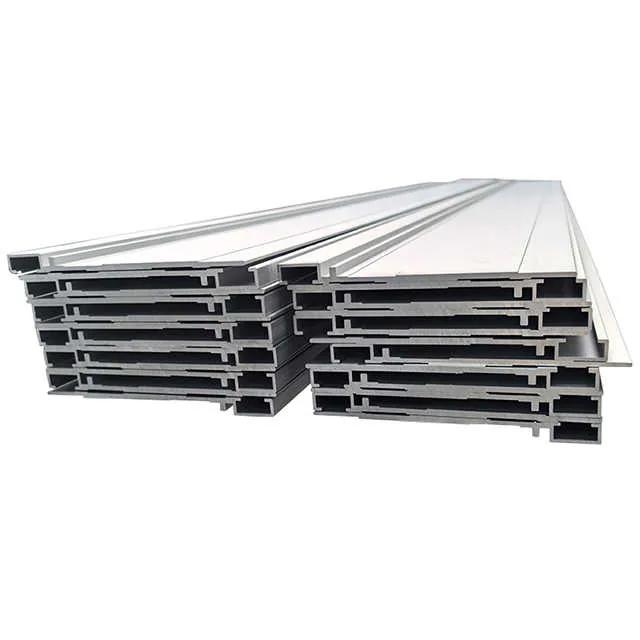
Waste in extrusion has many sources. First, off‑cuts and trim scrap remain after profiles are cut to length. Second, defective extrusions or surface defects may end up as scrap. Third, setup waste and start‑up scrap appear when machines skew or first extrusions are off‑spec.
One way to reduce waste is to collect all aluminum scrap and re‑melt it. Since aluminum recycles well, melted scrap can go back into billets. This reduces demand for new raw aluminum. It saves energy and lowers environmental impact.
Another method is cut‑planning and nesting. When profiles must be cut to lengths, optimize the layout so cut‑offs are leftover small pieces that match future job lengths. Planning ahead reduces scrap from irrelevant small pieces.
Also, frequent quality checks during extrusion help catch defects early. If a defect appears, stop and adjust settings. That prevents long runs of bad parts. It reduces full‑batch scrap.
Setting up the press carefully before runs helps. For example, doing wet‑runs or dummy extrusions on scrap‑free billet for warm‑up and adjustment avoids generating waste aluminum.
Here is a table that shows typical waste sources and mitigation methods:
| Waste Source | Waste Reduction Method | Benefits |
|---|---|---|
| Off‑cut trim pieces | Cut planning and nesting | Less scrap, better material yield |
| Defective extrusions | Frequent quality checks and early adjustments | Fewer rejected parts |
| Start‑up scraps and setup waste | Use dummy billets or sacrificial runs | Avoid waste of good material |
| Scrap aluminum from reject parts | Collect and re‑melt for new billets | Lower raw material demand and energy |
Re‑melting scrap aluminum saves more energy than producing new billets from ore.True
Because recycling aluminum requires far less energy than refining and processing raw aluminum ore into new billets.
Cut planning and nesting increase the amount of scrap in extrusion production.False
Because careful planning reduces off‑cuts and waste, improving material yield rather than increasing scrap.
What green certifications apply to this industry?
Many customers now ask for verified environmental credentials. Certifications signal that the plant meets standards. Some certificates work well for aluminum extrusion.
Certifications like ISO 14001 or LEED or ENERGY STAR show a firm commitment to environmental management or energy efficiency in extrusion plants.

Certifications help buyers trust that production follows green practices. One widely used standard is ISO 14001. It requires a formal environmental management system. The plant must identify environmental impact, monitor emissions and waste, and continuously improve. Achieving ISO 14001 shows the plant cares about its footprint.
Another useful certification is LEED (Leadership in Energy and Environmental Design). If a factory building meets LEED criteria, it uses efficient lighting, heating, water, and maybe renewable energy. A LEED‑certified facility shows that the building itself is green. That helps overall footprint.
For plants that buy or generate electricity, a certification like ENERGY STAR can apply if equipment meets energy efficiency standards. Using ENERGY STAR rated motors, chillers, or lighting reduces energy use. That supports green credentials.
Some producers also follow traceable supply‑chain standards like the Responsible Aluminium Initiative (RAI). RAI requires responsible sourcing of raw aluminum and reducing emissions in the supply chain. That helps companies selling to markets demanding greener metals.
Certifications often require audits, record‑keeping, and external review. That introduces overhead and cost. But customers increasingly ask for proof. Certifications reassure them that the plant does not simply claim to be green without verification.
Adopting certifications has benefits beyond marketing. They guide companies to track energy use, waste, and emissions. That often leads to cost savings as well as environmental benefit.
ISO 14001 certification ensures a plant has a formal environmental management system.True
Because ISO 14001 specifies requirements for organizations to manage environmental impact through documented processes, monitoring and continuous improvement.
ENERGY STAR certification applies only to small consumer products and cannot help industrial plants.False
Because ENERGY STAR also covers industrial equipment like motors, chillers and lighting, so industrial plants can use ENERGY STAR rated equipment to reduce energy use.
Conclusion
Green extrusion is possible. Plants can cut emissions with efficient equipment or renewable power. They can reduce waste by recycling scrap. Certifications add credibility and help access green‑focused markets.


