


Does the Choice of Aluminum Extrusion Shapes Matter?

I once designed a frame using a complex T-shaped extrusion. It looked good on CAD, but in practice the thin legs bent under load. That experience taught me shape matters.
The shape of an extrusion directly affects its strength, weight, cost, and ease of making.
Let’s explore the factors that shape design needs to consider, how profiles affect performance, optimizing cost, and fabrication ease.
1. What factors influence the shape design of aluminum extrusions?

Designing an extrusion starts with the function it must serve, then balances technical, cost, and manufacturing constraints.
Key factors include: strength needs, manufacturing limits, surface finish, assembly method, and cost constraints.
Main Influences on Shape Design
| Factor | What It Means |
|---|---|
| Load Conditions | How much bending, compression, tension needed |
| Wall Thickness | Must not be too thin or too thick |
| Profile Complexity | Simple shapes extrude easier and cheaper |
| Tolerances | Precision matters for assembly fit |
| Surface Finish | Round edges, less die wear |
| Joining Methods | Saw cuts, welding, bolting, fastening |
| Aesthetics | Visible parts need clean lines |
| Alloy & Temper | Some alloys need simple shapes |
| Press Capacity | Long or wide shapes demand bigger machines |
In one project I reduced a profile’s barbs and notches. It simplified the die, cut tool time by 30%, and improved flow, while still holding parts well.
2. How do different profiles affect structural performance?

The geometry of a profile controls how it resists bending, torsion, and buckling.
Sections like I?beams, channels, and hollow boxes offer strength with less aluminum. Simple flat bars are easier but weaker.
Profile Type vs. Strength
| Profile Type | Strength Direction | Best Use Cases |
|---|---|---|
| Solid Bar | Uniform but heavy | Simple brackets or filler pieces |
| Channel/U?Section | Good bending resistance | Frames, rails, structural members |
| I?Beam / H?Beam | High moment of inertia | Bridge rails, long span support |
| Box / Square Tube | Torsion & bending resistant | Enclosures, machine frames |
| Thin Wall Profile | Lightweight frames | Windows, partitions, non-structural |
| Custom Multi?Cavity | Specific functions | Cable holders, HVAC, conveyors |
Mechanics in Play
- Moment of Inertia is key. More area far from center = stronger per weight.
- Thin-walled shapes save weight but need bracing or ribs.
- Hollow shapes offer rigidity without full mass.
In a robotics base I built, switching from solid plates to box tubes cut the frame weight by half and kept stiffness. The robot moved faster and used less power.
3. Can extrusion shape optimize material usage and cost?
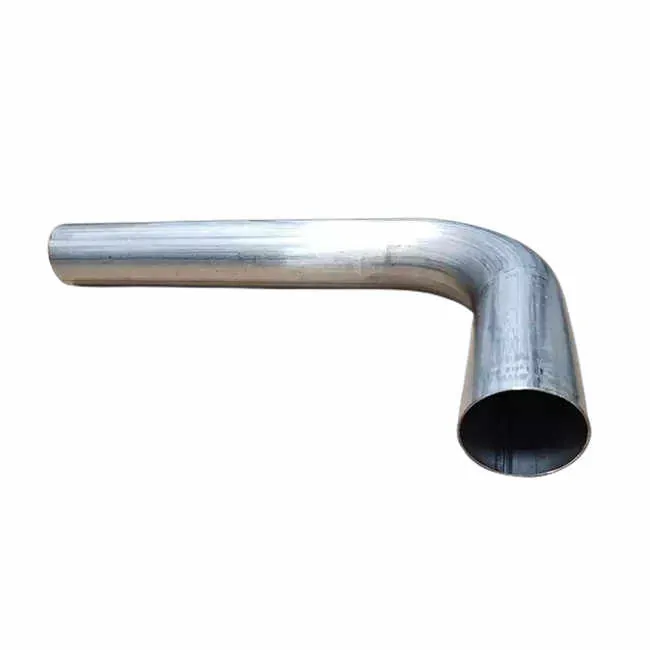
Materials and tooling costs are big in extrusion projects. Smart shape design helps reduce weight and cost, while meeting function.
A well-designed profile uses just enough material for strength but minimizes waste and machining.
Ways Shape Saves Cost
- Use ribs/internals instead of solid metal.
- Optimize wall thickness—not too thick or too thin.
- Limit hollows to only what is needed.
- Avoid sharp corners; they need more tooling and slow speed.
- Reduce die complexity—simple shapes cost less to build and run.
Cost Example Table
| Design Strategy | Material Savings | Cost Effect |
|---|---|---|
| Add internal ribs | 10–20% less alloy | Little die change |
| Shift from solid to hollow tube | 50% material cut | New die needed |
| Simplify corner radius | 15% faster runs | Lower tooling cost |
| Remove decorative elements | 8% cheaper run times | Cheaper profiles |
In one case, removing decorative grooves saved 12% material. The part was still strong and looked fine. Die cost dropped too.
4. How to select extrusion shape for ease of fabrication?
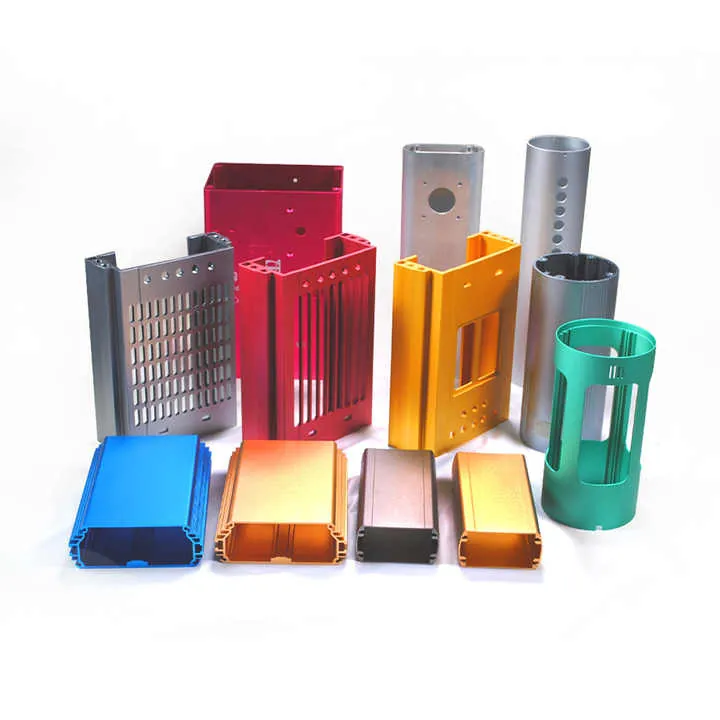
Fabrication includes cutting, drilling, welding, milling, and finishing. The shape influences how easy or hard that work is.
Profiles with straight walls, enough space for tools, and joining points built-in make fabrication simpler and cheaper.
Fabrication Factors
- Straight cut surfaces simplify saw or shear cutting.
- Built?in joining features (slots, holes) avoid extra drilling.
- Smooth surfaces help welding or coating.
- Minimal hidden cavities stop hassles in machining or cleaning.
- Standard angles (90°, 45°) are easier to miter or fit.
Tooling and Machining Ease
- Flat surfaces allow easy drilling or tapping.
- Square or rectangular tubes clamp and fit better.
- Thin shafts or fins may bend unless supported.
I designed a case with snap?in fittings in the extrusion. It avoided drilling 10 holes per part. Assembly became faster and more consistent.
Conclusion
Choosing the right extrusion shape matters a lot. The profile affects strength, weight, cost, and fabrication ease. Profiles with high moment of inertia give strength with less weight. Simple designs save material and tooling cost. Shapes designed for assembly simplify manufacturing.
Careful shape selection brings better parts faster and cheaper.
True/False Questions
Box or square tube profiles offer good resistance to both bending and torsionTrue
Hollow box shapes distribute material away from center and resist bending and twisting effectively.
Complex decorative grooves in an extrusion always improve cost efficiencyFalse
Decorative features add die complexity and slow production, increasing costs rather than improving them.


