


How to join two aluminum extrusions together parallel?

When two aluminum extrusions run side by side, misalignment or flex can ruin your structure’s precision and strength.
Yes — you can join two extrusions in parallel using the right connectors, spacing control and support strategy to ensure alignment and rigidity.
Below I walk through key questions: what connectors to use, why spacing matters, how to keep runs rigid, and how support bars help. Let’s dive in.
What connectors align parallel extrusions?
Struggling with two profiles that wander out of sync? A proper connector solves that.
Special “parallel connectors” allow two T‑slot aluminum extrusions to be joined side‑by‑side and held in perfect alignment.

When two aluminum extrusions must run in parallel, like twin rails or dual structural beams, connector selection becomes critical. The most effective method is to use dedicated parallel connectors. These components are made to link two extrusions side by side, ensuring a firm and precise connection with no gap between them.
Types of connectors used for this purpose
| Connector Type | How it Works | Suitable For |
|---|---|---|
| Parallel Clamp Block | Screws clamp both profiles tightly together | General parallel alignment |
| Joining Plate with T-slot Nuts | A metal plate bolted across both profiles | Custom width, stronger loads |
| Internal Spline Connector | Inserted into T-slot channels, locked by tension | Clean external appearance |
Key points for proper alignment
- Choose connectors that match the extrusion series (e.g., 20, 30, 40, 50 series). A mismatch can create stress points.
- The connection should be flush — a gap can lead to twisting under load.
- Use at least two connection points to avoid rotation or misalignment.
- Avoid re-drilling or DIY solutions. Factory-made parallel connectors offer consistent performance.
Consistent spacing, flush surfaces, and enough clamping points ensure the two extrusions act as a single structural element. A parallel connector also prevents movement when dynamic or heavy loads are applied.
Using a standard corner bracket is sufficient to align two extrusions side-by-sideFalse
Corner brackets are designed for perpendicular joints, not for maintaining alignment along the same axis.
Dedicated parallel connectors exist specifically to join two extrusions in parallel with no gapTrue
They are designed for flush, gap-free alignment of side-by-side extrusions.
Why spacing accuracy is important?
Imagine two rails that are supposed to be side‑by‑side but one is 1 mm out: small error, big consequence.
Accurate spacing between parallel extrusions ensures load sharing, alignment of attached components, and prevents twisting or deflection.
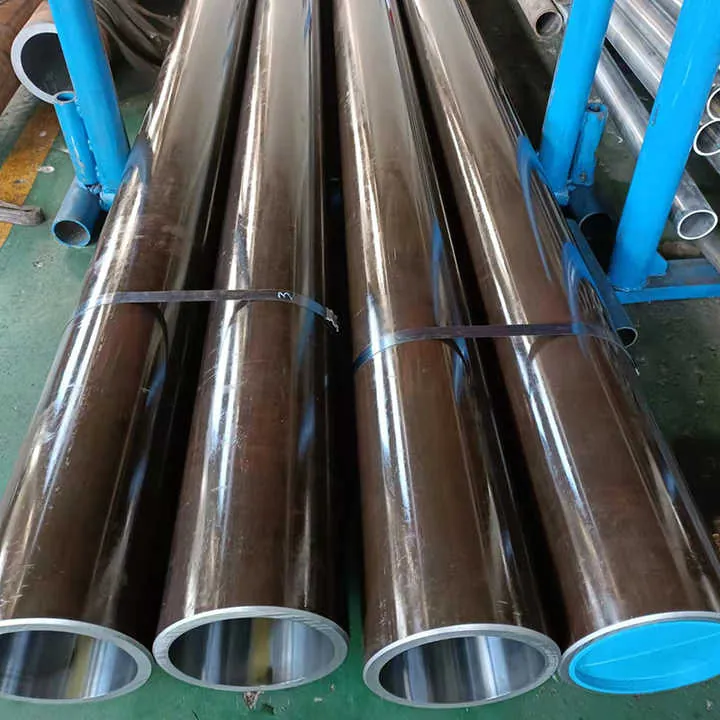
Spacing accuracy between aluminum extrusions directly impacts system performance. A deviation as small as 0.5 mm can cause binding, mechanical stress, or even system failure in tightly-toleranced assemblies.
What goes wrong when spacing is off?
- Uneven loads: One extrusion may take more stress, causing it to deform faster.
- Misalignment of mounted parts: Components such as sliders, plates or bearings may not fit across uneven gaps.
- Structural weakness: A wider or narrower gap than designed compromises the joint’s stiffness.
- Assembly issues: Inconsistent gaps make it harder to insert connectors or attach parts like brackets and guide rails.
How to maintain spacing precision
- Use spacer blocks or jigs during assembly.
- Measure gap distance using calipers at multiple points.
- Avoid thermal mismatch — aluminum expands with heat. Maintain even temperature during setup.
- Secure all joints progressively, not one end at a time, to prevent shifting.
Table: Impact of spacing errors
| Error Type | Cause | Result |
|---|---|---|
| Too Wide | Misaligned cuts | Loose fitting, vibration |
| Too Narrow | Warped profile | Binding, bending force |
| Inconsistent Gap | Uneven mounting | Twisting, stress on connectors |
Correct spacing makes your build stronger, more accurate, and easier to maintain.
Spacing accuracy is crucial because two parallel extrusions should act as one unit under loadTrue
They share stress and alignment responsibilities, so spacing directly affects load distribution.
As long as the connectors are strong, spacing errors do not affect structural performance muchFalse
Even with strong connectors, spacing variation leads to uneven load and possible structural twist.
How to maintain rigidity in parallel runs?
Two profiles side by side will flex unless you take deliberate steps to stiffen them.
Maintaining rigidity means securing the profiles together and adding structural features so the assembly resists bending and torsion as a single, solid beam.

Two extrusions joined in parallel can behave like a wide I-beam, but only if they are well connected. Without enough stiffness, they act independently and flex under pressure. Rigidity is not automatic—it has to be built in.
How to stiffen your parallel extrusion setup
- Use multiple connectors along the length — not just at the ends.
- Add gusset plates at joints to reduce flexing.
- Consider diagonal bracing to handle torque.
- Use rigid base plates to bolt both extrusions together at their bottom surfaces.
The more rigid connections you make, the more the profiles behave like one strong unit. Gussets help a lot—especially where loads are unpredictable. Spanning plates on the side or bottom add significant torsional strength.
Table: Rigidity strategies
| Method | Benefit | When to Use |
|---|---|---|
| Connector every 200mm | Uniform load sharing | Long horizontal runs |
| Bottom joining plate | Reduces flex & twist | Heavy loads |
| End gussets | Prevents rotation | When under torque |
| Diagonal braces | Torsional support | Machines or tools mount to profiles |
Also remember: cutting corners here means more vibration, more deflection, and lower lifespan.
Joining two extrusions at only their ends can provide adequate rigidity for long spansFalse
That causes mid-span deflection; stiffness needs support throughout the length.
Increasing connection frequency along the run increases the effective stiffness of the parallel assemblyTrue
More connectors reduce independent flexing, increasing overall structural integrity.
Can support bars reduce flex?
If you still see flex or twist in your parallel run, adding support bars can make a big difference.
Yes — support bars that link two parallel extrusions or support them from beneath can significantly reduce deflection and improve load‑capacity.
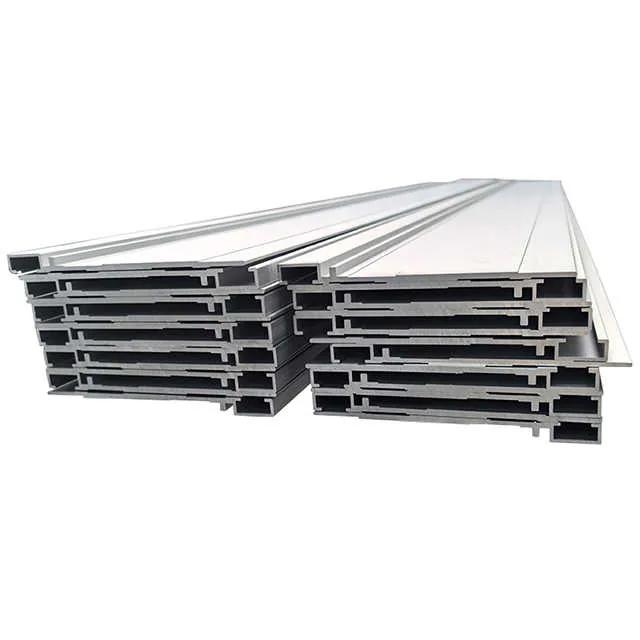
Support bars act like the backbone of a parallel extrusion setup. By adding horizontal or vertical braces, you transform two flexible beams into a single, much stiffer unit. They can be used between or below the extrusions.
Benefits of support bars
- Reduce sag: They prevent mid-span droop under heavy load.
- Prevent twist: A cross-bar locks both extrusions in place, stopping rotation.
- Increase load distribution: The load spreads evenly between bars and profiles.
- Boost safety: Less movement means fewer mechanical failures.
Types of support bars
| Type | Mounting Style | Ideal Use |
|---|---|---|
| Internal spacer | Between extrusions | Keeps fixed gap |
| Under-mount bar | Bolted from beneath | Structural load |
| Cross brace | Angled support | Torsion reduction |
Support bars are especially useful for spans over 1 meter, or if moving parts are mounted. Even adding one midway can cut flex by more than half.
Always match the support bar’s strength to the expected load. Use steel if high force is expected. Aluminum bars are fine for lighter setups.
Support bars are only needed if the span is very longFalse
Even short runs benefit if they carry load or dynamic movement.
A support bar between two parallel extrusions helps both keep spacing and reduce flexTrue
It locks the profiles together and reinforces structural behavior.
Conclusion
Properly joining two aluminum extrusions in parallel means more than just connecting them — it’s about maintaining alignment, spacing, and stiffness. With the right connectors, precise spacing, rigidity techniques, and support bars, your structure will last longer and perform better.


