


What is Carburizing Heat Treatment?

Carburizing is a heat treatment process used to enhance the surface properties of steel parts, particularly in high-wear applications. It makes the surface harder, increasing wear resistance and strength.
Carburizing involves introducing carbon into steel at high temperatures to harden the surface while maintaining a tough core. This is achieved by heating steel in a carbon-rich atmosphere, followed by quenching and tempering.
If you’re in the manufacturing industry or work with precision metal components, you may have encountered carburizing heat treatment. But what exactly does it do, and why is it so important for CNC parts? Let’s dive in!
What Are the Benefits of Carburizing for CNC Parts?
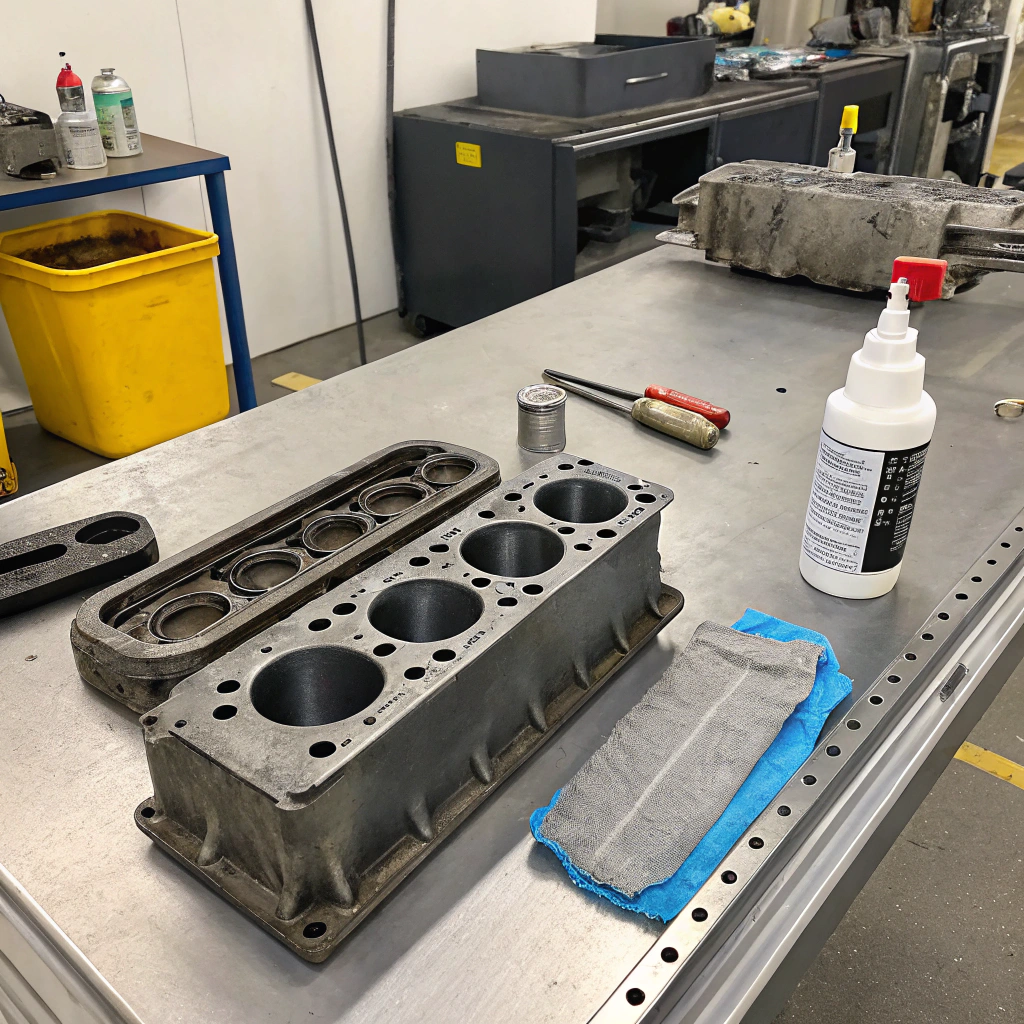
Carburizing improves CNC parts’ surface hardness, fatigue strength, and wear resistance. It ensures parts like gears, shafts, and bearings last longer in high-stress environments.
Carburizing is often used for CNC (Computer Numerical Control) parts in industries like automotive, aerospace, and heavy machinery. These parts often endure high friction and stress, so they must be durable. Carburizing helps achieve this by hardening only the surface of the part while keeping the inner core tougher and more flexible.
How Does Carburizing Enhance CNC Parts?
CNC parts are designed to withstand significant loads and wear. Carburizing addresses these challenges by creating a hardened outer layer while maintaining a ductile core. This layered structure optimizes the part’s strength and durability without compromising its flexibility. Here are some of the major benefits of carburizing for CNC parts:
-
Increased Surface Hardness
The carburizing process increases the hardness of the outer layer of a part. This is essential for components that interact with other moving parts or endure abrasive conditions. By hardening the surface, carburizing makes the part more resistant to wear and tear. -
Improved Wear Resistance
The carbon-rich surface layer is highly resistant to abrasion. This makes carburized parts ideal for applications like gears, camshafts, and bearings that experience repetitive friction during operation. -
Enhanced Fatigue Strength
The surface layer created by carburizing increases the material’s resistance to fatigue failure. This is important for parts subjected to cyclic loading, such as rotating components or parts under constant stress. -
Optimized Load-Bearing Capacity
By hardening the surface and leaving the core material more ductile, carburizing optimizes the load-bearing capacity of CNC parts. This means they can carry heavier loads without cracking or breaking. -
Extended Service Life
Parts that are carburized can handle harsh operating environments, extending their service life. Carburizing provides a cost-effective way to improve the durability and reliability of CNC components.
How to Perform Carburizing Heat Treatment?

The carburizing heat treatment process involves heating steel parts in a carbon-rich environment to allow carbon diffusion into the surface. After heating, parts are quenched and tempered to lock in the desired properties.
Carburizing heat treatment is a multi-step process, but each step is critical to ensuring the desired hardness and performance of the CNC parts. The process can be broken down into several key stages:
Preparation: Clean the Parts
Before starting the carburizing process, the parts must be cleaned thoroughly. Any oils, dirt, or other contaminants can interfere with carbon absorption and reduce the effectiveness of the carburizing treatment. Common cleaning methods include abrasive cleaning, chemical cleaning, or ultrasonic cleaning.
Carburizing Process: Introducing Carbon to Steel
There are three main methods for introducing carbon into steel:
-
Gas Carburizing
The parts are heated in a furnace filled with carbon-rich gases, such as methane or propane. The carbon from the gas diffuses into the surface of the steel at temperatures between 850°C and 950°C. -
Liquid Carburizing
In this method, the parts are immersed in a molten salt bath containing carbon. This allows the carbon to be absorbed by the steel at high temperatures, usually around 900°C to 950°C. -
Solid Carburizing
In solid carburizing, carbon is supplied by solid materials such as charcoal or carbon-rich powders. The steel parts are placed in a sealed chamber with these carbon sources, and the heat causes carbon to diffuse into the surface.
Quenching: Rapid Cooling
After the carburizing process, the parts need to be cooled rapidly to lock in the carbon and harden the surface. This is done by quenching the parts in oil, water, or air. The cooling rate is crucial because it determines the hardness and microstructure of the carburized layer.
Tempering: Reducing Brittleness
Once the parts are quenched, they may be brittle. To reduce this brittleness and relieve internal stresses, the parts are tempered by heating them to a lower temperature (around 150°C to 300°C) and then cooling them slowly.
Post-Treatment: Final Adjustments
Finally, the carburized parts may undergo further processes like machining, grinding, or polishing to achieve the desired dimensions and surface finish. These steps ensure that the parts meet the specifications required for their final application.
What Are the Innovations in Carburizing Technology?

Innovations in carburizing technology are making the process more precise, energy-efficient, and environmentally friendly, with advancements like vacuum carburizing and low-temperature techniques.
Carburizing technology has evolved significantly over the years. New methods and improvements to existing processes have enhanced the effectiveness, speed, and environmental sustainability of carburizing. Some of the key innovations in carburizing technology include:
Low-Temperature Carburizing (LTC)
Traditional carburizing is done at high temperatures, typically between 850°C and 950°C. However, low-temperature carburizing (LTC) uses lower temperatures, often below 900°C. LTC has several advantages:
- Reduced distortion: Parts are less likely to warp or distort during the process.
- Improved dimensional accuracy: LTC offers better control over the dimensions of the carburized layer.
- Reduced oxidation: The lower temperatures reduce the amount of oxidation on the surface.
LTC is particularly useful for parts that require high dimensional precision, such as gears and shafts.
Vacuum Carburizing
Vacuum carburizing involves conducting the carburizing process in a vacuum furnace, eliminating the need for a carbon-rich atmosphere. This method offers several benefits:
- Cleaner environment: The process is more controlled, and there is less contamination from atmospheric gases.
- Better surface quality: The absence of oxidation and impurities results in a cleaner, smoother surface.
- Lower energy consumption: Vacuum furnaces are more energy-efficient than traditional carburizing furnaces.
Vacuum carburizing is gaining popularity for high-end, precision-engineered parts.
Plasma Carburizing
Plasma carburizing, also known as ion carburizing, uses ionized gas (plasma) to introduce carbon into the steel surface. This process takes place in a vacuum chamber and offers several advantages:
- Precision: Plasma carburizing allows for fine control over the depth and uniformity of the carburized layer.
- Lower temperatures: The process can be done at lower temperatures, reducing the risk of distortion and oxidation.
- Environmentally friendly: Plasma carburizing reduces the need for large quantities of quenching oil and other chemicals.
Pulse Carburizing
Pulse carburizing involves introducing carburizing gas in short bursts, rather than continuously. This method offers better control over the carburizing depth and reduces the time needed for the process. The result is more efficient carburizing with improved uniformity.
Continuous Carburizing Systems
Automation has led to the development of continuous carburizing systems, where parts are automatically fed into the furnace, carburized, quenched, and tempered in a continuous process. This improves efficiency, reduces labor costs, and increases throughput.
Conclusion
Carburizing is a powerful heat treatment process that enhances the wear resistance, fatigue strength, and durability of steel parts. With advancements in technology, carburizing processes are becoming more precise, efficient, and environmentally friendly, making them an essential tool for manufacturing high-performance CNC parts.


