


What Happens If Air Bubbles Enter a Liquid Cooling Plate?
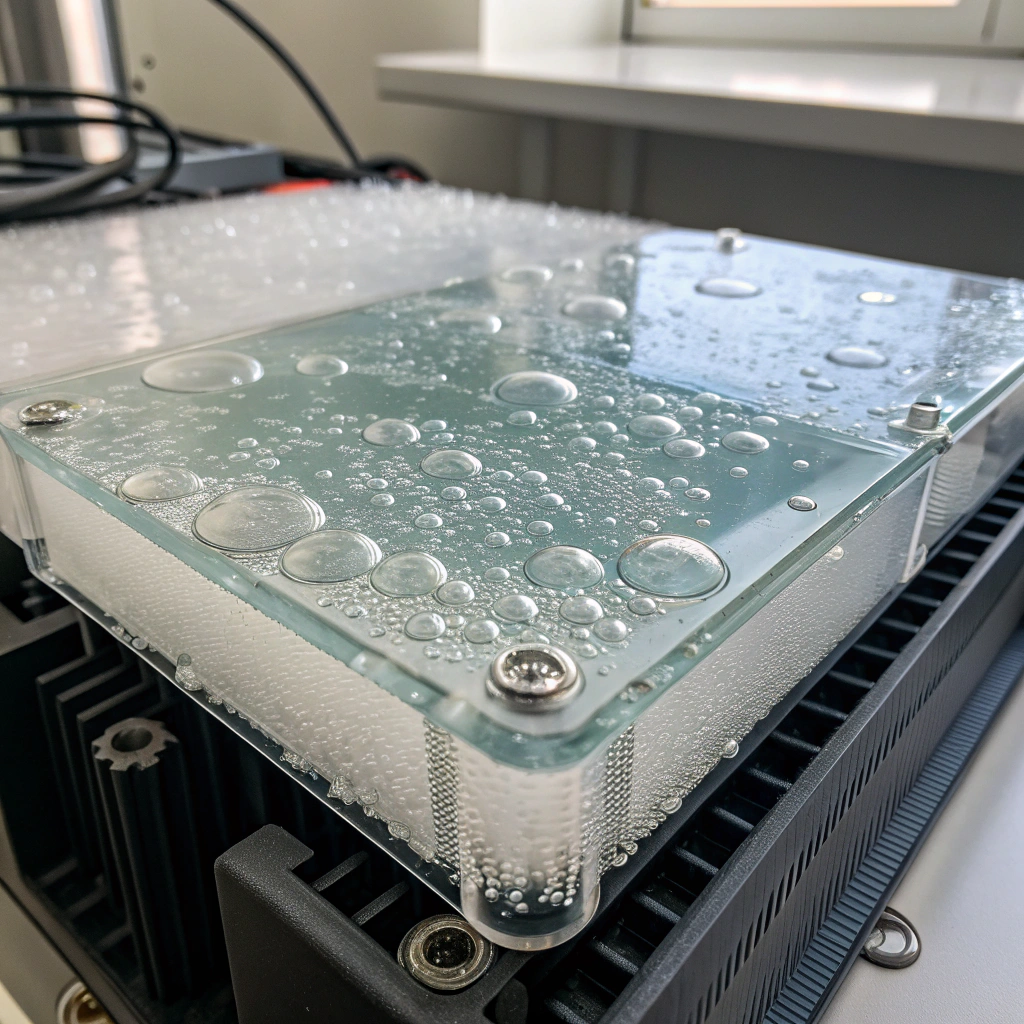
When air bubbles get trapped inside a liquid cooling plate, they silently disrupt heat transfer efficiency. Many engineers ignore them, but this minor issue can cause overheating or even system failure.
Air bubbles reduce thermal contact between coolant and metal surfaces, which lowers the cooling plate’s ability to transfer heat. This leads to higher temperatures and possible damage to electronic components.
Ignoring this issue is risky. In this post, I’ll explain what causes air bubbles, how they affect cooling performance, and how to spot and eliminate them.
What Causes Air Bubbles in Cooling Plates?
Even the best-engineered systems can trap air during assembly or operation. You might not see them, but their effects can be felt in system performance.
Air bubbles typically enter during filling, from leaks, material outgassing, or temperature-driven volume changes in the liquid.
Common Causes of Air Intrusion
| Source | Description |
|---|---|
| Filling Process | Air gets trapped if coolant is not filled slowly or under vacuum. |
| Leaks in Seals/Fittings | Microscopic cracks or loose fittings allow air to seep in over time. |
| Material Outgassing | Certain plastics or rubbers release gases when exposed to heat. |
| Thermal Expansion | Coolant volume changes with temperature, pulling in air during contraction. |
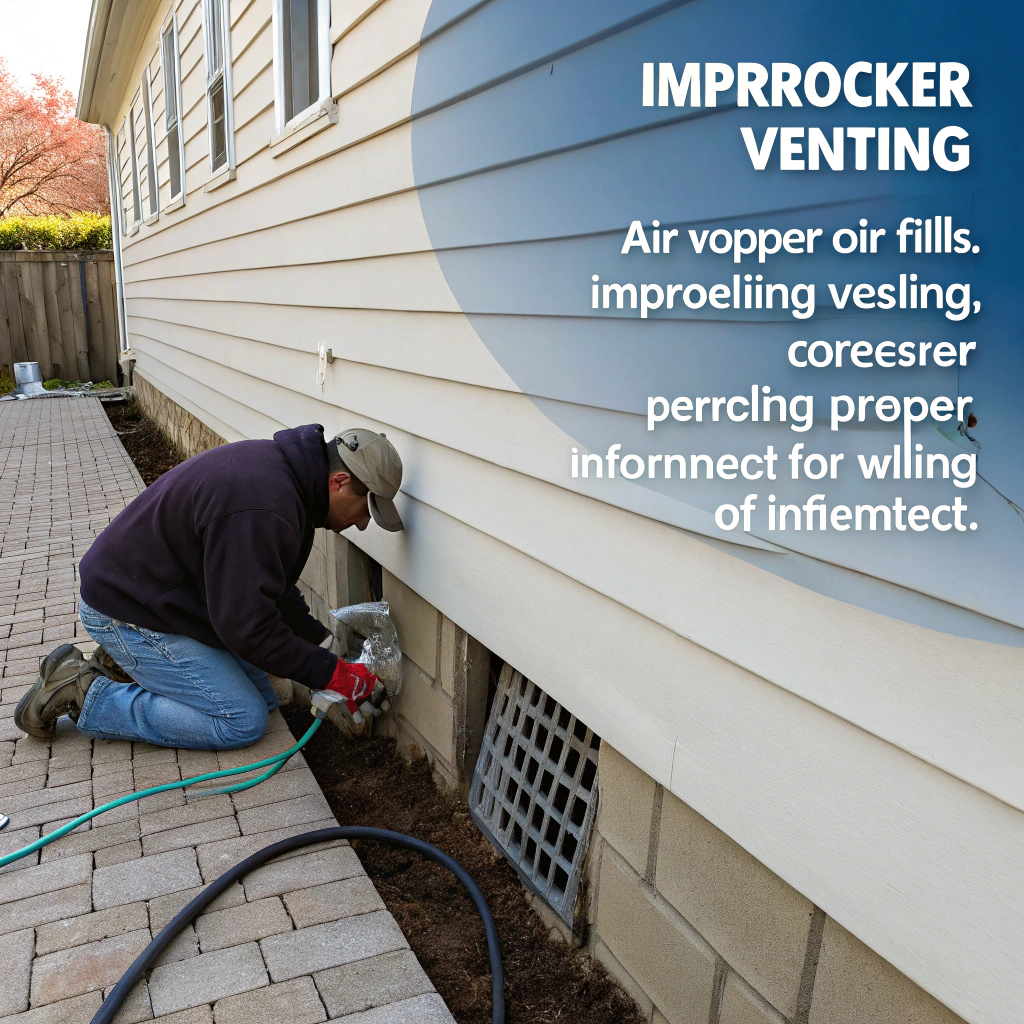
Filling Without Proper Venting
If the system isn’t filled under vacuum or isn’t tilted properly during fill-up, air pockets form. These pockets often get stuck in corners or around fins, where they resist displacement.
Leaks That Seem Harmless
Even a pinhole leak in a gasket or tube can cause air to sneak in slowly. Over time, a significant bubble forms. Often, such leaks also allow coolant to evaporate, compounding the problem.
Most air bubbles in liquid cooling plates are caused by leaks in the seals.False
While leaks can cause air intrusion, poor filling practices and outgassing are often more common sources.
Air bubbles can form during temperature fluctuations when coolant volume decreases.True
As coolant contracts in lower temperatures, it can pull in air if the system is not properly sealed.
Why Are Bubbles Harmful to Performance?
An air bubble may seem small, but its impact on cooling performance can be big. It changes the thermal profile without warning.
Bubbles create insulation between coolant and the cooling plate wall, disrupting thermal flow and causing hot spots.
How Air Bubbles Interfere with Cooling
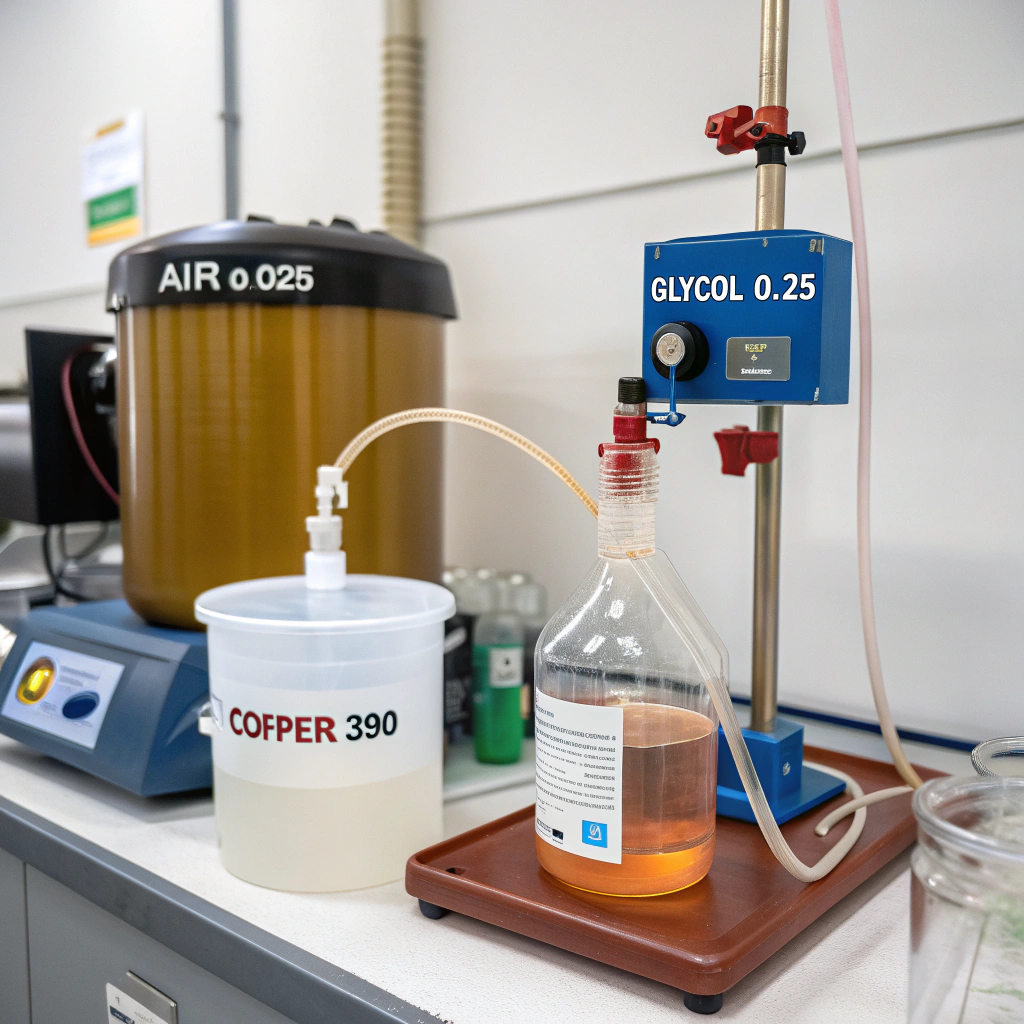
Air is a poor conductor of heat. Compared to coolant fluids, air can insulate surfaces, preventing proper thermal exchange. A tiny bubble in a high-heat zone, like near a CPU or power transistor, can lead to local overheating.
Heat Transfer Coefficients Comparison
| Substance | Thermal Conductivity (W/m·K) |
|---|---|
| Water | ~0.6 |
| Air | ~0.025 |
| Glycol | ~0.25 |
| Copper | ~390 |
As you can see, air is a poor conductor of heat compared to coolant. Even a small air pocket reduces heat transfer drastically. This effect is worse in microchannel designs where flow paths are narrow.
Risks from Air Bubbles
- Local overheating: Hotspots form at bubble locations.
- Reduced system lifetime: Higher temperatures accelerate wear.
- Thermal cycling: Irregular heating/cooling stresses components.
- Pump cavitation: Air pockets can damage pump blades.
Air bubbles reduce thermal conductivity and can create hot spots in the cooling plate.True
Air acts as a thermal insulator and disrupts fluid contact with heated surfaces, causing uneven heat dissipation.
The presence of air bubbles increases the coolant's ability to transfer heat.False
Air bubbles decrease heat transfer because air has much lower thermal conductivity than most coolants.
How to Detect and Remove Trapped Air?
Air bubbles don’t always make noise. You may not see them either. But their thermal signature can betray them.
To detect trapped air, use thermal imaging, pressure monitoring, or visual inspection during operation. Removing bubbles involves tilting, bleeding, or vacuum filling the system.

Detection Methods
- Thermal cameras: Show hot spots caused by insulation.
- Flow meters: Drop in flow may mean blockage by bubbles.
- Pressure sensors: Rapid changes can indicate bubble collapse.
- Manual inspection: Transparent tubing allows visual check.
Removal Techniques
- Bleeding ports: Let trapped air escape via top-positioned vents.
- Tilting system: Repositions bubbles toward exits.
- Running pumps: Recirculation helps dislodge bubbles.
- Vacuum fill method: Prevents bubble formation from the start.
Step-by-Step: Manual Bubble Removal
- Turn off the system.
- Open the highest bleed valve.
- Tilt or shake the system slightly.
- Wait until all air escapes.
- Refill coolant if needed.
- Reseal and restart.
Vacuum filling is the most effective way to prevent air bubbles during initial coolant filling.True
Vacuum filling removes all air before introducing coolant, eliminating the chance of trapped air pockets.
Air bubbles can be easily removed just by increasing pump speed.False
While increasing flow may help, it often won't dislodge stubborn bubbles stuck in complex geometries.
What Technologies Prevent Air Intrusion?
Air intrusion isn’t just a design flaw. It’s a problem that can be solved with smart technology choices and design improvements.
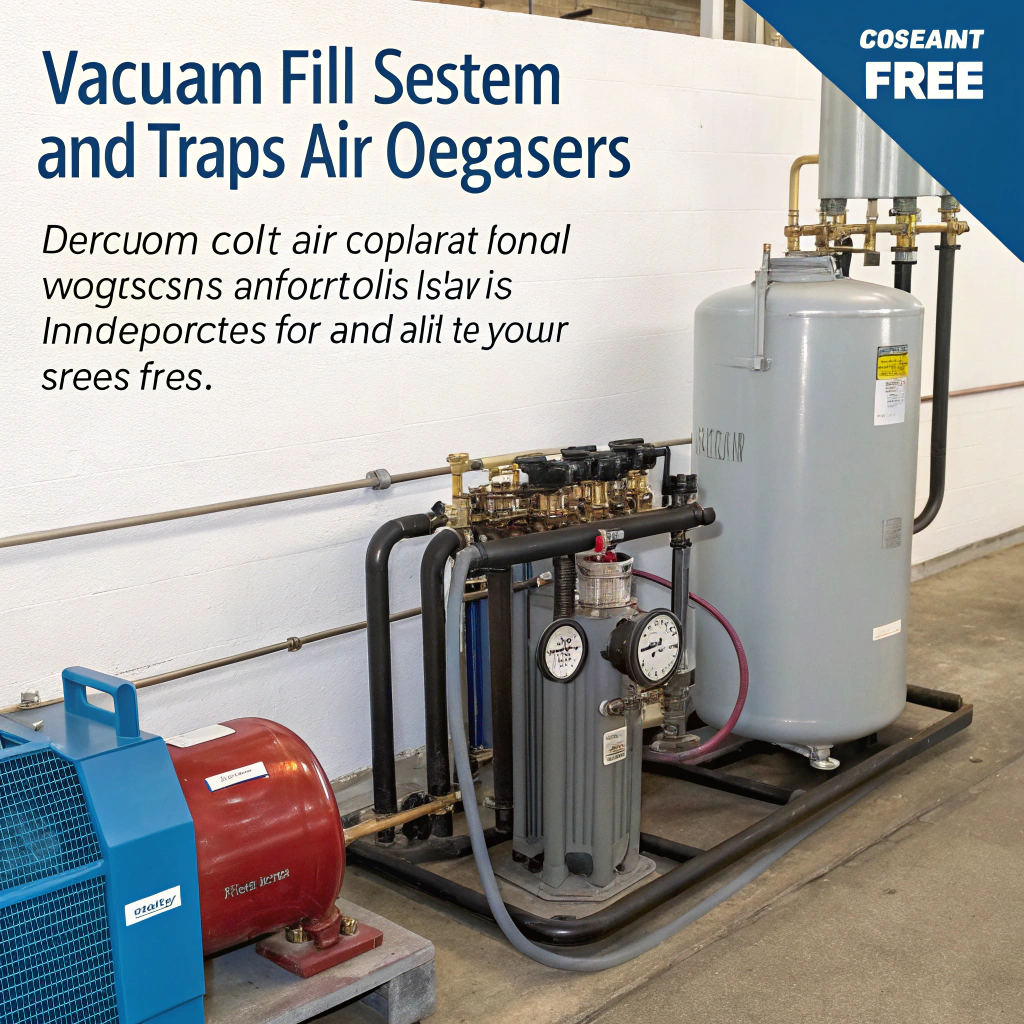
Technologies like vacuum filling systems, air traps, high-integrity seals, and bubble sensors can prevent or manage air intrusion in cooling plates.
Preventive Technologies
| Technology | Function |
|---|---|
| Vacuum Fill System | Ensures zero air during coolant introduction |
| Air Traps / Degassers | Capture and vent bubbles during operation |
| High-Integrity Seals | Prevent air ingress over time |
| Bubble Sensors | Detect and alert about trapped air |
Advanced System Features
Degassing Chambers
These are specially designed areas where bubbles naturally rise and collect, eventually venting out. They’re placed in low-flow areas or near pumps.
Bubble Detection Sensors
These use ultrasonic or optical techniques to detect air in coolant. When air is found, the system can slow down, shut off, or alert the user.
Material Selection
Using low-outgassing materials (like PTFE, PFA) prevents gas buildup inside over time, which helps keep systems bubble-free in the long run.
Using degassing chambers in a system helps capture and remove air bubbles during operation.True
Degassing chambers allow trapped air to collect and vent without interrupting coolant flow.
Silicone rubber is ideal for sealing because it prevents all forms of gas release.False
Silicone rubber can actually outgas under high heat, contributing to air bubble formation.
Conclusion
Air bubbles may be invisible, but they are not harmless. They disrupt cooling performance, cause hot spots, and shorten equipment life. By understanding how they form and using modern technologies to prevent them, we can design more reliable and efficient liquid cooling systems.


