


Comparing and Choosing Aluminum Profile Surface Treatment Technologies
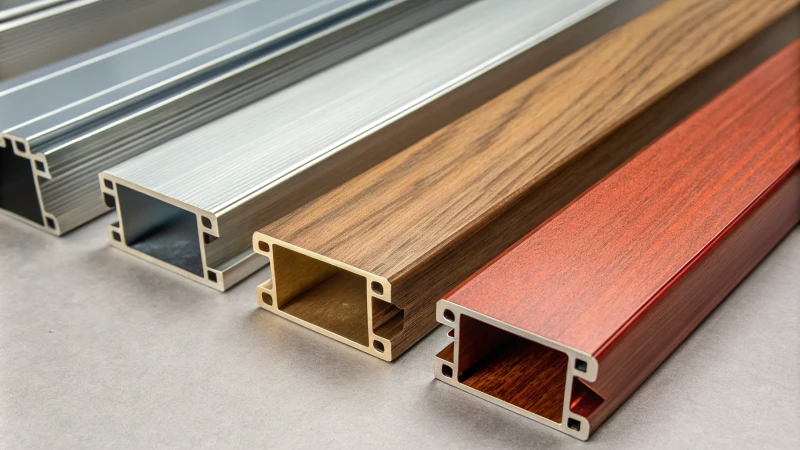
Choosing the right surface treatment for aluminum profiles can greatly enhance the functionality and appeal of your product.
The best surface treatments for aluminum profiles include anodizing for corrosion resistance, coating for aesthetic versatility, and wood grain transfer for a natural look. Each process offers distinct benefits, such as increased durability or enhanced visual appeal, making them suitable for various applications.
While you now have an overview of the primary surface treatment options, there are numerous factors to consider when selecting the best technique for your specific needs. Dive deeper into each method’s characteristics, benefits, and limitations to make an informed decision that aligns with your project’s goals.
Anodizing enhances aluminum's corrosion resistance.True
Anodizing creates a protective oxide layer, increasing corrosion resistance.
Wood grain transfer is the most durable treatment for aluminum.False
Wood grain transfer is aesthetic-focused and less durable than anodizing.
How Does Anodizing Improve Aluminum Profiles?
Discover how anodizing transforms aluminum profiles, enhancing durability, aesthetics, and performance. This process not only fortifies the metal against wear but also opens up exciting possibilities for color and design.
Anodizing enhances aluminum profiles by forming a protective oxide layer, which significantly improves corrosion resistance, durability, and aesthetic appeal. This electrochemical process also allows for a variety of color options through electrolytic coloring.

Understanding the Anodizing Process
Anodizing involves an electrochemical process that increases the natural oxide layer on the surface of aluminum. This enhancement offers excellent protection1 against environmental factors. When aluminum profiles undergo anodizing, they gain superior corrosion resistance and durability.
Benefits of Anodizing
-
Corrosion Resistance: The anodized layer acts as a shield against rust and decay, making it ideal for outdoor applications.
-
Wear Resistance: The hardness of the anodized surface can reach up to 500 HV, providing robust protection against scratches and wear.
-
Aesthetic Versatility: Through electrolytic coloring, anodizing allows for diverse color options without compromising metal strength.
| Property | Untreated Aluminum | Anodized Aluminum |
|---|---|---|
| Corrosion Resistance | Low | High |
| Wear Resistance | Moderate | High |
| Color Options | Limited | Wide Range |
Applications in Various Industries
Anodized aluminum profiles are used extensively in industries that demand high-performance materials. In construction2, they provide lasting facades and fittings. Transportation sectors utilize them for lightweight yet durable components.
Comparing Anodizing with Other Treatments
While anodizing offers distinct advantages, it’s essential to compare it with other treatments like coating and wood grain transfer. Coating provides a different set of benefits, such as flexibility in application and cost-effectiveness, but may lack the same durability in extreme conditions. Explore more about these methods3 to understand their unique strengths and limitations.
Considerations for Implementing Anodizing
Despite its benefits, implementing anodizing requires attention to detail in the production process. Proper sealing is necessary to ensure the longevity of the oxide layer. Selecting the right specifications for your project can maximize these advantages, especially when working with demanding environmental factors or design requirements. Learn about best practices4 for anodizing to ensure optimal outcomes.
Anodizing increases aluminum's corrosion resistance.True
Anodizing enhances the oxide layer, improving corrosion resistance.
Anodized aluminum has fewer color options than untreated aluminum.False
Anodizing offers a wide range of color options, unlike untreated aluminum.
What Are the Pros and Cons of Coating Techniques?
Understanding the pros and cons of coating techniques is essential for anyone involved in manufacturing or product development. This knowledge helps in making informed decisions about durability, cost-effectiveness, and environmental impact.
Coating techniques, like powder and fluorocarbon coating, offer benefits such as corrosion resistance and color variety. However, they may cause environmental pollution and depend on substrate conditions for adhesion.
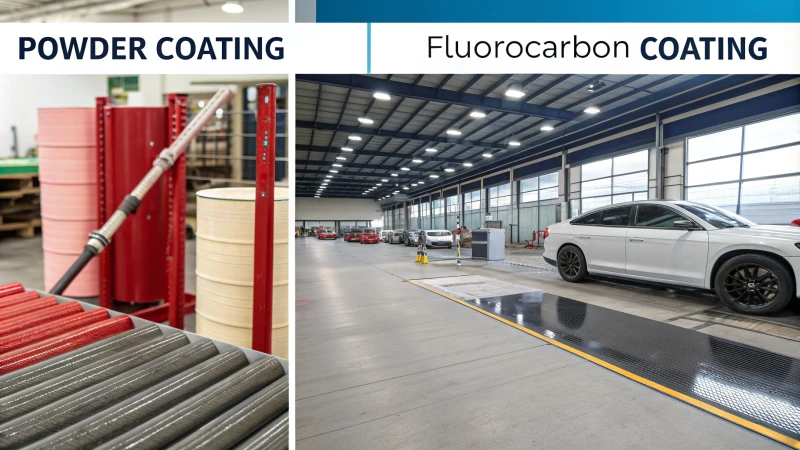
Overview of Coating Techniques
Coating techniques are integral to various industries, offering protection and aesthetic enhancements to products. Popular methods include powder coating and fluorocarbon coating. Each has unique advantages5 and drawbacks, making them suitable for different applications.
Powder Coating
Pros:
- Offers excellent corrosion resistance6 and durability.
- Provides a uniform finish with various colors.
- Economical for large-scale production.
Cons:
- Requires precise substrate preparation.
- Potential for high wastage if not managed properly.
- Environmental concerns due to emissions.
| Feature | Description |
|---|---|
| Corrosion Resistance | High, suitable for outdoor applications |
| Color Variety | Wide range available |
| Cost | Lower, especially for mass production |
Fluorocarbon Coating
Pros:
- Superior UV resistance, ideal for outdoor use.
- Long-lasting with minimal maintenance needs.
Cons:
- Higher initial costs compared to other coatings.
- Adhesion heavily reliant on substrate condition.
| Feature | Description |
|---|---|
| UV Resistance | Superior, protects against fading |
| Maintenance | Low, durable over time |
| Cost | Higher initial investment |
Environmental Considerations
The environmental impact of coating techniques is increasingly scrutinized. While traditional methods can contribute to pollution, innovations in eco-friendly technologies7 aim to reduce this footprint. Water-based and bio-based materials are emerging as sustainable alternatives.
Future Trends in Coating Technologies
- Water-Based Coatings: These reduce VOC emissions, aligning with stringent environmental regulations.
- Bio-Based Materials: Derived from renewable resources, these coatings minimize ecological impact.
- Recycling Technologies: These promote material reuse, enhancing sustainability across industries.
In summary, selecting a coating technique involves balancing performance needs with environmental considerations. As the industry evolves, eco-friendly solutions are becoming more feasible and desirable for manufacturers8.
Powder coating is more economical for large-scale production.True
Powder coating's lower cost and efficiency make it ideal for mass production.
Fluorocarbon coatings require frequent maintenance.False
Fluorocarbon coatings are long-lasting with minimal maintenance needs.
Is Wood Grain Transfer Suitable for Outdoor Use?
Wood grain transfer offers a stunning aesthetic appeal, but is it durable enough for outdoor environments? Discover the strengths and limitations of this decorative technique.
Wood grain transfer can be suitable for outdoor use if the substrate and coatings are carefully selected to withstand elements like UV radiation and moisture, ensuring long-lasting durability.

Understanding Wood Grain Transfer Technology
Wood grain transfer involves applying heat and pressure to transfer a wood-like pattern onto aluminum surfaces. This method provides a natural wood appearance without the maintenance of real wood.
- Advantages: Environmentally friendly, offers excellent aesthetics, low maintenance compared to real wood.
- Disadvantages: May require additional protective coatings for enhanced durability outdoors.
Factors Affecting Durability Outdoors
To determine if wood grain transfer is suitable for outdoor use, consider:
- UV Resistance: Exposure to sunlight can fade patterns. Using a UV-resistant topcoat can help maintain vibrancy.
- Moisture Resistance: In humid conditions, moisture barriers or sealants prevent degradation of the pattern.
- Substrate Quality: High-quality aluminum substrates ensure better adhesion and longevity of the transfer pattern.
Comparing with Other Surface Treatments
Here’s a quick comparison with other common surface treatments:
| Treatment | Durability | Aesthetic Appeal | Cost |
|---|---|---|---|
| Anodizing | High | Moderate | $$$ |
| Coating | Moderate | High | $$ |
| Wood Grain Transfer | Moderate | Very High | $$$ |
For more details, explore the characteristics of anodizing9 and advantages of coating10.
Enhancing Outdoor Performance
Consider the following strategies to improve wood grain transfer performance outdoors:
- Protective Coatings: Applying a clear, weather-resistant topcoat can significantly improve resistance to elements.
- Regular Maintenance: Routine cleaning and inspections can help identify any early signs of wear or damage.
- Innovative Solutions: Explore emerging technologies like bio-based materials11 that offer eco-friendly enhancements.
Understanding these factors can aid in making informed decisions about using wood grain transfer for outdoor applications. For more guidance on selecting materials, learn about sustainable practices in aluminum treatment12.
Wood grain transfer is UV resistant.False
Without a UV-resistant topcoat, patterns can fade in sunlight.
Aluminum substrates enhance wood grain durability.True
High-quality aluminum ensures better adhesion and longevity.
How Do Costs Compare Across Different Treatment Processes?
Understanding the cost variations among different treatment processes is crucial for decision-makers. This analysis helps determine the most cost-effective option while considering factors like durability and environmental impact.
Costs differ across treatment processes like anodizing, coating, and wood grain transfer. Anodizing involves higher initial costs but offers long-term savings. Coating is less expensive upfront, while wood grain transfer adds aesthetic value but incurs higher processing costs.
Comparing Initial Investment Costs
When comparing treatment processes such as anodizing, coating, and wood grain transfer, initial costs vary significantly. Anodizing typically requires a higher initial investment due to the complex process involved. However, its durability can offset these costs over time.
Coating, which includes methods like powder and fluorocarbon coating, often has lower initial costs. It’s suitable for mass production, making it an attractive choice for businesses looking to minimize upfront expenses.
In contrast, wood grain transfer involves relatively higher processing costs due to its intricate pattern application. Despite this, it provides a unique aesthetic appeal that can enhance product value.
| Process | Initial Cost | Longevity | Aesthetic Appeal |
|---|---|---|---|
| Anodizing | High | Excellent | Moderate |
| Coating | Low | Good | High |
| Wood Grain Transfer | High | Moderate | Very High |
Long-Term Cost Efficiency
Long-term cost efficiency is a crucial consideration for treatments. Anodizing stands out for its long-term savings due to low maintenance needs and high durability. This process is ideal for applications demanding high corrosion resistance13.
Coating offers good protection against daily wear and tear, although prolonged exposure to harsh environments may lead to additional costs for repairs or replacements. Despite its lower initial costs, potential environmental compliance costs should be factored in.
Wood grain transfer, while aesthetically pleasing, may require frequent maintenance in humid conditions, impacting long-term cost efficiency. The process’s aesthetic value can justify higher pricing in markets valuing design.
Environmental Impact and Compliance Costs
Environmental impact is increasingly significant in cost analysis. Anodizing is viewed as environmentally friendly if subsequent sealing processes are managed correctly. Advances in water-based technologies14 make coatings more sustainable, although regulations may increase compliance costs.
Wood grain transfer is considered eco-friendly but demands quality substrates, adding to overall costs. Companies should evaluate the balance between environmental benefits and financial implications when selecting a process. For sustainable options, exploring bio-based materials15 could be beneficial.
Understanding these aspects aids in making informed decisions that align with both economic and environmental goals.
Anodizing has the highest initial investment cost.True
Anodizing requires complex processes, leading to higher initial costs.
Coating is the most expensive treatment process.False
Coating generally has lower initial costs compared to anodizing.
Conclusion
Explore the advantages and limitations of anodizing, coating, and wood grain transfer for aluminum profiles, focusing on durability, aesthetics, costs, and environmental impact to make informed decisions.
-
Discover the science behind how anodizing shields aluminum from corrosion and wear. ↩
-
Find out how anodized aluminum is utilized in building applications for durability and aesthetics. ↩
-
Gain insights into different surface treatments to choose the best option for your needs. ↩
-
Explore expert tips to maximize the benefits of anodizing aluminum profiles. ↩
-
Discover the benefits of powder coating to understand its wide range of applications. ↩
-
Learn how powder coating offers exceptional protection against corrosion. ↩
-
Explore innovative, sustainable alternatives to traditional coating methods. ↩
-
Find companies that have successfully implemented sustainable coating technologies. ↩
-
Anodizing enhances corrosion resistance and durability, crucial for outdoor applications. ↩
-
Coating offers vibrant colors and good corrosion resistance, ideal for decorative purposes. ↩
-
Bio-based materials provide sustainable options that minimize environmental impact. ↩
-
Sustainable practices reduce environmental impact while maintaining material performance. ↩
-
Understanding corrosion resistance in anodizing helps in assessing its long-term benefits and cost-efficiency. ↩
-
Exploring water-based technologies reveals sustainable coating options that reduce environmental impact. ↩
-
Bio-based materials offer eco-friendly alternatives in aluminum coatings, aligning with sustainability goals. ↩


