Why Do Aluminum Liquid Cooling Plates Corrode Faster?
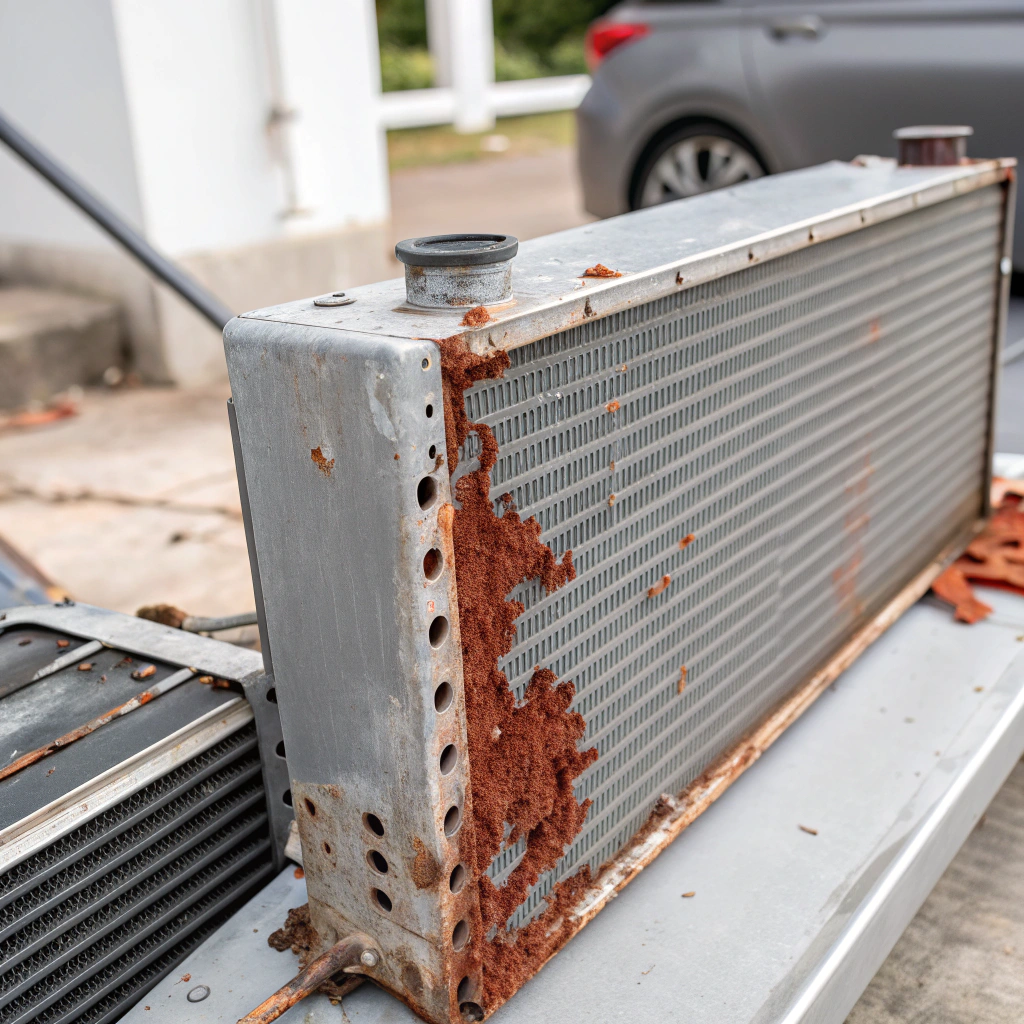
When cooling systems age too fast, performance drops, and maintenance costs rise. Many engineers notice aluminum plates corrode sooner than expected, even in closed systems.
Aluminum liquid cooling plates corrode faster because of electrochemical reactions between aluminum and coolant impurities, especially when galvanic coupling or poor pH control occurs.
This corrosion weakens structure, lowers heat transfer, and can lead to leaks or system failure. Let’s explore what causes this problem and how we can stop it.
What Causes Corrosion in Aluminum Cooling Plates?
Corrosion is a natural process, but in engineered systems, it usually means something is wrong. Aluminum is reactive, and while it forms a protective oxide layer, that layer is fragile under certain conditions.
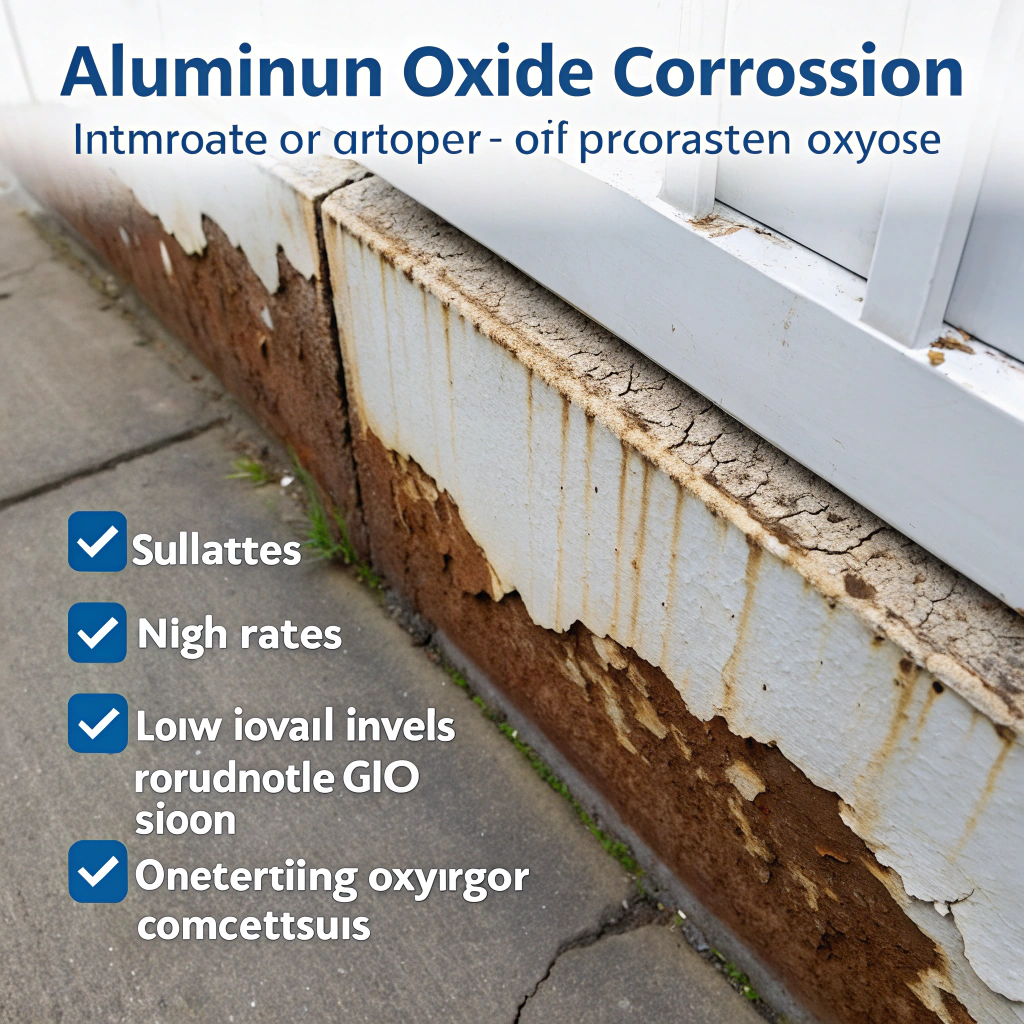
Corrosion in aluminum cooling plates is mainly caused by galvanic reactions, high conductivity coolants, poor pH balance, and contamination that damages the oxide film.
Main Corrosion Mechanisms
| Type of Corrosion | Description | Typical Cause |
|---|---|---|
| Galvanic corrosion | Occurs between dissimilar metals in contact through a coolant | Mixing copper and aluminum parts |
| Pitting corrosion | Localized holes form when oxide layer breaks | Chloride ions in coolant |
| Crevice corrosion | Hidden attack in joints or gaskets | Stagnant coolant zones |
| Erosion-corrosion | Caused by high-speed coolant flow removing oxide | Excessive flow rate |
| Chemical corrosion | Caused by coolant additives or improper pH | Wrong fluid mixture |
Even small contamination or chemical imbalance can make aluminum dissolve faster. In one test I observed, adding copper tubes to an aluminum cooling loop increased corrosion rate tenfold within three months due to galvanic coupling.
Chemical Factors
The coolant composition matters as much as the metal. Typical corrosive agents include:
- Chlorides from tap water or low-grade additives
- Sulfates or nitrates from improper inhibitors
- Low or high pH (below 6 or above 9 damages aluminum oxide)
- Dissolved oxygen that triggers electrochemical reactions
For example, when the coolant pH drops below 6.5, the natural oxide layer on aluminum begins dissolving, exposing bare metal to attack. The corrosion then spreads quickly through microchannels.
Environmental and Mechanical Factors
Corrosion also accelerates with:
- Temperature cycling
- High flow turbulence
- Mixed-metal joints (aluminum + stainless or copper)
- Poor sealing materials that absorb moisture
Each of these factors can turn a small defect into a major failure point.
Why Is Corrosion a Performance Risk?
Many engineers think corrosion is only cosmetic, but in cooling systems, it directly impacts heat transfer and long-term reliability.
Corrosion reduces aluminum’s thermal performance, weakens its structure, and introduces conductive particles that can clog microchannels or short electronic parts.
Impact on System Efficiency
| Corrosion Effect | Result | System Impact |
|---|---|---|
| Oxide buildup | Lower heat transfer rate | Increased device temperature |
| Channel blockage | Reduced flow rate | Hot spots form |
| Wall thinning | Leak risk | System downtime |
| Metal ion contamination | Electrical risk | Damage to circuits |
| Particle debris | Pump wear | Maintenance cost increase |
Even a thin oxide layer (as little as 10 microns) can reduce thermal conductivity by up to 30%. In high-power devices like EV batteries or lasers, that’s enough to cause serious overheating.
Long-Term Reliability Risk
Over time, corrosion creates pinholes that grow into cracks. Once a leak begins, the coolant can reach electronics or insulation materials, leading to catastrophic failure.
I once inspected a cooling system that used untreated water and saw a clear corrosion path along the aluminum surface — within a year, coolant leaked into connectors, causing full module failure. The repair cost exceeded the price of proper coolant treatment ten times over.
Heat Transfer Loss in Numbers
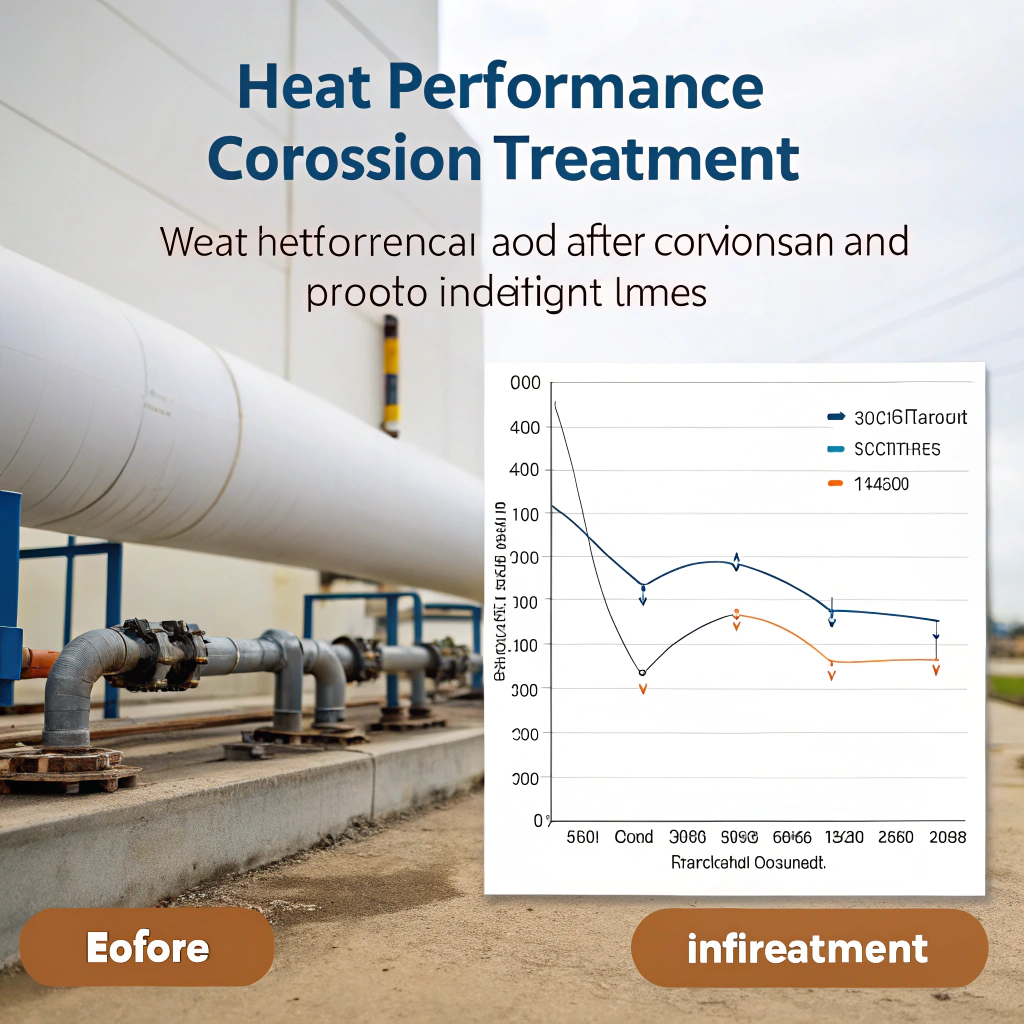
Let’s compare heat performance before and after corrosion:
| Condition | Thermal Conductivity (W/m·K) | Temperature Rise (°C) |
|---|---|---|
| New aluminum plate | 235 | +5 |
| After 3 months corrosion | 180 | +9 |
| After 12 months corrosion | 140 | +13 |
As oxide grows, conductivity drops sharply, forcing pumps and fans to work harder, increasing total system energy use.
How to Prevent Aluminum Plate Corrosion?
Preventing corrosion requires both smart design and disciplined operation. It’s not just about materials; it’s about the full system environment — from coolant chemistry to electrical isolation.
The best way to prevent corrosion in aluminum cooling plates is to maintain coolant quality, isolate dissimilar metals, and use protective coatings or anodizing.
1. Use the Right Coolant
Choose coolants with low electrical conductivity and built-in aluminum corrosion inhibitors. Glycol-water mixtures (like 30–50% ethylene or propylene glycol) with proper additive packages perform best.
Do not use plain tap water. It contains chloride and minerals that destroy the oxide film.
Recommended coolant conditions:
| Parameter | Recommended Range |
|---|---|
| pH | 7.0 – 8.5 |
| Electrical conductivity | < 500 µS/cm |
| Chloride content | < 25 ppm |
| Sulfate content | < 25 ppm |
Coolant should be replaced every 12–24 months, depending on load cycles. Monitoring kits can measure pH and ion concentration easily.
2. Prevent Galvanic Coupling
Avoid connecting aluminum directly to copper or brass fittings. If mixing is necessary, use dielectric isolation — such as plastic connectors, PTFE gaskets, or coated fittings.
A simple visual rule:
“If two metals touch through a wet path, corrosion will start.”
Even trace electrical potential differences (millivolts) can accelerate galvanic corrosion dramatically.
3. Maintain Proper Flow Rate
As discussed in flow optimization studies, flow rate affects both heat transfer and erosion. High flow speeds can strip away protective oxide layers.
Keep flow rate within recommended limits — usually 1–4 L/min per plate. This maintains turbulence for cooling but avoids mechanical wear on the surface.
4. Apply Protective Coatings
Anodizing or chemical conversion coating adds a tough oxide barrier. These coatings block direct contact between coolant and metal.
For high-end applications, nickel or ceramic coatings provide even stronger defense.
I once tested a batch of anodized plates and found corrosion rate dropped by 85% compared to bare aluminum in the same coolant.
5. Regular Inspection and Maintenance
Every system should have a simple maintenance plan:
- Check coolant clarity monthly
- Measure pH quarterly
- Flush and refill every 12–18 months
- Inspect fittings for leaks or discoloration
Routine care prevents small chemical imbalances from becoming mechanical failures.
What New Coatings Resist Corrosion?
As systems become more compact and powerful, the need for better corrosion protection grows. Traditional anodizing works well, but newer coatings offer stronger resistance and better thermal properties.
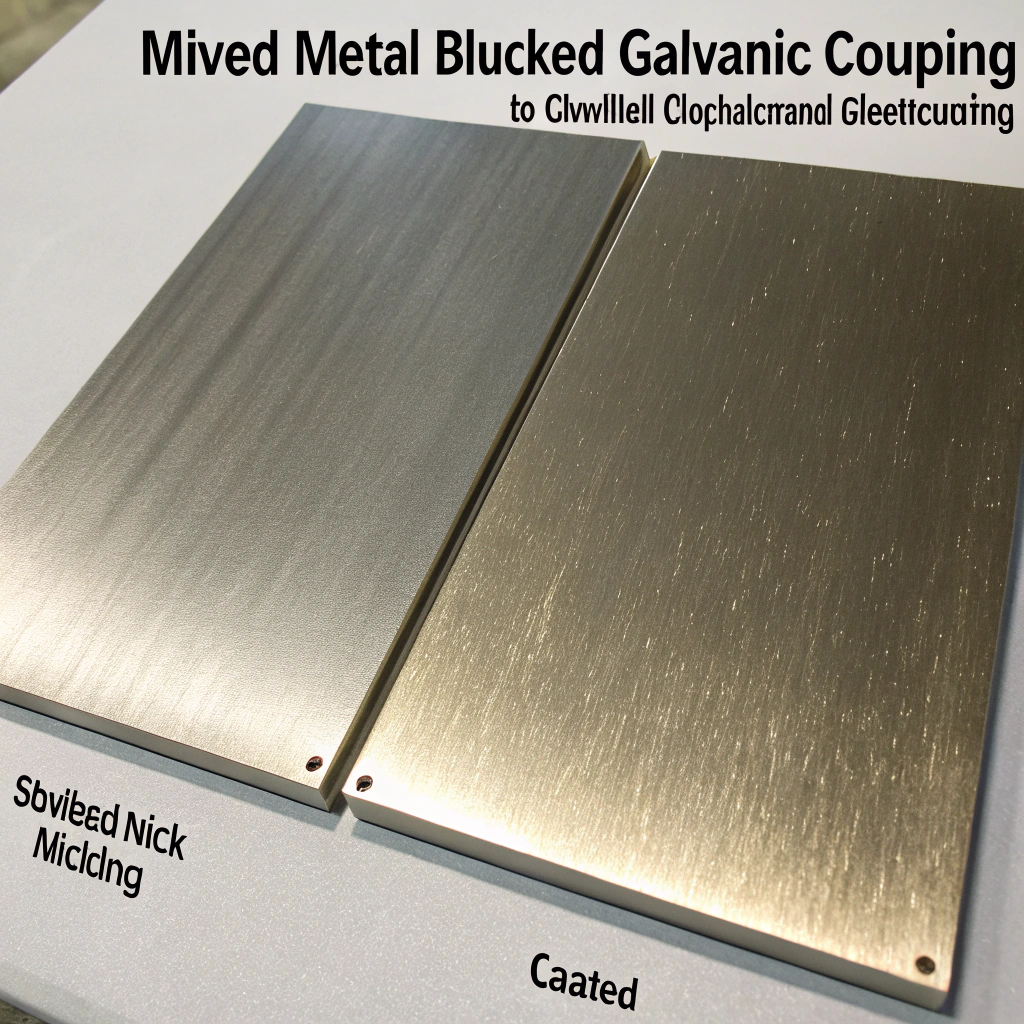
New corrosion-resistant coatings for aluminum include plasma ceramic coatings, electroless nickel plating, and hybrid nanoceramic layers with high adhesion and low thermal resistance.
1. Plasma Electrolytic Oxidation (PEO)
Also known as micro-arc oxidation, this process creates a dense ceramic layer on the aluminum surface. It is much harder and more stable than standard anodizing.
Advantages:
- Excellent resistance to pitting and wear
- Withstands temperatures up to 500°C
- Electrically insulating but thermally conductive
PEO is now used in aerospace and EV cooling systems, where long-term stability is essential.
2. Electroless Nickel Plating (ENP)
ENP forms a uniform metallic barrier that prevents direct coolant contact. It is ideal for mixed-metal systems since it blocks galvanic coupling.
| Property | Electroless Nickel | Standard Anodizing |
|---|---|---|
| Corrosion resistance | Excellent (pH 4–9) | Good (pH 6–8) |
| Thermal conductivity | Moderate | High |
| Surface hardness | Very high | Medium |
| Coating thickness | 10–30 µm | 5–15 µm |
ENP is often combined with a top polymer seal to improve chemical resistance.
3. Hybrid Nanoceramic Coatings
Recent developments in nanotechnology allow coating surfaces with thin ceramic films infused with nanoparticles. These coatings provide strong corrosion resistance without sacrificing heat transfer.
Key features:
- High adhesion to aluminum
- Minimal impact on thermal conductivity
- Compatible with water-glycol and dielectric coolants
- Self-healing microstructures under temperature cycles
In lab tests, hybrid coatings extended corrosion life beyond 3,000 hours in salt-spray tests, about four times longer than anodized surfaces.
4. Polymer-Ceramic Composite Layers
Some manufacturers now use Parylene-C or fluoropolymer topcoats combined with ceramic primers. These multi-layer systems resist both chemical attack and thermal cycling fatigue.
They are ideal for:
- Semiconductor cooling
- Marine or humid environments
- Long-service industrial modules
While slightly more expensive, they provide excellent durability for mission-critical applications.
5. Surface Passivation Treatments
Besides coatings, chemical passivation with silane or chromate alternatives can enhance corrosion resistance. These treatments create a thin molecular barrier that repels moisture and ions.
Though not as strong as coatings, they are easy to apply and effective for low-cost systems.
Conclusion
Aluminum cooling plates corrode faster because they react easily with coolants and other metals. The key to durability is controlling chemistry, isolating materials, and protecting surfaces. Modern coatings like PEO, ENP, and nanoceramic layers now offer powerful defense, keeping cooling systems stable, efficient, and reliable for years.