what to TIG weld aluminum extrusion with?

Many people start welding aluminum extrusion and find that cracks, porosity, and warped shapes appear. This always happens when filler, cleaning, and TIG settings are not correct.
To TIG weld aluminum extrusion properly, you need the right filler rods (like ER4043 or ER5356), thorough cleaning, correct TIG parameters, and sometimes backing bars to reduce distortion.
There are several key steps to follow. Each step affects weld quality more than most beginners expect. Below is a practical breakdown of how to weld extrusion safely and cleanly.
What filler rods suit extrusion welding?
Welding aluminum extrusion without matching the right filler material often leads to cracks or weak joints. The filler must blend with the extrusion alloy well, and allow smooth flow during welding.
ER4043 and ER5356 are the most widely used filler rods for welding aluminum extrusion, especially for 6xxx series alloys commonly used in structural and architectural applications.
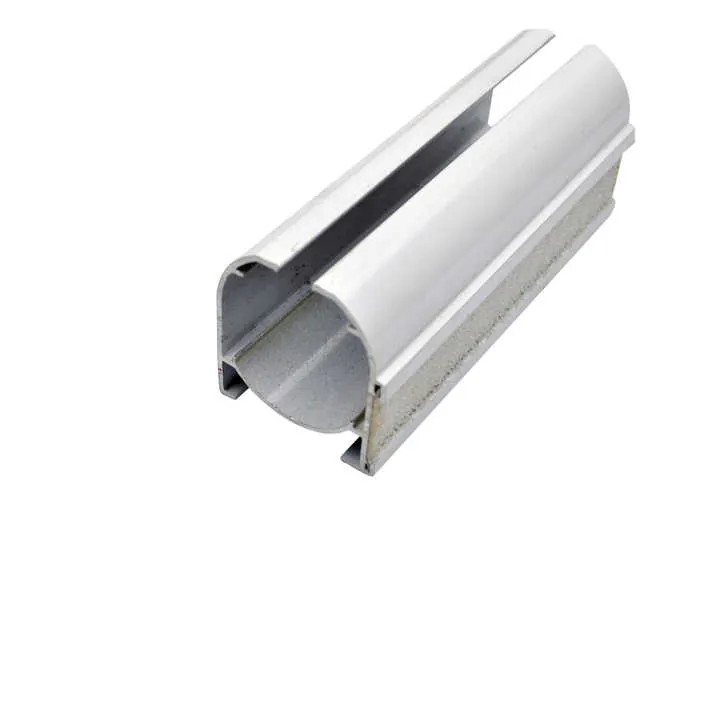
Aluminum extrusion usually uses alloys like 6063, 6061, or 6082. These alloys work best with specific filler rods. Each rod type has its own strength, flow behavior, and post-weld characteristics.
Most common filler rods
| Filler Rod | Alloy Type | Features | Suitable For |
|---|---|---|---|
| ER4043 | Al-Si | Best flow, easy to weld, low crack risk | General welding, standard extrusion |
| ER5356 | Al-Mg | Stronger joint, better toughness | Structural or load-bearing parts |
| ER4047 | High Silicon | Lower melting temp, minimal distortion | Thin material, clean appearance |
ER4043 is common because it melts smoothly and gives clean welds with extrusion alloys. ER5356 is stronger but can crack if material is not cleaned well. Choosing filler always depends on application: strength or flow — you decide.
If you weld extrusion thinner than 3mm, use smaller filler diameter (1.6mm). For thicker profiles, larger rods flow better and reduce heat build-up.
ER4043 and ER5356 are the most suitable filler rods for welding 6xxx series aluminum extrusions.True
Both rods are compatible with common extrusion alloys and are recommended by welding guides.
Using steel filler rod for aluminum TIG welding works fine.False
Steel rods cannot fuse with aluminum and will cause weld failure.
Why pre-cleaning improves weld quality?
Even when welding materials match, unclean surfaces ruin the weld. Aluminum forms oxide immediately in air. Oil, dust, and fingerprints also weaken fusion and produce porosity.
Cleaning the surface before TIG welding removes oxides and contaminants, which improves weld strength and reduces porosity.

For reliable TIG welds, cleaning must be done right before welding. Waiting too long allows new oxide to form.
Typical cleaning process
| Step | Method | Purpose |
|---|---|---|
| Degrease | Wipe with acetone or alcohol | Remove oil, grease, and dirt |
| Brush | Stainless steel brush (only for aluminum) | Remove oxide layer |
| Drying | Keep surface exposed but clean | Prevent contamination |
| Assembly | Fit parts tightly | Improve joint contact |
Surface cleaning is not optional. Welders who ignore this step see pinholes and black stains inside welds. Even a small contaminated area can lead to cracking during cooling or machining. For extrusion, where walls are thin, this is even more critical.
I once skipped cleaning on a small support bracket. After welding, it looked fine from outside, but during anodizing the weld showed ugly dark spots. That small mistake cost extra time and redo work.
Cleaning aluminum thoroughly before welding reduces the chance of porosity and improves weld strength.True
Oxides and oils prevent weld fusion and increase defect rates.
How to set TIG parameters for aluminum?
Even with correct filler and clean surfaces, bad TIG settings can destroy the weld. Aluminum behaves differently from steel. It requires stronger amperage, AC balance, and correct shielding gas to break oxide and flow correctly.
TIG welding aluminum requires AC current, pure argon shielding gas, and proper amperage based on material thickness.

Basic TIG setup for aluminum extrusion
| Parameter | Recommended Setting |
|---|---|
| Current Mode | AC (alternating current) |
| Shielding Gas | 100% Argon |
| Amperage | ~1 Amp per 0.001 inch of thickness |
| Electrode Type | 2% lanthanated or pure tungsten |
| Filler Movement | Smooth dipping motion |
| Travel Speed | Consistent, avoid stopping |
The TIG welder breaks oxide with the cleaning cycle of AC. If you use DC, oxide stays on the surface and weld cannot penetrate. Travel speed must stay steady: too slow causes heat buildup and warping.
Amperage must match the wall thickness of extrusion. Thin walls burn through easily if amperage is too high. Using a larger cup helps cover the weld area with gas, giving a smoother weld pool.
If possible, preheating thick extrusion sections to about 150°C helps control heat flow. But this should not replace proper amperage control.
AC TIG with 100% argon gas is essential for welding aluminum extrusion.True
AC breaks oxide and argon protects the weld pool from oxidation.
Slow travel speed always improves weld quality on aluminum.False
Too slow increases heat and warping, making weld weaker.
Can backing bars reduce distortion?
One of the biggest challenges when TIG welding aluminum extrusion is distortion. Aluminum expands quickly under heat and contracts during cooling. This creates bending, twisting, or cracks.
Backing bars or support plates act as heat sinks and allow better alignment, which minimizes warping during TIG welding.

There are many simple ways to control heat effect. Even a thick copper or steel bar below the extrusion helps spread heat away from the weld zone. Clamps, jigs, and fixtures also help hold alignment.
Typical anti-distortion methods
| Method | Purpose | Best Used For |
|---|---|---|
| Backing bars | Distribute heat, reduce local stress | Long or thin extrusions |
| Clamping fixtures | Hold shape during welding | Corners and assembly pieces |
| Stitch welding | Reduce heat input | Thin material |
| Preheating | Reduce temperature shock | Thick extrusions |
Heat control is one of the most overlooked steps. I have seen high-quality extrusion ruined by sudden warping after full-length welds. For thin walls, it is better to stitch weld short sections, let cool, and then fill between.
Using backing bars is not only for accuracy but also to prevent collapse of thin edges. This is common in 6063 material used for decorative frames.
Using backing bars during aluminum TIG welding helps prevent warping and maintains alignment.True
They act as heat sinks and stabilize the extrusion shape.
Extrusion welding does not require any support once TIG settings are correct.False
Even correct settings cause expansion; without support, distortion still happens.
Conclusion
To TIG weld aluminum extrusion properly, every step matters. Filler selection must match alloy. Cleaning cannot be skipped. TIG settings must use AC with pure argon shielding. Backing bars and fixtures save shape and prevent heat damage. Once these are respected, welding extrusion becomes reliable and predictable. Good welding is not from luck — it is from preparation.