


What is industrial aluminum profile?
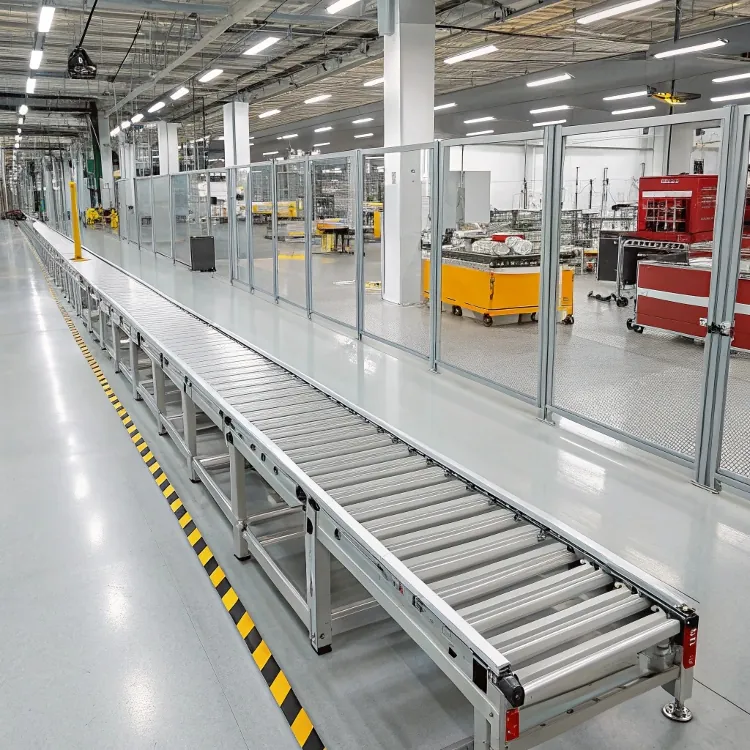
Many factories struggle to find a reliable, cost-effective material that delivers strength without adding weight. Have you faced that frustration too?
Industrial aluminum profiles are versatile components used to build machine frames, conveyors, workstations, and protective barriers in manufacturing environments.
This article explains what industrial aluminum profiles are, their key shapes and uses, and how to choose the right one for your needs.
What are industrial aluminum profiles used for?
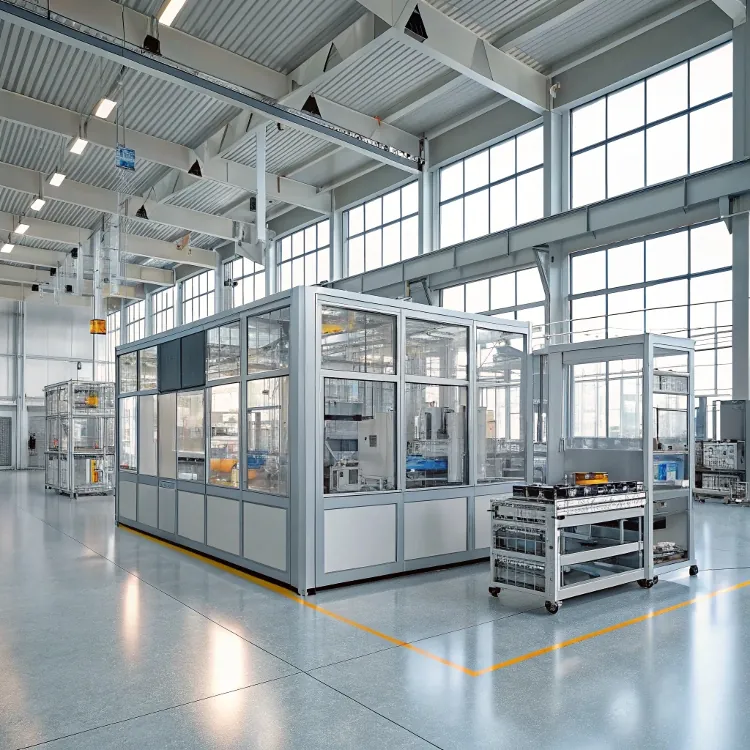
Factories often need custom-built structures1 quickly. But steel is heavy and hard to modify on the fly. This creates long downtimes.
Industrial aluminum profiles are used for frameworks, machine guarding, shelving systems, clean rooms, and automation lines.
These profiles offer high strength while being easy to cut and reassemble. Their modularity reduces production downtime2. They also work well with CNC machining, which means I can deliver custom shapes quickly for our customers’ evolving needs.
Common Applications of Industrial Aluminum Profiles
| Application Type | Description |
|---|---|
| Machine Frames | Used for lightweight but sturdy frames around equipment |
| Workbenches & Tables | Modular work surfaces in manufacturing lines |
| Enclosures & Guarding | Safety covers or barriers for moving parts |
| Transport Systems | Conveyor frames and carts for material handling |
| Automation Systems | Structural parts for robotic arms or production lines |
From my experience, many of our clients in North America and Japan use these profiles to upgrade old systems. They often request custom lengths and pre-drilled holes to save assembly time.
What are the key types and shapes of aluminum profiles?
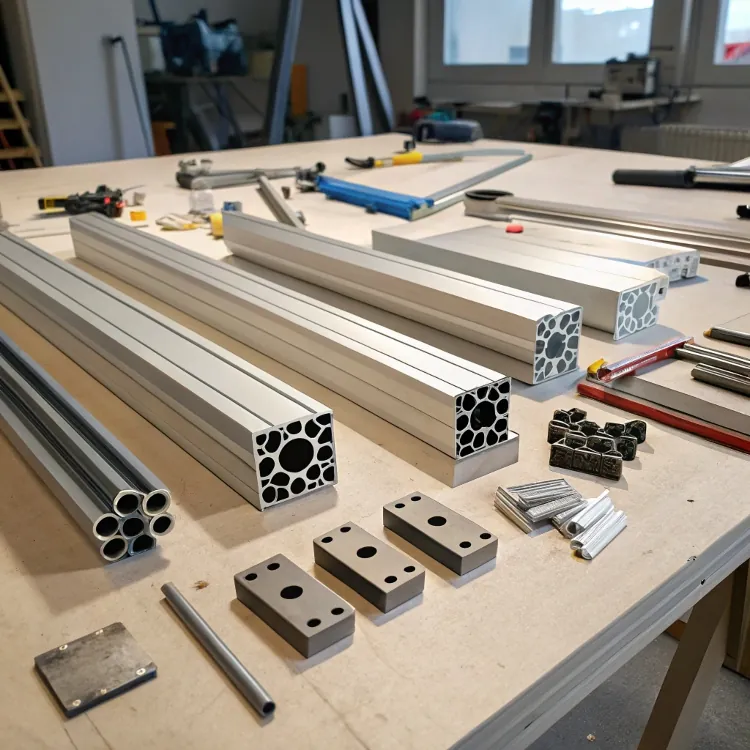
Choosing the wrong shape can waste both time and money. Many buyers feel overwhelmed by the sheer number of options.
There are several key shapes of aluminum profiles, such as T-slot3, L-shaped4, square, and round profiles, each serving different functional needs.
Each profile shape is designed with a specific mechanical or structural requirement in mind. For example, T-slot profiles are widely used because they allow flexible connections with minimal tooling.
Common Aluminum Profile Shapes
| Shape | Feature | Common Use Case |
|---|---|---|
| T-Slot | Allows bolted connections without drilling | Modular frames and guards |
| L-Shaped | Right-angle support | Bracing or corner connectors |
| Square | Uniform load-bearing on all sides | Frameworks and structural base |
| Round | Smooth edges, often aesthetic use | Display systems or fixtures |
| Custom Cut3 | Any profile that is CNC-machined | Precision applications |
When I work with clients from large factories, they often prefer the T-slot system. It’s flexible and reduces the need for welding. Plus, we can offer anodized or powder-coated finishes for better durability.
How does industrial aluminum compare to other materials?

Steel is strong, but it’s heavy and prone to rust. Plastic is light but lacks durability. Wood warps over time. What’s the real alternative?
Aluminum profiles are lighter than steel, more durable than plastic, and easier to maintain than wood, making them a balanced choice for many industrial needs.
Aluminum offers the best mix of weight, corrosion resistance, and customization. I often recommend 6063-T5 or 6061-T6 grade aluminum5 for their structural integrity and ease of surface treatment.
Material Comparison Table
| Material | Weight | Strength | Corrosion Resistance | Maintenance | Recyclability |
|---|---|---|---|---|---|
| Aluminum | Light | High | Excellent | Low | High |
| Steel | Heavy | Very High | Poor (unless treated) | Medium | Medium |
| Plastic | Very Light | Low | Good | Medium | Low |
| Wood | Medium | Medium | Poor | High | Medium |
Aluminum also wins in sustainability6. Many of our buyers, especially from Europe, ask for recyclable materials. Our aluminum profiles are 100% recyclable without losing quality.
What factors should be considered when selecting an aluminum profile?
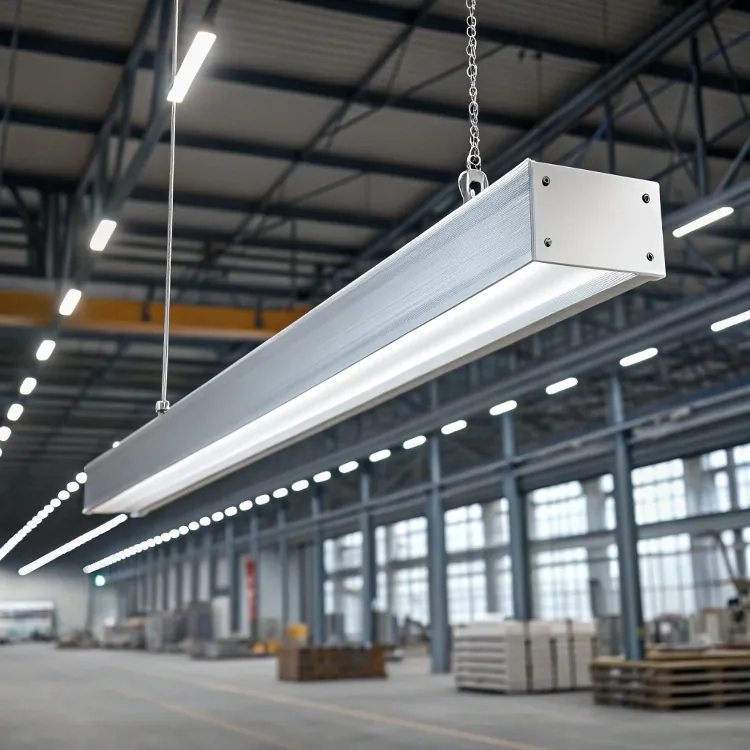
Making the wrong choice can mean costly redesigns. Some companies end up over-engineering their structures, while others under-design and risk collapse.
Key factors include load requirements7, environment, profile size, surface finish8, and customization options9.
When helping clients, I always ask these five questions:
- What load will the profile bear?
- Will it be exposed to moisture or chemicals?
- Do you need it to match existing systems?
- What surface treatment do you prefer—anodized, painted, or powder-coated?
- Do you need additional machining like holes, slots, or bends?
Factors Breakdown
| Factor | Why It Matters | Our Custom Option Available? |
|---|---|---|
| Load Requirements | Affects the choice of thickness and shape | Yes |
| Environmental Exposure | Determines corrosion resistance needed | Yes |
| Compatibility | Needed for system integration | Yes |
| Surface Treatment | Affects longevity and aesthetics | Yes |
| Custom Machining | Saves time during assembly | Yes |
For example, a client from a solar panel installation company needed profiles with gradient color finishes and pre-cut notches. We delivered within three weeks, ready to install.
Conclusion
Industrial aluminum profiles combine strength, flexibility, and lightweight benefits, making them essential for modern manufacturing systems across industries.
-
Discover the benefits of custom-built structures and how they can optimize factory operations and adaptability. ↩
-
Learn about the impact of modular designs on production efficiency and how they can save time and costs. ↩
-
Learn about the precision and versatility of custom cut profiles, tailored for specific applications and needs. ↩ ↩
-
Discover how L-shaped profiles provide essential right-angle support in construction and design, enhancing structural integrity. ↩
-
Understanding the differences between these aluminum grades can help you choose the right material for your project, ensuring optimal performance and durability. ↩
-
Learn how aluminum’s recyclability and low environmental impact make it a sustainable choice for modern manufacturing practices. ↩
-
Understanding load requirements is crucial for ensuring structural integrity and safety in your projects. Explore this link for detailed insights. ↩
-
The right surface finish can enhance durability and aesthetics. Discover various options and their benefits by checking this resource. ↩
-
Customization can significantly improve functionality and fit for specific applications. Learn more about available options to optimize your designs. ↩


