What is aluminum extrusion profile?

Imagine needing a strong, lightweight metal shape for your project and not knowing how it’s made — that’s where aluminum extrusion profiles come in.
An aluminum extrusion profile is a long metal piece with a constant cross‑section, created by forcing aluminium alloy through a shaped die.
Now that you know what it is in one sentence, let’s dive deeper into how it differs from raw extrusions, why specific shapes matter, where these profiles are used structurally, and how customization works.
How profiles differ from raw extrusions?
Have you ever seen a plain metal rod then wondered why the finished shape is so sophisticated? The difference lies in processing.
Raw extrusion is the output of the extrusion press, while a profile refers to that extrusion after finishing, cutting and treatment into its final usable form.
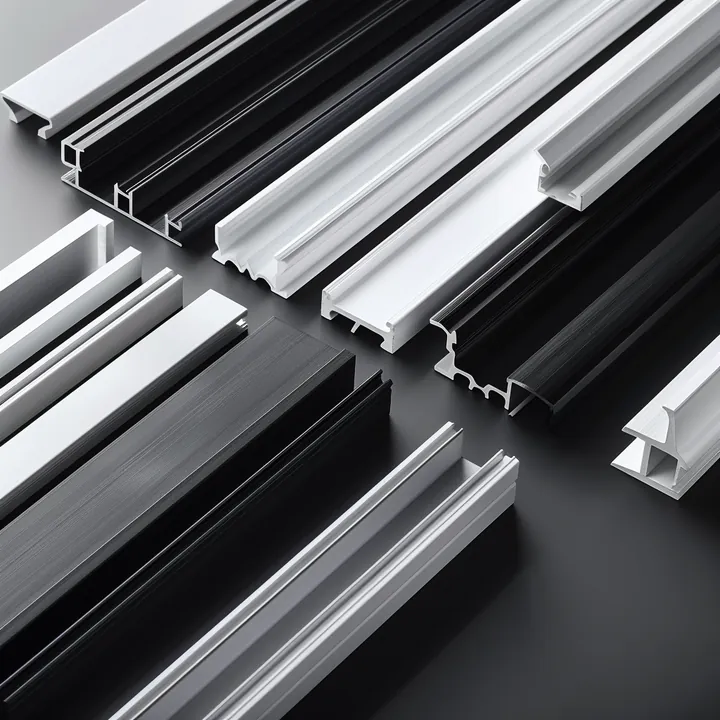
In the manufacturing of aluminium extrusions, the process starts with a billet of aluminium alloy, which gets heated and then forced through a die to create a long piece with a consistent cross‑section. At this stage, the piece is often referred to simply as an extrusion. Once the extrusion leaves the press, it still needs secondary operations: cooling, stretching, cutting to length, heat treatment, surface finishing (like anodising or powder coating) and machining if required.
A “profile” typically implies a finished or semi‑finished product that is ready for use or further assembly. For example, a raw extrusion might be a plain bar or tube straight off the press, whereas a profile could be that same piece cut, finished, with holes or slots added, surface treated, and then supplied for a specific purpose. This difference matters because finishing adds value: better surface quality, tighter tolerances, functional features (slots, T‑tracks), and ready‑for‑assembly condition.
In practical terms, if a manufacturer supplies “raw extrusions”, the client may still need to cut, machine or finish them. But when we talk about “profiles”, especially in B2B manufacturing and supply (which is our business context), the piece is near ready to integrate into a system or structure. For example, our company might receive a custom profile with pre‑cut lengths, anodised surface, with pre‑machined holes for assembly, whereas a raw extrusion might simply be a straight length needing all that additional work.
It’s worth noting that the complexity of the profile also affects cost and manufacturing lead time. The more features (hollows, slots, thin walls, intricate geometry) the harder it is to extrude and finish reliably. Manufacturers must design the die and support systems so that metal flows properly, thicknesses are manageable, and hollow sections or ribs are supported.
For clients selecting aluminium extrusion profiles, this means you must understand the difference between:
- Standard catalog extrusions (basic shapes, minimal finishing)
- Finished profiles (custom shapes, treated surfaces, ready assemblies)
- Raw extrusions (just coming off the press, minimal processing)
Here is a table to summarise:
| Term | Meaning | Typical status |
|---|---|---|
| Raw Extrusion | Direct output from the extrusion press | Straight length, minimal finish |
| Extrusion Profile | Shaped output plus some finishing or functional features | Cut to length, surface treated, ready for use |
| Finished Profile | Fully processed profile for assembly | Machined holes, special coatings, custom shape |
A raw extrusion and an aluminium extrusion profile are exactly the same and require no finishing to be used.False
A raw extrusion typically requires further processing (cutting, finishing, machining) before it becomes a usable profile.
An aluminium extrusion profile often includes secondary processing such as surface treatment or machining.True
Profiles usually come with treatments like anodising, powder coat, cut‑to‑length, or pre‑drilled holes.
Why specific shapes meet design needs?
Shapes matter because form affects how a thing behaves physically. If your profile is just a flat bar, you lose torsional stiffness; if it’s a hollow tube, you gain structural benefit.
Specific extrusion profile shapes are selected to fulfil functional requirements such as strength, weight, assembly ease, aesthetics or thermal management.
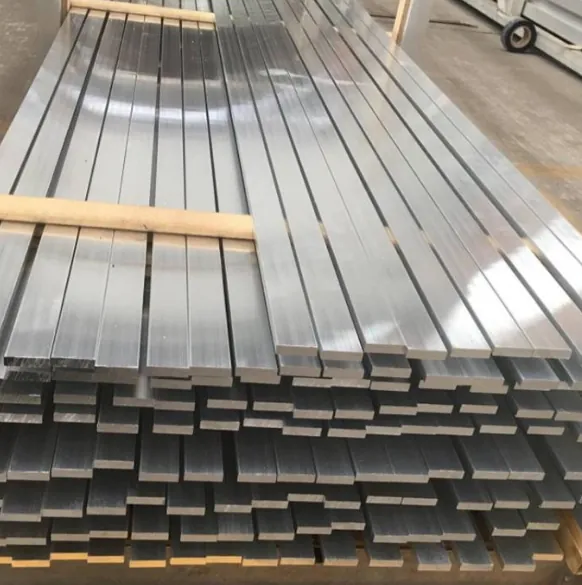
When designing or choosing an aluminium extrusion profile, shape is one of the most important parameters. The cross‑section determines mechanical properties (bending, torsion, moment of inertia), weight, material usage, assembly features, and aesthetic appearance. For example, hollow profiles can deliver high strength‑to‑weight ratio: the material is placed away from the neutral axis, maximizing stiffness for a given mass.
Another example: in framing systems you often find “T‑slot” profiles (also called “T‑track”) which allow modular assembly: you slide bolts into the T‑slot and lock them. These profiles simplify building machine frames, guards, or custom workstations. The wide use of T‑slot structural framing shows how profile shape supports functional assembly systems.
Here are some typical design‐shape considerations:
Key shape factors
- Wall thickness: thin walls reduce weight but may reduce rigidity or increase risk of twisting.
- Voids/hollows: reduce weight, allow passage of wiring, cooling channels.
- Slots/tracks: for modular assembly, attachment of accessories.
- Ribs/flanges/ledges: increase stiffness, allow joining.
- Appearance: visible parts may have aesthetic shape (curves, chamfers, uniform surfaces).
- Thermal path: for heat sinks or thermal management profiles, fins or large surface area help.
Why this matters for you, as a buyer
When you approach a supplier, you need to define not only the alloy and surface finish, but also the exact cross‑section (drawing), the functional features (slots, holes, cutouts), and the tolerance requirements. If the shape is too complex (very thin webs, deep hollows, large overhangs), the extrusion cost may increase, tooling may be more difficult, and lead time may go up.
You should ask:
- Does the shape meet the load and deflection requirements?
- Are assembly features integrated (slots, flanges) or will you need additional machining?
- Is the profile optimised for production volume and cost?
- Will the finish (anodising, powder coat) affect shape or tolerance?
The shape you select determines the entire downstream manufacturing and assembly cost. A well‑designed profile shape saves material, machining, assembly time and weight.
A simple rectangular profile is always the best shape for strength and weight efficiency.False
A rectangular profile may not deliver optimal stiffness or functional integration; hollow or ribbed shapes often outperform for weight vs strength.
Including T‑slots in a profile supports modular assembly systems and simplifies framework builds.True
T‑slots enable bolts and connectors to slide and clamp, making assembly flexible and efficient.
Where profiles are used structurally?
If you think aluminium profiles are only for decoration or small components, think again — they support buildings, vehicles, machines and more.
Aluminium extrusion profiles serve structural roles in industries like construction, automotive, industrial framing and architectural systems thanks to their strength, light weight, and corrosion resistance.
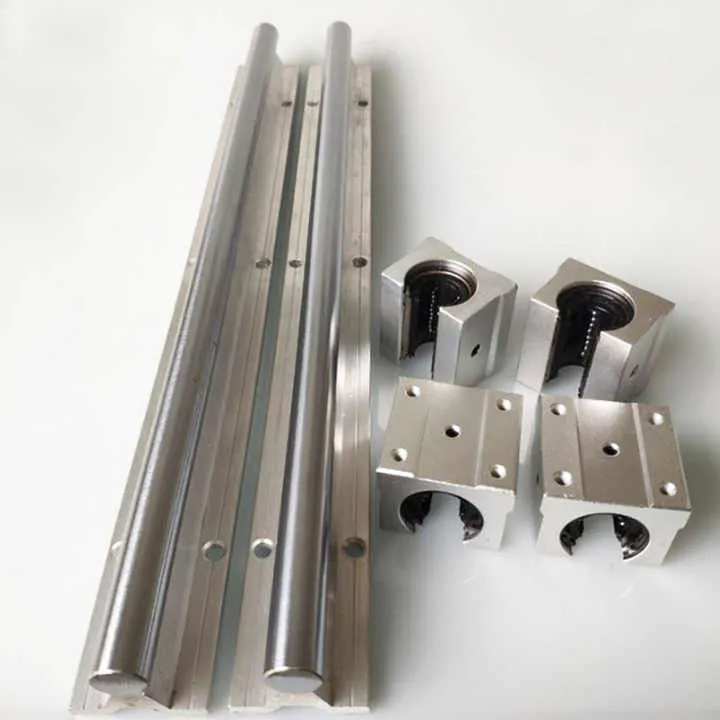
Aluminium extrusion profiles are found in many structural and semi‑structural contexts. For example, in the construction sector, profiles form window and door frames, curtain‑walls, structural mullions and transoms. In machine building and industrial automation, extruded profiles are used for machine frames, guarding, enclosures, conveyors, workstations, and structural frameworks.
In vehicles (rail, road, aviation) and solar / electronics, aluminium profiles act as load‑bearing structural parts while keeping weight low and resisting corrosion.
Example structural applications
- Building frames: door/window profiles, curtain‑wall systems, facade supports.
- Machine structures: T‑slot frames for automation, modular benches, guard rails.
- Structural beams: H‑sections, I‑sections, Z‑bars used in architecture or industrial platforms.
- Vehicle components: roof rails, chassis supports, mounting profiles for solar panels.
- Heat sinks / thermal supports: profiles with fins that also carry structural loads.
Why aluminium profiles work well structurally
Aluminium has a high strength‑to‑weight ratio, is corrosion resistant (especially with surface treatment), is recyclable and can form complex shapes. These features make extrusion profiles ideal when weight saving and long life are required.
When we supply profiles, we help clients ensure that the profile meets not just geometric shape requirements but also structural criteria: alloy selection (6063‑T5 vs 6061‑T6), surface treatment (anodising or powder coat), load and deflection specs, and joining compatibility. We also monitor quality control (three‑stage inspection) to deliver stable performance.
If a client asks: “Can this profile support a 2 meter span without sagging?” we look at the cross‑section, the material, the finish and the assembly method to verify. In many situations, aluminium profiles reduce overall system weight, simplify assembly, and provide good corrosion performance compared to steel.
Aluminium extrusion profiles are never used as structural components in buildings.False
They are used as structural components in buildings, such as window frames, curtain walls, and structural support elements.
Using aluminium profiles in machine frames can shorten assembly time because features like slots and standard accessories can be integrated.True
Profiles with integrated slots allow modular assembly, reducing machining and custom fabrication.
Can profiles be customized easily?
Want a unique shape to fit a special assembly or brand aesthetic? Custom extrusion profiles make that possible — but there are trade‑offs.
Yes, profiles can be customized in shape, size, finish and machining, but tooling cost, lead time and minimum order volumes must be managed.

Customization is one of the biggest advantages of aluminium extrusion profiles. The process allows for virtually unlimited cross‑sectional shapes: solid, hollow, semi‑hollow, with slots, ribs, complex voids. However, “easy” customization should be understood in context.
To produce a custom profile, key steps include:
- Designing the cross‑section drawing (CAD)
- Tooling the die (which is a cost and time investment)
- Selecting the proper alloy, temper and surface finish
- Running sample extrusions and verifying profiles, tolerances, and mechanical properties
- Processing finishing, machining, cutting, surface treatment
These steps mean customization usually comes with higher cost, longer lead time and higher minimum order quantity (MOQ). For example, in our business model we support MOQ but must plan for die cost and production run. Clients often balance between using a standard profile (catalog) vs fully custom.
Here is another table to clarify:
| Customization type | Typical implications |
|---|---|
| Standard profile (catalog) | Lower cost, shorter lead time, limited shape options |
| Modified standard profile | Slight shape change, moderate cost, moderate lead time |
| Fully custom profile | Unique shape, highest cost, longest lead time |
Also customization doesn’t just mean shape: it includes surface treatments (anodising, powder coating, wood‑grain transfer), CNC machining, holes, slots, bends. These add value but also cost and coordination.
From a buyer’s perspective: make sure you clarify: alloy & temper, profile shape drawing, finish specification, tolerance requirements, MOQ, lead time, packaging and shipping.
Custom aluminium extrusion profiles always cost the same as standard catalog profiles.False
Custom profiles require extra tooling, design and finishing, so they cost more than standard catalog profiles.
Customisation of aluminium profiles can include shape design, length cutting, machining and surface treatment.True
These are common customization options in extrusion profile supply.
Conclusion
In summary, aluminium extrusion profiles are shaped, finished aluminium parts made via the extrusion process and tailored for specific applications. They differ from raw extrusions by their added value, their shapes meet specific functional design needs, they are widely used in structural and industrial settings, and yes, they can be customised—though cost and lead‑time implications apply.