


How Does Welded Fabrication Enhance Design Flexibility and Functionality in Aluminium Extrusion Products?
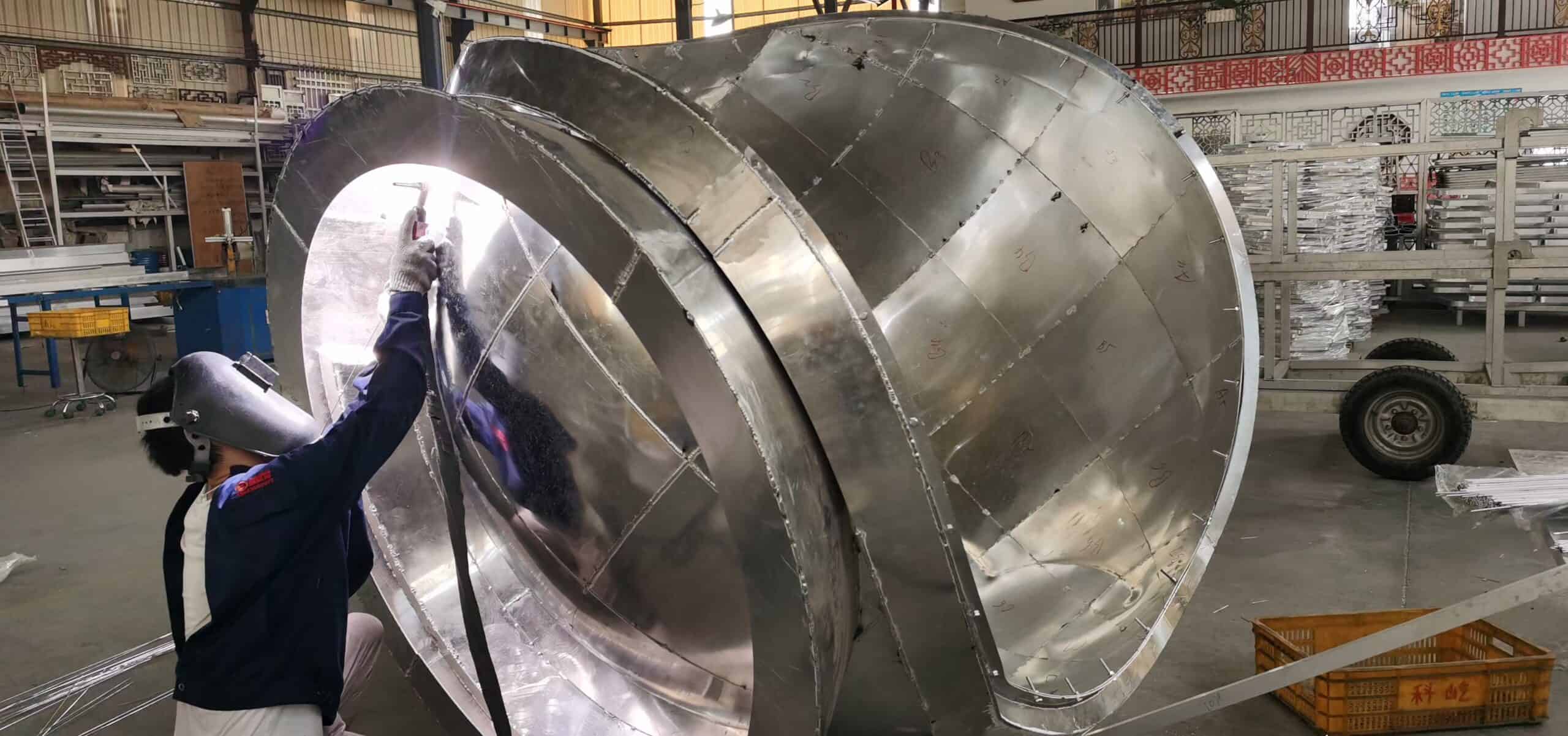
In the world of engineering, aluminum extrusion stands out for its versatility and strength. But when you add welded fabrication into the mix, the possibilities become truly exciting!
Welded fabrication enhances the design flexibility and functionality of aluminum extrusion products by allowing for complex shapes and increased structural strength. This process supports diverse applications while maintaining the material’s aesthetic and corrosion-resistant qualities.
But there’s so much more to discover! Let’s dive deeper into how welded fabrication truly impacts aluminum extrusions, guiding us toward smarter design decisions.
Welded aluminum extrusions retain high corrosion resistance.True
Welding does not significantly diminish aluminum's natural corrosion resistance.
What Are the Key Benefits of Welding Aluminum Extrusions?
Welding aluminum extrusions opens up a realm of possibilities in design and functionality, making them ideal for various innovative applications.
Welding aluminum extrusions provides key benefits such as enhanced structural strength, improved corrosion resistance, and greater design flexibility. These advantages make welded aluminum products suitable for complex and load-bearing applications.
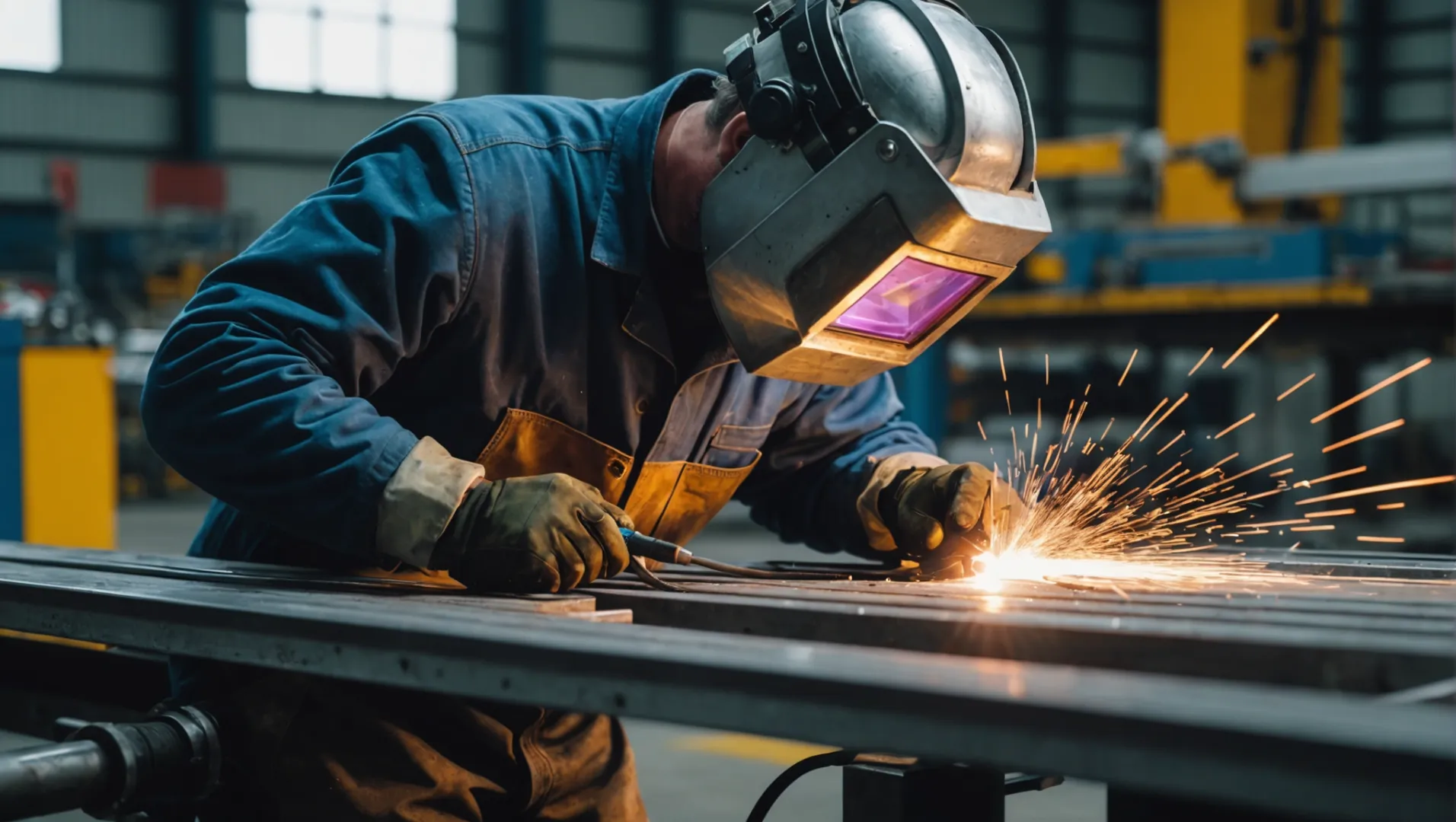
Enhanced Structural Strength
Welding enables the joining of multiple aluminum profiles, effectively increasing their overall structural integrity. This is especially beneficial in applications requiring higher load-bearing capabilities, such as in construction or automotive frames. By combining various shapes1, the resulting structure can withstand greater stresses compared to non-welded counterparts.
Improved Corrosion Resistance
Many aluminum alloys, including 6063 and 6061, are naturally corrosion-resistant. Welding does not significantly diminish this property, ensuring that the welded structures can perform reliably even in harsh environments. This resistance makes welded aluminum extrusions ideal for outdoor applications and industries exposed to moisture and corrosive elements.
Diverse Design Possibilities
Welding allows for the creation of complex and bespoke designs by joining various extruded shapes. This flexibility supports the development of intricate frames and brackets that cater to specific needs. The ability to form customized designs2 means that welded aluminum products can meet diverse market demands, offering manufacturers a competitive edge.
Excellent Weldability of Alloys
Aluminum alloys like 6063 and 6061 are renowned for their weldability. The 6063 alloy, known for its superior extrusion properties, is frequently used where aesthetics and surface finish are crucial. Conversely, 6061 alloy is favored in industrial applications due to its strength. Selecting the right alloy ensures that welded extrusions retain their performance characteristics post-fabrication.
| Alloy | Strength | Corrosion Resistance | Common Applications |
|---|---|---|---|
| 6063 | Moderate | High | Construction, decoration |
| 6061 | High | Moderate | Industrial structures |
Considerations in the Welding Process
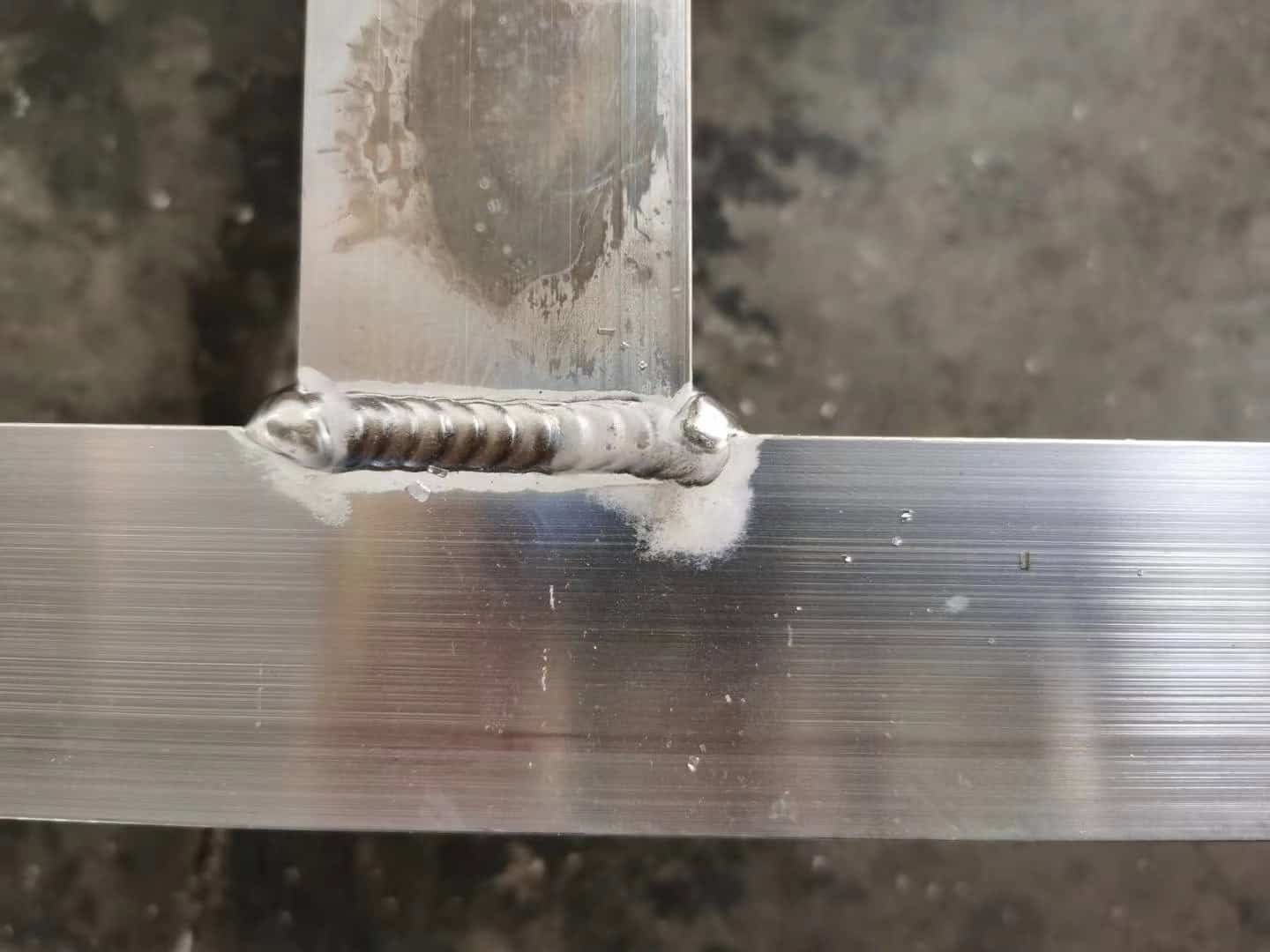
Despite the benefits, there are considerations to keep in mind when welding aluminum extrusions. The heat-affected zone (HAZ) can experience strength reduction or deformation. Therefore, it’s crucial to control the welding temperature and technique meticulously to maintain the integrity of the material.
Furthermore, choosing the appropriate welding method—such as TIG (Tungsten Inert Gas) or MIG (Metal Inert Gas) welding—can significantly impact the quality of the weld. These methods help preserve the aluminum’s inherent properties while ensuring a robust connection between profiles.
Welding aluminum extrusions reduces corrosion resistance.False
Welding does not significantly diminish aluminum's natural corrosion resistance.
6061 alloy is preferred for industrial applications due to its strength.True
6061 alloy is favored in industrial settings because of its high strength.
How Does Welding Influence the Strength and Durability of Aluminum Products?
Welding transforms aluminum into resilient and robust products, combining aesthetics with enhanced strength.
Welding impacts aluminum’s strength by reinforcing structural integrity and maintaining corrosion resistance. Proper techniques prevent weakening in heat-affected zones, ensuring durability.

The Role of Welding in Strengthening Aluminum
Welding plays a pivotal role in enhancing the structural strength of aluminum products. By joining aluminum profiles, welding creates a more robust assembly that can withstand higher loads. This is particularly beneficial in applications such as construction and automotive manufacturing, where durability is crucial.
One of the key advantages is the ability to create complex shapes that distribute stress evenly across the structure. This not only strengthens the product but also reduces the risk of failure under stress.
Preserving Durability Through Welding
Durability in aluminum products is largely dependent on maintaining their inherent corrosion-resistant properties. Many aluminum alloys, like 6063 and 6061, retain these characteristics post-welding, thanks to their composition.

Moreover, careful selection of welding methods and temperatures is essential to prevent issues in the heat-affected zone3. Properly executed welding ensures that the material retains its original strength and toughness.
Techniques and Considerations in Aluminum Welding
Choosing the right welding technique is vital for maintaining aluminum’s properties. TIG and MIG welding are popular due to their effectiveness in preserving the metal’s qualities.
A comparative analysis of these techniques can be seen below:
| Technique | Benefits | Applications |
|---|---|---|
| TIG Welding | Precision and control, clean finishes | Aerospace, automotive |
| MIG Welding | Faster process, suitable for thicker sections | Industrial fabrication |
Selecting the right alloy is equally important. Alloys like 6061 are chosen for their strength, while 6063 is selected for aesthetic applications. Understanding these nuances helps optimize the welding process to enhance both strength and durability.
In summary, welding not only expands design capabilities but also ensures that aluminum products meet high-performance standards while retaining their aesthetic appeal.
Welding increases aluminum's structural strength.True
Welding joins profiles, creating robust assemblies that withstand higher loads.
MIG welding is slower than TIG for aluminum.False
MIG welding is faster, suitable for thicker sections, unlike TIG.
What Are Common Welding Techniques Used in Aluminum Fabrication?
Aluminum fabrication relies on specialized welding techniques to ensure optimal strength and design versatility. Let’s delve into these methods.
Common welding techniques in aluminum fabrication include TIG and MIG welding, each offering unique advantages for crafting robust and intricate designs.
Exploring TIG Welding
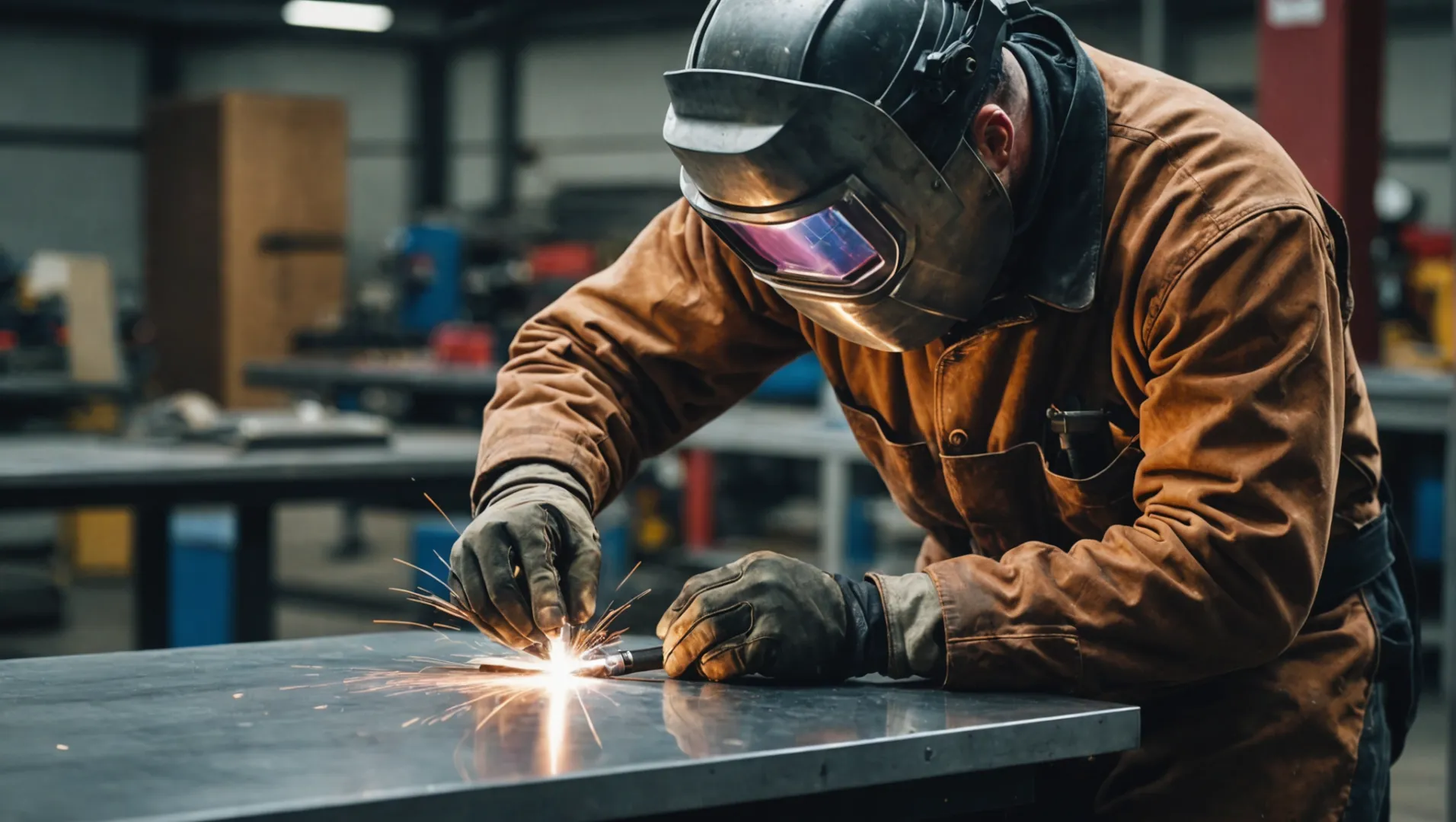
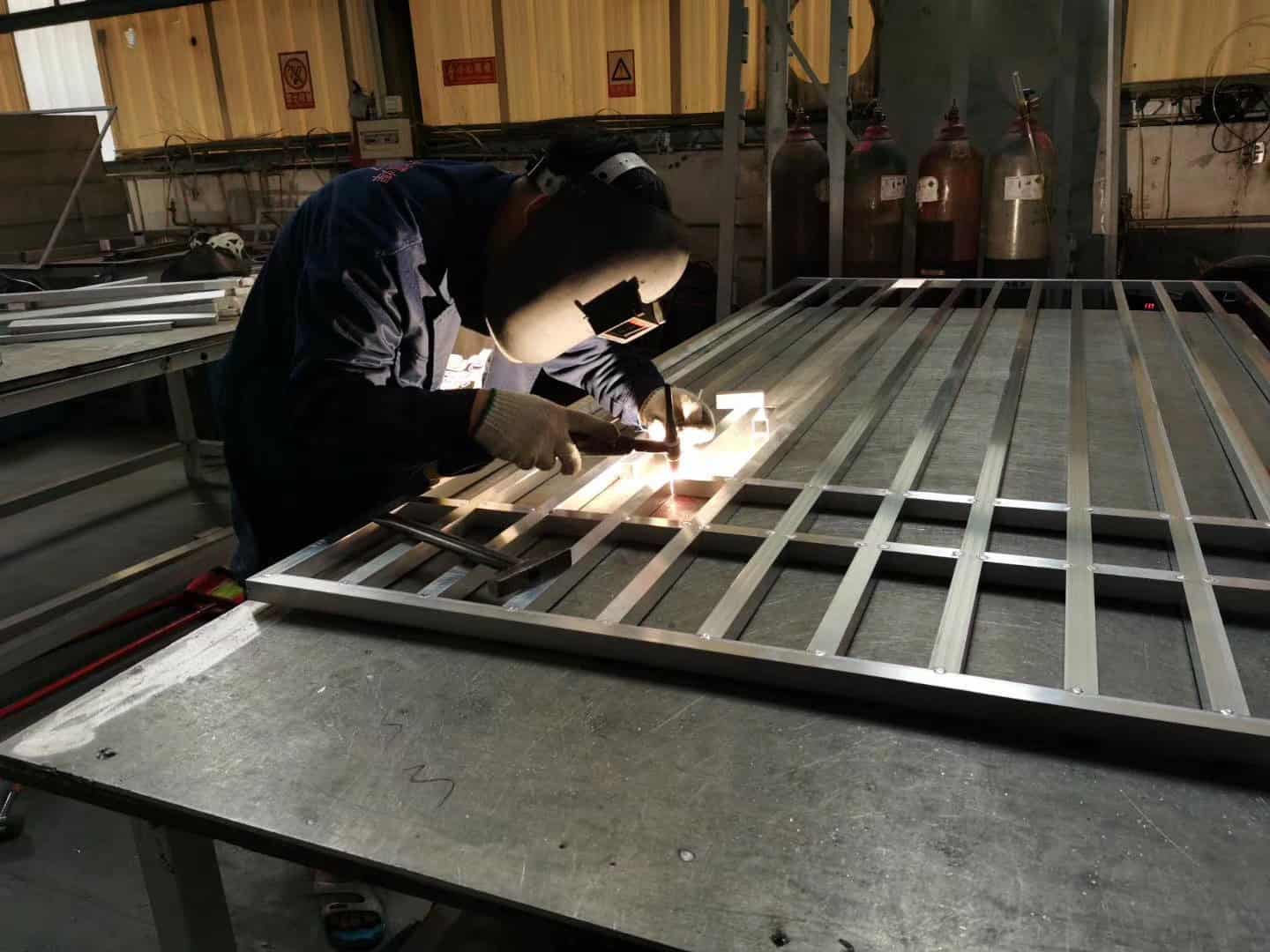
Tungsten Inert Gas (TIG) welding is renowned for its precision and control, making it a preferred choice for high-quality welds4 in aluminum fabrication. This method uses a tungsten electrode to produce a weld, which is protected by an inert gas shield, typically argon.
- Precision and Finish: TIG welding allows for precise control over the heat input, resulting in clean, aesthetically pleasing welds. It’s ideal for projects where the appearance of the weld is crucial, such as in decorative aluminum components.
- Applications: TIG welding is commonly used in industries like aerospace and automotive, where high-strength and lightweight materials are paramount.
Advantages of MIG Welding
Metal Inert Gas (MIG) welding is another prevalent technique in aluminum fabrication. Known for its speed and efficiency, MIG welding uses a consumable wire electrode and a shielding gas, often a mix of argon and helium.
- Efficiency and Speed: The automated nature of MIG welding makes it faster than TIG, which is advantageous for large-scale production requiring high throughput.
- Versatility: MIG can handle thicker aluminum sections, making it suitable for structural applications such as frames and support structures.
- Ease of Use: With less operator skill required compared to TIG, MIG welding is often used in workshops where efficiency is key.
Factors Influencing Technique Choice
Choosing between TIG and MIG depends on several factors:
- Material Thickness: Thinner materials benefit from the precision of TIG, while thicker sections are better suited to MIG due to its higher heat input capacity.
- Desired Finish: Projects requiring high visual appeal often opt for TIG for its superior surface finish.
- Production Volume: High-volume production favors MIG for its speed and lower skill requirement.
Combining Techniques for Optimal Results
Sometimes, combining both TIG and MIG welding techniques can yield the best results. For instance, a project might use MIG for the initial joining of components and TIG for finishing touches where appearance matters.
In conclusion, understanding the nuances of each technique allows fabricators to select the most suitable method based on the specific requirements of their projects. This adaptability enhances the design possibilities5 achievable with aluminum fabrication.
TIG welding is ideal for thin aluminum materials.True
TIG welding provides precision and control, suitable for thin materials.
MIG welding requires more skill than TIG welding.False
MIG is easier to use, requiring less operator skill than TIG.
Why Is Alloy Selection Crucial in Welding Aluminum Extrusions?
Choosing the right aluminum alloy is essential in welding extrusions to ensure optimal strength, durability, and corrosion resistance.
Alloy selection is crucial in welding aluminum extrusions because it directly affects the weld quality, structural integrity, and performance under various environmental conditions.
The Impact of Alloy Composition on Weldability
Aluminum alloys are categorized primarily based on their chemical compositions and mechanical properties. Each alloy offers distinct advantages when it comes to welding applications. For instance, the 6061 alloy6 is known for its excellent strength and corrosion resistance, making it a popular choice for industrial structures. Conversely, the 6063 alloy7 excels in applications where surface finish and ease of extrusion are prioritized.
Effects on Heat-Affected Zones
When welding aluminum extrusions, the heat-affected zone (HAZ) can significantly alter the material’s properties. A poor alloy choice can lead to a weakened HAZ, compromising the structure’s integrity. Selecting an alloy with compatible thermal conductivity and expansion properties helps mitigate these risks, ensuring a stable weld.
Compatibility with Welding Techniques
Different alloys respond uniquely to welding techniques such as TIG8 and MIG9. For example, the 5xxx series aluminum alloys are generally more resistant to cracking during welding than 2xxx or 7xxx series. Understanding the compatibility between alloys and welding methods is vital to achieving strong, defect-free joints.
Considerations for Corrosion Resistance
Corrosion resistance is another critical factor influenced by alloy selection. Alloys like 6063 maintain their corrosion-resistant properties post-welding, crucial for applications exposed to harsh environments. Ensuring the chosen alloy preserves its protective qualities can prolong the lifespan of welded structures.
Mechanical Properties and Load Requirements
Each application demands specific mechanical properties such as tensile strength and ductility. For example, an application requiring high load-bearing capacity might benefit more from 6061 due to its superior strength compared to 6063. A comprehensive understanding of how different alloys meet these requirements can lead to more informed decisions during the welding process.
6061 alloy offers superior strength for industrial welding.True
6061 alloy is known for excellent strength and corrosion resistance.
5xxx series alloys are prone to cracking during welding.False
5xxx series alloys are generally more resistant to cracking.
Conclusion
In summary, welded fabrication transforms aluminum extrusions into versatile solutions that blend aesthetics with strength. By understanding welding techniques and material selection, we can unlock endless design possibilities.
-
Understand how welding enhances structural integrity in aluminum constructions.: This weakens the structural integrity of the metal, making it vulnerable to failure from pressure and stress. Porosity is minimised by using … ↩
-
Discover how welding increases design flexibility for aluminum products.: Benefits of Using Aluminum · Lightweight: When compared to steel, aluminum has a better strength-to-weight ratio and becomes stronger rather than … ↩
-
Learn how welding affects aluminum’s strength and integrity.: Both 5xxx and 6xxx series alloys become weaker in a local region near the weld when welded by fusion welding. This local weak region is known as the heat- … ↩
-
Learn how TIG welding enhances aluminum’s aesthetic and structural quality.: Aluminum is an excellent conductor of heat. It requires large heat inputs when welding is begun, since much heat is lost in heating the surrounding base metal. ↩
-
Discover how welding expands aluminum design potential.: Easy to form: Aluminum is known for its flexibility compared to other materials. This makes it easier to fabricate into your desired shape. Plus … ↩
-
Discover why 6061 is ideal for industrial applications.: Excellent joining characteristics, good acceptance of applied coatings. Combines relatively high strength, good workability, and high resistance to corrosion. ↩
-
Explore the reasons 6063 is favored in construction.: 6063 aluminum is the most common choice for extrusion with its excellent extrudability, high corrosion resistance, and ability to be formed into complex shapes. ↩
-
Learn how TIG welding benefits aluminum fabrication.: It offers numerous advantages of TIG welding, including precise control, clean welds, and versatility in working with various metals. However, it also has some … ↩
-
Find out how MIG welding suits aluminum projects.: MIG welding aluminum can be difficult, as it is very different from MIG welding mild steel. Follow this guide to learn the key factors to consider. ↩


