Products Details
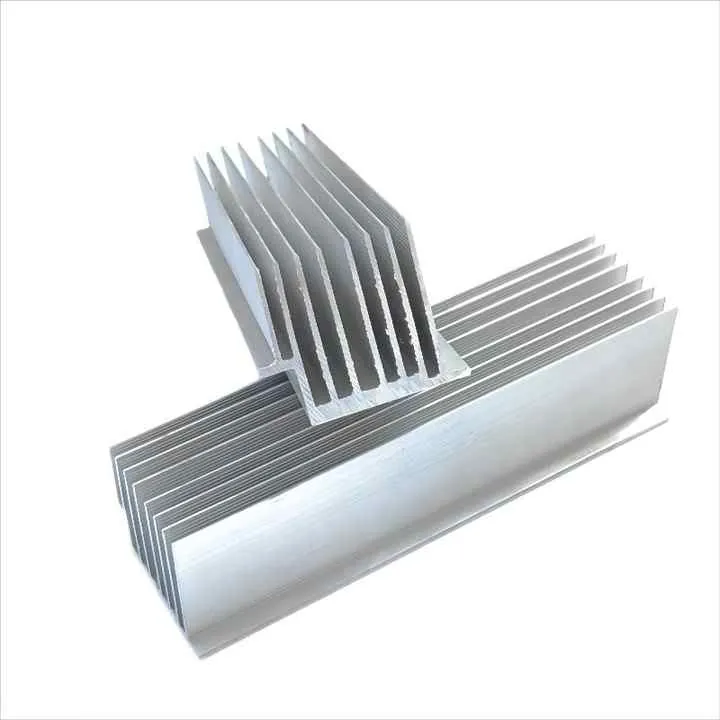
| Item | aluminum heat sink |
| Material | 6000 series Aluminium |
| Temper | T5, T6 |
| Size / Thickness | 22*17.5mm, Profiles thickness 1mm |
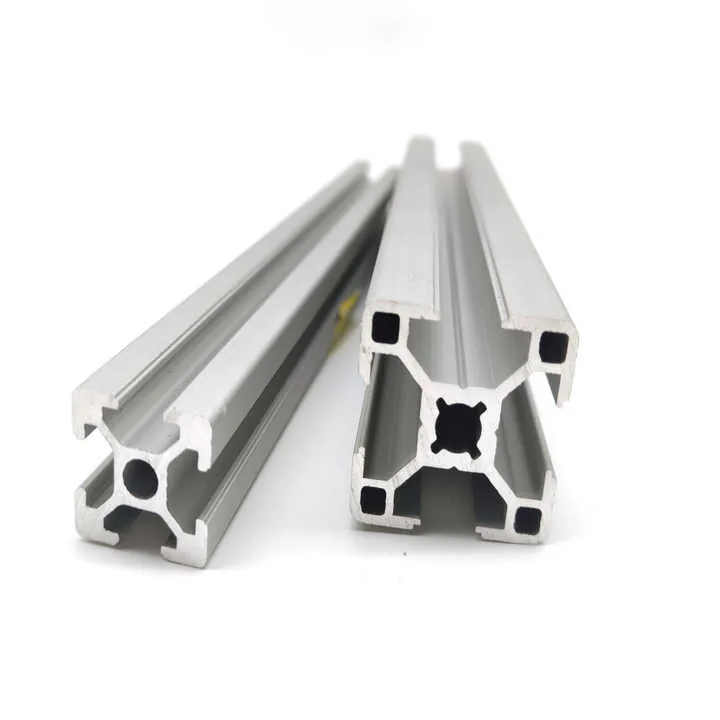
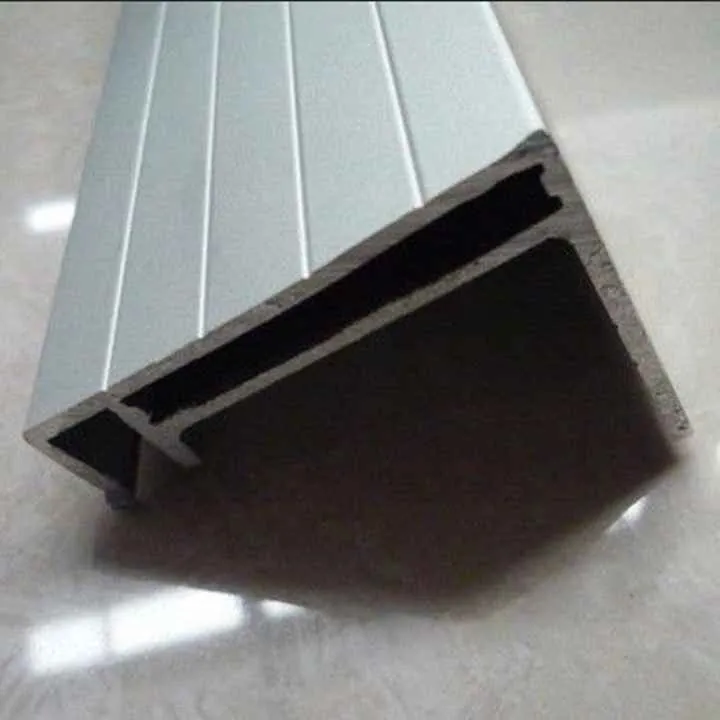
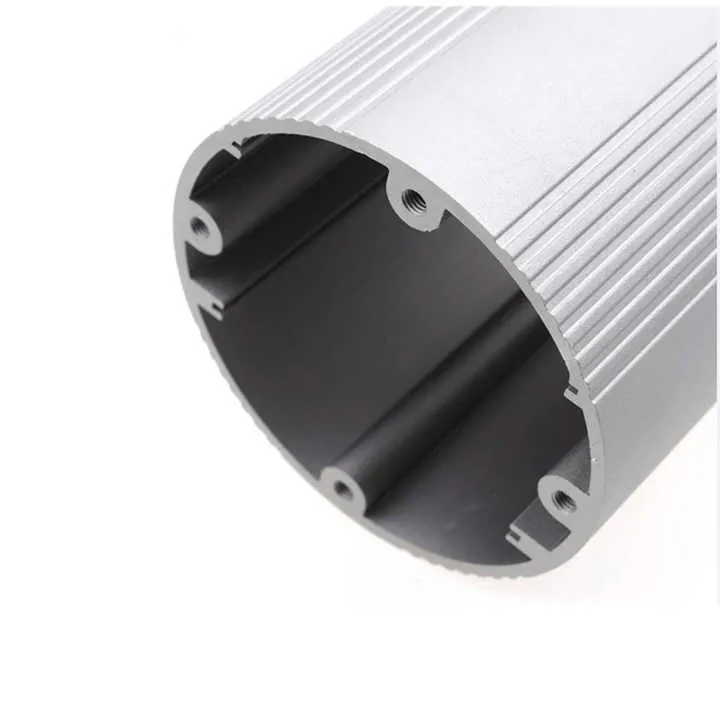
| Shape | Same as picture. Customized design available. |
| Application | Machine |
| Surface treatment | anodized, 8-10 micorn firm. |
| Colors | sliver, black. etc. |
| Deep process | drilling, cutting |
| MOQ | 200kgs for each item |
Our Manufacturing Base
Factory Panorama

Aluminum Bar Manufacturing Workshop


Mold Storage Warehouse

43 Aluminum Extrusion Lines (500–5500 Tons)


Powder Coating Workshop

Anodizing Workshop

Deep Processing Workshop

CNC Precision Machining Workshop

Finished Product & Export Warehouse


FAQ
1.What is an aluminum heat sink?
An aluminum heat sink is a component designed to dissipate heat away from electronic devices, improving performance and extending their lifespan.
2.Why is aluminum commonly used for heat sinks?
Aluminum has excellent thermal conductivity, which helps efficiently transfer heat away from sensitive components, making it ideal for heat sinks.
3.Can aluminum heat sinks be customized?
Yes, we offer custom sizes, shapes, and fin designs to optimize cooling based on the specific needs of your application.
4.Are aluminum heat sinks suitable for high-power electronics?
Absolutely, aluminum heat sinks are perfect for high-power applications such as LED lighting, power supplies, and CPUs, where efficient cooling is critical.
5.How does an aluminum heat sink improve device performance?
By dispersing heat effectively, aluminum heat sinks prevent overheating, ensuring that components remain within safe operating temperatures.
6.What industries use aluminum heat sinks?
Common industries include electronics, automotive, telecom, medical devices, and renewable energy, where effective thermal management is essential.
7.How does the surface finish of aluminum heat sinks affect their performance?
Anodized or coated finishes enhance corrosion resistance, improve durability, and can help with additional thermal management by improving surface area for heat dissipation.