what to replace 1/4 T-slot nuts for aluminum extrusions?
Aluminum extrusion construction often relies on 1/4‑inch T‑slot nuts. Sometimes these nuts are inconvenient, weak, or inflexible when building frames.
You can replace 1/4 T‑slot nuts with alternatives like hammer‑nuts, drop‑in nuts, threaded end bolts, channel screws, or through‑bolting with backing plates — depending on load, access, and design needs.
Read on to see which alternatives work, why thread size matters, how to secure the joint properly, and when custom nuts may be the right answer.
I walk through common pitfalls and practical choices so you avoid weak assemblies and wasted parts.
What alternatives fit 1/4 T-slot channels?
Sometimes standard T‑slot nuts are hard to install after frame assembly, or they don’t meet strength needs. Other fasteners can fill the gap.
Alternatives like drop‑in (hammer) nuts, channel screws, bolts through the slot with backing plates, or end‑threaded extrusion ends can replace standard 1/4‑20 T‑slot nuts.
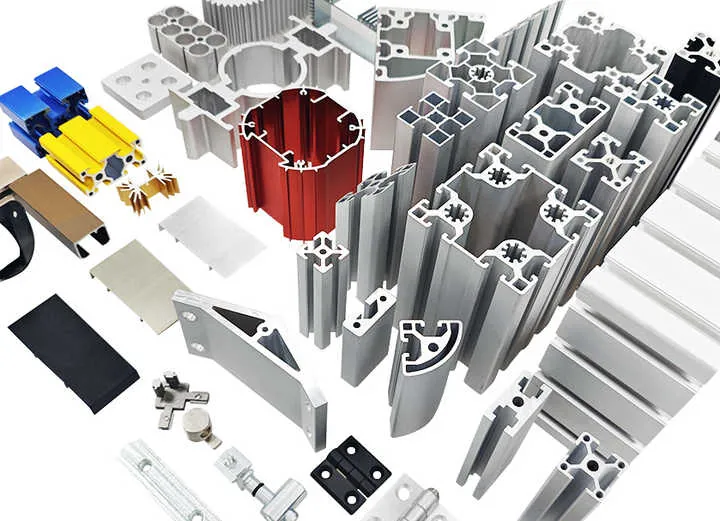
In practice, several alternatives fit extrusion T‑slots well. Hammer nuts (also called drop‑in or swivel nuts) slide into slot and rotate or snap, then accept the bolt. Channel screws — bolts with flat heads and wide bodies — sit inside the slot and tighten parts directly against the profile wall. Another method is drilling through the profile and using a washer and bolt with a backing plate outside. For a strong, permanent joint, you can thread the end of the extrusion and bolt directly into that tapped end.
Each method has trade‑offs in strength, convenience, and re‑usability. Hammer nuts are easy to install after frame is assembled, but they may shift under load or vibration. Through‑bolting gives high strength but requires access to both sides and careful hole alignment. Channel screws often demand precise slot size and compatible accessories. End‑threaded bolts reduce part count but make repositioning hard.
These alternatives often overlap in use — for example, a heavy frame may use through‑bolts or end threads at load points, while movable attachments use drop‑in nuts. Choosing depends on what you build and how permanent you need the joint.
Why thread size affects compatibility and strength?
Fastener thread size and engagement depth influence how strong and durable a joint will be. Using the wrong thread or bolt can cause failures.
Thread size, engagement depth, and bolt type determine how well the load transfers. A bolt that fits loosely or grips thin material poorly reduces holding power significantly.

Thread size matters because larger threads have more surface area and can take higher shear and tensile loads. A 1/4‑20 bolt (roughly M6) is common because it balances size and strength. If you reduce thread size — say to 5/16‑18 or smaller metric — the bolt walls become thinner. Under load, bolt may strip, or pull‑through may occur in extruded aluminum, especially if wall thickness is modest.
Engagement depth also matters. If bolt only catches a few threads (as may happen with shallow drop‑in nuts), the load‑bearing capacity drops. For heavy loads, bolts should engage many threads and seat fully. When using through‑bolts with washers and backing plates, a long bolt and full nut engagement ensures the load spreads across larger area, reducing stress on aluminum walls.
Also, bolt head profile or washer size influences compatibility. Wide washers or flange bolts help distribute clamping force over extrusion surface. Small, narrow bolts concentrate force and risk deformation. Thread locker or lock nuts help resist loosening when vibration or dynamic load is present.
Therefore, matching bolt size and type to slot, wall thickness, and expected load is essential. Undersized or mismatched fasteners undermine even the strongest extrusion profile.
How to ensure secure T‑slot fastening?
Good fasteners alone do not guarantee a strong joint. Proper method, correct hardware, good load distribution, and testing matter.
To secure T‑slot or alternate fasteners, use correct slots, matching bolts, washers or backing plates, and test the joint under load and vibration before trusting it in final build.
First, measure the slot width and extrusion wall thickness. Use a fastener rated for that thickness and slot size. For bolt‑through designs, ensure clearance around bolt and space for backing plate or nut on the far side. If using drop‑in nuts or channel screws, check that they seat fully inside slot without interfering with motion or other parts.
Next, use washers or flange bolts to spread clamping force. A small bolt under load can chew into aluminum and deform it. Wide washers or backing plates spread load, reduce deformation, and give better grip. In critical joints — bed mounts, heavy shelves, or van builds — use backing plates or plates with multiple bolts rather than a single bolt‑through slot.
Locking hardware helps too. For assemblies subjected to vibration, repeated loading, or dynamic motion, use lock nuts, nylon‑insert nuts, or apply thread‑locker. That prevents loosening over time.
Finally, always test before full use. After assembly, apply expected load or shake the frame. Look for bolt movement, deformation in extrusion slots, or cracks forming at stressed points. Retighten bolts. Re‑check after a few hours or days, especially if load increases or environment changes.
Fastener options comparison
| Methode | Sterkte | Ease of Installation | Beste gebruikscasus |
|---|---|---|---|
| Drop‑in (hammer) nuts | Medium | Easy even after assembly | Adjustable brackets, light loads |
| Channel screws | Medium‑High | Matig | Panels, accessories, mid loads |
| Through‑bolt + plate | Hoog | Hard (requires access) | Heavy loads, permanent frames |
| End‑tapped extrusion | Hoog | Requires cutting/tapping | Frame corners, structural joints |
| Risicofactor | What to Watch |
|---|---|
| Slot size mismatch | Check that nut or screw fits snugly |
| Dunne muren | Use backing plates or avoid through‑bolting |
| Trilling | Use lock nuts or thread locker |
| Uneven load distribution | Use washers or plates |
By combining careful hardware selection, proper fastening methods, and load testing, you get joints that hold tight and last long — even under heavy or dynamic loads.
Can custom nuts improve load capacity?
Sometimes stock T‑slot nuts don’t meet the demands of heavy loads or unusual setups. Custom or modified fasteners may offer better performance, but require care.
Custom nuts, backing plates, or bolts through extrusion ends can increase load capacity and reliability — but only if you ensure proper fit, alignment, and distribution of forces.
For example, you can machine a metal plate with holes that span across multiple T‑slots, then bolt through extrusion walls into that plate. This distributes load over a larger area and reduces stress concentration. For heavy racks or van furniture, such plates work better than relying on single slot nuts.
Another custom solution is welding or bonding metal inserts inside the extrusion slot (for aluminum profiles that allow welding). This turns sections into near‑solid beams. That is useful for frames that bear heavy mechanical loads, or for CNC bases. However, welding aluminum can affect temper, cause warping, or require heat treatment. So this route works only if you know metallurgical effects.
Some builders use reinforced drop‑in nuts made of hardened steel, sometimes longer than standard, to get deeper engagement when thin slots are used. Others drill and tap extrusion ends to accept carriage bolts. These methods give stronger joints but reduce modularity.
Custom fasteners come with trade‑offs: more work to design and install, potential loss of re‑usability, need for precise alignment, risk of damaging extrusion if holes misaligned, and possible loss of warranty from extrusion supplier.
When I build heavy frames or load‑bearing racks, I often combine methods: through‑bolts at main joints, standard slot nuts for accessories, and plastered plates for distributing load. That gives strength, flexibility, and serviceability without over‑engineering.
Conclusie
Standard 1/4 T‑slot nuts work well for many extrusion setups — but they are not the only choice. Alternatives like drop‑in nuts, channel screws, through‑bolting with plates, or end‑tapped bolts offer more flexibility and strength when needed. Key is matching thread size, slot geometry, and load needs — and reinforcing joints properly. With correct hardware and care, you can build safe, strong, and durable extrusion frames that meet your load and design demands.