How to bend aluminum extrusions?

I often face parts that need a curved aluminum frame and the straight extrusions won’t cut it—bending them without damage is a real challenge.
Yes, you can bend aluminum extrusions if you use the right tools, respect material limits, control wall thickness and use heat when needed.
Let’s walk through how to do this properly — from what tools to pick, to how wall thickness matters, to avoiding cracks and whether heat helps.
What tools bend extrusions effectively?
When I first tried bending an extrusion with a cheap vise and hammer, the result was a mess—just the wrong tools made everything harder.
You need dedicated bending machines or rigs such as roller benders, mandrels, rotary‑draw setups and good support jigs to reliably bend extrusions.
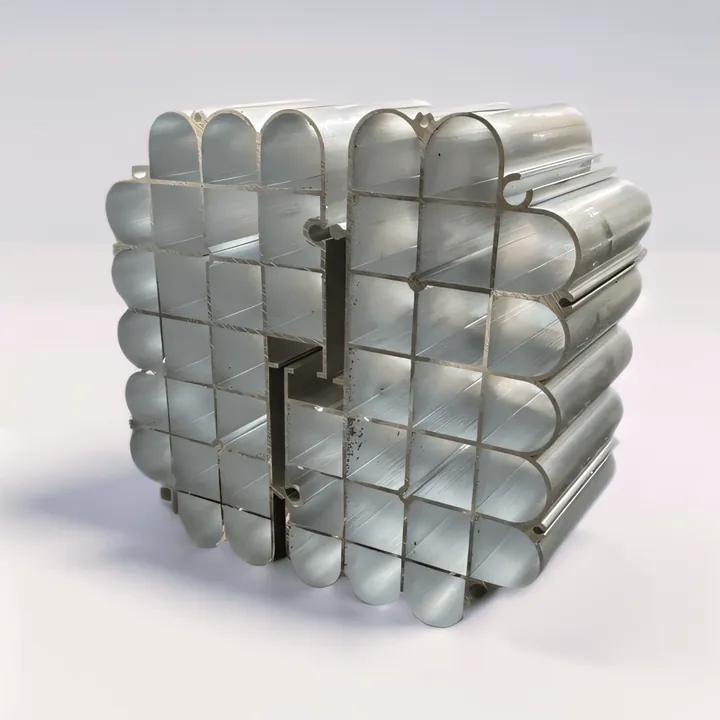
In my experience working on extrusion bending, I learned that the choice of tool really drives success. According to one detailed overview, there are multiple methods—roller bending, ram/push bending, rotary draw, compression bending, stretch forming, and free‑form bending.
Why different tools matter
- Roller bending: Good for long extrusions and large radii; extrusion is gradually pulled through or pressed over rollers. It’s efficient but precision or very tight radii might suffer.
- Ram or push bending: A die or ram pushes the extrusion around a bending form; simpler but can distort the shape if not well supported.
- Roterend trekbuigen: The section is clamped and wrapped around a matching die with precise control. Good for tighter bends and complex profiles.
- Stretch forming: The extrusion is put under tension while a die presses it into curve. This method helps avoid buckling and gives better surface integrity.
Support and setup
In addition to the main bending tool, good bending requires proper support: mandrels inside hollow sections, jigs to hold shape, supporting pressure dies to avoid buckling. For example, when bending hollow profiles with weak walls, filling or internal inserts can prevent collapse.
My tool‑tips based on real work
- Pre‑mark the bend line clearly so you know where the curve starts.
- Use a die radius that is appropriate for the profile.
- Use supporting dies or clamps to prevent the profile flanges or webs from deforming.
- Slow controlled force is better than “crank it and hope”.
- After bending, check the section for warping, thinning, or buckling.
Roller bending is suitable for extremely tight bend radii in aluminium extrusionsVals
Roller bending is efficient for long parts and large radii, but not usually for very tight radii; methods like rotary draw or compression bending are better for tight bends.
Rotary draw bending allows very precise bends in aluminium extrusionsEcht
Rotary draw bending wraps the extrusion around a die with a matching profile and provides precise control of angle and shape.
Why does wall thickness affect bending?
When I first bent a thin‑walled extrusion and it collapsed, I realised wall thickness made a huge difference in how the metal reacted to stress.
Wall thickness influences how much the section can stretch or compress during bending, how easily it buckles, and what minimum bend radius you must use.

Wall thickness is a critical parameter when bending extruded aluminium. One design‑for‑manufacturability guide highlights that wall thickness, alloy choice, profile geometry, and temper all interplay when planning a bend. Another source gives more direct numbers: For hollow sections, the minimum bend radius is around 5‑7 times the wall thickness; for solid sections, around 3‑5 times thickness.
What happens physically
When you bend an extrusion, the outer side of the curve is in tension and the inner side is in compression. With a thin wall, the inner side might buckle. With a thicker wall, there is more material resisting deformation but more material that must stretch or compress, and that can lead to cracking.
Belangrijkste overwegingen
- Hol vs massief: Hollow profiles are more prone to buckling on the inside radius.
- Wall thickness uniformity: Uneven wall thickness causes stress concentration.
- Minimale buigradius: Wall thickness sets a limit. Too tight, and you risk thinning or cracking.
Practical table for planning
| Wanddikte | Approximate Minimum Bend Radius | Opmerkingen |
|---|---|---|
| Solid section, e.g. 3mm | ~3‑5× thickness ≈ 9‑15mm | Good for simpler sections |
| Hollow section, e.g. 2mm wall | ~5‑7× thickness ≈ 10‑14mm | Needs internal support if tight |
| Very thin wall, e.g. 1mm wall | ~5‑7× thickness ≈ 5‑7mm | High risk of deformation or cracking |
Mijn ervaring
When I worked with an extrusion that had a 1.5mm wall and a complex profile, I used an internal mandrel and had to accept a larger radius. On a different job with a 4mm wall, I used a tighter curve but still inspected for cracking.
Thinner walls in an aluminium extrusion always allow a tighter bend radiusVals
Thinner walls reduce resistance to compression and buckling, so in fact they often require larger radii or internal support to avoid defects.
Uniform wall thickness in an extrusion helps improve bendabilityEcht
Uniform wall thickness reduces stress concentrations and distortion during bending, making the bend better controlled.
How to avoid cracking during bending?
Cracking is the worst when you’ve spent time set‑up and then the bend fails — I’ve seen surprise cracks appear near the neutral axis or on the outer fiber when temper is wrong or support is insufficient.
Avoid cracking by choosing bendable alloys/tempering, supporting the profile correctly, using appropriate radius, controlling surface treatment and if needed pre‑heating or annealing.
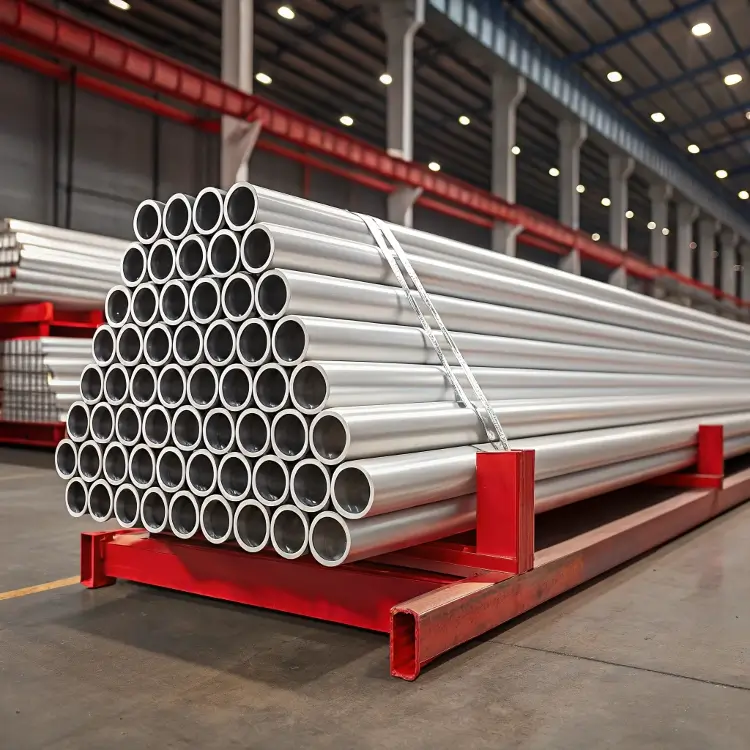
When I bent extrusions for our projects, I made sure to address cracking risk from multiple angles: alloy/temper, surface condition, support, bend radius, and post‑bend treatment.
Legering en hardheid
Some aluminium alloys bend better than others. 6xxx series like 6063 are more formable. If the alloy is in T6 temper, it is more likely to crack unless heat or other methods are used.
Support and tooling
Internal mandrels for hollow sections and pressure dies help avoid collapse. Unsupported profiles often crack or deform.
Surface treatment and finishing
Surface finishes like anodizing can craze under stress. It’s better to bend before anodizing to avoid micro‑cracks in the coating.
Bend radius and process control
Too tight a bend radius causes overstress. Always follow minimum bend guidelines. Bending slowly and compensating for spring-back helps.
Post‑bend relief
Sometimes annealing after bending helps relieve stress. Bending before full tempering can also improve results.
My checklist to avoid cracking
- Confirm alloy and temper.
- Ensure internal support exists.
- Choose correct bend radius.
- Bend slowly.
- Inspect after bending.
- Consider post‑bend treatment.
Anodizing after bending is always better to avoid surface micro‑cracksEcht
Because bending after anodizing can cause micro‑cracks or crazing in the brittle anodized layer, it is generally better to do bending first then anodize.
You can ignore spring‑back when bending aluminium extrusions because they do not return to original shapeVals
Aluminium extrusions do exhibit spring‑back after bending, so you must allow for it when setting up the bend tooling and angle.
Can heat assist aluminum extrusion bending?
One job had hardened alloy extrusions that cracked when cold bent—then I introduced controlled heat and the bends improved dramatically.
Yes—applying heat (annealing or localized heating) can help soften the alloy and allow tighter bends, reduce cracking risk, and improve bendability of harder temper extrusions.

Using heat is a known technique to make aluminium extrusion bending easier or possible when the material is too brittle or the bend radius is too tight.
When heat helps
- Heating reduces yield strength and increases ductility.
- Localized heat at bend zone lowers required force.
- Bending before final temper can prevent cracking.
How to apply heat safely
- Use a torch or induction heater.
- Heat evenly.
- Let it cool gradually.
- Finish after bending, not before.
Considerations and limits
- Not all alloys respond to heat.
- Heat introduces risks like distortion.
- Still need correct radius and support.
Mijn ervaring
On a project using 6061-T6 extrusions, we preheated to 180°C and bent cleanly. Without heat, cracking occurred. With heat, tighter bends succeeded. Heat saved the job.
Using localized heat always eliminates the need for a larger bend radiusVals
Heat improves ductility and helps bending, but it does not remove the physical limits set by wall thickness, profile geometry and support; you still need an appropriate bend radius.
Bending an extrusion in T6 temper is more challenging than bending in O or T4 temperEcht
T6 temper is harder and less ductile, so bending without cracking is more difficult; softer tempers like O or T4 allow easier forming.
Conclusie
In my role bending aluminium extrusions, I found that using the right tools, respecting wall thickness limits, avoiding cracking through good setup, and using heat when needed are all essential steps. Get these right and bends will come out clean, repeatable and reliable.