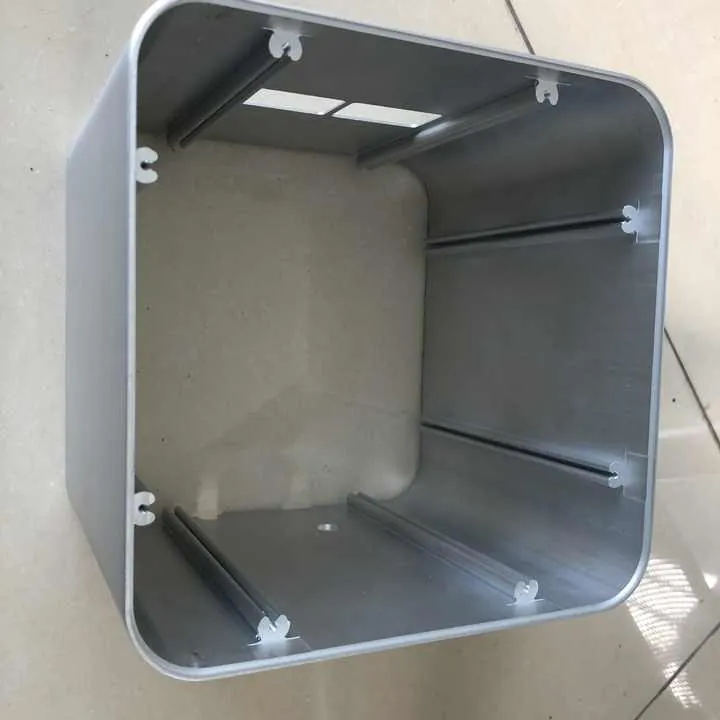
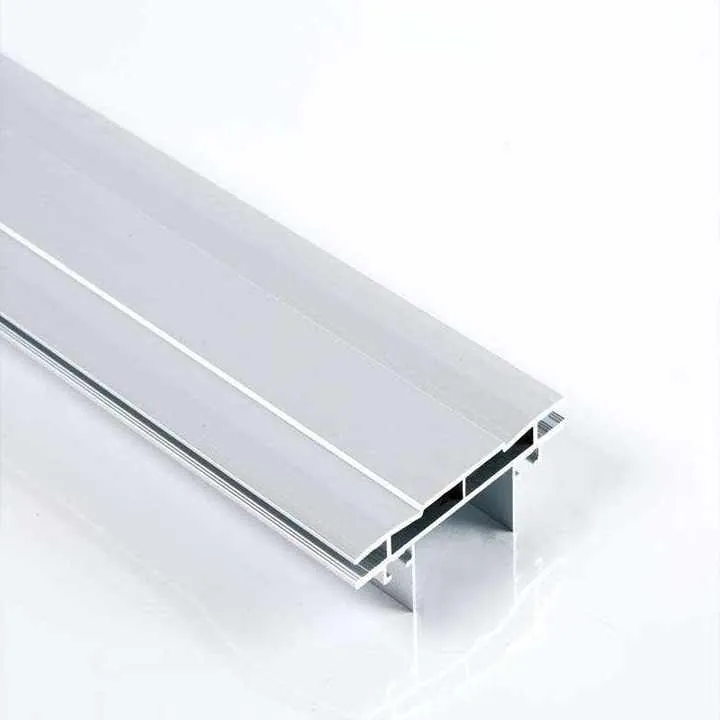
Aluminum extrusion suitable for high temperature use?
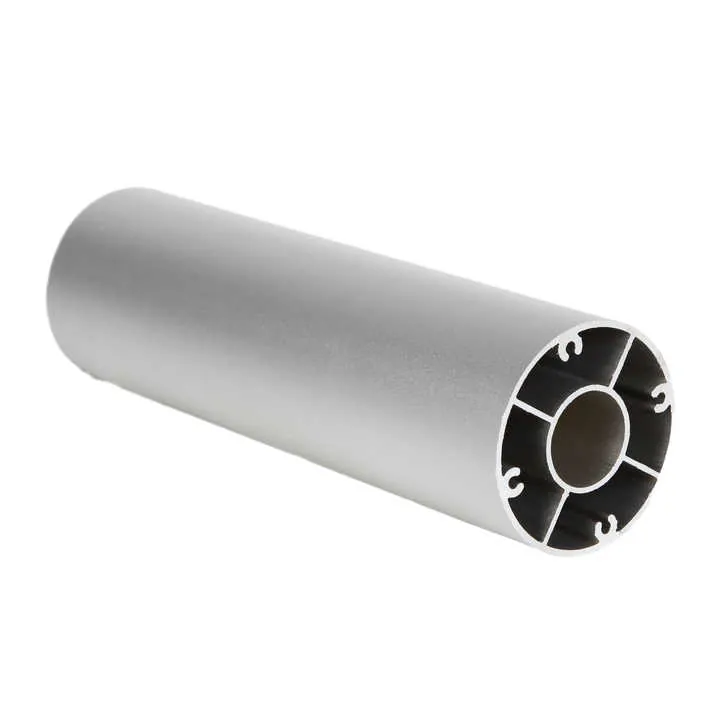
Hot conditions can warp aluminum parts and ruin structural integrity. That risk scares many designers and buyers.
Aluminum extrusions can work at high temperature if the right alloy and design are used, and if effects of heat and cycling are understood.
That means choices in alloy, coating, and design matter. I show which alloys handle heat, how dimensions shift, whether extrusions handle thermal cycling, and if coatings help.
Which alloys retain strength at elevated temperatures?
Hot climates or equipment heat can weaken soft alloys. That reduces load capacity and safety.
Some aluminum alloys — like 6061, 6005, 6082, and 6063 — keep reasonable strength up to around 150°C. For more heat, special alloys like 6060 or 6063‑T6 lose strength faster.

Aluminum does not behave like steel under heat. Its strength drops faster. For extrusions, the choice of alloy and temper decides how much load it can keep under high temperature.
Alloy strength vs temperature
Here is approximate data for common aluminum alloys under elevated temperature:
| Alloy | Temper | Approx usable temperature range (°C) | Strength retention at 150°C (%) |
|---|---|---|---|
| 6061-T6 | T6 | up to ~120°C | ~60–70% |
| 6005‑T6 | T6 | up to ~130°C | ~65% |
| 6082-T6 | T6 | up to ~130–140°C | ~65–70% |
| 6063-T6 | T6 | up to ~100–110°C | ~55–60% |
| 6060‑T6 | T6 | up to ~100°C | ~50–55% |
These values come from alloy datasheets and stress testing. Strength retention falls as temperature rises. For example, 6061‑T6 may hold about 70% of room‑temp yield strength at 150°C. Beyond 150–200°C, aluminum loses yield strength rapidly and becomes soft.
When designing extrusions for heat, pick alloy wisely. If structure sees sustained 120–140°C, 6005‑T6 or 6082‑T6 are safer than 6063‑T6. For occasional heat bursts, choose higher‑temperature alloy, heavier section, or add safety factor.
Also consider temper stability. T6 temper gives high strength at room temp, but weakens under heat fast. Alloys in O or T4 state keep more consistent but have lower base strength. For high‑temperature exposure, sometimes O‑tempered extrusions may perform more steadily — albeit weaker initially.
Finally consider creep. Aluminum under heat and stress can slowly deform over time. High‑temperature exposure over long periods can cause creep sag. To reduce that, design thicker walls, support points, or avoid high constant loads. So alloy choice and design should go hand in hand.
6082‑T6 aluminum extrusion retains more strength at 150°C than 6063‑T6.Echt
6082‑T6 has higher alloy strength and better high‑temperature retention compared to 6063‑T6, which loses strength faster.
All aluminum extrusions keep their original room‑temperature strength even under high heat.Vals
Aluminum strength decreases as temperature increases; many common alloys lose significant strength at elevated temperatures.
How does prolonged heat exposure affect dimensions?
Heat causes metal to expand. For aluminum extrusions, this means length and cross‑section change under sustained heat. Ignoring that can lead to misfit parts or structural strain.
Prolonged heat exposure makes aluminum expand and elongate. That expansion depends on temperature, alloy, and profile geometry. Extended exposure may also change shape slightly.

Thermal expansion basics in aluminum
Aluminum has a coefficient of linear thermal expansion around 23 × 10^-6 per °C. That means for each degree Celsius rise, a 1 meter extrusion grows about 0.023 mm. For a 100°C rise, that is about 2.3 mm per meter. For long profiles, that adds up.
If an extrusion is part of a frame or connected at both ends, this expansion causes bending stresses or buckling. Designers must allow clearance or expansion joints.
Table: Example length change under heat
| Original length (m) | Temperature increase (°C) | Length change (mm) |
|---|---|---|
| 1.0 | +50 | +1.15 |
| 2.0 | +75 | +3.45 |
| 3.0 | +100 | +6.9 |
| 5.0 | +100 | +11.5 |
That table shows how noticeable expansion can be for long sections. For a 5‑meter rail heated from 20°C to 120°C, length increases about 11.5 mm. If ends are fixed, that causes stress or warping.
Over time, sustained heat can cause thermal creep deformation. Under load and temperature, aluminum behaves slowly like plastic. That can warp structural parts, twist frames, or cause permanent elongation. Especially if temperature stays high for hours or days.
Also heat causes cross‑section size change. Round holes or slots may enlarge. Fit tolerances may fail. If parts bolt together, misalignment or stress can develop.
Designers must consider expansion in both length and section. Use slots, expansion joints, or flexible connectors. Make holes slightly oversized. Use alloy and temper that resist creep. Use thicker walls if load remains under heat.
Without such consideration, even correct alloy extrusions may fail function. So material, geometry, and joining method must fit thermal conditions.
A 5‑meter aluminum extrusion will expand by about 11.5 mm when heated by 100°C.Echt
With coefficient of expansion ~23×10^-6/°C, a 100°C rise causes about 11.5 mm extension on 5 m length.
Aluminum extrusions maintain original dimensions under long-term heat exposure without any deformation.Vals
Sustained heat under load causes expansion and possible thermal creep, leading to permanent deformation or dimension change.
Are extrusions stable in thermal cycling conditions?
Many applications involve repeated heating and cooling. That can stress aluminum through expansion and contraction. Without care, extrusions can crack, loosen, or fail.
Aluminum extrusions generally endure thermal cycles if design allows expansion and contraction. Stability depends on joints, load, and thermal delta.
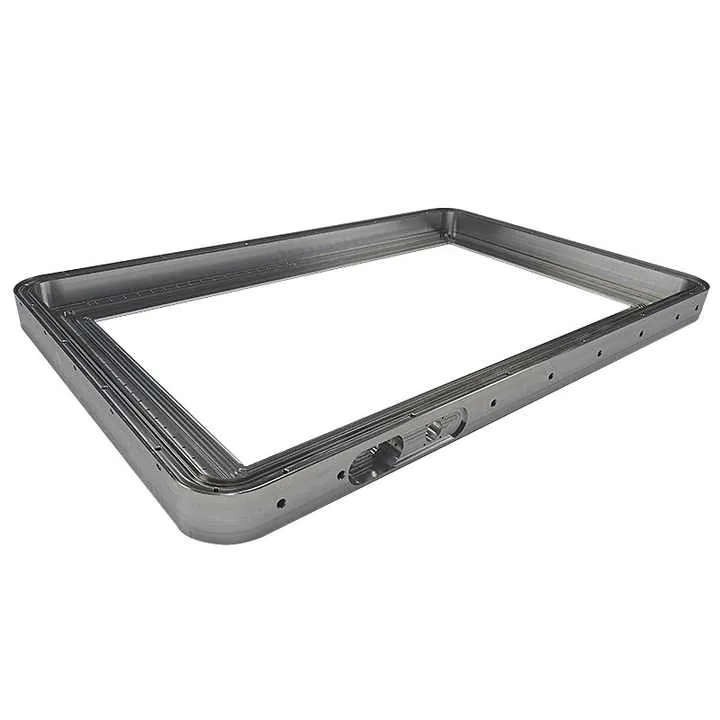
Effects of thermal cycling on extrusions
Thermal cycling causes repeated expansion and contraction. Metals expand when hot, contract when cool. Over cycles, joints and connections can loosen. Seals and fasteners may fatigue.
If extrusions are clamped rigidly at ends, cycles create alternating stress. Over many cycles, this can cause metal fatigue, warping, or cracking — especially in corners or thin walls. Also, repeated movement can damage coatings, exposing bare metal to corrosion.
Profiles with sharp corners or thin walls are more vulnerable. Interior stresses concentrate at bends or joints. Over time, micro‑cracks can form. Under load, those cracks may grow and lead to failure.
Fatigue due to thermal cycling is less than due to mechanical load, but still matters over many cycles. For example, a window frame in a desert environment may heat by 60°C during day and cool at night. Thousands of cycles over years can harm the structure.
Proper design avoids rigid fixing. Use sliding joints, slots, or flexible gaskets. Allow parts to move freely. Use thicker walls. Use stress‑relief alloy when possible. Limit heavy loads on cycling parts.
Also match coefficients if combining metals or plastics. Different materials expand differently. Using rigid rivets or mismatched parts causes stress concentration at interfaces. That often leads to joint failure.
Finally coatings matter. Powder coating or paint may crack under cycling if not flexible. That exposes metal. Use coatings rated for thermal cycles. Or use clear anodize for better thermal stability.
Design guidance for cycling conditions
- Provide expansion joints every few meters.
- Avoid rigid end clamping. Use slots or flexible fixing.
- Use alloys and temper suitable for moderate strength but good fatigue resistance (e.g. 6005‑T5, 6082‑T5).
- Avoid heavy static loads on parts that heat and cool often.
- Use flexible seals and fasteners that tolerate movement.
With good design and alloy choice, extrusions remain stable. With poor design, even good alloys can fail under many cycles.
Thermal cycling can cause fatigue and joint loosening in aluminum extrusions if they are rigidly fixed.Echt
Repeated expansion and contraction under rigid constraints leads to stress, causing joint loosening or fatigue cracks.
Aluminum extrusions are always stable under thermal cycling regardless of joint design.Vals
Without proper joint design or allowances for expansion, thermal cycling can cause fatigue, warping, or coating damage.
Can coatings improve high-temperature resistance?
Surface coatings are often thought cosmetic only. But good coatings can help extrusions survive heat and weather.
Yes. Certain coatings — powder coat, high‑temperature paint, ceramic or heat‑resistant coatings — can help protect aluminum surfaces from oxidation, corrosion and wear at elevated temperatures.

How coatings help under heat
Aluminum oxide protects base metal somewhat. A coating adds extra barrier against moisture, chemicals, and abrasion. For hot outdoor applications, coatings resist oxidation and slow corrosion at cut edges or scratches.
Some coatings are formulated for high‑temperature resistance. For example, silicone or polyester powders rated for 150–200°C remain stable without discoloration or brittleness. That helps when parts heat up under sun or machinery, but do not exceed coating limits.
Coatings also resist UV, salt spray, moisture. That helps structural integrity. If bare aluminum expands and contracts, coatings help prevent surface pitting or oxidation in cracks. That preserves dimensions and strength over time.
Coating limitations at high heat
However coatings have limits. Powder coated polyester may discolor or degrade if temperature exceeds its rating. Dark colors absorb more heat, increasing surface temperature beyond acceptable range. Paint may blister or peel if heat cycles beyond coating tolerance.
Heat can also soften adhesives or sealants used in coatings. That reduces adhesion. If base metal expands differently than coating, coating may crack. Once cracked, moisture reaches metal and corrosion starts under paint — undermining structural protection.
Thus, when specifying coatings for high‑temp use, check:
- Maximum service temperature of coating (e.g. 150°C)
- Color heat absorption (light colors handle heat better)
- Flexibility under thermal cycling
- Adhesion rating on aluminum
Recommended coating practices for high‑temp extrusions
- Use powders rated for at least 150°C continuous exposure.
- Prefer light or reflective colors to reduce heat absorption.
- For outdoor or hot‑machine parts, consider anodizing plus heat‑resistant powder on top.
- For critical applications, test coating under cycles before mass production.
Coatings help, but they do not make aluminum strong. They just protect surface. Core strength still depends on alloy and temper. But coatings do extend lifetime, resist corrosion, and improve durability under heat and weather.
High‑temperature rated powder coatings can help protect extruded aluminum surfaces in hot conditions.Echt
Such coatings add a barrier against oxidation and resist degradation at elevated but acceptable temperatures.
Any powder coating will protect aluminum from heat damage regardless of its temperature rating.Vals
Coatings must be rated for expected temperatures; coatings not rated for high heat may degrade, crack or lose adhesion.
Conclusie
Aluminum extrusions can work under high heat if alloy, design, and coatings match conditions. Proper alloy choice and allowance for thermal expansion or cycling keep structure safe. Coatings help preserve surface and resist corrosion under heat.