Normen voor het palletiseren van aluminium extrusies?

If you’re shipping aluminum extrusions, you know the importance of secure and stable palletizing. But what are the exact standards for aluminum extrusion palletizing?
Palletizing aluminum extrusions requires specific standards to ensure safe transport. This includes selecting the right pallet size, ensuring stability, and using proper wrapping methods for international shipments.
Understanding these requirements helps reduce the risk of damage during transportation. Let’s break down the essential palletizing standards for aluminum extrusions.
What pallet sizes are used for aluminum extrusions?
When transporting aluminum extrusions, choosing the correct pallet size is crucial. But with various types of extrusions, how do you know which size works best?
The most common pallet sizes for aluminum extrusions are 48" x 40" (1200mm x 1000mm). However, custom-sized pallets may be needed for larger or heavier profiles.

The correct pallet size is essential to avoid any damage during shipment. Standard sizes like 48" x 40" (1200mm x 1000mm) are commonly used for regular shipments, as they fit most aluminum extrusion profiles. However, larger or custom-sized pallets are required for larger or heavier profiles, such as those used in the construction or solar energy industries.
Here’s a quick comparison of common pallet sizes and their uses:
| Pallet Size (in inches) | Algemeen gebruik | Maximum Load Weight |
|---|---|---|
| 48" x 40" | Standard for smaller profiles | 2000 lbs |
| 48" x 45" | Used for medium-sized profiles | 3000 lbs |
| 48" x 48" | Common for heavy-duty profiles | 4000 lbs |
The importance of pallet size also comes from the need to balance the profile weight with pallet strength. When a pallet is too small for the load, the profile may shift, causing damage. On the other hand, overly large pallets can lead to wasted space and inefficiencies. Custom pallets can be designed specifically for certain profiles, but this adds cost to the transportation process.
Additionally, you need to account for height. Tall aluminum extrusions may require specially designed pallets to prevent profiles from toppling or becoming unstable. Custom pallets for specific profiles often include extra support beams or reinforced corners to ensure load stability.
Standard pallet sizes like 48\Echt
Common sizes, like 48\
Custom pallets are unnecessary for all aluminum extrusions.Vals
Heavy or oversized profiles require custom pallets for safety and stability.
How is profile stability ensured on pallets?
Ensuring the stability of aluminum profiles during transit is essential to avoid any bending or shifting. But how exactly can we secure profiles to the pallet?
Profile stability is achieved through various methods such as secure positioning, corner protectors, and proper wrapping techniques to prevent damage during handling.
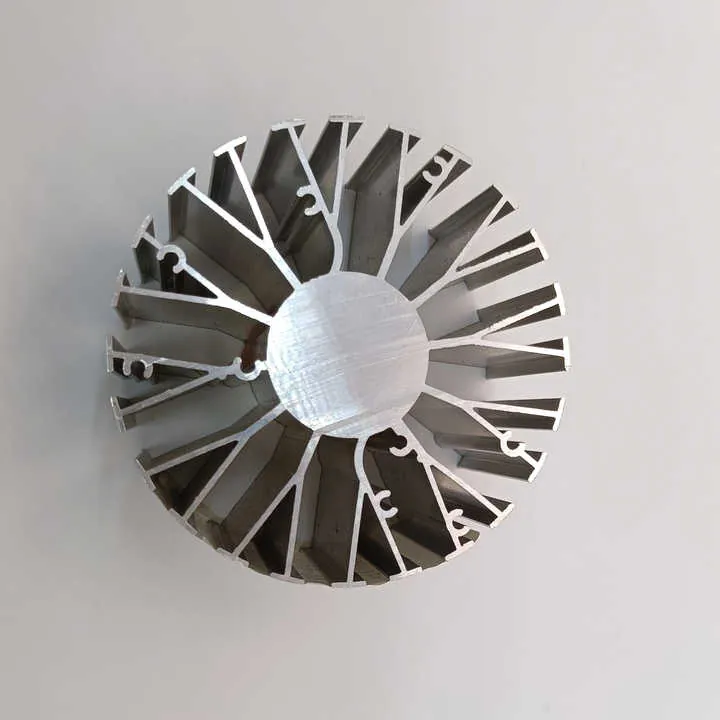
Profile stability during transport is critical, especially for aluminum extrusions, which can easily be bent or damaged. Stability is typically achieved through proper palletizing techniques that secure the profiles in place.
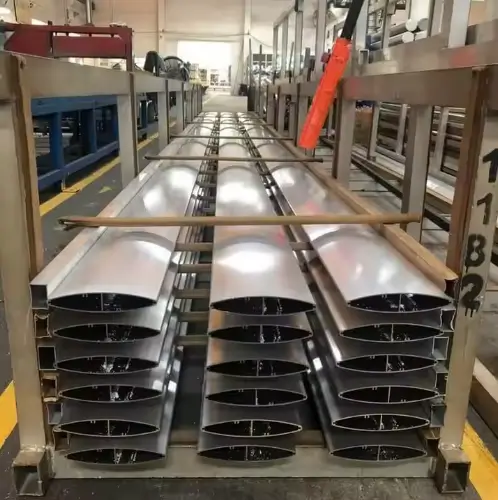
The first step is proper positioning on the pallet. Profiles are often stacked vertically, as this method reduces the risk of bending under weight. When profiles are stacked horizontally, the weight distribution can be uneven, which could lead to warping or bending during transit.
Spacers, corner protectors, and padding are also key to maintaining stability. Corner protectors prevent profiles from shifting and coming into contact with other items that may cause damage. Spacers, which are placed between layers of profiles, help distribute weight evenly. Padding, like foam or bubble wrap, is often placed between the profiles and around the edges to absorb shocks from handling.
Strapping or stretch film is commonly used to keep the profiles tightly bound to the pallet. Strapping provides extra support, ensuring that the load remains stable even if the pallet is moved or tilted. Stretch film is used to wrap the entire pallet, creating a tight, secure layer around the profiles. This is especially important for aluminum profiles, which are often long and can be prone to movement during shipping.
For heavier or longer profiles, extra reinforcement may be needed. Some manufacturers use reinforced pallets with additional support beams to ensure the profiles do not shift during transport.
Profile stability is maintained with corner protectors and proper strapping.Echt
Corner protectors and strapping ensure profiles stay secure during shipping.
Profiles are always stacked horizontally to save space.Vals
Profiles are generally stacked vertically for better weight distribution and stability.
Are stretch films or straps preferred in palletizing?
Both stretch films and straps are often used in palletizing aluminum extrusions, but which one should you choose for optimal security during transport?
Stretch films and straps are both essential in aluminum extrusion palletizing, but a combination of both is often the best solution to ensure the load is stable and secure.
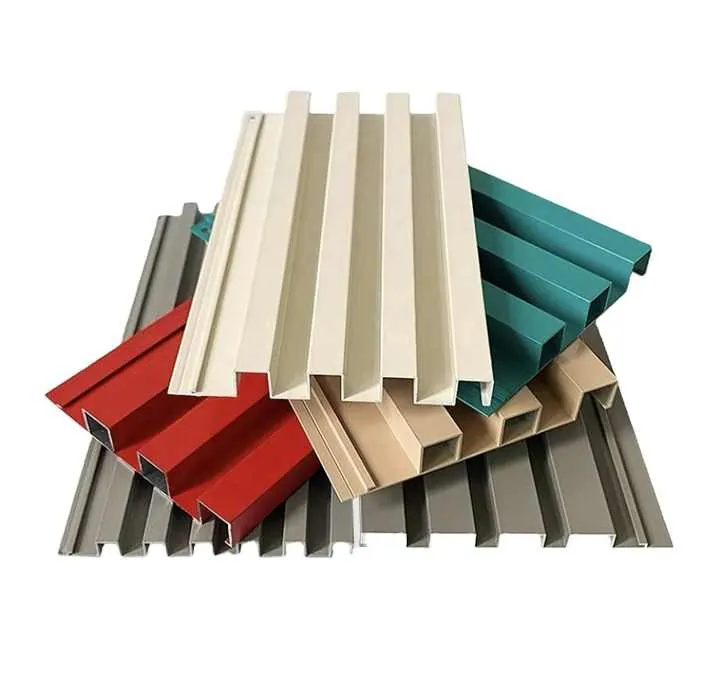
In palletizing aluminum extrusions, both stretch films and straps serve important roles in securing the load. While both are effective on their own, using them together is usually the best practice for achieving maximum stability.
Stretch film is most often used to wrap the entire pallet. It creates a tight, secure bond around the profiles, which prevents them from shifting during transport. Stretch film is elastic, meaning it can stretch around irregular shapes and adapt to the size of the load. The film provides a protective barrier against dust, moisture, and dirt, which helps keep the aluminum profiles clean during shipment.
Straps, on the other hand, are used to bind the profiles tightly to the pallet. They provide extra stability by holding the load in place, even if the pallet is subjected to rough handling. Straps are particularly important when dealing with heavy-duty or oversized profiles, as they add a layer of security that stretch film alone cannot provide.
In some cases, strapping may also be used to secure individual profiles, especially when transporting multiple smaller profiles or fragile items. Strapping can also be used to secure layers of profiles on a pallet, preventing them from sliding or shifting during transit.
The combination of stretch film and straps ensures the aluminum profiles are held firmly in place while reducing the risk of damage. The key is to ensure that the stretch film is applied tightly and evenly, and the straps are tightened without causing damage to the profiles.
Stretch film provides a protective layer against dirt and moisture.Echt
Stretch film acts as a barrier to protect aluminum profiles from external elements.
Straps are unnecessary when using stretch film.Vals
Straps are often used with stretch film for added stability, especially for heavy-duty profiles.
Do international shipments require special pallets?
International shipments often require specific pallet standards. But do these pallets differ when shipping aluminum extrusions?
Yes, international shipments may require pallets that meet international standards, such as ISPM 15, which governs the treatment of wooden pallets to prevent pest contamination.
When shipping aluminum extrusions internationally, it’s crucial to adhere to various international pallet standards. One of the most important regulations is the ISPM 15 standard, which applies to wooden pallets. This standard ensures that wooden pallets are treated to prevent the spread of pests and diseases between countries.
ISPM 15 requires wooden pallets to undergo heat treatment or fumigation to kill any insects or larvae that might be present in the wood. Once treated, the pallets are stamped with a certification mark to indicate compliance with the standard. This is important to prevent the spread of pests, which could lead to serious ecological and agricultural damage in the importing country.
However, the use of wooden pallets is not always mandatory. In some cases, aluminum, plastic, or other materials can be used to meet international shipping requirements. These alternative pallets are often more durable and may be preferable for heavy-duty aluminum extrusion shipments. They also do not require the same treatments as wooden pallets, making them a simpler and more sustainable option for international shipments.
Another important consideration is the size and weight limitations imposed by some countries. Different regions may have specific requirements for pallet dimensions and weight restrictions. For example, pallets in the European Union may need to meet specific size requirements, while pallets in the United States may have different regulations.
Finally, when shipping internationally, it’s essential to ensure that all packaging is sturdy enough to withstand long-distance travel and handling. This means ensuring that the profiles are securely fastened, wrapped, and protected from damage during transit.
International shipments often require ISPM 15 compliant pallets.Echt
ISPM 15 ensures wooden pallets are free from pests and disease, meeting international standards.
International pallets must always be made of wood.Vals
Plastic and aluminum pallets can also be used for international shipments, avoiding ISPM 15 regulations.
Conclusie
To ensure safe and efficient shipping of aluminum extrusions, selecting the correct pallet size, securing the profiles properly, and using the right wrapping methods are essential. By adhering to these standards, you can avoid damage during transport and ensure your shipments arrive safely.