Maximale wanddikte van aluminium extrusie?
Dunne wanden barsten. Dikke muren koelen niet af. Veel kopers gissen naar grenzen en betalen voor fouten. Deze vraag veroorzaakt vertragingen, uitval en herontwerp van verschillende projecten.
De veilige maximale wanddikte bij aluminiumextrusie hangt af van de legering, de perscapaciteit, de profielgrootte en de koeling. Er is geen eenduidig getal. Praktische grenzen komen meestal voort uit de balans tussen metaalstroom en perskracht, niet uit de bedoeling van het ontwerp.
Dit onderwerp is belangrijk omdat de wanddikte de sterkte, de kosten, de levensduur van het gereedschap en de levertijd bepaalt. Zodra de dikte een veilig bereik overschrijdt, wordt extrusie onstabiel. Inzicht in de werkelijke grenzen helpt herontwerpen en verborgen kosten te voorkomen.
Wat bepaalt de veilige maximale wanddikte?

Te dik lijkt veilig, maar brengt verborgen risico's met zich mee. Ontwerpers vergroten vaak de dikte om sterker te worden, maar extrusiefouten komen nog steeds voor. De reden is niet de sterkte, maar de procesbeperkingen.
Veilige maximale wanddikte wordt bepaald door de stabiliteit van de metaalstroom, warmteafvoer en perskracht tijdens extrusie, niet alleen door structurele noodzaak.
Wanddikte bij extrusie is niet alleen een geometrische keuze. Het verandert direct hoe aluminium door de matrijs stroomt. Naarmate de dikte toeneemt, neemt de weerstand toe. Het metaal heeft meer kracht nodig om te bewegen. Op een gegeven moment kan de pers niet meer gelijkmatig persen. Dit veroorzaakt oppervlaktescheuren, interne barsten of ongevulde delen.
Metalen stroombalans
Aluminium gedraagt zich als een dikke vloeistof onder druk. Dunne wanden zorgen voor een snellere stroming. Dikke wanden vertragen de stroming. Als het ene gedeelte sneller stroomt dan het andere, ontstaan er defecten. Een hele dikke wand naast een dunner gedeelte zorgt voor onbalans. Het dikke gedeelte kan achterblijven, terwijl het dunne gedeelte oververhit raakt.
Warmteopbouw en koeling
Extrusie creëert warmte door wrijving en vervorming. Dikke wanden houden warmte langer vast. De afkoeling wordt ongelijkmatig. Als de kern heet blijft terwijl het oppervlak afkoelt, ontstaat er interne spanning. Dit kan leiden tot buigen na extrusie of barsten tijdens veroudering.
Praktische diktebereiken
Uit productie-ervaring blijkt dat er gemeenschappelijke veilige bereiken zijn voor alle persen:
| Profiel Grootteklasse | Typische veilige maximum wanddikte |
|---|---|
| Kleine profielen | 8 mm tot 12 mm |
| Medium profielen | 12 mm tot 20 mm |
| Grote profielen | 20 mm tot 35 mm |
Dit zijn geen absolute grenzen. Ze zijn afhankelijk van de legering, de perscapaciteit en het matrijsontwerp. Sommige projecten gaan verder dan 40 mm, maar daarvoor zijn speciale matrijzen en lage snelheden nodig.
Sterven leven en risico
Zeer dikke wanden verhogen de spanning op de matrijs. De lagerlengte moet toenemen om de stroming onder controle te houden. Dit verhoogt de wrijving en slijtage. Het risico op matrijsdefecten neemt sterk toe voorbij de gebruikelijke diktebereiken.
De veilige maximale wanddikte wordt vooral beperkt door de stabiliteit van het extrusieproces en niet zozeer door de structurele sterkte.Echt
Extrusielimieten komen voort uit de metaalstroom, warmtebeheersing en perskracht, niet alleen uit de sterkte van het uiteindelijke onderdeel.
Elke aluminium extrusiepers kan veilig wanden van meer dan 50 mm extruderen als de snelheid wordt verlaagd.Vals
Perscapaciteit, billetgrootte en matrijssterkte maken een dergelijke dikte vaak onmogelijk of onstabiel.
Welke invloed heeft de legering op de toelaatbare dikte?

Veel kopers negeren de keuze van de legering bij het instellen van de wanddikte. Dit leidt tot gebarsten profielen of trage productie. De keuze van de legering verandert direct hoe dik een wand veilig geëxtrudeerd kan worden.
Zachtere legeringen maken dikkere wanden mogelijk, terwijl sterkere legeringen de toegestane dikte verminderen door hogere vloeispanning en warmtegevoeligheid.
Verschillende aluminiumlegeringen gedragen zich heel verschillend onder druk. Het belangrijkste verschil komt door vloeispanning. Legeringen met een hogere sterkte weerstaan vervorming. Dit verhoogt de extrusiekracht en warmte.
Gebruikelijke extrusie-legeringen
De meest gebruikte legeringen voor extrusie zijn 6063, 6061 en 6005. Hun diktegedrag verschilt.
| Alloy | Stroomgedrag | Typische Maximum Dikte | Opmerkingen |
|---|---|---|---|
| 6063 | Zeer zacht | Tot 30-35 mm | Het beste voor dikke en complexe vormen |
| 6061 | Medium | 20-25 mm | Hogere sterkte, meer kracht nodig |
| 6005 | Middelhoog | 18-22 mm | Stijver, minder vergevingsgezind |
| 7075 | Zeer hard | Vaak <15 mm | Zeldzaam voor extrusie |
6063 vloeit soepel. Het verdraagt dikke wanden en complexe vormen. Daarom wordt het vaak gebruikt in architecturale en grote holle profielen. 6061 is sterker maar minder vergevingsgezind. Dikke wanden in 6061 vereisen vaak een lagere snelheid en een hogere billettemperatuur.
Risico op hitte en barsten
Sterkere legeringen genereren meer warmte. Dikke wanden houden deze warmte vast. Dit verhoogt het risico op warmscheuren bij de matrijsuitgang. Zelfs als de extrusie slaagt, kan het afschrikken ongelijkmatig verlopen.
Invloed op kosten en doorlooptijd
Dikkere wanden in harde legeringen verlagen de snelheid. Dit verhoogt de kosten. Het verhoogt ook het risico op uitval. Veel projecten schakelen over op 6063 voor dikke secties en voegen dan sterkte toe door ontwerp in plaats van legering.
Legering en diktekoppeling
Een veilig ontwerp begint met het afstemmen van de legering op de dikte. Als de dikte hoog moet zijn, moet de legering zacht zijn. Als sterkte nodig is, moet de dikte matig blijven.
Zachtere aluminiumlegeringen zoals 6063 maken dikkere extrusiewanden mogelijk met een lager risico op defecten.Echt
Door de lagere vloeispanning is extrusie met dikke wanden stabieler en gemakkelijker te controleren.
Het gebruik van een sterkere legering maakt altijd dikkere wanden mogelijk vanwege de hogere materiaalsterkte.Vals
Sterkere legeringen weerstaan vloei en verhogen de extrusiekracht, wat de toegestane wanddikte beperkt.
Kan extrusie een uniforme dikte handhaven op lange profielen?
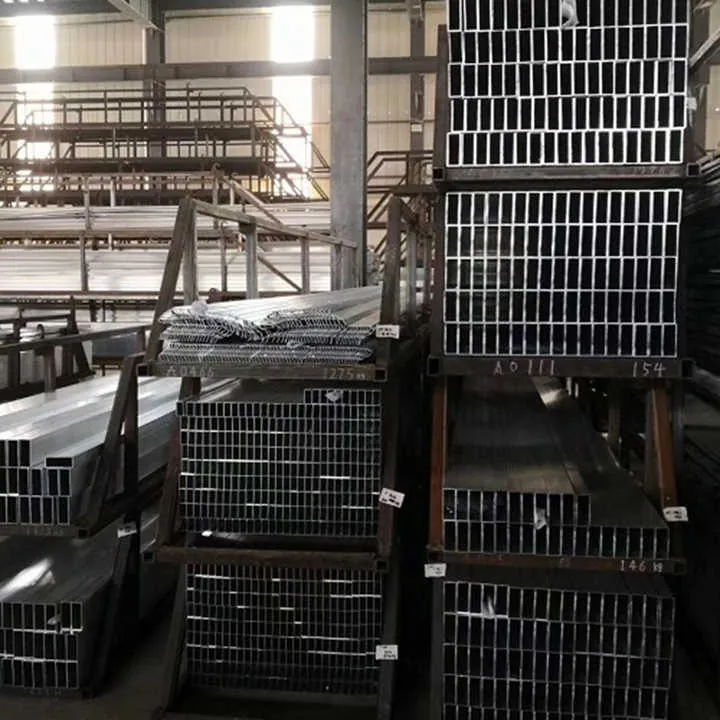
Lange profielen zien er op tekeningen eenvoudig uit, maar in de productie komt vaak diktevariatie voor. Kopers verwachten uniforme wanden van eind tot eind. De werkelijkheid is complexer.
Een uniforme dikte op lange extrusies is mogelijk, maar dat hangt af van de matrijsbalans, de temperatuurregeling en de stabiliteit van de trekker.
Lengte verhoogt de blootstelling aan procesdrift. Kleine veranderingen in temperatuur of snelheid stapelen zich op over meters.
Matrijsbalans over lengte
De balans van de matrijs regelt de stroming aan het begin, maar de lengte introduceert nieuwe factoren. Naarmate de extrusie vordert, verandert de billettemperatuur. De container en de matrijs worden warmer. Hierdoor verandert de metaalstroom. Als de matrijs niet ontworpen is voor stabiele omstandigheden, kan de dikte afwijken.
Effecten van trekker en uitlooptafel
Lange profielen zijn afhankelijk van trekkers om de lengte te ondersteunen. Ongelijke trekkracht kan dunne profielen meer uitrekken dan dikke. Dit veroorzaakt diktevariatie. Een stabiele trekkeropstelling is cruciaal voor uniforme wanden.
Koelconsistentie
De koeling moet gelijkmatig over de lengte zijn. Dikke wanden koelen langzamer. Als de koelventilatoren of de waternevel ongelijkmatig zijn, kan de wanddikte consistent lijken maar varieert de interne spanning.
Tolerantieverwachtingen
Uniform betekent niet perfect. Diktetoleranties zijn afhankelijk van de maat:
| Profiel lengte | Typische diktetolerantie |
|---|---|
| <3 meter | +/- 0,15 mm |
| 3-6 meter | +/- 0,20 mm |
| >6 meter | +/- 0,25 mm of meer |
Langere profielen vereisen lossere toleranties. Proberen om strakke toleranties te forceren verhoogt het uitvalpercentage.
Ontwerptips
Vermijd plotselinge dikteveranderingen. Houd overgangen geleidelijk. Breng wanden waar mogelijk symmetrisch in balans. Dit vermindert de variatie in de lengte.
Om een uniforme wanddikte te behouden bij lange extrusies, zijn een stabiele matrijsbalans en consistente koeling nodig.Echt
Lengte verhoogt de gevoeligheid voor warmte en stromingsveranderingen, dus regelsystemen zijn belangrijker.
Profiellengte heeft geen invloed op de uniformiteit van de wanddikte als de matrijs juist is.Vals
Langere lengtes versterken de effecten van temperatuur en trekkracht, die de dikte beïnvloeden.
Welke machinecapaciteit beperkt de wanddikte?
Ontwerpers vragen vaak om dikke wanden zonder de persmaat te kennen. Dit leidt tot afgekeurde tekeningen of hoge offertes. De machinecapaciteit stelt harde grenzen.
Het tonnage van de extrusiepers, de diameter van de staaf en de grootte van de verpakking beperken rechtstreeks de maximale wanddikte.
Elke extrusiepers heeft een krachtlimiet. Dikke wanden verhogen de weerstand. Op een gegeven moment overschrijdt de vraag naar kracht de perscapaciteit.
Pers tonnage
Het tonnage bepaalt hoeveel kracht er op de staaf wordt uitgeoefend. Een hogere tonnage maakt dikkere wanden en grotere profielen mogelijk. Een kleine pers kan dunne vormen aan, maar faalt bij dikke vaste stoffen.
Algemene relatie:
- Meer dikte = meer kracht
- Meer breedte = meer kracht
- Hardere legering = meer kracht
Billet diameter
Grotere knuppels voeren meer metaal aan. Dit helpt bij het vullen van dikke secties. Kleine knuppels hebben moeite met dikke wanden omdat de metaaltoevoer beperkt is. Dit veroorzaakt onvolledig vullen of oppervlaktedefecten.
Sterkte van containers en matrijzen
Dikke wanden vereisen sterkere matrijzen. De lengte van het lager neemt toe. Dit verhoogt de spanning op de matrijs. Oudere persen of kleine containers kunnen zulke matrijzen niet veilig dragen.
Typische perscapaciteiten
| Pers Tonnage | Praktische maximale wanddikte |
|---|---|
| 800-1200 ton | 10-15 mm |
| 1600-2500 ton | 20-25 mm |
| 3000-4500 ton | 30-40 mm |
Deze waarden gaan uit van gewone legeringen zoals 6063. Hardere legeringen verlagen de limieten.
Snelheid
Zelfs als een pers dikke wanden kan extruderen, daalt de snelheid. Een lage snelheid verlaagt de productie en verhoogt de kosten. Veel fabrieken geven de voorkeur aan het herontwerpen van profielen in plaats van de limieten van de pers te verleggen.