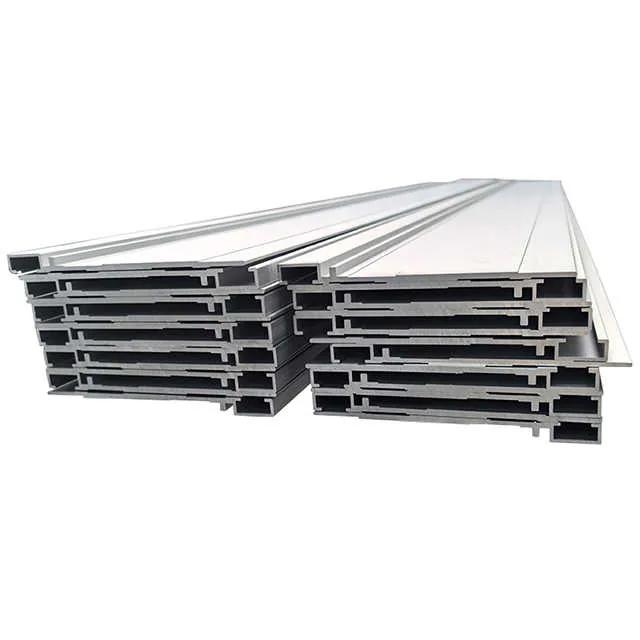
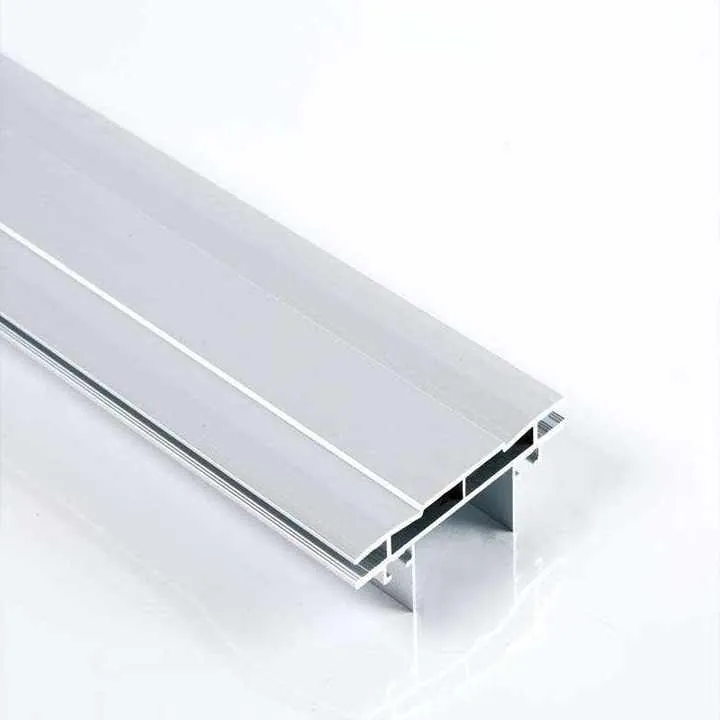
Standaardwanddikteopties voor aluminium extrusie?
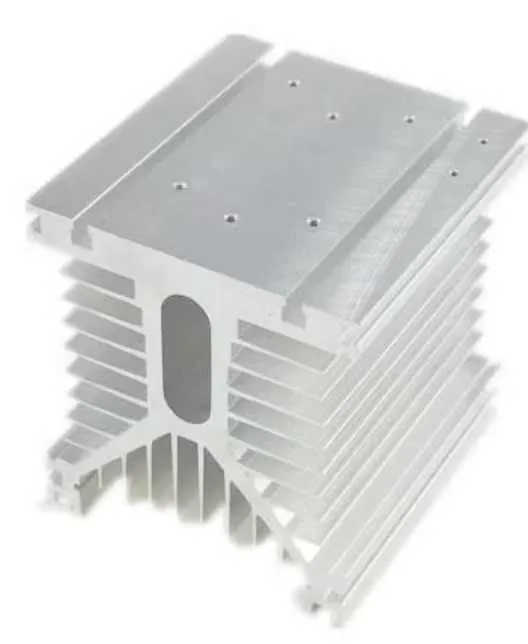
Veel kopers worstelen met beslissingen over wanddikte. Te dun voelt riskant. Te dik verspilt kosten en gewicht. Deze verwarring leidt vaak tot vertragingen bij tekeningen en RFQ's.
Er bestaan standaard wanddiktes omdat extrusie een evenwicht vindt tussen sterkte, vloei, kosten en opbrengst. De meeste profielen vallen binnen herhaalbare diktebereiken die door de productierealiteit zijn bewezen.
Inzicht in deze bereiken helpt inkopers om duidelijk te praten met technici en leveranciers en om herontwerplussen te voorkomen.
Welke wanddiktes worden als standaard beschouwd bij extrusie?

Dunne muren besparen materiaal, maar verhogen het risico. Dikke wanden voelen veilig aan, maar ze verhogen de kosten en kunnen defecten veroorzaken. Standaard wanddiktes zitten tussen deze uitersten in.
De meeste aluminium extrusies gebruiken wanddiktes tussen 1,0 mm en 6,0 mm, waarbij 1,5 mm tot 3,0 mm het meest gangbare bereik is voor een stabiele productie met een hoog rendement.
Dit bereik is er niet voor niets. Het weerspiegelt het vloeigedrag van het metaal, de sterkte van de matrijs, de perscapaciteit en de kostenbeheersing.
Waarom er überhaupt standaarden bestaan
Extruderen gaat niet alleen over vorm. Het gaat erom hoe het aluminium door de matrijs stroomt. Hele dunne wanden beperken de doorstroming en verhogen de druk. Hele dikke wanden vertragen de koeling en verlagen de productiviteit.
Na verloop van tijd heeft de industrie praktische limieten vastgesteld die werken bij veel persen en legeringen.
Standaard diktebanden
In de dagelijkse productie wordt de wanddikte meestal geclusterd in een paar banden.
| Wanddiktebereik | Typische status | Opmerkingen |
|---|---|---|
| 0,8 tot 1,2 mm | Dunne wand | Mogelijk met beperkingen, hoger schrootrisico |
| 1,5 tot 2,0 mm | Zeer vaak | Stabiele stroom, goede kostenbalans |
| 2,0 tot 3,0 mm | Meest voorkomend | Sterk, vergevingsgezind, eenvoudige bewerking |
| 3,0 tot 4,0 mm | Medium dik | Structureel gevoel, hoger gewicht |
| 4,0 tot 6,0 mm | Dikke wand | Gebruikt voor belasting of bewerking |
| Boven 6,0 mm | Zeer dik | Speciale gevallen, laag rendement |
Dunne wand realiteit
Dunne muren trekken ontwerpers aan. Ze verminderen gewicht en zien er modern uit. Onder 1,2 mm neemt de extrusiestabiliteit echter snel af.
Problemen die vaak voorkomen:
- Ongelijkmatige stroming veroorzaakt draaiing of buiging
- Hoger schroot bij opstarten
- Gevoelige matrijsslijtage
- Beperkte keuze in legeringen
Dunne wanden zijn mogelijk, maar ze vereisen een strakkere controle. Ze verhogen ook de kosten per eenheid, zelfs als het materiaalgewicht daalt.
De veilige middenweg
Uit ervaring weten we dat 1,8 mm tot 2,5 mm een goede plek is. Veel architecturale, industriële en systeemprofielen bevinden zich hier.
Dit bereik maakt het mogelijk:
- Stabiele stroom
- Normale perssnelheid
- Eenvoudig rechttrekken
- Betrouwbare oppervlaktekwaliteit
- Flexibele afwerking
Als kopers om “standaard” vragen, bedoelen ze dit meestal, zelfs als ze het getal niet noemen.
Dikke muren zijn niet altijd veiliger
Dikker gaan dan nodig is, verbetert niet altijd de prestaties. Dikke muren kunnen:
- Interne stress verhogen
- Koelsnelheid verlagen
- Extrusiekosten per meter verhogen
- Verspilling van bewerkingstijd later
De standaardpraktijk is om alleen dikker te maken waar de belasting of bewerking dit vereist, niet overal.
De meeste standaard aluminium extrusies gebruiken wanddiktes tussen 1,5 mm en 3,0 mm omdat in dit bereik een balans is tussen vloeistabiliteit, kosten en sterkte.Echt
Dit assortiment maakt een stabiele metaalstroom, een goede opbrengst en flexibele afwerking mogelijk voor vele persen en legeringen.
Wanddiktes onder 1,0 mm zijn altijd gemakkelijk en goedkoop te extruderen.Vals
Zeer dunne wanden verhogen de druk, het risico op uitval en de gevoeligheid voor gereedschap, waardoor de kosten vaak hoger worden in plaats van lager.
Hoe beïnvloeden verschillende toepassingen de keuze van wandafmetingen?

De toepassing bepaalt meer de wanddikte dan de theorie. Een tekening die de gebruiksomstandigheden negeert, komt vaak terug voor revisie.
Verschillende toepassingen beïnvloeden de keuze van de wanddikte omdat elke toepassing een andere balans vindt tussen belasting, duurzaamheid, montagemethode en kosten.
Architecturale toepassingen
Architectuur hecht waarde aan uiterlijk, corrosiebestendigheid en systeempassing.
Typische wanddikte:
- Ramen en deuren: 1,2 tot 1,8 mm
- Randen voor gordijngevels: 2,0 tot 3,0 mm
- Lamellen en zonwering: 1,0 tot 2,0 mm
Waarom deze bereiken werken:
- Profielen vertrouwen op systeemgeometrie, niet alleen wanddikte, voor sterkte
- Grote volumes belonen stabiele, herhaalbare extrusie
- Afwerkingen zoals anodiseren geven de voorkeur aan een gelijkmatige wandverdeling
Dunne wanden komen vaak voor, maar ze worden ondersteund door kamers, ribben en diepte.
Frames voor industrie en machines
Industriële systemen hechten waarde aan stijfheid, herhaalbaarheid en eenvoudige montage.
Typische wanddikte:
- Machineframes: 2,0 tot 3,0 mm
- Afscherming en afdekkingen: 1,5 tot 2,0 mm
- Transportbanden en rails: 2,0 tot 4,0 mm
Hier zijn de muren dikker omdat:
- Profielen voor boutbelastingen
- CNC-bewerking is gebruikelijk
- Profielen worden hergebruikt op vele machines
Een iets dikkere wand vermindert het strippen van schroefdraad en vervorming.
Vervoer en auto's
Vervoer richt zich op gewichtsbeheersing, crashgedrag en integratie.
Typische wanddikte:
- Structurele balken: 2,0 tot 4,0 mm
- Batterijhouders: 2,5 tot 4,0 mm
- Interne steunen: 1,5 tot 2,5 mm
Ontwerpers variëren vaak de dikte binnen één profiel. Dunne wanden verminderen massa. Dikke profielen verwerken de belasting.
Elektronica en thermische
Elektronica heeft warmteafvoer en dimensionale controle nodig.
Typische wanddikte:
- Koellichamen: 1,5 tot 3,0 mm lameldikte
- Behuizingen: 1,2 tot 2,0 mm
- LED profielen: 1,0 tot 1,8 mm
Zeer dunne vinnen zijn mogelijk, maar alleen met bepaalde legeringen en strikte matrijscontrole.
Structuren voor hernieuwbare energie
Hernieuwbare systemen geven voorrang aan de levensduur buitenshuis en snelle montage.
Typische wanddikte:
- Solarrails: 1,8 tot 2,5 mm
- Montageframes: 2,0 tot 3,0 mm
- Behuizingen omvormer: 1,5 tot 2,5 mm
Deze profielen moeten wind, sneeuw en corrosie tientallen jaren overleven. Iets dikkere muren verminderen het risico op lange termijn.
Een eenvoudige applicatievergelijking
| Toepassing | Gebruikelijke wanddikte | Belangrijkste reden |
|---|---|---|
| Architectuur | 1,2 tot 3,0 mm | Balans uiterlijk, kracht, kosten |
| Industrieel | 2,0 tot 4,0 mm | Stijfheid en bewerking |
| Vervoer | 1,5 tot 4,0 mm | Gewicht en belastingstrajecten |
| Elektronica | 1,0 tot 3,0 mm | Thermisch en nauwkeurig |
| Hernieuwbare energie | 1,8 tot 3,0 mm | Duurzaamheid buiten |
In de praktijk bepaalt de keuze van de toepassing een bereik. Dan beperken legering, persgrootte en afwerking het verder.
Toepassingsvereisten hebben een grote invloed op de wanddikte van extrusies omdat de belasting, montage en duurzaamheidsvereisten per toepassing verschillen.Echt
Elke toepassing maakt een andere afweging tussen sterkte, gewicht, kosten en verwerking, wat leidt tot verschillende standaarddiktes.
Alle aluminium extrusietoepassingen moeten dezelfde wanddikte gebruiken om de productie te vereenvoudigen.Vals
Het gebruik van één dikte negeert de belasting, assemblage en prestatiebehoeften en verhoogt vaak de kosten of het risico op defecten.
Zijn er diktebereiken voor specifieke soorten legeringen?
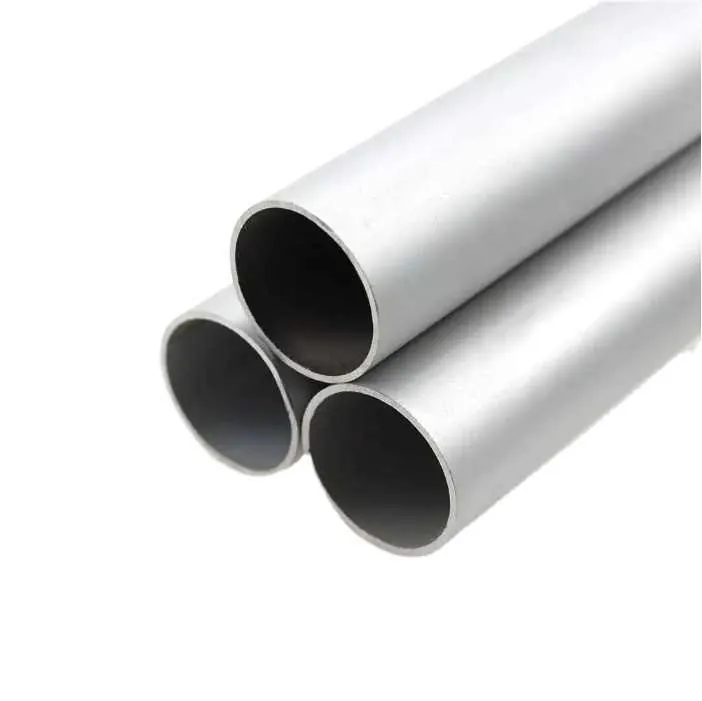
Legeringen gedragen zich anders tijdens extrusie. Dit negeren leidt tot een onstabiele vloei of slechte oppervlaktekwaliteit.
Ja, verschillende aluminiumlegeringen hebben praktische wanddiktes omdat sterkte, vloeispanning en vervormbaarheid per legeringsfamilie verschillen.
Waarom legering belangrijk is
Tijdens extrusie moet aluminium door smalle matrijsopeningen stromen. Zachtere legeringen vloeien gemakkelijker. Sterkere legeringen weerstaan het vloeien.
Dit is van invloed op:
- Minimaal haalbare wanddikte
- Kwaliteit oppervlakteafwerking
- Druk op snelheid
- Die leven
Gemeenschappelijke legeringsfamilies en diktegedrag
6xxx-serie (6063, 6061)
Dit is de meest voorkomende extrusiefamilie.
Typische wanddikte:
- Minimaal praktisch: 0,8 tot 1,0 mm
- Gewoon bereik: 1,5 tot 3,0 mm
- Bovenste praktisch: 6,0 mm en hoger
6063 vloeit gemakkelijk en geeft een goede oppervlakteafwerking. Het ondersteunt dunne wanden beter dan veel legeringen.
6061 is sterker maar vloeit minder gemakkelijk. Het heeft liever iets dikkere wanden.
5xxx serie
Deze legeringen hebben een goede corrosiebestendigheid en sterkte.
Typische wanddikte:
- Minimaal praktisch: 1,5 mm
- Gangbaar bereik: 2,0 tot 4,0 mm
Ze bieden meer weerstand tegen vloeien dan 6063, dus dunne wanden zijn moeilijker.
7xxx serie
Zeer sterk, maar moeilijk te extruderen.
Typische wanddikte:
- Minimaal praktisch: 2,0 tot 2,5 mm
- Gangbaar bereik: 3,0 mm en hoger
Dunne wanden zijn riskant en duur met deze legeringen.
Afwegingen tussen legering en dikte
Als je een sterkere legering kiest, zijn dunnere wanden niet altijd mogelijk. Vaak gebeurt het tegenovergestelde.
Een ontwerper kan ervan uitgaan dat een hogere sterkte dunnere wanden mogelijk maakt. Bij extrusie betekent hogere sterkte vaak:
- Hogere druk
- Lagere snelheid
- Meer schroot
Dit kan theoretische voordelen tenietdoen.
Praktische legeringstips
| Type legering | Dunne wand vermogen | Kostenstabiliteit | Typische toepassingen |
|---|---|---|---|
| 6063 | Zeer goed | Hoog | Architectuur, systemen |
| 6061 | Goed | Medium | Constructief, machinale bewerking |
| 5xxx | Matig | Medium | Zee, transport |
| 7xxx | Laag | Laag | Onderdelen met hoge sterkte |
Een gebalanceerd ontwerp gebruikt vaak 6063 of 6061 in een standaarddikte en voegt dan geometrie toe voor sterkte in plaats van de legering te veranderen.
Verschillende aluminiumlegeringen ondersteunen verschillende praktische wanddiktebereiken door variaties in vloei en sterkte.Echt
Zachtere legeringen zoals 6063 kunnen dunnere wanden aan, terwijl sterkere legeringen vaak dikkere secties nodig hebben voor stabiele extrusie.
Het gebruik van een sterkere legering maakt altijd dunnere extrusiewanden mogelijk zonder productierisico.Vals
Legeringen met een hogere sterkte vloeien vaak slechter en kunnen dikkere wanden nodig hebben om stabiliteit en oppervlaktekwaliteit te behouden.
Kan gereedschap worden gedeeld voor verschillende wanddiktes?

De gereedschapskosten zijn een grote zorg. Kopers vragen vaak of één matrijs geschikt is voor meerdere wandopties.
Gereedschap kan soms worden gedeeld voor vergelijkbare wanddiktes, maar voor zinvolle veranderingen in dikte zijn meestal nieuwe matrijzen nodig om de kwaliteit en het rendement te beschermen.
Waarom gereedschap dikspecifiek is
Een extrusiematrijs regelt de metaalstroom. De wanddikte is van invloed:
- Lagerlengte
- Stromingsbalans
- Drukverdeling
- Spanning
Een matrijs die ontworpen is voor 2,0 mm wanden zal zich niet hetzelfde gedragen bij 3,0 mm.
Wanneer delen mogelijk is
In beperkte gevallen zijn kleine aanpassingen mogelijk.
Voorbeelden:
- 2,0 mm tot 2,2 mm met kleine lagerveranderingen
- Kleine plaatselijke verdikking voor bewerkingspads
- Profielen met brede stromingsmarges
Deze gevallen vereisen nog steeds technische beoordeling.
Wanneer delen riskant is
Gereedschap mag niet worden gedeeld wanneer:
- Dikteverandering groter dan 15 tot 20 procent
- Profiel heeft al dunne en dikke secties
- Nauwe toleranties zijn vereist
- De afwerking van het oppervlak is kritisch
Het gebruik van de verkeerde dobbelsteen is vaak de oorzaak:
- Stromingslijnen
- Dimensionale drift
- Overtollig schroot
- Korte levensduur matrijs
Kosten versus risico denken
Sommige kopers willen matrijzen hergebruiken om kosten vooraf te besparen. Dit kan averechts werken.
De matrijskosten zijn meestal een kleine fractie van:
- Kosten schroot
- Vertragingskosten
- Risico op kwaliteitsclaims
Een stabiele matrijs afgestemd op de dikte betaalt zich vaak snel terug.
Toolingstrategie die werkt
Een betere benadering is:
- Standaardiseren van wanddiktefamilies
- Hergebruik sterft binnen dezelfde familie
- Maak aparte matrijzen voor grote diktestappen
Houd bijvoorbeeld 2,0 mm borduurmotieven bij elkaar en 3,0 mm borduurmotieven bij elkaar.
Zo ontstaat een toolingbibliotheek die groei zonder chaos ondersteunt.
Kleine veranderingen in de wanddikte kunnen gereedschap soms hergebruiken, maar grotere veranderingen vereisen meestal nieuwe matrijzen voor stabiele extrusie.Echt
Het matrijsontwerp is afhankelijk van de wanddikte en grote veranderingen verstoren de stromingsbalans en kwaliteit.
Eén extrusiematrijs kan betrouwbaar elke wanddikte produceren door de persinstellingen aan te passen.Vals
Persinstellingen kunnen verschillen in matrijsgeometrie veroorzaakt door grote veranderingen in wanddikte niet volledig compenseren.
Conclusie
Er bestaan standaardopties voor de wanddikte van aluminiumextrusie omdat ze de echte productielimieten weerspiegelen. De meeste ontwerpen slagen tussen 1,5 mm en 3,0 mm. Toepassingen, legeringen en gereedschapsbeslissingen verfijnen dit bereik. Een duidelijke diktestrategie vermindert kosten, risico's en herontwerpcycli.