Aluminum extrusion freight options comparison?

When you ship aluminum extrusions overseas or domestically, many things can go wrong: high cost, delays, or damage. These worries make anyone hesitate. Understanding freight choices helps avoid that stress.
Global freight for aluminum extrusions comes mainly by sea, air, rail or road. Each has trade‑offs. Knowing them lets you pick what fits your budget and timeline best.
This article walks through all main options, compares cost and risks clearly, then shows how mixing modes can cut shipping time and cost. Keep reading to find what works for your project needs.
What shipping methods are available for extrusions?
Shipping aluminum extrusions offers several common methods. Each has its place depending on origin, destination, size and urgency.
The main shipping methods are sea freight, air freight, rail freight, and road or truck transport for shorter legs.
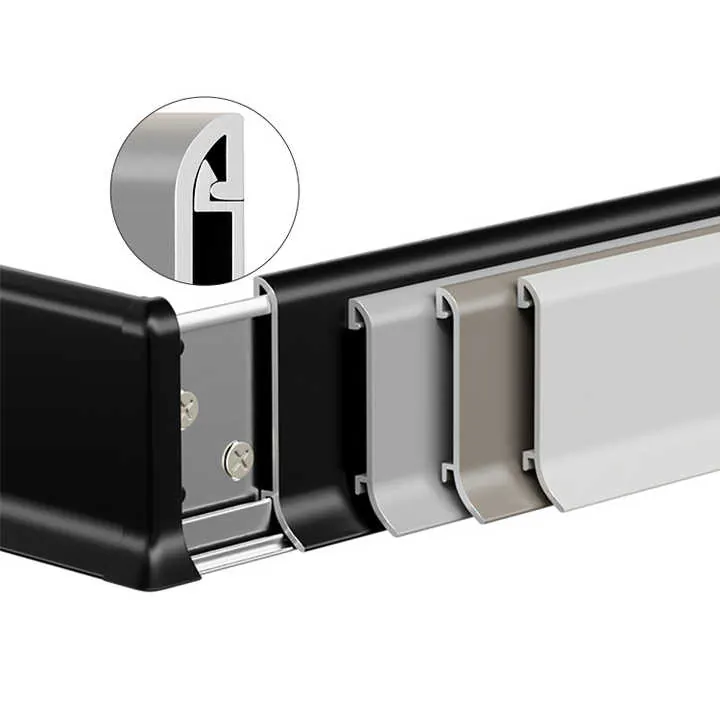
Aluminum extrusions are long, often heavy, and sometimes come in bundles. These traits make some transport modes more suitable than others. Here is a breakdown of each method and when it makes sense.
Zeevracht
Sea freight uses large container ships. It is efficient for heavy or large-volume orders. Many extrusion suppliers send full container loads (FCL) or less-than-container loads (LCL). Sea freight cost per kilogram tends to be low when you ship full loads. However, shipping can take weeks or even months. Sea freight suits clients who order large batches and do not need fast delivery.
Luchtvracht
Air freight moves cargo on cargo planes or passenger flights with cargo holds. It is much faster than sea freight—sometimes only a few days. But air freight cost per kilogram is often many times higher than by sea. Air freight works best for smaller batches or urgent orders. It may not make sense if you ship heavy or bulky extrusion bundles because cost grows quickly.
Spoorvracht
Rail freight applies mainly for land transport across long distances, in continents where rail networks are strong. For example, shipping from inland factories to ports or distribution hubs. Rail offers a balance: lower cost than air, faster than sea for land legs. It works well when you need to move extrusions from factory to port, then transfer to sea freight, or vice versa.
Road (truck) transport
Road transport handles the final leg of delivery. After sea, air or rail arrives at port or rail yard, trucks move goods to the buyer or local warehouse. For short distance or final stage transport, road is almost always needed. It is flexible. For orders inside a country, sometimes road transport is the only method.
Many shipments use more than one mode. For example, factory to port by truck, then sea freight to destination country, then truck to final customer. Mixed‑mode shipping is common for global extrusion supply chains.
How do air and sea freight compare in cost?
Air and sea freight differ drastically in cost. The difference comes from speed, weight, volume, and handling ease. Sea freight is almost always cheaper per kilogram. Air freight is expensive, especially for heavy or bulky loads.
Sea freight usually costs far less per kilogram than air freight. For heavy or bulky aluminum extrusions, sea freight is the economical choice. Air freight makes sense only for small, urgent orders.
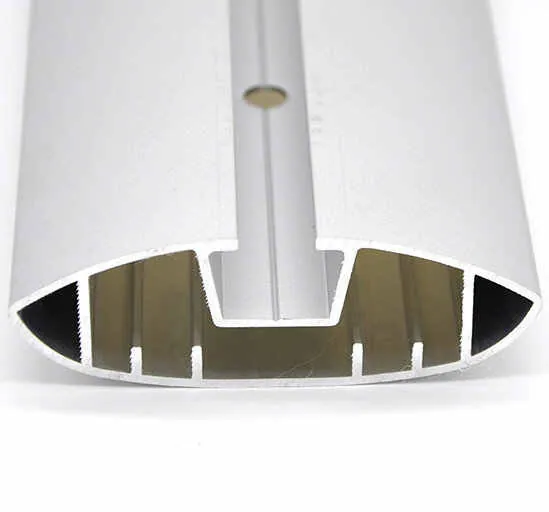
Shipping cost depends on cargo weight and volume. Aluminum extrusions often are long and bulky but not dense. They take up space but may not weigh much for their size. Air cargo cost is typically calculated on “chargeable weight,” which considers actual weight or volumetric weight (volume-based), whichever is higher. This means bulky but light items can cost much under air freight.
Here is a rough cost and time comparison between air and sea freight:
| Methode | Typical cost per kg* | Typical time | Beste gebruik |
|---|---|---|---|
| Sea freight (full container) | Low (baseline) | 20 to 60 days | Large volume, low urgency |
| Sea freight (LCL) | Medium | 20 to 60 days | Medium volume, cost conscious |
| Luchtvracht | High (5–10 times sea) | 3 to 7 days | Small volume, high urgency |
* Actual cost varies by route, fuel, season, and demand. But relative differences are usually large.
Because of these factors, sea freight makes sense when shipping full containers of extrusions. Air freight becomes costly quickly as volume increases. For example, a bundle that fills half a container could cost quadruple by air vs sea. That cost difference often wipes out any benefit of speed, unless delivery time is critical.
Also sea freight cost per kg drops as container fills up. For large orders, cost per kg becomes very low. Air freight has little volume discount because planes limit cargo volume more strictly. The cargo must fit pallet size and flight rules. So large, bulky bundles may not even be allowed or become extra costly.
In my experience shipping extrusions to clients abroad, sea freight cut shipping cost by more than 60% compared to air freight when orders were large. Air freight only made sense when clients requested a small sample batch in a hurry.
Which option offers better protection from damage?
Protecting extrusions from damage is critical. Aluminum profiles can bend, scratch or dent. Handling matters more when cargo moves through many hands or changes transport modes.
Sea freight generally offers better protection for heavy, bulky extrusions. Air freight has more handling steps and stricter packing needs, which may raise damage risk if not prepared.

Damage risk depends on how cargo is packed, handled, loaded and unloaded. For heavy extrusions, sea freight often uses crates, wooden boxes, or padded bundling inside containers. These packing methods cushion cargo and keep pieces stable during long travel. Once secured, extrusions are less likely to shift or hit container walls. On long sea voyages, containers stay closed, so cargo is sheltered from moisture and rough handling for most of the journey.
Air freight moves cargo through several stages quickly. Cargo leaves factory, goes to airport, loads on plane, then unloads at arrival airport, then moves by truck or rail. Each stage adds a handling risk. For long or bulky pieces, packing must be tight. If packing is loose, pieces may shift inside pallets. Also cargo may be moved by forklifts or pallet jacks. Those moves can scratch or dent long aluminum parts. For small or fragile parts, air freight can be safe if packaging is excellent and padding is thick. But for long extrusions — often 3 to 6 meters long or more — closure of container and tight securement matter more than speed.
Also temperature and humidity change quickly in air freight. If extrusions have protective coating (like anodizing or powder coat), rapid changes may stress coating. Sea freight containers may hold moisture too, but with proper desiccants and lining, protection tends to be better. For coated extrusions shipped long distances, sea freight remains the safer bet.
In summary, sea freight gives stable, enclosed transport, lower handling frequency, and more reliable protection. Air freight can be safe but only when packing is done carefully and shipment is small or short.
Can mixed-mode logistics reduce total lead time?
Mixed-mode logistics can cut delivery time compared to pure sea freight. It mixes fast and slow transport segments to balance cost, speed, and reliability. Using a smart mix can get extrusions faster with moderate cost.
Yes. Mixed-mode shipping — such as trucking to port, sea freight across ocean, then air or expedited road — can shorten lead time while controlling cost.

Using only sea freight from factory to customer can take many weeks. Sometimes delays happen at port, customs, or inland delivery. Mixed-mode logistics reduces these delays by optimizing each leg. For instance, after sea freight arrives at a major port, switching to air freight or express road for final leg helps deliver faster. Or use air freight for a small urgent portion and sea freight for the rest.
Below is a table of possible mixed-mode scenarios and their lead times:
| Scenario | Leg 1 | Leg 2 | Final leg | Estimated total time |
|---|---|---|---|---|
| Factory → port (truck) → sea → port → truck | Truck (2–5 days) | Sea (25–40 days) | Truck (3–7 days) | 35–52 days |
| Factory → port (truck) → sea → port → rail → truck | Truck (2–5 days) | Sea (25–40 days) | Rail (5–10 days) & truck (2–5 days) | 34–60 days |
| Factory → air cargo hub (truck) → air → airport → truck | Truck (1–2 days) | Air (3–7 days) | Truck (2–5 days) | 6–14 days |
| Factory → port → sea → port → air final mile | Truck (2–5) | Sea (25–40) | Air (1–3) + truck (2–5) | 30–48 days |
Mixed‑mode logistics pays off when parts of the route benefit from different transport types. For example, if final customer is far from major port, using rail or air for last leg helps. Or when part of order is urgent and part can wait, splitting shipment between air and sea works.
Also mixed-mode helps if shipping regulations, port congestion, or customs hold ups threaten schedule. Air or express road for critical parts avoids delays. Sea freight carries the bulk slowly. This reduces pressure on production and delivery planning. It lowers risk of late delivery while avoiding high cost for full order by air.
Using mixed-mode adds complexity. It requires planning, good coordination, and reliable freight agents. Tracking must follow each leg. Packing must meet different mode requirements: container strength for sea, pallet or crate strength for air or truck, labels, customs forms. Poor planning can cause delays, extra cost, or damage. I have seen shipments where mixed-mode saved two weeks compared to sea alone. But I also saw a case where mislabeling caused customs delay and the benefit disappeared.
Mixed-mode works best when shipment volume is large, but customer needs part of goods quickly. It also helps when final destination is inland or remote. For custom aluminum extrusions, mixed-mode often gives the best balance between cost, speed, and safety.
Conclusie
Choosing freight for aluminum extrusions depends on your priorities: cost, speed, protection, and lead time. Sea freight gives lowest cost and good protection. Air freight delivers speed but high cost and risk. Mixed‑mode offers balance. Use the mode that fits your needs best.