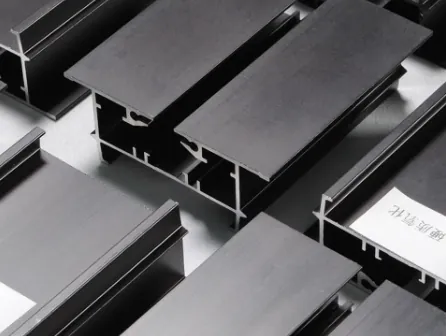
Wat zijn aluminium extrusies?

Heb je ooit een lang, uniform metalen stuk in een machinekozijn of raamsysteem gezien en je afgevraagd hoe het is gemaakt?
Aluminiumextrusies zijn langwerpige profielen van aluminium die worden gevormd door een verwarmde aluminium staaf door een gevormde matrijs te persen zodat het materiaal een bepaalde dwarsdoorsnede krijgt.
Nu laat ik je zien wat aluminiumextrusies kenmerkt, waarom industrieën ze gebruiken, waar ze gewicht besparen en hoe gemakkelijk profielen op maat kunnen worden gemaakt.
Wat kenmerkt aluminium extrusies?
Stel je voor dat je zacht metaal door een gevormde opening perst zodat het eruit komt met een specifiek profiel dat over de hele lengte hetzelfde blijft.
Het belangrijkste kenmerk van aluminiumextrusies is dat het continue profielen zijn met een vaste dwarsdoorsnede, die worden gemaakt door aluminium door een matrijs te duwen, wat een zeer hoge precisie, herhaalbaarheid en een grote verscheidenheid aan vormen mogelijk maakt.

Bij aluminiumextrusies vallen verschillende kenmerken op:
Consistente doorsnede
Het extrusieproces produceert profielen die van begin tot eind dezelfde dwarsdoorsnede hebben (binnen praktische toleranties). Dat maakt ontwerpen, bewerken en assembleren veel eenvoudiger.
Verschillende vormen
De extrusiepers en matrijs kunnen eenvoudige vormen produceren (hoeken, kanalen, buizen) of zeer complexe vormen met meerdere holtes. Je kunt holle holtes, halfholle holtes, meerdere ribben of T-gleufbanen hebben.
Materiaalvoordelen
Aluminium heeft inherente voordelen: licht gewicht (ongeveer een derde van het gewicht van staal voor een gegeven volume) en goede corrosiebestendigheid. Daarom worden extrusies vaak de structurele ruggengraat in veel systemen.
Procesvoordelen
Het extrusieproces kan efficiënt zijn voor lange lengtes en kan “bijna-net” vormen opleveren (dus minder afval in vergelijking met het machinaal bewerken van een blok). Ook kan de oppervlakteafwerking goed zijn, waardoor verdere afwerkingsstappen zoals anodiseren of poedercoaten mogelijk zijn.
Ontwerp- en productieflexibiliteit
Aangezien de matrijs de doorsnede bepaalt, is verandering van vorm mogelijk (met nieuw gereedschap). Er kunnen ook veel afwerkingen en tempers worden toegepast na de extrusie.
Kortom: als je een structureel onderdeel nodig hebt dat lang en licht is, precies de juiste vorm heeft voor je assemblage en minder afval en bewerkingen nodig hebt, dan is een aluminium extrusie een goede keuze.
Waarom gebruiken industrieën geëxtrudeerde vormen?
Wanneer industrieën materialen en productiemethoden kiezen, denken ze aan kosten, prestaties, snelheid en hoe gemakkelijk het te integreren is. Aluminium extrusies bieden een sterke propositie op vele fronten.
Geëxtrudeerde aluminium vormen worden gebruikt omdat ze de ontwerper in staat stellen om profielen op maat te krijgen met sterke structurele prestaties, efficiënte productie, minder nabewerking en brede materiaalvoordelen in één pakket.

Laten we dat eens uit elkaar halen:
Structurele en materiële prestaties
Omdat aluminium een hoge sterkte heeft in verhouding tot het gewicht en een goede stijfheid in verhouding tot het gewicht, en omdat het extrusieproces een geoptimaliseerde geometrie mogelijk maakt (bijvoorbeeld holle ribben, meerkamerprofielen), kun je efficiënte constructies bouwen.
In industrieën zoals de auto-industrie, luchtvaart, bouw en elektronica is het van cruciaal belang om gewicht en volume te verminderen en toch te blijven presteren.
Aangepaste geometrie voor integratie
Met extrusies kunnen profielen op maat worden gemaakt zodat ze montagesleuven, assemblagefuncties, kabelkanalen of in elkaar grijpende frames bevatten. Dat betekent minder lassen, minder onderdelen en eenvoudigere assemblages. Dit vermindert kosten en tijd.
Efficiëntie in productie
Omdat extrusies al in de gewenste vorm uit de pers komen, bespaar je vaak op machinale bewerking van massief materiaal. Ook werken veel afwerkingsopties (anodiseren, poedercoaten) goed op aluminium extrusies. Bespaart tijd en kosten.
Duurzaamheid en recyclebaarheid
Aluminium is oneindig recyclebaar en behoudt zijn eigenschappen goed. Wanneer industrieën streven naar duurzaamheid, is dit belangrijk.
Veelzijdigheid in verschillende industrieën
Je vindt extrusies in raam- en deurkozijnen, machineafschermingen, rekken voor zonnepanelen, voertuigonderdelen, elektronicabehuizingen, enz. Het proces en het materiaal passen zich aan vele eindtoepassingen aan.
Vanwege deze voordelen standaardiseren veel industrieën onderdelen rond extrusies en ontwerpen soms hele systemen van in elkaar grijpende profielen.
Waar zorgen extrusies voor gewichtsbesparing?
Een van de sterkste argumenten voor het gebruik van aluminium extrusies is gewichtsbesparing. In veel toepassingen is elke kilogram (of pond) belangrijk. De geometrie van extrusie maakt het mogelijk om onnodige massa te verwijderen met behoud van sterkte en functie.
Extrusies zorgen voor gewichtsbesparing door holle of geribbelde profielen, geoptimaliseerde doorsneden en het gebruik van aluminium in plaats van zwaardere metalen, waardoor het materiaalgewicht afneemt met behoud van structurele prestaties.

Laten we eens bespreken hoe dat werkt:
Holle en geribbelde geometrie
In een extrusie kun je interne holtes (holle secties) of ribben inbouwen om stijfheid te bieden zonder volledige massieve massa. Een geëxtrudeerde vierkante buis is bijvoorbeeld lichter dan een massieve staaf, maar heeft een goede buigstijfheid.
Door de geometrie aan te passen (dunne wanden waar mogelijk, dikkere wanden waar nodig) optimaliseer je het materiaalgebruik.
Materiaal met hoge sterkte in verhouding tot gewicht
Aluminium zelf is lichter dan staal. Voor hetzelfde volume is het gewicht lager. Als je de geometrie goed ontwerpt, kun je de vereiste prestaties bereiken met minder massa.
In de transportsector (auto's, spoorwegen, luchtvaart) levert elk beetje gewichtsbesparing brandstof- of energiebesparingen op.
Minder afval en “near-net” productie
Omdat extrusie vormen oplevert die dicht bij de uiteindelijke vorm liggen, hoef je geen zware bewerkingen uit te voeren en materiaal te verwijderen. Ook dat vermindert verspilde massa en verkleint de voetafdruk van geëxtrudeerde onderdelen.
Toepassingsvoorbeelden
- Frames voor zonnepanelen: dakbevestigingen moeten licht zijn om de structurele belasting te verminderen, maar sterk genoeg om wind te weerstaan. Geëxtrudeerd aluminium is geschikt.
- Machineframes in fabrieken: Het gebruik van geëxtrudeerde aluminium profielen betekent lichtere structuren die gemakkelijker te verplaatsen of te herconfigureren zijn.
- Transportrails of componenten: Door het gebruik van geëxtrudeerd aluminium kunnen holle profielen massieve stalen onderdelen vervangen, wat het gewicht vermindert.
Dus als gewicht een probleem is en je ook een aangepaste dwarsdoorsnede nodig hebt, zijn aluminium extrusies vaak de oplossing bij uitstek.
Kunnen profielen gemakkelijk worden aangepast?
Bij het ontwerpen van onderdelen en systemen is flexibiliteit essentieel. Een groot voordeel van aluminium extrusies is de mogelijkheid om de profielvorm, afwerking, lengte en legering aan te passen aan de specifieke toepassing.
Ja - geëxtrudeerde aluminium profielen kunnen vrij eenvoudig op maat worden gemaakt wat betreft vorm van de dwarsdoorsnede, legering, oppervlakteafwerking, lengte en secundaire bewerkingen, waardoor ze zeer goed kunnen worden aangepast aan specifieke ontwerpvereisten.
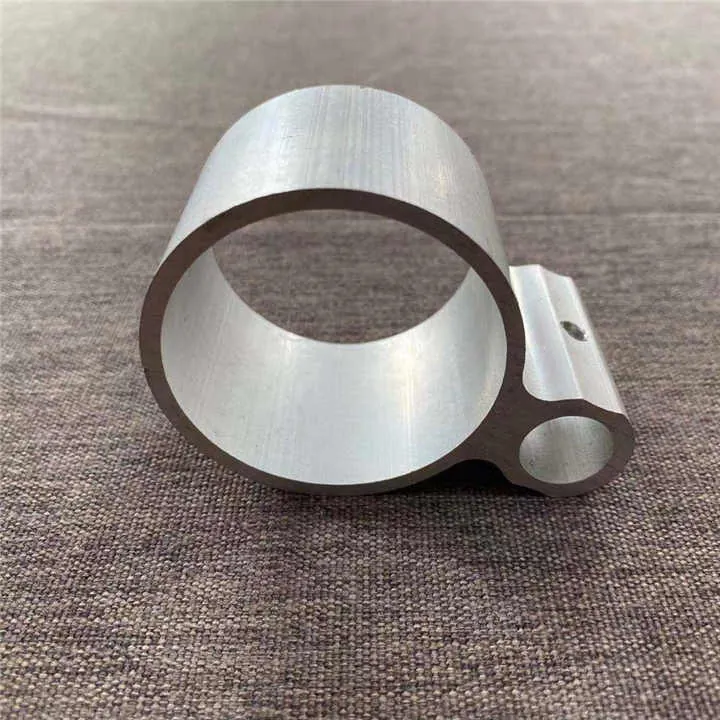
Hier zijn de manieren waarop maatwerk gebeurt:
Matrijzen op maat voor vorm
De matrijs die bij extrusie wordt gebruikt, bepaalt de vorm van het profiel. Fabrikanten kunnen aangepaste matrijzen produceren om een specifieke dwarsdoorsnede te creëren.
Er zijn gereedschapskosten, maar als de matrijs eenmaal gemaakt is, kunnen veel onderdelen economisch geproduceerd worden.
Selectie van legering en hardheid
Je kunt de legering (bijvoorbeeld 6063, 6061, enz.) en de hardheid (T-temper, H-temper) kiezen op basis van sterkte, vervormbaarheid en afwerking. Dit geeft flexibiliteit in prestaties.
Het op maat maken van de legering en de hardheid betekent dat je een afweging kunt maken tussen sterkte, vervormbaarheid, bewerkbaarheid en kosten.
Oppervlakteafwerkingen en -behandelingen
Na extrusie kun je nabewerkingen toepassen: anodiseren, poedercoaten, verven, machinaal bewerken, boren, lassen. Als je een specifieke esthetische of functionele oppervlakte-eigenschap nodig hebt, kun je die krijgen.
Lengte, op lengte snijden, secundaire bewerkingen
Geëxtrudeerde profielen kunnen in grote series worden geproduceerd en vervolgens op de gewenste lengte worden gezaagd. Ze kunnen ook worden bewerkt, gebogen, verbonden met verbindingsstukken, gelast, enz. Dit maakt het onderdeel op maat voor elke toepassing.
Integratie in systemen
Omdat het profiel op maat gemaakt is, kun je sleuven, kanalen en montagefuncties rechtstreeks in de vorm integreren. Dat betekent minder losse onderdelen en eenvoudigere montage.
Praktische overwegingen
| Optie op maat | Aanpasbaar? | Opmerkingen |
|---|---|---|
| Vorm (dwarsdoorsnede) | Ja | Vereist nieuw gereedschap/machine |
| Lengte | Ja | Extrusies kunnen op maat worden gesneden |
| Legering & hardheid | Ja | Kies op basis van prestaties |
| Afwerking oppervlak | Ja | Anodiseren, poedercoaten, enz. |
| Nabewerking | Ja | CNC, ponsen, boren mogelijk |
Dus ja, profielen kunnen gemakkelijk op maat worden gemaakt in vergelijking met veel productieprocessen. Voor een B2B-fabrikant van extrusies bestaat de uitdaging erin om de ontwerpvereisten af te stemmen op de juiste legering, de juiste hardheid, het juiste gereedschap en het juiste afwerkingsproces.
Conclusie
Aluminium extrusies zijn op maat gemaakte profielen die worden gemaakt door verhit aluminium door een gevormde matrijs te persen. Dit resulteert in een consistente dwarsdoorsnede, efficiënte productie en sterke materiaalprestaties. Ze worden veel gebruikt omdat ze structurele sterkte, ontwerpflexibiliteit en gewichtsbesparing bieden. Met het juiste gereedschap, de juiste legering en de juiste afwerking kunnen profielen op maat worden gemaakt voor specifieke toepassingen, waardoor geëxtrudeerd aluminium een krachtige optie is voor veel industrieën.