


Hoe meet je aluminium extrusie?
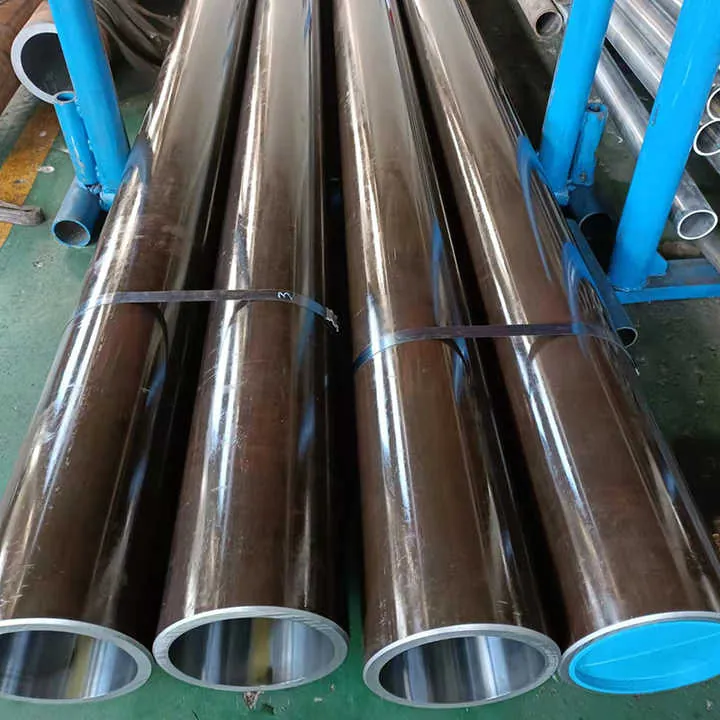
Ben je bang dat je aluminium profielen niet op je assemblages passen? Laten we eens kijken hoe je ze goed opmeet en fouten voorkomt.
Je kunt aluminium extrusies meten met een duidelijk inspectieplan: kies het juiste gereedschap, controleer toleranties, meet kritieke sleuven en gebruik meters of geautomatiseerde systemen om de controle te versnellen.
Laten we dieper op elke vraag ingaan zodat je met vertrouwen je profielen kunt inspecteren.
Welke gereedschappen meten profielafmetingen?
Als je je meetinstrumenten overslaat of kortsluit, riskeer je defecten, herbewerking en vertragingen.
Veelgebruikte gereedschappen zijn schuifmaten en micrometers voor basiscontroles, CMM's of optische/laserscanners voor complexe vormen en meters voor herhaalde metingen.
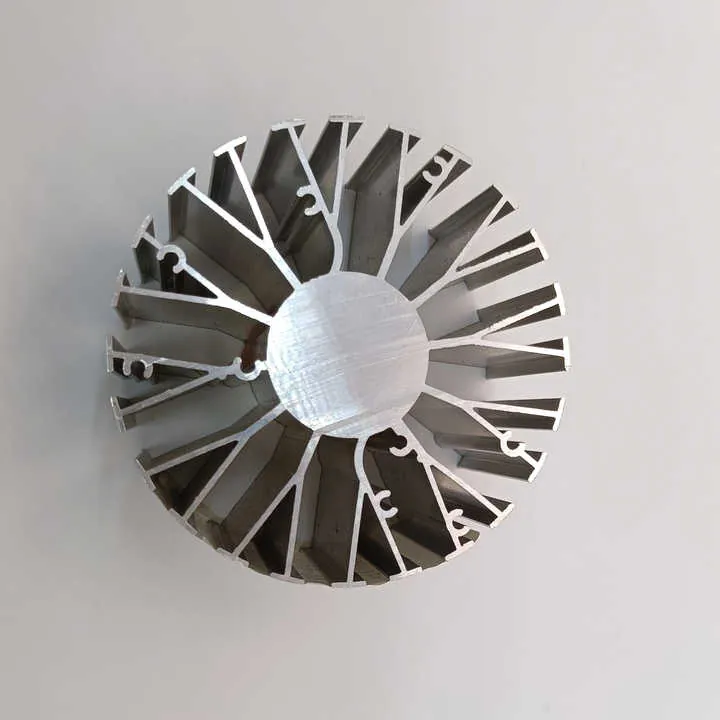
Wanneer je een aluminium extrusieprofiel meet, wil je dat zowel de afmetingen (breedte, hoogte, sleufdiepte, wanddikte) als de geometrie (rechtheid, verdraaiing, dwarsdoorsnedevorm) correct zijn. De keuze van het gereedschap hangt af van de complexiteit van het profiel en de tolerantie die je nodig hebt.
Basis handgereedschap
- Vernier schuifmaat: goed voor het meten van breedtes, hoogtes, buitenmaten, sleufopeningen.
- Micrometers: beter voor wanddikte of kritische kleine afmetingen waar een hogere precisie nodig is.
- Dieptemeters of nonius dieptemicrometers: gebruikt voor het meten van sleufdiepte, interne uitsparingen.
Deze gereedschappen zijn goedkoop en overal verkrijgbaar. Maar ze hebben hun beperkingen: je hebt fysieke toegang nodig, de vaardigheid van de operator is belangrijk en complexe profielen kunnen moeilijk volledig te inspecteren zijn.
Geavanceerde meetsystemen
- Coördinatenmeetmachines (CMM): deze gebruiken een taster om discrete punten op een profiel te meten en geometrie op te bouwen. Nuttig voor complexe vormen.
- Optische / laserscan- of profielmeetsystemen: Geschikt om de dwarsdoorsnede van geëxtrudeerde profielen snel te meten zonder meerdere handmatige stappen.
- Inline meetsystemen: Voor massaproductie maken systemen continue bewaking van complexe profielen in realtime mogelijk.
Overwegingen bij gereedschapsselectie
- Vereiste tolerantie: Als je tolerantie ±0,2 mm vs ±0,05 mm is, moet je gereedschap de vereiste nauwkeurigheid ondersteunen.
- Complexiteit profiel: Eenvoudige rechthoek versus meerdere sleuven en ribben - complexiteit zorgt voor geavanceerd gereedschap.
- Batchvolume: Voor profielen met grote volumes wilt u wellicht snellere, geautomatiseerde metingen.
- Toegang tot functies: Sommige gleuven of binnenwebben kunnen moeilijk te bereiken zijn met eenvoudig gereedschap; scannen kan dan beter zijn.
- Traceerbaarheid en gegevens: Geavanceerde tools integreren vaak met datasystemen voor QC-rapporten en trendanalyses.
Door de juiste meetinstrumenten te kiezen, vermindert u het risico dat niet-conforme onderdelen in downstreamprocessen terechtkomen en bespaart u kosten op nabewerking.
Vernier schuifmaten zijn voldoende om alle kritieke afmetingen van een complex aluminium extrusieprofiel te controleren.Vals
Hoewel ze nuttig zijn voor basisafmetingen, kunnen schuifmaten geen complexe geometrie, interne sleuven of rechtheid en verdraaiing vastleggen, waarvoor geavanceerder gereedschap nodig is.
Optische of scansystemen kunnen de volledige profielgeometrie van een extrusie snel en zonder fysieke doorsneden meten.Echt
Met flatbedscanners of profielmeetsystemen kan een volledige doorsnede worden gescand en vergeleken met CAD of nominale geometrie zonder destructief snijden.
Waarom is tolerantiecontrole essentieel?
Het negeren van toleranties leidt tot verkeerde pasvormen, assemblageproblemen of structurele defecten.
Tolerantiecontroles zorgen ervoor dat elk profiel voldoet aan de ontwerpspecificatie en functionele eisen, waardoor problemen in de productieketen en kostbaar uitval worden voorkomen.
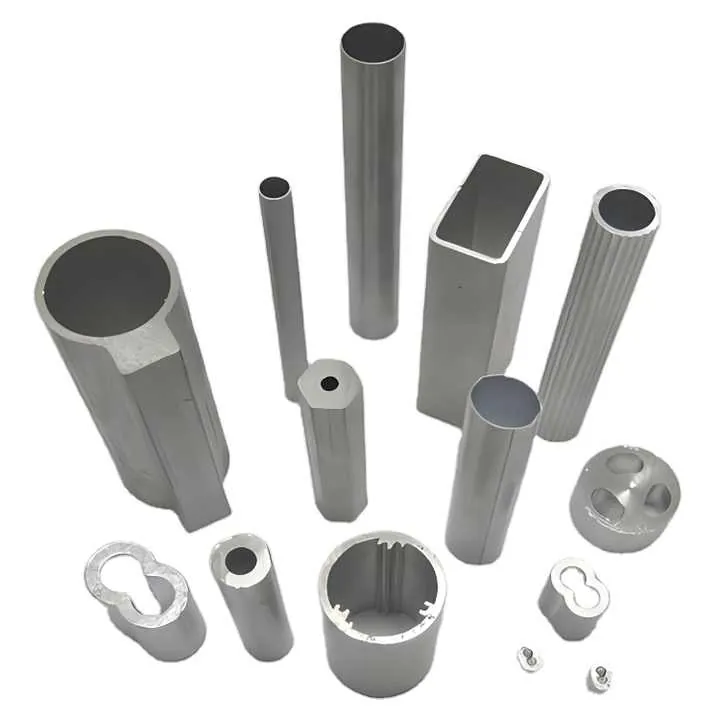
Wanneer je aluminium extrusies bestelt of vervaardigt, heb je altijd te maken met toleranties: aanvaardbare variatie in breedte, hoogte, wanddikte, sleufdiepte, rechtheid, verdraaiing. Deze toleranties bestaan omdat een perfecte geometrie onmogelijk is, maar waar het om gaat is dat de onderdelen binnen aanvaardbare grenzen voor functie en montage.
Waarom toleranties belangrijk zijn
- Montage en assemblage: Als een sleuf te breed of te smal is, grijpt een contradeel mogelijk niet goed in elkaar, wat leidt tot een losse passing, speling of assemblage waarvoor nabewerking nodig is.
- Bewerking stroomafwaarts: Als voor profielen die CNC-bewerkt of gebogen worden de ruwe extrusie buiten tolerantie is, kan dit leiden tot uitval of extra kosten om te corrigeren.
- Structurele prestaties: Variaties in de wanddikte kunnen de sterkte, duurzaamheid en het thermische of structurele gedrag van het profiel beïnvloeden.
- Behandelingen afwerken: Oppervlaktebehandelingen zoals anodiseren voegen dikte toe; als je buiten tolerantie begint, kun je na afwerking buiten tolerantie eindigen.
- Uitwisselbaarheid en herhaalbaarheid: Voor batchproductie of wereldwijde levering zorgen consistente toleranties ervoor dat profielen van verschillende batches of leveranciers zich hetzelfde gedragen.
Hoe om te gaan met tolerantiecontrole
- Definieer duidelijke tolerantietabellen: elke afmeting (breedte, hoogte, wand, gleuf) moet een nominale waarde en tolerantie hebben (bijv. ±0,2 mm, ±0,1 mm).
- Voor geometrie: definieer aanvaardbare rechtheid (bijv. maximale afwijking 1 mm per meter) en verdraaiing (bijv. maximale graden per meter).
- Gebruik inspectiegereedschap in overeenstemming met de tolerantie: krappe toleranties vereisen gereedschap met een hogere precisie.
- Resultaten en trends bijhouden: als metingen in de loop van de tijd afwijken, duidt dat op slijtage van het gereedschap, een verkeerde instelling of wijzigingen in het proces.
- Afwerkingstoeslag toepassen: als je het profiel gaat anodiseren of poedercoaten, houd dan rekening met de dikte van de coating in de begintoleranties.
In uw rol als toeleverancier van extrusies op maat worden toleranties een belangrijke onderscheidende factor voor kwaliteit. Klanten kunnen hoge precisie specificeren (voor de auto- en luchtvaartindustrie) of meer ontspannen specificaties voor architecturaal gebruik - uw meet- en QC-proces moeten op elkaar zijn afgestemd.
Als een profiel voldoet aan de nominale afmetingen, hoeft er geen tolerantie gecontroleerd te worden.Vals
Voldoen aan nominale waarden garandeert niet dat het onderdeel binnen de tolerantie valt of dat de geometrie (rechtheid, verdraaiing) acceptabel is.
Het documenteren van tolerantiecontroles over productiebatches ondersteunt kwaliteitscontrole en procesverbetering.Echt
Het bijhouden van meetgegevens maakt het mogelijk om trends te detecteren, vroegtijdig te waarschuwen voor gereedschapsslijtage of procesafwijkingen en ondersteunt een consistente productkwaliteit.
Hoe meet je de sleufdiepte nauwkeurig?
Sleuven en interne kenmerken zijn vaak kritisch bij aluminium extrusies, maar ze zijn moeilijk te meten.
Voor het nauwkeurig meten van de sleufdiepte zijn het juiste meetinstrument of de juiste taster, het juiste referentievlak, een consistente opstelling en voldoende herhaalbaarheid nodig om te garanderen dat de sleuf voldoet aan de functionele dieptevereisten.
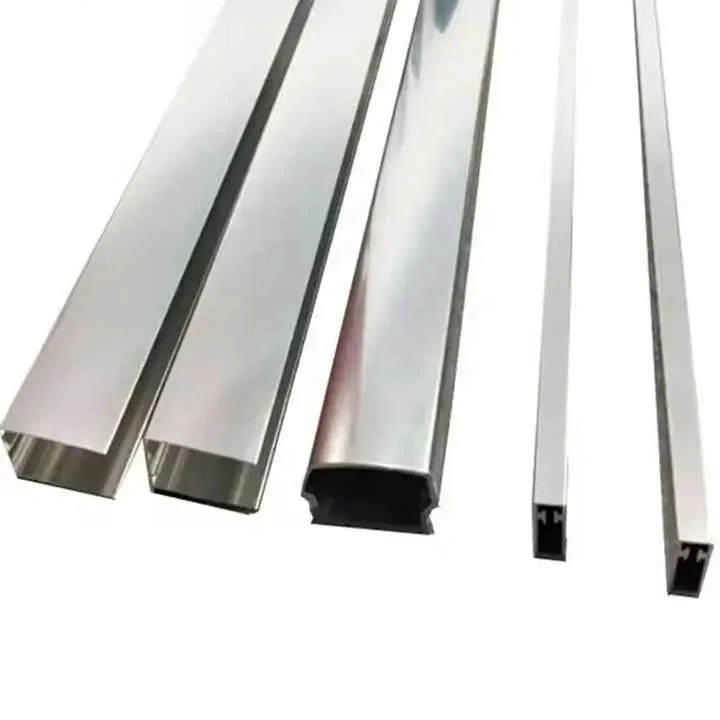
De diepte van de sleuf is de binnenmaat van de uitsparing vanaf het oppervlak (of een ander oppervlak) tot de onderkant van de sleuf. In bouwkundige, mechanische of constructieve extrusies worden in de sleuf vaak bevestigingsmiddelen, afdichtingen of insteekelementen geplaatst - de diepte is dus belangrijk.
Stapsgewijze methode
- Referentieoppervlak identificeren: Bepaal het nulpunt vanwaar de diepte wordt gemeten (bv. bovenkant van het profiel). Zorg ervoor dat het profiel is uitgelijnd en schoon is.
- Selecteer de juiste meter/sonde:
- Dieptemicrometer of dieptemeter met vlakke basis en staafbereik.
- Vernier dieptemeter.
- Gebruik voor complexe sleufvormen een CMM-taster of optisch/lasersysteem om het bodemoppervlak te meten ten opzichte van het nulpunt.
- Nulpunt instellen of kalibreren: Plaats de basis van de dieptemeter op het referentieoppervlak en stel het instrument op nul (of noteer de aflezing).
- Meet de sleufdiepte: Laat de sondestaaf in de sleuf zakken tot de onderkant van de staaf de bodem van de sleuf raakt. Voer de meting uit.
- Herhalen en bemonsteren: Het kan nodig zijn om meerdere metingen over verschillende sleuven of verschillende onderdelen uit te voeren om de consistentie te beoordelen.
- Documenteren en vergelijken: Vergelijk de gemeten diepte met de opgegeven sleufdiepte en tolerantie.
Speciale uitdagingen en tips
- Bodemoneffenheden: Als de vloer niet vlak is, kan de sonde schommelen. Gebruik een kleine vlakke ondergrond of een optische methode om de werkelijke diepte te controleren.
- Toegangsbeperkingen: Diepe of smalle sleuven kunnen de toegang tot de staaf/maat bemoeilijken; in deze gevallen wordt de voorkeur gegeven aan een CMM of optisch scannen.
- Hoek of radius bodem: Als de sleuf een radius of schuine bodem heeft, kan de aflezing van de dieptemeter misleidend zijn; bepaal hoe de diepte wordt gespecificeerd (tot de radius, tot de bodem).
- Oppervlakteafwerking / bramen: Bramen of coatinglagen beïnvloeden de meting; zorg ervoor dat het oppervlak gereinigd is en noteer of coating aanwezig is.
- Temperatuur en behandeling: Het aluminium profiel kan nog warm zijn van extrusie; laat het afkoelen tot de normale temperatuur om te voorkomen dat het uitzetten van het materiaal effect heeft op de dieptemeting.
Tabel - checklist voor het meten van de sleufdiepte
| Stap | Doel |
|---|---|
| Profiel en referentiepunt uitlijnen | Zorgt voor consistente metingen |
| Kies het juiste gereedschap | Komt overeen met sleufgeometrie en -tolerantie |
| Nul kalibreren | Meet-offset vermijden |
| Meerdere punten meten | Variatie beoordelen en afwijkingen detecteren |
| Vergelijken met specificatie | Pas/zak bepalen |
| Gegevens opnemen | Zorg voor traceerbaarheid en trendanalyse |
Een nauwkeurige meting van de sleufdiepte betekent dat uw downstreamprocessen (inzetstukken, bevestigingsmiddelen) goed vastklikken, dat uw assemblages goed uitgelijnd zijn en dat uw functionele prestaties behouden blijven. Als de sleufdiepte niet klopt, kunt u te maken krijgen met pasvormproblemen, losse assemblages of extra bewerkingen.
Elke handdieptemeter zal de sleufdiepte nauwkeurig meten, ongeacht de geometrie van de sleuf.Vals
Handmeters kunnen ontoegankelijk zijn of niet goed meten als de sleuf een radiusbodem heeft, de toegang beperkt is of als de sondebasis niet goed kan zitten; mogelijk zijn geavanceerdere gereedschappen nodig.
Het bepalen van het referentiepunt en zorgen dat het profiel goed is uitgelijnd zijn essentiële stappen voordat de sleufdiepte wordt gemeten.Echt
Zonder een correct referentieoppervlak en de juiste uitlijning zal de dieptemeting onnauwkeurig of inconsistent zijn.
Kunnen meters de inspectie versnellen?
Handmatige meting van elk onderdeel is tijdrovend; meetinstrumenten bieden snellere inspectie.
Ja - goed ontworpen go/no-go-meters, meters met vaste afmetingen of geautomatiseerde meetsystemen kunnen snel belangrijke afmetingen in de productie verifiëren, waardoor de inspectietijd en de variabiliteit voor de operator afnemen.
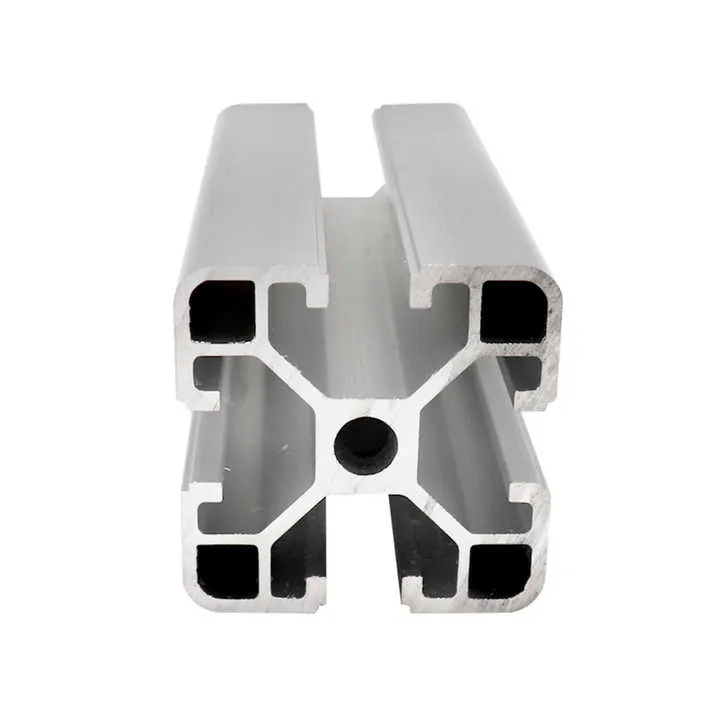
In een productieomgeving heb je inspectiemethoden nodig die nauwkeurig zijn en efficiënt. Voor een bedrijf dat aluminium extrusies op maat maakt voor wereldwijde klanten, zijn snelheid en consistentie belangrijk.
Soorten meters en hun gebruik
- Go/No-Go-meters: Eenvoudige vaste meters die een onderdeel accepteren of weigeren op basis van het feit of een afmeting binnen de limieten valt. Zeer geschikt voor grote volumes.
- Vaste dikte- of sleufdieptemeters: Op het bed gemonteerde meters waarmee het profiel kan worden geplaatst en de sleufdiepte of wanddikte snel kan worden gecontroleerd.
- Profiel sjablonen: Bewerkte sjablonen die overeenkomen met de doorsnede maken een snelle “pasvormtest” mogelijk - zit het onderdeel volledig in de sjabloon?
- Inline meetinstrumenten: Geautomatiseerde sensoren of op camera's gebaseerde meters die geïntegreerd zijn in de extrusielijn meten continu de afmetingen.
Voordelen van het gebruik van meters
- Snelheid: Sneller dan schuifmaten of micrometers gebruiken voor elke afmeting.
- Herhaalbaarheid: Vaste meters verminderen de variatie voor de operator en vereenvoudigen beslissingen over slagen of falen.
- Minder trainingsoverhead: Gemakkelijk te gebruiken voor operators met minimale meettraining.
- Terugkoppeling procesbesturing: Inline meters geven onmiddellijk feedback aan de extrusielijn en helpen afwijkingen vroegtijdig te detecteren.
- Kostenbesparingen: Minder inspectietijd, minder fouten, minder uitval of herbewerking.
Tips voor implementatie
- De belangrijkste afmetingen voor het meten identificeren (kritieke afmetingen van de tekening).
- Ontwerp of koop profielen die overeenkomen met de kritieke kenmerken van je profiel (sleuf, wand, totale breedte).
- Valideer de meter zelf (kalibreer regelmatig, zorg dat de tolerantie wordt bijgehouden).
- Integreer de controlefrequentie van de meter in je inspectieplan (bijvoorbeeld elk 10e stuk of per shift).
- Gebruik voor aangepaste vormen een combinatie van meters voor de gangbare afmetingen en volledige metingen voor incidentele verificatie.
Het gebruik van meetklokken elimineert niet de noodzaak voor periodieke volledige dimensionale inspectie (met schuifmaten, CMM, etc.), maar verbetert wel drastisch de efficiëntie voor routinecontroles. In uw bedrijfsomgeving kunt u klanten een snelle respons, consistente afmetingen en gedocumenteerde kwaliteit bieden door gebruik te maken van meetklokken.
Als de meters eenmaal geïnstalleerd zijn, kan volledige CMM-inspectie voor alle productieonderdelen achterwege blijven.Vals
Hoewel meetinstrumenten routinecontroles versnellen, zijn er nog steeds periodieke volledige inspecties nodig om ervoor te zorgen dat complexe geometrieën en kritieke onderdelen binnen de specificaties blijven.
Go/No-Go-meters en inline sensoren helpen een consistente productiekwaliteit te behouden en de inspectietijd te verkorten.Echt
Dergelijke meters zorgen voor snelle goedkeurings- en afkeurbeslissingen, minder operatorfouten en snellere kwaliteitscontrolecycli.
Conclusie
Het op de juiste manier meten van aluminium extrusieprofielen betekent het juiste gereedschap gebruiken, toleranties controleren, kritieke sleuven nauwkeurig controleren en gebruikmaken van kalibers om de inspectie te versnellen. Dan voldoen uw profielen consistent aan de specificaties en leveren ze betrouwbare prestaties.


