Hoe aluminium extrusie bewerken?

U hebt aluminium extrusiedelen klaarliggen, maar het bewerken ervan is lastig - de wanden zijn dun, oppervlakken moeten goed afgewerkt worden, er komen spanen tevoorschijn, de opspanningen wiebelen.
Ja, je kunt aluminium extrusie effectief bewerken door het juiste gereedschap te kiezen, koelvloeistof te gebruiken voor oppervlaktekwaliteit, spatten op dunne wanden te vermijden en goede opspanmiddelen te gebruiken.
Laten we in elk gebied duiken. Ik bespreek gereedschapkeuze, koelmiddel, problemen met wanddikte en opspanstrategie om je te helpen extrusie te bewerken als een pro.
Welke gereedschappen zijn geschikt voor extrusiebewerking?
De keuze van gereedschap maakt of breekt het bewerken van aluminiumextrusie - verkeerde frees, verkeerd materiaal, en de problemen beginnen.
Voor aluminiumextrusie wil je hardmetalen gereedschap van hoge kwaliteit, de juiste geometrie en stevige ondersteuning om zuivere sneden en voorspelbare resultaten te krijgen.

Bij het bewerken van aluminium extrusieprofielen zijn het materiaal en de geometrie van groot belang. Hardmetalen frezen hebben bijvoorbeeld de voorkeur omdat ze beter bestand zijn tegen slijtage en scherpe randen behouden bij het snijden van taaie materialen zoals aluminium.
Gereedschapsmateriaal & coating
- Hardmetaal is goed. De zachtere aard van aluminium betekent dat je in veel gevallen geen superhard snelstaal nodig hebt.
- Coatings (TiN, TiAlN) kunnen helpen bij langere runs, maar bij veel extrusietoepassingen is een schone spaanafvoer belangrijker dan een agressieve coating.
- Zorg ervoor dat de spaangroeven geschikt zijn voor aluminium: groot genoeg om de spaan af te voeren en verstopping te voorkomen.
Geometrie & fluiten
- Gebruik frezen met een positieve hellingshoek (voor eenvoudigere spaanafvoer) en scherpe snijkanten, omdat aluminium de neiging heeft zich op te hopen op bot gereedschap.
- Gereedschap met twee of drie spiralen werkt vaak goed omdat aluminium meer spanen produceert en je daar ruimte voor wilt hebben.
- Voor een gladde oppervlakteafwerking moet de rondloop van het gereedschap minimaal zijn en moet de conditie van het gereedschap goed zijn.
Compatibiliteit van machines en instellingen
- De machine moet stijf en nauwkeurig uitgelijnd zijn. Extrusieprofielen hebben vaak verschillende dwarsdoorsneden, waardoor de aanzet van het gereedschap verandert.
- Zorg er bij lange extrusies voor dat de machinespindel en de lengte van het gereedschap geschikt zijn; een lange overhang vergroot de doorbuiging.
- Spaanafvoer: Aluminium spanen zijn geleidend en kunnen kortsluiting veroorzaken in elektronica; een goed vacuüm of spaanverwijdering is noodzakelijk.
Aanzet, snelheid, zaagdiepte
- Je moet experimenteren. Voor aluminium werken hogere snelheden en gematigde voedingen vaak beter dan zeer lage snelheden.
- De snijdiepte moet stabiel blijven, vooral bij verschillende wanddiktes in een extrusieprofiel.
- Aanpassen aan de diameter van het gereedschap, de stijfheid van de machine en de stabiliteit van de opspanning.
| Factor | Aanbeveling |
|---|---|
| Gereedschapsmateriaal | Massief hardmetaal |
| Fluiten tellen | 2-3 fluiten |
| Harkhoek | Positief, Scherp |
| Coating | Optioneel (TiN, ZrN voor aluminium) |
| Snijsnelheid | Hoog (500-1000 m/min) |
| Toevoersnelheid | Matige, consistente chipbelasting |
Hardmetalen frezen zijn geschikt voor het bewerken van aluminium extrusiesEcht
Hardmetalen gereedschap heeft een goede slijtvastheid en scherpe snijkanten die geschikt zijn voor aluminiumbewerking.
Gereedschappen van snelstaal presteren altijd beter dan hardmetaal bij het bewerken van aluminiumextrusieVals
Hoewel HSS kan werken, hebben hardmetalen gereedschappen over het algemeen de voorkeur voor aluminiumextrusie vanwege de duurzaamheid en scherpere snijkanten.
Waarom verbetert koelmiddel de oppervlaktekwaliteit?
De oppervlakteafwerking lijdt eronder als er hitte wordt opgebouwd, spanen verstopt raken of het gereedschap over het onderdeel wrijft - koelmiddel helpt bij al deze problemen.
Het gebruik van koelmiddel of smeermiddel helpt de temperatuur te regelen, spanen af te voeren en de opgebouwde rand te verminderen, waardoor de afwerking van aluminium extrusies wordt verbeterd.

Bij het bewerken van aluminium extrusies is de oppervlaktekwaliteit afhankelijk van meerdere factoren, waaronder gereedschapsslijtage, spaanvorming, hitte en opgebouwde rand (BUE). Koelmiddel of een geschikte smeervloeistof kan deze problemen aanzienlijk verminderen.
Voordelen van koelvloeistof of smering
- Warmteregeling: Hoewel aluminium een goed warmtegeleidingsvermogen heeft, kan er tijdens het bewerken met hoge snelheid gelokaliseerde warmte ontstaan op het grensvlak tussen gereedschap en werkstuk.
- Spaander evacuatie: Lange aluminium spanen tasten de afwerking aan als ze niet goed worden verwijderd.
- Voorkomen van opstaande randen: Koelmiddel voorkomt dat materiaal aan het gereedschap blijft kleven.
- Smering: Vermindert de wrijving tussen gereedschap en werkoppervlak.
De juiste koelvloeistof of het juiste smeermiddel kiezen
| Type | Geschikt voor aluminium? | Opmerkingen |
|---|---|---|
| Koelvloeistof op waterbasis | Ja | Goed voor koelen en spanen |
| Nevel op oliebasis | Ja | Betere smering, minder koeling |
| Was of pasta | Beperkt gebruik | Handmatige toepassing, goed voor kleine oplagen |
Zorg er altijd voor dat de koelvloeistof niet corrosief is voor aluminium en compatibel is met geanodiseerde of behandelde oppervlakken.
Koelmiddel verbetert spaanafvoer en standtijd bij het bewerken van aluminiumextrusiesEcht
Koelvloeistof helpt spanen te verwijderen en vermindert warmte en opgebouwde rand, waardoor het gereedschap langer meegaat en spanen beter worden verwijderd.
Koelmiddel is niet nodig bij het bewerken van korte aluminium extrusiedelen op lage snelheidVals
Zelfs voor kortere onderdelen kunnen warmte en spanen zonder koelmiddel de oppervlakteafwerking en de levensduur van het gereedschap schaden.
Hoe voorkom je geratel op dunne muren?
Dunwandige extrusies trillen gemakkelijk onder snijbelasting - chatter verpest de afwerking, beïnvloedt de nauwkeurigheid.
Om klapperen op dunwandige aluminium extrusies te voorkomen, moet u de overhang van het gereedschap verminderen, de snij-inzet controleren, het werkstuk ondersteunen en de snijparameters optimaliseren.
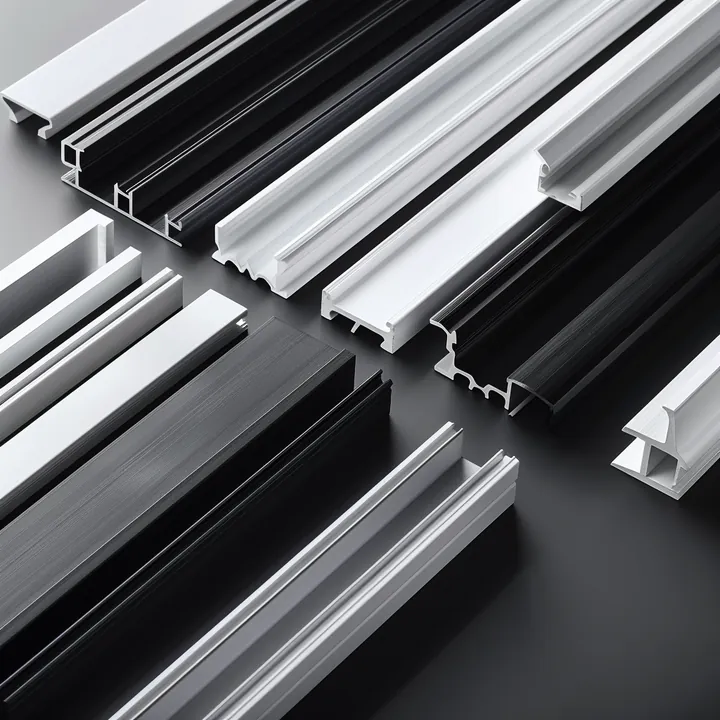
Dunne wanden in aluminium extrusieprofielen vormen een bijzondere uitdaging bij het bewerken. Het gebrek aan structurele stijfheid zorgt voor trillingen of doorbuiging onder de snijkrachten, wat leidt tot chatter marks, slechte oppervlakteafwerking en zelfs maatonnauwkeurigheid.
Oorzaken van klapperen
- Dunne wanden buigen onder druk van gereedschap
- Lange overhang vergroot doorbuiging
- Slechte ondersteuning zorgt voor trillingen
- Te veel snijdiepte in één keer
Oplossingen
| Probleem | Oplossing |
|---|---|
| Doorbuiging gereedschap | Gebruik stompe gereedschappen, verminder overhang |
| Deel trilling | Ondersteuning van binnenuit of van achteren toevoegen |
| Snijkracht te hoog | Lichter snijden, snelheid verhogen |
| Inconsistente chipbelasting | Gebruik consistent voer en klimmend frezen |
Het voorkomen van chatter betekent het begrijpen van de grenzen van stijfheid in zowel gereedschap als werkstuk. Interne steunen, de juiste gereedschapspaden en geoptimaliseerde parameters maken het verschil.
Ondersteuning van dunwandige aluminium extrusies van binnenuit of van achteren vermindert klapperenEcht
Interne ondersteuning verhoogt de stijfheid van het werkstuk en vermindert trillingen onder zaagkrachten.
Het gebruik van zeer diepe sneden op dunwandige aluminium extrusies is veilig als de voedingssnelheid laag isVals
Diepe zaagsnedes verhogen de krachten en brengen het risico op trillingen met zich mee; door simpelweg de voeding te verlagen, kunnen nog steeds doorbuigingen en trillingen ontstaan.
Kunnen opspanningen bewerkingsopstellingen stabiliseren?
Goede opspanmiddelen maken het verschil tussen nauwkeurige spanen en afval-ze vergrendelen het werkstuk, richten het uit en beperken de beweging.
Effectieve opspanningen voor het bewerken van aluminiumextrusie helpen bij het positioneren van het profiel, ondersteunen ongebruikelijke doorsneden, hanteren lange lengtes en zorgen voor herhaalbare klemming voor consistente resultaten.
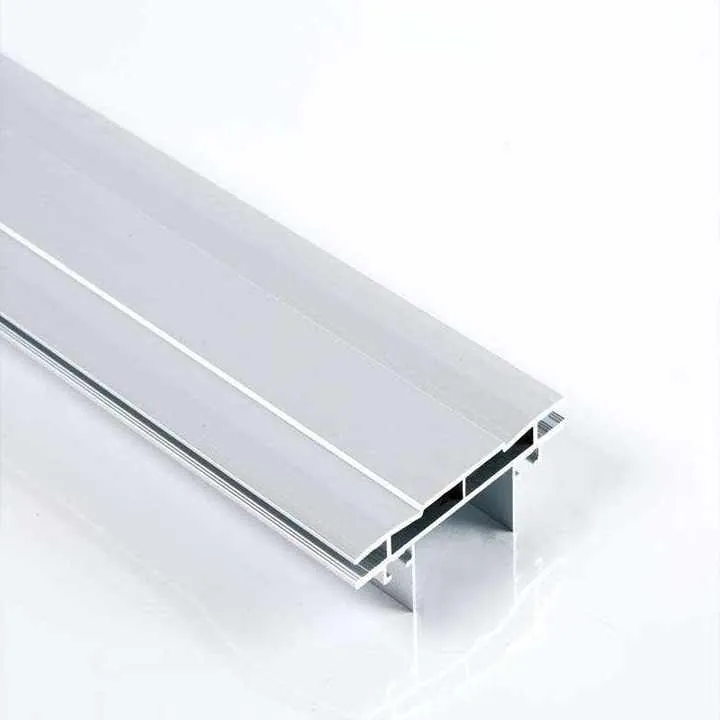
Extrusies hebben vaak complexe vormen en variëren in stijfheid. Zonder de juiste opspanning kunnen onderdelen bewegen tijdens het snijden of vervormen onder klemdruk.
Inrichtingseisen
| Inrichting | Doel |
|---|---|
| Ondersteuning over de hele lengte | Voorkomt doorhangen of buigen tijdens het snijden |
| Uitlijning referentiepunt | Zorgt ervoor dat het onderdeel consistent wordt gepositioneerd |
| Contact dat niet schuurt | Beschermt geanodiseerde of gepolijste oppervlakken |
| Verstelbare klemmen | Geschikt voor variaties in profielgrootte |
Het gebruik van interne spudpluggen of steunblokken om holle secties te ondersteunen zorgt voor extra stevigheid. Teenklemmen en zachte bekken kunnen onderdelen stevig vasthouden zonder vervorming. Vermijd rechtstreeks klemmen op dunne wanden.
Een speciale opspanning die een extrusie over de hele lengte ondersteunt, vermindert doorbuiging en verbetert de nauwkeurigheidEcht
Ondersteuning over de hele lengte voorkomt doorhangen en doorbuigen en verbetert zo de stabiliteit en nauwkeurigheid van de bewerking.
Het gebruik van slechts één klem aan één uiteinde van een lange aluminium extrusie is voldoende voor precisiebewerkingVals
Eén klem kan doorbuiging, doorbuiging of trilling over lange lengte niet voorkomen; er zijn meerdere steunen/klemmen nodig.
Conclusie
Aluminium extrusie winstgevend verspanen betekent het juiste gereedschap kiezen, koelmiddel gebruiken om de afwerking te verbeteren, spatten op dunne wanden vermijden en het werkstuk beveiligen met betrouwbare opspanmiddelen. Als al deze elementen op elkaar afgestemd zijn, zullen uw resultaten nauwkeurig, herhaalbaar en van hoge kwaliteit zijn.