


How does the 7075 seamless tube compare to steel and alternatives?
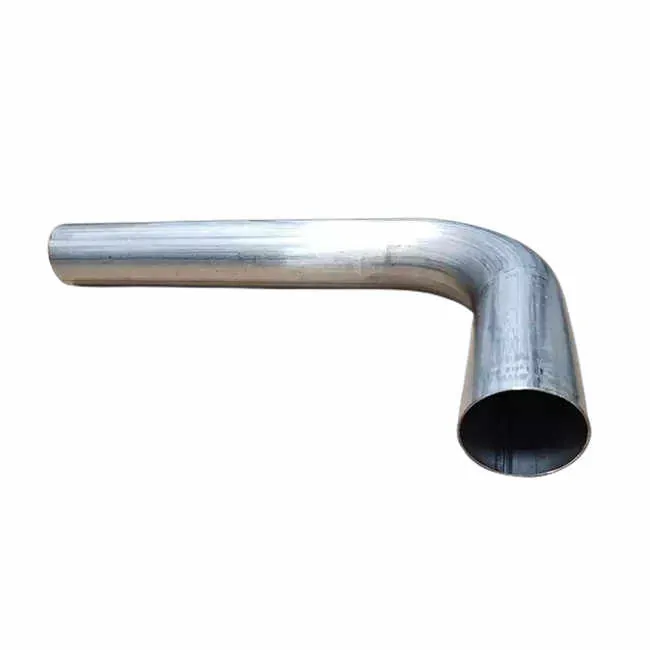
Not sure whether to choose 7075 aluminum or steel for your tubing project? The decision goes far beyond just material cost.
7075 seamless aluminum tube offers an excellent strength-to-weight ratio, but steel outperforms in fatigue resistance and extreme loads. Your use case will determine the best choice.
Each material has distinct advantages and trade-offs. Let’s compare their properties step-by-step, so you can confidently choose what fits your design.
What are mechanical differences?
Choosing between aluminum and steel starts with understanding how they behave under stress.
7075 aluminum is strong and light, while steel offers higher stiffness, better fatigue resistance, and greater impact tolerance.
Basic Mechanical Properties
| Property | 7075-T6 Aluminum | 4140 Steel |
|---|---|---|
| Ultimate Tensile (MPa) | ~560 | ~800 |
| Yield Strength (MPa) | ~480 | ~600 |
| Modulus of Elasticity | ~70?GPa | ~205?GPa |
| Elongation at Break | ~11% | ~20% |
7075 aluminum gives high strength, but it’s more elastic—it deflects more under the same load. Steel, being stiffer, resists bending but is much heavier. In cyclic loading or high impact, steel also handles fatigue better.
7075 aluminum is stiffer than steel.False
Steel has a much higher modulus of elasticity and resists deformation better than 7075.
Steel provides better fatigue resistance than 7075 aluminum.True
Steel can absorb more stress cycles before failure, especially in dynamic or impact conditions.
How about weight and strength?
Weight matters in design—especially for aerospace, vehicles, and hand-held tools.
7075 offers the best strength-to-weight ratio, giving high mechanical performance at a third the weight of steel.
Strength-to-Weight Comparison
| Material | Density (g/cm3) | Tensile Strength (MPa) | Strength-to-Weight |
|---|---|---|---|
| 7075-T6 Aluminum | ~2.81 | ~560 | Excellent |
| 4140 Steel | ~7.85 | ~800 | Moderate |
| Stainless Steel | ~8.00 | ~550 | Moderate |
| Titanium Alloy | ~4.40 | ~1000 | Very High |
Aluminum gives you the strength you need without the bulk. That’s why 7075 is used in aircraft, racing parts, and bicycles.
7075 aluminum weighs about one-third as much as steel.True
Aluminum’s density is around 2.81?g/cm3 compared to steel's ~7.85?g/cm3.
Steel has a better strength-to-weight ratio than aluminum.False
Aluminum, especially 7075, has a much higher strength per unit weight.
What corrosion properties compare?
A material’s durability is tied to how well it resists corrosion—especially in marine or outdoor use.
7075 aluminum resists corrosion well, especially in T73 or T76511 tempers. Steel rusts without coatings unless it’s stainless.
Corrosion Resistance Table
| Material | Natural Corrosion Resistance | Notes |
|---|---|---|
| 7075-T6 | Moderate | Can suffer stress corrosion |
| 7075-T73/T76511 | Good | Over-aged for stress crack resistance |
| Carbon Steel | Poor | Requires coating or paint |
| Stainless Steel | Excellent | Contains chromium; self-passivating |
| Titanium Alloy | Excellent | Near-impervious, even in seawater |
If your tubing faces moisture, salt, or chemicals, choose over-aged aluminum, stainless, or titanium. Steel works with coatings but needs care.
7075-T73 aluminum offers better corrosion resistance than 7075-T6.True
Over-aging (T73) improves resistance to stress-corrosion cracking.
All steel alloys are naturally corrosion resistant.False
Only stainless steels resist corrosion; carbon/alloy steels rust without coatings.
Which is more cost-effective overall?
Let’s break down the total cost—not just price per pound.
7075 aluminum has a higher raw material cost than steel but offers savings in weight, machining, and transport. Steel remains cheaper upfront.
Cost Comparison Factors
| Factor | 7075 Aluminum | Steel (4140 or carbon) |
|---|---|---|
| Raw Material Cost/lb | $5–7 | $1–2 |
| Machining Cost | Low | Moderate–High |
| Weight Savings | High | None |
| Tool Wear | Low | High |
| Corrosion Resistance | Moderate–Good | Poor (unless stainless) |
| Transport & Handling | Cheaper | Heavier, costlier |
For static structures or heavy-use industrial applications, steel is more cost-efficient. For lightweight designs or aerospace-grade systems, 7075 pays off in performance.
Aluminum is always cheaper than steel.False
7075 aluminum is more expensive per pound than most steels.
7075 aluminum can be more cost-effective in lightweight or mobile applications.True
Savings on transport, machining, and performance can outweigh raw material cost.
Conclusion
7075 seamless aluminum tubes provide excellent strength-to-weight ratio and corrosion resistance, making them ideal for lightweight and high-performance designs. Steel tubes remain unmatched in toughness and fatigue resistance for high-impact or structural loads. Choose based on your application priorities.


