


Does bending weaken aluminum?

I know it’s important to understand how bending affects aluminum—whether it’s for tubing, brackets, or extrusions.
Bending aluminum can change its strength and flexibility. Whether it weakens or strengthens depends on alloy, bend radius, and heat treatment.
Let me walk you through how bending works, safe parameters, and when to re-treat.
How does bending affect aluminum strength?
When you bend aluminum, the outer surface stretches and the inner surface compresses. This causes strain hardening, increasing hardness but reducing ductility. Too much bending can initiate micro-cracks, especially on the tension side.
Bending increases hardness but may reduce overall strength and cause cracking if not controlled properly.

When aluminum is bent, its crystalline structure is distorted. This changes mechanical properties—sometimes beneficially, but often at the cost of flexibility. Alloys like 6061-T6 can crack if bent sharply because they are already hardened. On the other hand, softer alloys like 3003 or 5052 tolerate sharper bends.
Strain hardening occurs mainly in cold bends. The harder the starting temper, the more risk of fracture. Always consider the bend direction—bending along the grain is riskier than across.
| Alloy | Original Temper | Bending Risk | Notes |
|---|---|---|---|
| 3003-H14 | Medium hard | Low | Good ductility, easily bent |
| 5052-H32 | Medium hard | Moderate | Needs careful radius planning |
| 6061-T6 | Hard | High | May require heat treatment first |
Bending always weakens aluminum by making it softer.False
Bending causes strain hardening, increasing hardness but reducing ductility.
Bending across the grain direction reduces risk of cracks.True
The metal is more flexible across grain lines.
What is the minimum bend radius for different alloys?
Minimum bend radius is the smallest inside radius a sheet or extrusion can handle without cracking. It varies with alloy, thickness, and temper.
Bend radius should be at least 1× material thickness for soft alloys, and 1.5–3× for hardened ones like 6061-T6.
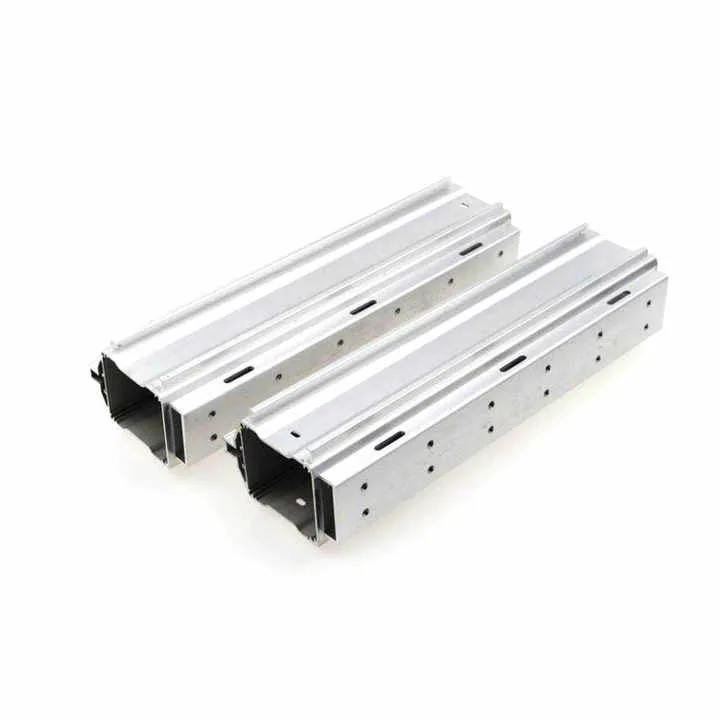
Manufacturers publish bend tables. Here’s a sample guideline:
| Alloy/Temper | Thickness | Recommended Min Bend Radius |
|---|---|---|
| 3003-H14 | 1 mm | 1.0 × t |
| 5052-H32 | 1 mm | 1.5 × t |
| 6061-T6 | 1 mm | 3.0 × t |
For aluminum extrusions and tubes, the wall thickness and diameter also affect the radius. Use a larger bend radius when in doubt. Always perform a test bend for tight tolerances.
6061-T6 can be bent at a 1× thickness radius.False
6061-T6 often cracks at tight radii; 2.5–3× is safer.
Soft alloys like 3003 need less bend radius.True
These alloys have high ductility and resist cracking.
How can bending-induced stress be minimized in aluminum?
You can reduce stress and cracking by adjusting tooling and prep.
Use proper bend radius, pre-soften hard alloys, support the part during bend, and bend gradually.
Ways to reduce bending stress:
- Choose larger bend radius: Spread stress over a wider area.
- Use annealed tempers: Bend aluminum in O (soft) temper, then harden after.
- Apply gradual bends: Avoid sharp, single-force bends.
- Use mandrels or internal supports: These help in tube or hollow section bending.
- Clean edges and avoid nicks: Micro scratches can start cracks.
If you’re bending extrusions or tubes, support the shape with mandrels. Roll bending can help curve large profiles smoothly.
| Method | Effectiveness | Application |
|---|---|---|
| Pre-annealing | High | Critical in 6061, 7075 alloys |
| Mandrel bending | High | Thin-wall tubes and profiles |
| Using die radius ≥ 2× t | Medium | Reduces peak strain during forming |
| Lubrication during bending | Medium | Helps flow, reduces surface cracks |
Sharp dies with no radius produce cleaner bends.False
Sharp bends concentrate stress and risk cracking.
Mandrels help support tubing during tight-radius bends.True
They keep shape and reduce collapse or wrinkling.
When is heat treatment needed after bending aluminum?
Heat treatment may be needed before or after bending, depending on alloy and required strength.
If you bend hardened aluminum like 6061-T6, re-heat treating can restore strength or remove stress.

Cases where heat treatment helps:
- Before bending: Soften T6 or T4 alloys with solution annealing to allow forming.
- After bending: Restore hardness via aging or T6-level reheat treatment.
- Retrogression Heat Treatment (RHT): Temporarily softens metal for bending, then re-hardens.
For example, you can bend 6061-O, then solution-treat and age it back to 6061-T6. This is common in aerospace or structural jobs where strength matters.
Always track your process—bending introduces residual stress. Heat treating can eliminate warping and recover lost properties.
| Heat Treatment Method | Purpose | Common Alloys |
|---|---|---|
| Annealing (O temper) | Soften for easy bending | All aluminum grades |
| Solution heat treatment | Reset structure pre or post forming | 6061, 7075 |
| Artificial aging (T6) | Restore full hardness | 6061-T6 |
| Retrogression heat treat | Softens short-term, re-ages post bend | 6061, 6063 |
Retrogression heat treatment is used to make 6061 easier to bend.True
It temporarily softens the alloy before post-aging.
You never need heat treatment after bending aluminum.False
Post-treatment is important in hard alloys to restore strength or relieve stress.
Conclusion
Bending changes aluminum’s properties—it can harden the part but reduce flexibility. Always match your alloy, bend radius, and tooling to avoid cracks. Use heat treatment before or after bending if needed.
With the right process, aluminum can bend safely and hold its strength for your application.


