


Warum enthält es keine Aluminiumprofile?
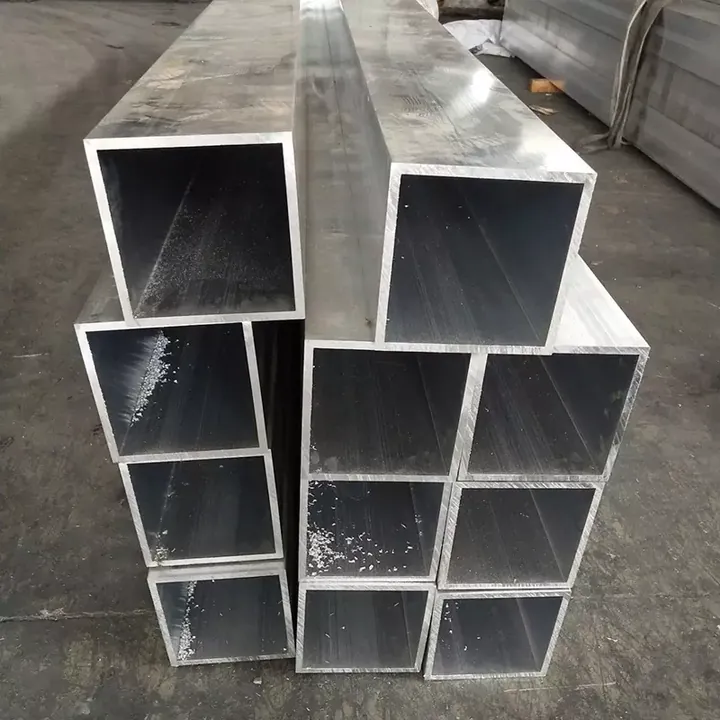
Many projects avoid aluminum extrusions when they expect problems. Something feels off: cost, weight, or supply issues. That worry can hurt entire workflow.
Because some uses need features aluminum cannot match. Choosing not to use aluminum extrusions often protects schedule, budget, or performance.
We dig into why certain applications skip metal profiles. We uncover when aluminum is a bad fit. We explore what matters. Finally we show real alternatives.
What applications avoid aluminum extrusions?
Projects skip aluminum extrusions when they do not match environment or design needs. Simple plastic or wood often works better than metal.
Applications like food packaging, low‑cost toys, or quick disposable items avoid aluminum extrusions because metal is too expensive or heavy.
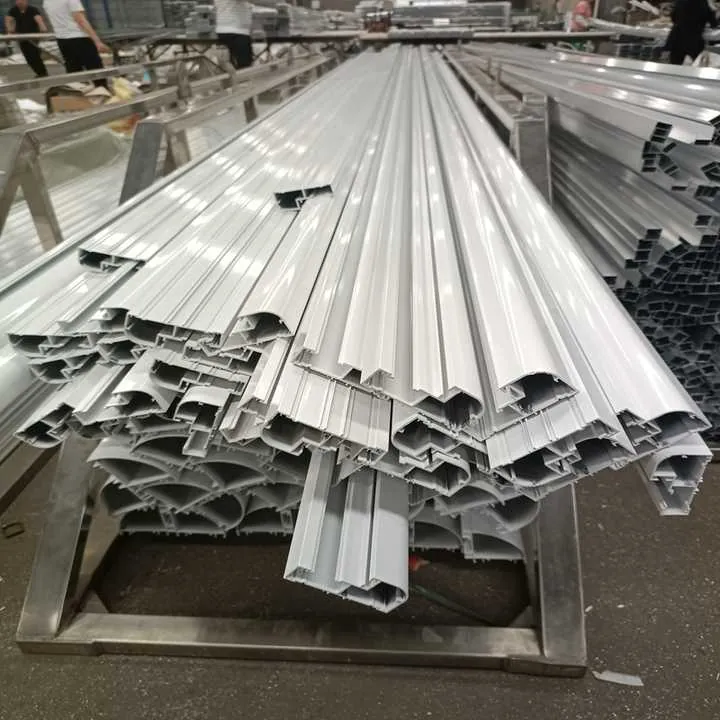
When product cost matters most, aluminum extrusions become expensive overhead. Imagine a toy company that sells thousands of units at low price. Adding a metal frame raises cost per unit significantly. For disposable or mass‑produced items, that extra cost makes no sense. Also, parts that must degrade or be disposable (like certain packaging) need materials that are cheap and light. Aluminum is heavier and harder to recycle in single‑use contexts.
Another key reason is chemical or food safety. Some food containers or packaging avoid aluminum because of risk of metal contamination or corrosion. Plastics or glass are easier to seal and treat. In wet or acidic environments, aluminum might corrode or react, even with coatings. So food packaging, chemical containers, or laboratory settings often avoid aluminum extrusions.
In some cases, design requires very thin, flexible shapes. For example, flexible film, soft packaging, or light covers do not suit rigid metal profiles. Aluminum extrusions are rigid, bulky, and need complex tooling. For flexible covers, rubber, fabric, or plastic film works better.
Finally, speed and simplicity matter. In quick‑turn products with short lifecycle, using off‑the-shelf plastic injection parts is faster than custom aluminum extrusions. Custom metal requires lead time, tooling, and quality control. For fast consumer goods that cycle quickly, that delay is unacceptable. So manufacturers skip metal altogether.
Therefore many low‑cost, high‑volume, disposable, or food/chemical contact applications avoid aluminum extrusions. Rigidity, cost, chemical risk, and lead time make aluminum a poor fit there.
Mass‑produced disposable packaging often avoids aluminum extrusions because the cost and rigidity are not acceptable.Wahr
Disposable or low‑cost high‑volume products need cheap, lightweight, easy‑made materials, making aluminum extrusions impractical.
Any application that needs structural rigidity will avoid aluminum extrusions.Falsch
Structural rigidity is a strength of aluminum extrusions; they are often chosen for structural support rather than avoided for it.
Why some designs exclude metal profiles?
Designers sometimes ban metal profiles because of weight, cost, or manufacturing constraints. In other words, metal just does not fit their needs.
Metal profiles may add weight, cost, or complexity, so some designs forbid them to meet constraints.
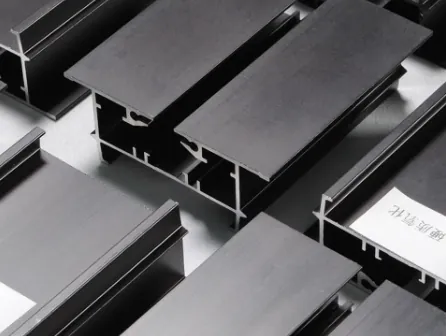
When designers plan a product, they mark down constraints early. If the design must stay light, adding metal becomes a liability. For example, portable devices, handheld tools, or wearable items must stay light. A metal profile might add weight that reduces usability. Designers avoid metal profiles in these cases to keep product lightweight and user‑friendly.
Cost again plays a role. Metal profiles need tooling, cutting, finishing and perhaps painting or anodizing. If the design budget is tight, that cost can blow up the entire production budget. Designers may decide from day one not to include metal parts. This decision simplifies supply chain and reduces risk of delays or defects.
Manufacturing constraints also matter. Suppose the factory only does plastic injection, or has no metal cutting machines. Integrating metal profiles means new tooling, new machines, training, and extra quality checks. That may exceed budget or timeline. So designers exclude metal profiles to keep the process simple and stable.
Another reason is regulatory or functional. In some cases, design requires electromagnetic insulation, or chemical resistance, or noise dampening. Metal may interfere. For equipment that must isolate electricity, or avoid static conduction, plastic or composite materials win. In other cases, noise or vibration damping matters. Metal can create resonance or wear on joints. Designers might pick rubber or composite that damp vibrations better.
Finally, aesthetic or tactile feel can shape decisions. Some products aim for soft touch, matte finish, or certain textures. Metal sometimes feels cold or industrial. For consumer goods aiming for warmth or comfort, plastic, wood or fabric might fit better. Designers decide to exclude metal profiles to meet user experience goals.
Thus many designs reject metal profiles not for lack of strength, but because of constraints around weight, cost, manufacturing, regulation, and feel. The design itself sets the rule before metal is considered.
Designs for portable or handheld products often exclude metal profiles to reduce weight.Wahr
Handheld or portable products benefit from lighter materials; metal profiles add weight and may reduce usability.
Designs always choose metal profiles when structural strength is needed.Falsch
Designers might use reinforced plastics or composites instead of metal profiles even if strength is needed, to balance other constraints like weight and cost.
How material requirements influence selection?
Material requirements like strength, corrosion resistance, cost, weight, finish steer designers away from aluminum or toward it. Requirements shape the material choice deeply.
Material needs—weight, strength, cost, finish or corrosion resistance—decide if aluminum extrusions make sense. If needs conflict with aluminum properties, other materials are chosen.

When engineers pick materials, they list what they need from the material. They often score each need: how strong, how light, how cheap, how safe, how easy to produce. Aluminum extrusions meet some criteria well, but fail others. The final decision comes down to which criteria matter most.
Factors to check
| Anforderung | Warum das wichtig ist | Aluminum fits? |
|---|---|---|
| Gewicht | Heavy parts reduce mobility or lift cost | Aluminum is mid‑weight |
| Strength / Stability | Need structural integrity | Aluminum is strong |
| Korrosionsbeständigkeit | For outdoor, chemical or wet use | Needs coatings often |
| Cost per unit | For high volume, low cost products | Higher cost than plastic |
| Oberflächengüte | Look, feel, coating options | Can be sleek with coating |
| Manufacturing speed | Fast ramp‑up and assembly | Slower due to tooling |
If the project needs very cheap parts at high volume, aluminum may fail on cost. If parts must be super light—say wearable equipment—then even aluminum may be too heavy. If finish must be soft touch or mimic wood, coatings add cost but maybe still not ideal.
Also some requirements conflict. For example, high corrosion resistance and low weight may push toward stainless steel or composite rather than aluminum. Or the need for flexible shape may rule out any metal. Designers must trade off between multiple requirements.
Often decision makers rank these needs. They might put cost first, then ease of manufacturing, then durability, then aesthetics. A material that balances cheaply and quickly often wins. Aluminum extrusions tend to appear only when durability and rigidity matter more than cost or speed.
In sum, material requirements shape whether aluminum extrusions fit. Good match on many points helps aluminum to win. But if a few key needs conflict, aluminum may lose.
Designs needing low cost at high volume often avoid aluminum extrusions because aluminum is more expensive than plastic.Wahr
At high volume with tight unit cost, cheaper materials like plastic usually win over aluminum.
Aluminum extrusions always offer best balance of weight and strength.Falsch
Other materials, like composite or light alloys, might offer equal or better weight‑strength ratio depending on design.
Can alternatives replace aluminum effectively?
Yes. In many cases plastics, composites, wood or steel replace aluminum and meet design needs better. Replacement depends on demand.
Alternatives often work better when they match requirements more closely than aluminum extrusions. In many uses the right material wins over defaulting to aluminum.

Many materials try to beat aluminum. Plastics are common. They are light, cheap, easy to shape, and fast to produce. Injection molded plastic parts show how easy mass production becomes. For disposable or high‑volume products, plastic wins. Composite materials like fiberglass or carbon fiber deliver strong but light parts. They blend rigidity and low weight.
Wood remains an option when warmth, texture, and simplicity matter. For furniture, decoration or acoustic products, wood gives aesthetic and feel metal cannot. Simple wood frames or molded plywood often replace metal.
Steel or stainless steel can replace aluminum when strength and load matters more than weight. Steel is cheaper in some cases, and welding or stamping steel can be easier in heavy‑duty uses. If weight is not huge concern but cost and strength is, steel or iron may beat aluminum on price and durability.
Hier ist ein Vergleich:
| Alternative Material | Beste Anwendungsfälle | Pros over Aluminum | Cons over Aluminum |
|---|---|---|---|
| Kunststoff | Toys, disposable items, packaging | Very cheap, lightweight, fast production | Less strength, less rigidity |
| Composite (carbon, fiberglass) | Sport gear, lightweight frames | High strength-to-weight, corrosion resistant | More expensive, complex process |
| Holz | Furniture, decor, acoustic panels | Warm look, easy finish, sustainable | Heavy, less precision, variable quality |
| Steel / Stainless Steel | Heavy load, industrial frames | Strong, general availability, low cost | Heavier, may rust if untreated, harder to shape |
Alternatives win when aluminum cannot meet price, appearance, or shape needs. In many cases, one alternative fits better than aluminum. Designers choose based on the priorities.
Even in structural uses, composites or steel may beat aluminum. In high‑stress frames, steel might offer higher yield strength. In lightweight, rigid parts like bike frames or drones, carbon fiber composites beat aluminum easily.
Choosing the right material saves cost, improves performance, and simplifies manufacturing. Aluminum extrusions are not always the default. With clear material needs and alternatives, many projects skip metal profiles completely.
Plastic is often better than aluminum for disposable items because it is cheaper and easier to make fast.Wahr
Plastic injection molding lets high volume production at low cost and light weight, so it suits disposable or low‑cost items better than aluminum extrusions.
Composites like carbon fiber always outperform aluminum extrusions in cost effectiveness.Falsch
Composites often cost more and require complex processing, so they are not always more cost effective than aluminum.
Schlussfolgerung
Aluminum extrusions suit many needs but not all. When cost, weight, manufacturing speed, or texture matter more, designers often skip metal profiles. Alternatives like plastic, composite, wood, or steel often meet needs better. Thoughtful material choice wins over default metal use every time.


