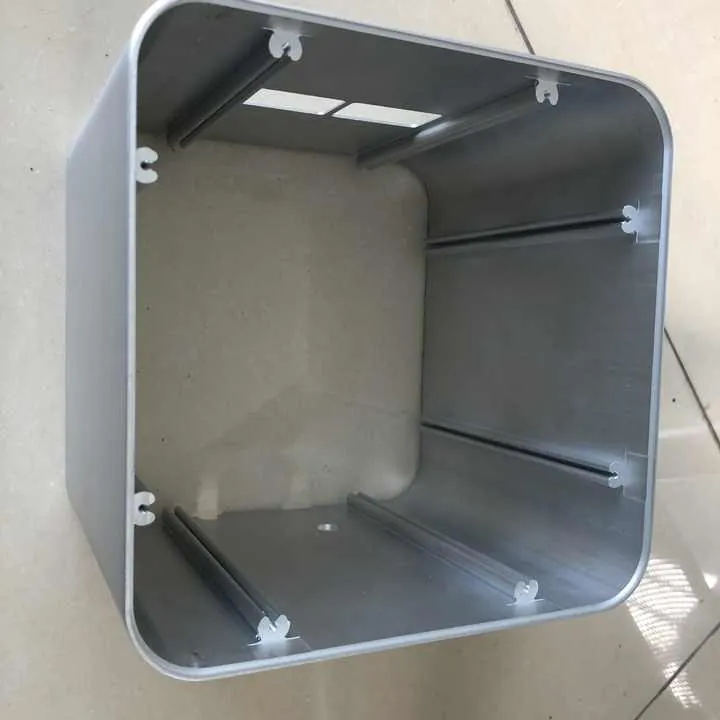
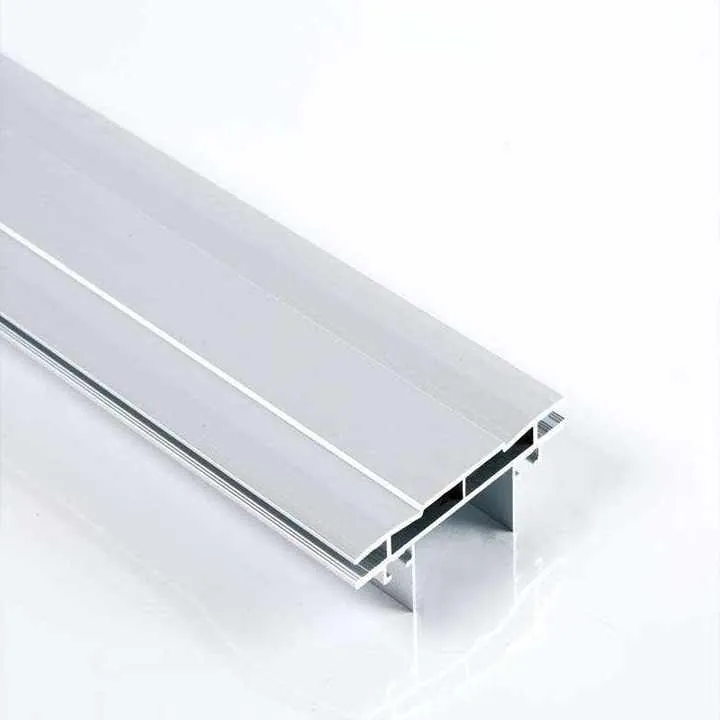
Wie schneidet man Aluminiumprofile mit einer Metallsäge?
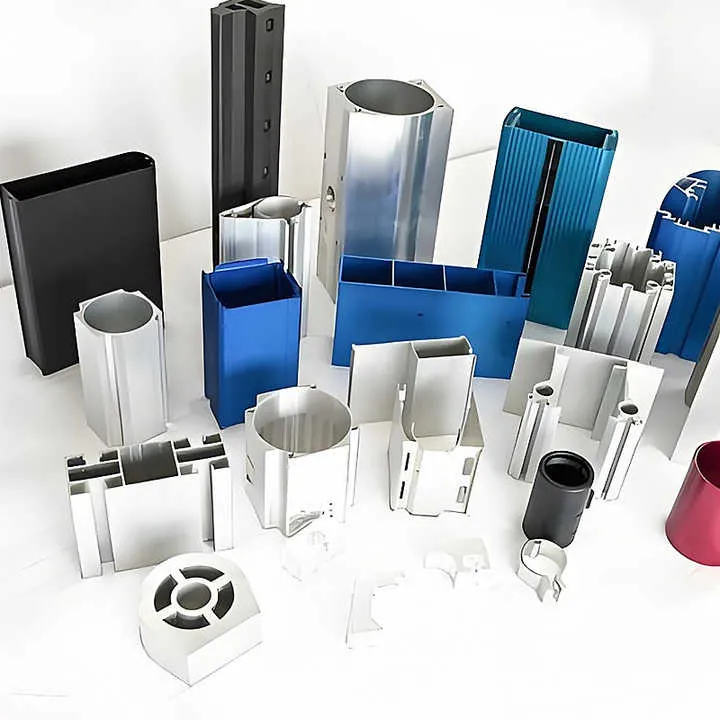
Cutting aluminum extrusion by hand often seems difficult. It feels slow, noisy, and can lead to uneven edges if done carelessly.
You can cut aluminum extrusion manually using a hacksaw by selecting the right blade, securing the work, using proper sawing technique, and applying lubrication.
Let’s break down how to get clean, straight cuts every time.
With a few adjustments, manual cutting can become quick and reliable. Once I realized how much the right tools and technique matter, my cuts became more accurate and less effortful.
What blades suit manual extrusion cutting?
Most hacksaw users grab the first blade they find, expecting it to work fine. But aluminum is different.
The best blades for aluminum extrusion are fine-tooth hacksaw blades, ideally rated for cutting non-ferrous metals.
Choosing the correct blade is key to avoiding rough cuts and metal deformation. Aluminum is softer than steel but still tough to cut cleanly. A coarse blade may dig in too hard or skip across the surface. On the other hand, a very fine blade with at least 18 to 24 teeth per inch (TPI) offers smooth results.
Here’s a quick guide to blade features:
| Blade Feature | Why It Helps |
|---|---|
| 18–24 TPI | Produces smooth cuts without catching on thin walls |
| Labeled “Non-Ferrous” | Designed for softer metals like aluminum and brass |
| High-tension frame | Keeps blade straight and reduces drift |
| Sharp teeth | Dull blades cause friction and burrs |
For best performance, tension the blade tightly in the hacksaw frame. A loose blade will flex and wander, especially on long cuts. Also, test the blade on a scrap piece before committing to your real work. If you feel the blade bouncing or grabbing, it’s not right for the job.
Using a fine-tooth blade designed for non-ferrous metals gives a smoother cut on aluminum extrusionWahr
Fine teeth reduce chatter and cut through soft metal cleanly, minimizing rough edges.
Any standard hacksaw blade will work fine for aluminum extrusion without concern for tooth countFalsch
Standard coarse blades may tear aluminum or cause the blade to bind. Tooth count matters.
Why secure clamping improves hacksaw cuts?
Without proper clamping, the extrusion moves under pressure. The result? Skewed cuts, rough finishes, and wasted material.
Clamping the aluminum firmly prevents shifting and keeps the blade on track, improving cut accuracy and safety.

Secure clamping is a non-negotiable step when cutting by hand. Aluminum extrusions often have hollow sections or T-slots, which makes them prone to vibrations. If not held properly, they rattle or flex during cutting. This not only affects the cut but also increases wear on the blade.
Key clamping guidelines:
Benefits of Clamping
- Stabilität: Prevents the extrusion from sliding or tilting during sawing.
- Genauigkeit: Keeps the blade aligned with the marked line, reducing error.
- Sicherheit: Stops the workpiece from jumping or pinching the blade mid-cut.
- Clean Finish: Less vibration means cleaner edges and fewer burrs.
Clamping Techniques
Use a strong bench vice or adjustable clamps. Place wooden or plastic spacers inside T-slots to avoid deformation. Make sure the cut area sticks out just enough—too far and it may vibrate, too close and you lack space to saw freely.
| Do This | Avoid This |
|---|---|
| Use padded jaws to protect the profile | Clamp directly on thin edges |
| Confirm alignment with a square | Assume the vice holds everything straight automatically |
| Re-check tightness during cutting | Ignore shifting or movement midway |
When cutting long extrusions, support the other end to avoid sagging. A small platform or stack of boards can level the piece and improve comfort.
A firmly clamped extrusion will allow more accurate and consistent hacksaw cutsWahr
Clamping stops movement, letting you control blade alignment for clean cuts.
Clamping is unnecessary if you have a good hacksaw bladeFalsch
Even the best blade can drift if the workpiece shifts during sawing.
How to maintain straight cuts by hand?
Even with the right blade and clamping, it’s easy for a hand cut to wander.
You can keep your hacksaw cuts straight by marking clearly, guiding the blade slowly, and checking alignment as you go.
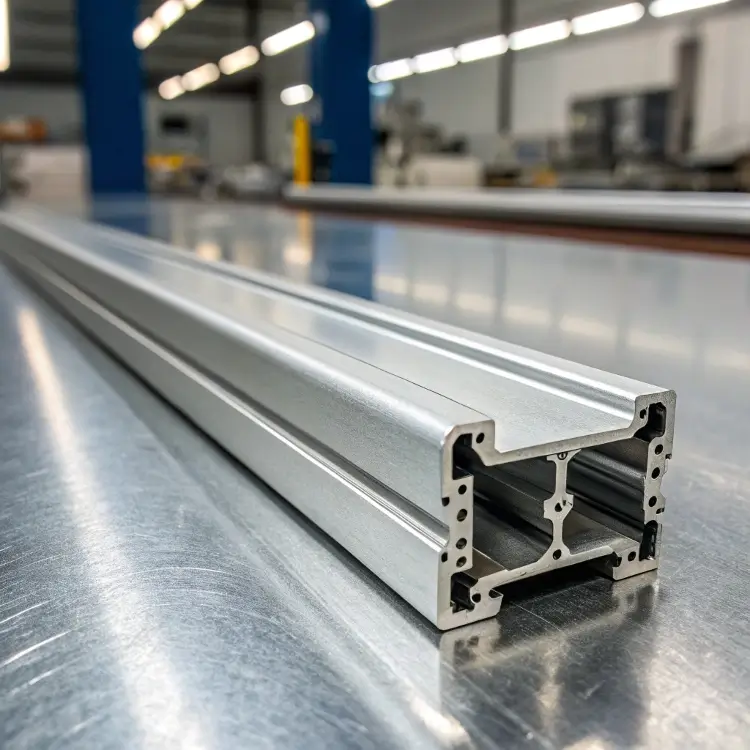
Getting a straight cut by hand means managing two things: the direction of the saw stroke and the posture of your arm. Most drift happens because the saw is pushed at an angle or too much pressure is used. Here’s how to improve that:
Steps for Straight Cuts
- Mark both sides: Draw guide lines on the top and side of the extrusion. This gives you a reference to check square angles.
- Use a mitre box or guide: These tools help position the blade correctly at 90 degrees.
- Hold the saw level: Your arm should move in a straight line. Avoid leaning or twisting.
- Apply steady pressure: Let the blade do the cutting. Force creates bends.
Sawing Technique
Use long, even strokes. Each stroke should move the blade across the full width of the material. Avoid short, jerky motions. Watch both the front and side lines to track blade alignment.
As the cut gets deeper, the blade naturally follows the groove. But if you feel resistance or see the blade shifting, pause and realign.
At the end of the cut, ease the pressure. The last section is the most likely to tear if you rush.
After the Cut
Use a flat file to clean the edge. This removes burrs and helps confirm if your cut is truly square. If the end is uneven, gently file down the high side until level.
Even with a good setup, maintaining straight cuts by hand requires deliberate technique and periodic checksWahr
Manual sawing relies on consistent motion and attention to blade direction.
Once the clamp is set up, you don’t need to monitor the blade alignment while sawingFalsch
The blade can still drift due to motion or pressure, even if the material is secure.
Can lubrication ease manual cutting?
Cutting without lubrication often leads to loud squeaks, high resistance, and uneven cuts.
Yes, using lubricant when cutting aluminum extrusion reduces friction, keeps the blade cooler, and improves smoothness.
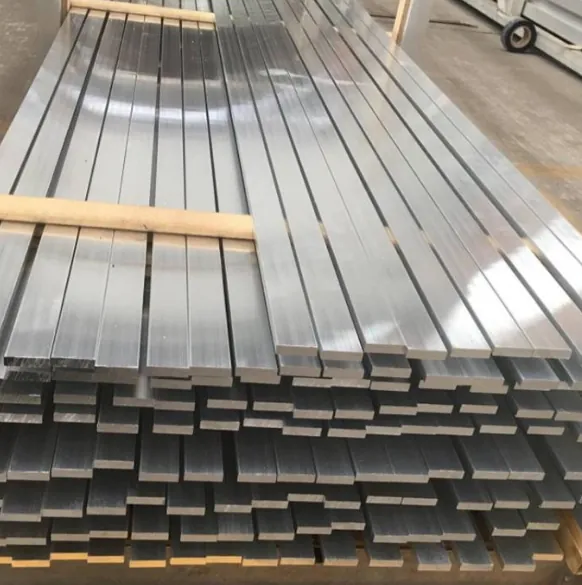
Lubrication isn’t just for power tools. Even when sawing by hand, a small amount of cutting fluid or light oil makes a big difference. Aluminum tends to stick to steel blades. As chips build up, the blade gets duller and harder to push. Lubricant solves this.
Lubrication Benefits
- Smooth cutting: Reduces drag, making strokes easier.
- Less heat: Prevents overheating and metal smear.
- Längere Lebensdauer der Klinge: A clean, cool blade stays sharp longer.
- Better finish: Less vibration and fewer burrs.
What to Use
You can use a few drops of cutting oil, light machine oil, or even WD-40. Wax-based lubricants also work well. Avoid heavy greases—they collect dust and clog the teeth.
| Schmiermittel Typ | Geeignet für |
|---|---|
| Light oil | General cutting |
| Cutting fluid | Frequent or long cuts |
| Wachsstock | Cleaner working area |
| WD-40 | Quick or temporary use |
Tipps zur Anwendung
- Apply before starting the cut.
- Reapply midway if needed.
- Wipe down afterward to remove residue.
A little lubricant goes a long way. Don’t overdo it. Too much can make your hands or work surface slippery. Also, make sure to clean the blade after each session to avoid buildup.
Adding a light lubricant when sawing aluminum extrusion by hand improves cut smoothness and reduces blade wearWahr
Lubrication reduces friction and helps the blade clear chips, making cutting easier.
Lubrication is unnecessary when cutting short lengths of aluminum by hand with a hacksawFalsch
Even short cuts benefit from smoother motion and less heat build-up with lubrication.
Schlussfolgerung
Manual cutting of aluminum extrusion with a hacksaw is practical and effective. With a fine-tooth blade, firm clamping, good sawing technique, and lubrication, you can get clean, straight cuts every time. All it takes is preparation and attention to detail.