Wie werden Aluminiumprofile hergestellt?

When a raw aluminum log just won’t cut it, how do we transform it into a sleek custom profile? The process can seem opaque, but it matters a lot for quality and delivery.
In short: heated billets are forced through shaped dies under high pressure, then the profiles are cooled, stretched, finished and cut. This covers the major steps from billet to finished extrusion in the production chain.
Let’s go step by step. I’ll walk through some key questions that many people in manufacturing ask. We’ll dig into what machines are used, why pressure matters, how and where cooling happens, and finally how surface finishing elevates the final quality.
What machines shape aluminum billets?
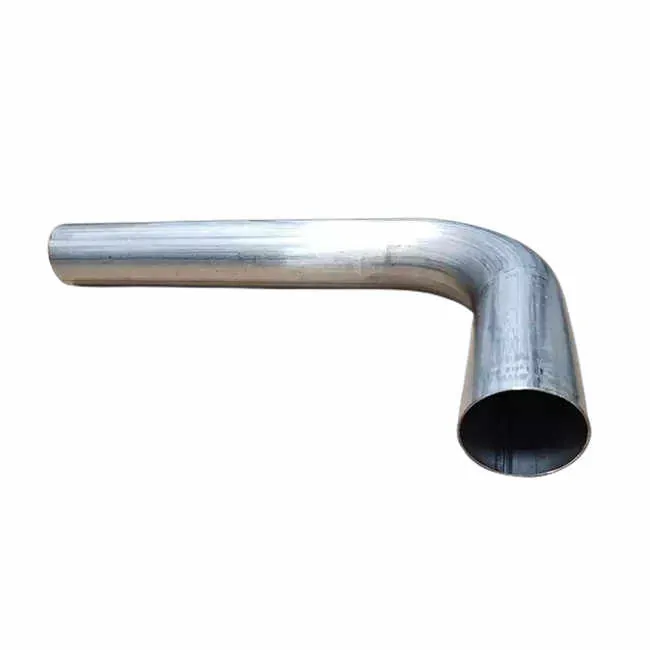
Are the machines behind aluminum extrusion just big presses or something more complex? If the machine fails, the profile fails.
Key machines include billet‑heating furnaces, extrusion presses (ram + container + die), shears/cutters, cooling beds and stretchers. Each machine plays a defined role in turning raw material into finished extrusion.
When I first visited an extrusion line I noticed how many machines are involved beyond the obvious press. Let me break it down:
Machine‑list & roles
| Maschine | Rolle |
|---|---|
| Billet heating furnace | Heats solid aluminum billets (logs) to a ready temperature so the metal becomes workable. |
| Extrusion press (container, ram, dummy block, die) | The core machine: the heated billet is loaded in a container; a ram pushes the dummy block which forces the billet through the die opening shaping the profile. |
| Shearing/cutting machine | After extrusion, the profile is cut to manageable lengths. |
| Cooling / run‐out table / puller | After exiting the die, the profile is guided and cooled to ensure proper shape and internal structure. |
| Stretching machine | Straightens the profile and relieves internal stresses by applying tension. |
Important details
- The heating: Billets might be heated to around 800‑925°F (≈430‑495°C) depending on alloy.
- The die and press: The die is supported by substantial tooling because of huge forces involved. For example, some dies are subjected to up to 15.000 Tonnen of pressure depending on size.
- Machine size matters: The press tonnage and size determine how large a section you can extrude. If the machinery is too small, the profile might not be feasible.
Why this matters for a manufacturer like us
Because we at Sinoextrud produce custom aluminum profiles for global clients, understanding these machines means we can choose the right press size, know lead times, anticipate tooling cost, and ensure quality. Machines that are underpowered or mis‐matched to the profile can lead to surface defects, deformations, or scrap.
So when someone asks “what machines shape aluminum billets?”, the real answer is: a coordinated set of machines — furnace, press, cutter, cooler, stretcher — and their specification directly impacts the output. Being aware of which machine step impacts which quality attribute helps us control the process better.
The extrusion press machine is the only machine needed to shape aluminum billets.Falsch
While the press is the main shaping machine, billet heating, cutting, cooling and stretching machines are also required to complete the extrusion process.
The billet heating furnace is essential before the extrusion press because the aluminum must be at the correct temperature for extrusion.Wahr
If the billet is not heated to the correct temperature, the material may not flow properly through the die, affecting quality.
Why extrusion pressure must be controlled?

Could more pressure always give better results? Not really — too little or too much pressure both cause problems.
Controlling pressure during extrusion is vital because it influences metal flow, die filling, profile accuracy, and surface quality. Pressure must be matched to the alloy, profile complexity and temperature.
In my experience working with extrusion profiles, I’ve learned that pressure is not just “push harder”, but “push right”. Let me explain.
Role of pressure
- The pressure from the ram must overcome the resistance of the billet, container walls, die opening and friction. Only then will the metal flow to fill the die properly.
- Pressure is linked to speed, temperature and profile design. For example: higher temperature lowers viscosity thus might reduce required pressure, but risks surface defects.
- If pressure is too low: you may get incomplete filling, voids, or twisted profiles.
- If pressure is too high or paired with the wrong temperature: the metal may tear, the surface will degrade, the die may wear prematurely.
Key control parameters
- Temperatur: The billet and die temperature affect how the aluminum flows. Hotter metal flows easier but may compromise dimensional accuracy. ʻLower billet temperatures require higher pressures’ is a typical rule.
- Geschwindigkeit: If you extrude too fast, the pressure may rise, leading to defects like waves, pitting or surface distortion.
- Profile complexity & ratio: A profile with many thin walls or hollows has a high extrusion ratio and requires more pressure to fill properly.
Practical implications for quality
For our company, when we offer custom extrusion solutions (for example in 6063‑T5 or 6061‑T6 alloys), we must ensure our press capacity and tooling can deliver the required pressure. Otherwise, the resulting product might not meet tolerances or surface finish expectations. Additionally, we have to monitor and log pressure/ram behaviour during production, because deviations may signal tool wear or process drift. With millions of kg of output and global clients, a mis‑controlled pressure means potential rejections, delays and cost overruns.
So the take‑away: pressure must be controlled und matched to the entire process setup — alloy, temperature, die design, machine capability — not just maximised.
If you double the pressure in an extrusion press, you will always get a better profile quality.Falsch
Doubling pressure without adjusting temperature, speed, and tooling may lead to tearing, reduced dimensional accuracy and surface defects.
Extrusion pressure must be controlled because it directly affects metal flow and final profile accuracy.Wahr
Pressure is one of the key parameters that influences whether the billet will fill the die correctly and lead to correct dimensions and surface.
Where is profile cooling performed?

After shaping, the newly extruded aluminum is still hot and semi‑worked. If cooling is mishandled, the part warps or loses strength.
Cooling of the extruded profile is performed immediately after the die exit, typically on the run‑out table or cooling bed using air quenching, water mist or water bath. The cooling stage is critical for shape, microstructure and mechanical properties.
In our process at Sinoextrud, we carefully control the cooling stage because it can make or break the extrusion’s final properties. Here’s a breakdown.
What happens after extrusion?
- The profile exits the die still hot — the temperature might be several hundred degrees Celsius.
- It is guided along a run‑out table where pullers or conveyor rollers transport it. During this time cooling begins.
- Then the profile moves to a cooling bed or table where forced air, water quench or a water mist system lowers the temperature rapidly. Rapid cooling (quenching) “freezes” the microstructure and improves mechanical properties.
Where is this physically?
- Run‑out table: Immediately after the press die exit.
- Cooling bed/table: A dedicated area where the profile lies and cools fully.
- For certain alloys (e.g., 6061 series or higher strength 6000 series) water quenching is required; for architectural alloys like 6063 sometimes air cooling is sufficient.
Why “where” and method matter
- Cooling method and location affect internal stresses: if one side cools faster than the other, you get warping or bending.
- Cooling speed influences properties: for age‑hardening alloys, the faster the quench the better the strength retention.
- Space and layout in the extrusion plant: the press, run‑out, cooling bed and stretcher must be aligned to avoid dragging or deforming the profile while hot.
Example in practice
When we produce large section extrusions (400 mm max size in our plant), the cooling bed is several meters long with fans and water sprays. If the profile is too long or cooling too slow, we risk sagging or bending before the stretcher. So we schedule the cooling bed usage, monitor temperature drop and verify straightness before further processing.
In sum: knowing exactly wobei cooling happens — from die exit to cooling bed — and wie it is done is essential to ensuring the dimension, straightness and mechanical performance of the final profile.
The profile cooling for aluminum extrusion always uses water quenching only.Falsch
Cooling methods include air cooling, water mist or water bath. It depends on alloy, profile size and required properties.
Profile cooling is carried out right after the extrusion die exit and before stretching or cutting.Wahr
Immediately after extrusion the profile is transported and then cooled before final processing steps like stretching and cutting.
Can surface finishing improve final quality?

After you’ve got the right shape, dimension and internal structure, the surface still matters. Finish can elevate or degrade the product in the market.
Yes — surface finishing can significantly improve final quality by enhancing corrosion resistance, wear resistance, appearance and performance of extruded profiles. Examples include anodizing, powder coating, and mechanical polishing.
In my role helping clients worldwide choose custom aluminum profiles, I often emphasize the finishing stage because it influences both functionality and market perception.
What are common finishing options?
- Eloxieren: An electrochemical process that thickens the natural oxide layer on aluminum, improving corrosion resistance, durability, and enabling color options.
- Pulverbeschichtung: Applying a dry powder and baking it to get a solid colored finish. Good for aesthetics, outdoor use, corrosion protection.
- Mechanische Endbearbeitung: Grinding, polishing, tumbling to improve surface texture, remove tool marks or prepare for coating.
- Oberfläche fräsen (no extra finishing): The surface remains as‑extruded; often sufficient for structural internal use but less ideal when aesthetics or surface properties matter.
Why finishing improves final quality
- Oberflächenbehandlungen protect against corrosion, especially in outdoor or harsh environments.
- Sie improve wear resistance for profiles that see contact or sliding surfaces.
- Sie enhance aesthetic appeal, which matters for architectural applications or visible components.
- They can help adhesion of secondary treatments, printing or bonding by providing a consistent surface.
For a manufacturing‑supplier like us
We ensure our profiles are suitable for finishing because:
- The extrusion must be produced with minimal surface defects (tool marks, pits, cracks) so that the finish can adhere properly.
- We coordinate with clients about finishing requirements early (which alloy, which finish) so the extrusion tolerance, surface prep, and alloy choice are aligned.
- When delivering globally, especially to regions like Japan, Europe or North America, quality of finishing often differentiates the supplier. We provide options such as anodizing thickness class (Class I vs Class II) to meet standards.
Zusammenfassung der Vorteile
| Nutzen Sie | Beschreibung |
|---|---|
| Korrosionsbeständigkeit | Finishes protect the aluminum surface from environmental attack. |
| Wear / surface durability | Coatings or anodized surfaces last longer under mechanical or weathered usage. |
| Aesthetic value | The profile looks polished, colored, branded or tailored to the finish. |
| Functional requirements | Surface might need to accept paint, bonding or have a specific surface roughness or color. |
So yes — surface finishing isn’t just cosmetic. It’s a key part of delivering a finished product that meets both functional and visual requirements of global customers.
Surface finishing on aluminum extrusions is only needed for aesthetic reasons.Falsch
Surface finishing also provides functional benefits like corrosion resistance, wear resistance, and better adhesion for secondary operations.
Anodizing aluminum extrusions improves their corrosion resistance and allows for color options.Wahr
Anodizing thickens the natural oxide layer and allows dyes or colors to be incorporated, improving durability and appearance.
Schlussfolgerung
In conclusion, making aluminum extrusions involves a coordinated chain: correct machines to shape the billet, carefully controlled pressure to ensure metal flow and accuracy, proper profile cooling to fix structure and prevent warping, and effective surface finishing to deliver durability, appearance and performance. Each step matters. For high‑quality custom aluminum profiles, none can be overlooked.